Fruit trees that survive freezing temperatures make it possible to grow fresh apples, pears, cherries, plums and more in places with long, bitter winters. Gardeners in the northern United States and Canada once had few choices beyond wild fruits. Today, decades of breeding have produced trees that shrug off temperatures far below zero and still bear reliable crops.
Much of that progress came from cold-climate breeding programs in the Upper Midwest and the Canadian prairies. One Minnesota program alone has released more than 400 cold-hardy plant varieties since 1888, including the Honeycrisp apple in 1991. Breeders in Manitoba, Saskatchewan, Alberta and South Dakota added hardy pears, cherries, plums and apricots that thrive where older varieties froze to the ground.
Hardiness ratings tell only part of the story. A tree may survive a winter while its flower buds do not, and peach buds, for example, often start to die somewhere between -13°F and -18°F even on the hardiest varieties. Late spring frosts are often a bigger threat than midwinter cold, especially for apricots and other early bloomers.
Choosing the right tree for your hardiness zone, planting on a slope where cold air drains away and avoiding low frost pockets all improve the odds. Many of these trees are native to North America, while others come from Siberia, northern China and Europe. Together they show how much fruit can be grown even where winter lasts half the year.
1. Honeycrisp Apple
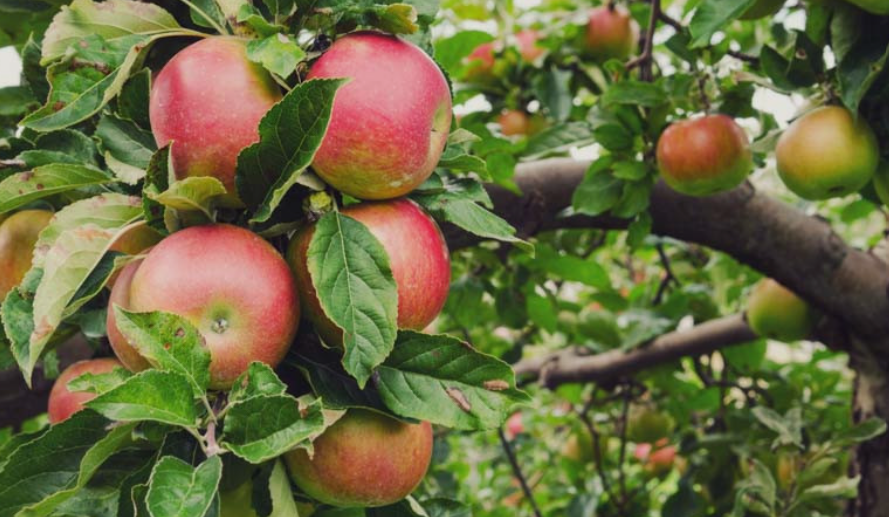
Honeycrisp is one of the most popular apples in the United States. Its fruit is large, juicy and explosively crisp, with a sweet-tart flavor. The skin is yellow, blushed with bright red. It ripens in early fall and stores well for months. The tree is moderately vigorous and bears reliably.
It was released in 1991 by a Minnesota breeding program focused on cold-hardy fruit. In 2006, it was named Minnesota’s official state fruit. The tree is generally hardy to about zone 3 or 4. It needs another apple variety nearby for pollination. It is grown across the northern United States and Canada and in apple regions nationwide.
2. Haralson Apple
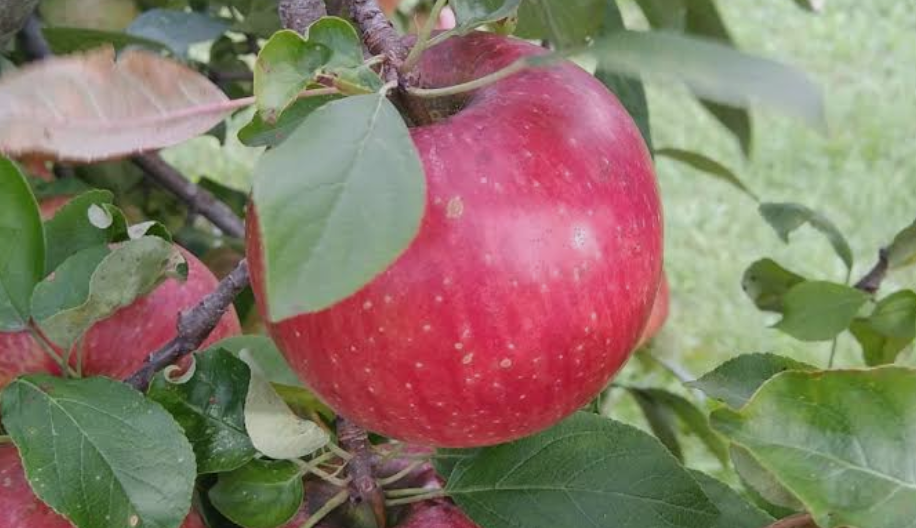
Haralson is one of the hardiest classic apples for northern gardens. Its fruit is red, firm and tart, with crisp white flesh. It is excellent for pies, baking and fresh eating. The apples keep well in cold storage. The tree is strong and productive.
It was introduced in Minnesota in the early 1920s and quickly became a favorite in cold regions. The tree is hardy to about zone 3. It is known for reliable crops even after harsh winters. It tends to bear heavily, so thinning the fruit helps size. It is grown across the Upper Midwest, the northern Plains and southern Canada.
3. Dolgo Crabapple
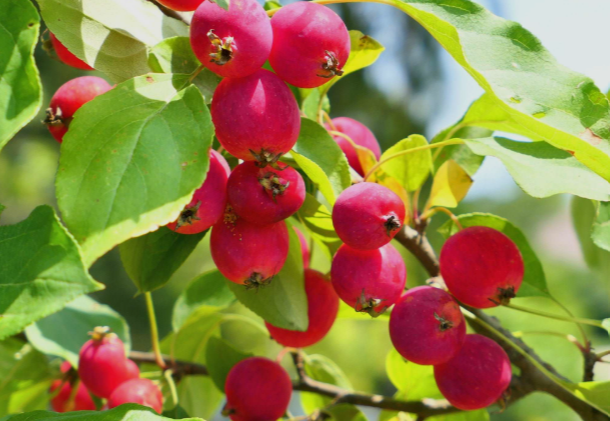
Dolgo is a tough crabapple prized for its bright red fruit. Its small, oval apples are tart and juicy. They make outstanding jelly with a rich ruby color. The tree also produces masses of white flowers in spring. It grows 25 to 40 feet tall.
It is one of the hardiest fruiting trees available, surviving winters in zone 2 or 3. It was introduced in the early 1900s from seed collected in Russia. It is also an excellent pollinator for other apple trees. Its flowers attract bees, and birds eat leftover fruit. It is grown across Canada, Alaska and the northern United States.
Also Read: Fruits That Grow in the Desert
4. Summercrisp Pear
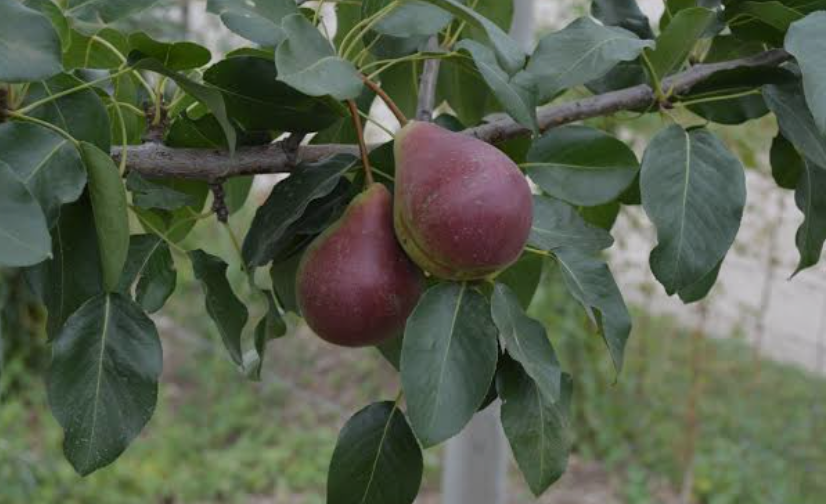
Summercrisp is a very hardy pear developed for cold climates. Its fruit is medium-sized and green with a red blush. It is best eaten while still crisp, like an apple. It ripens in mid to late summer. The tree is upright and productive.
It was released in Minnesota as one of the hardiest European-type pears. It is hardy to about zone 3 or 4. It needs another pear variety nearby for pollination. It shows good resistance to fire blight. It is grown in the Upper Midwest, the northern Plains and parts of Canada and Alaska.
5. Ure Pear
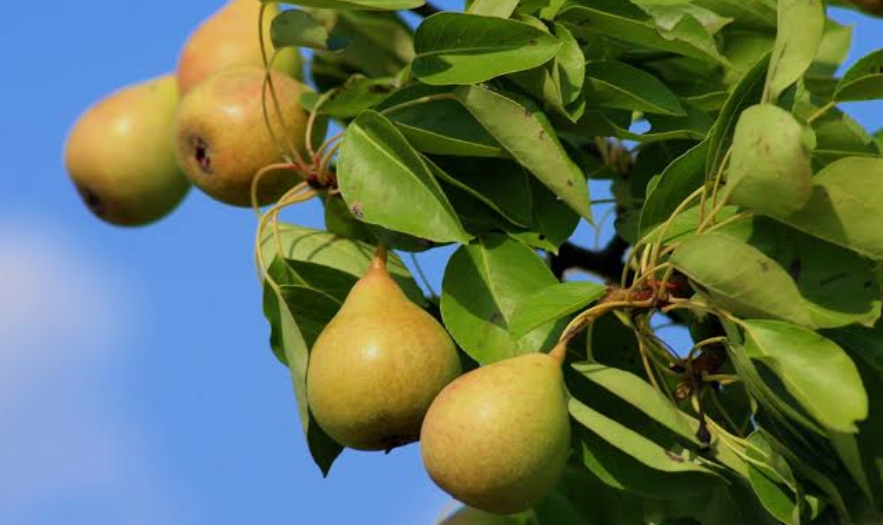
Ure is a small, sweet pear bred for the Canadian prairies. Its fruit is yellow-green and juicy, with a flavor similar to Bartlett. It ripens in late summer. The tree is compact and productive. It begins bearing at a young age.
It was developed in Manitoba from crosses involving a very hardy Asian pear. It is hardy to about zone 3. It needs a compatible pear for pollination. It handles short summers well. It is grown in the Canadian prairies, the northern Plains and the Upper Midwest.
6. Ussurian Pear
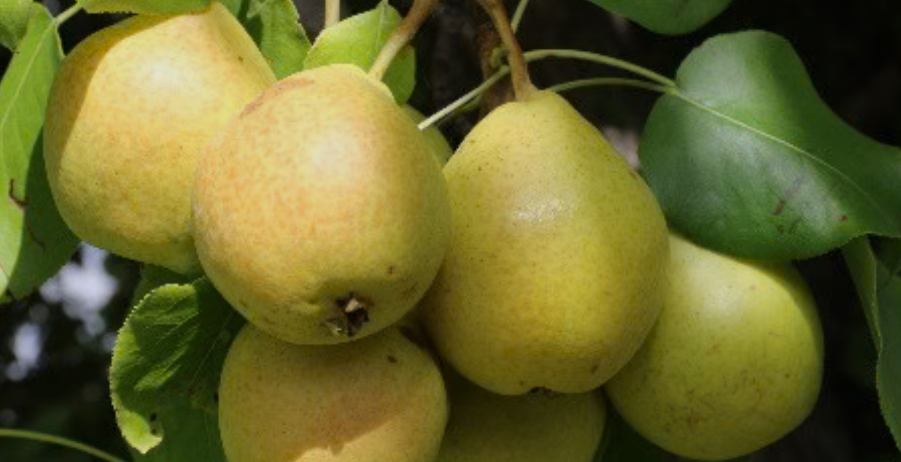
Ussurian pear is the hardiest pear species in the world. Its fruit is small, round and yellow-green. The pears are tart and gritty but improve after a period of storage. The tree has glossy leaves that turn red in fall. It grows 30 to 50 feet tall.
It survives winters as cold as zone 2. It is a parent of many hardy pear varieties grown in the North. It is also used as a hardy rootstock. Its spring flowers are showy and white. It is native to northeastern China, Korea and eastern Russia.
7. Evans Cherry
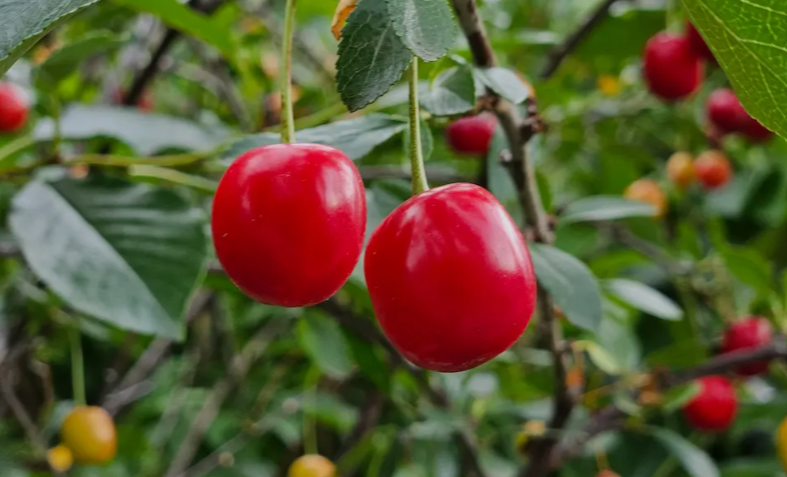
Evans is a sour cherry known for surviving extreme cold. Its fruit is bright red and tart. It is ideal for pies, jams and juice. Fully ripe cherries are sweet enough to eat fresh. The tree is compact and productive.
It was discovered growing in Alberta and introduced in the 1970s. It is hardy to about zone 3, and some growers report success in zone 2. It is self-fruitful, so a single tree will bear. It tolerates poor soils and short summers. It is grown across the Canadian prairies, Alaska and the northern United States.
Also Read: Fruits That Are Green on the Inside
8. Carmine Jewel Cherry
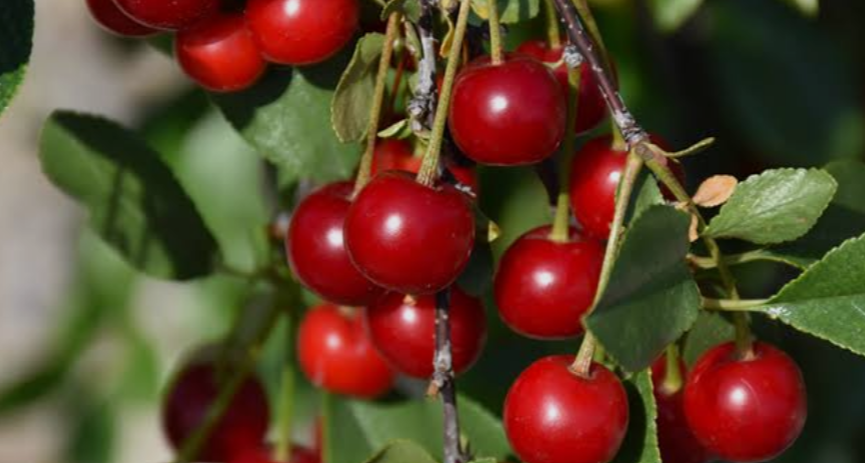
Carmine Jewel is a dwarf sour cherry bred for the far north. Its fruit is dark red, juicy and tart-sweet. The cherries are excellent for baking, juice and fresh eating. It ripens in midsummer. The plant grows as a small tree or large shrub about 6 to 8 feet tall.
It was developed in Saskatchewan and released in 1999. It is hardy to about zone 2. It is self-fruitful and begins bearing young. Its compact size makes it easy to net against birds. It is grown across Canada, Alaska and the northern United States.
9. North Star Cherry
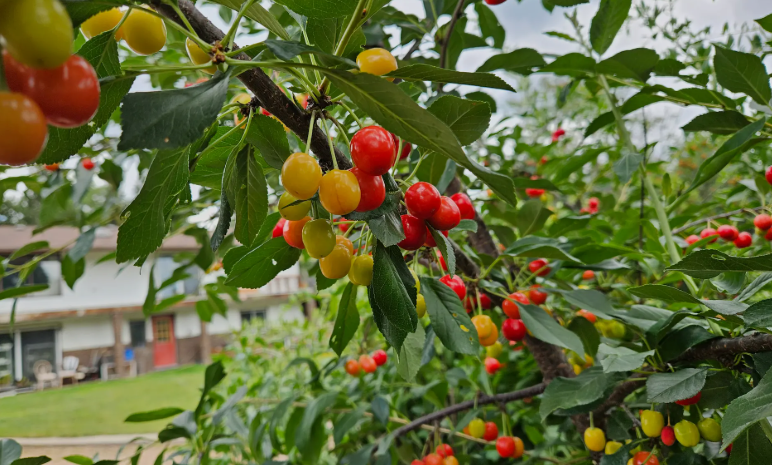
North Star is a compact sour cherry ideal for small yards. Its fruit is bright red with tart, juicy flesh. It ripens in early summer. The cherries are excellent for pies and preserves. The tree grows only 8 to 10 feet tall.
It was released in Minnesota in 1950. It is hardy to about zone 4. It is self-fruitful and highly productive. It resists cracking and brown rot better than many cherries. It is grown across the Upper Midwest, the Northeast and much of the northern United States.
10. American Plum
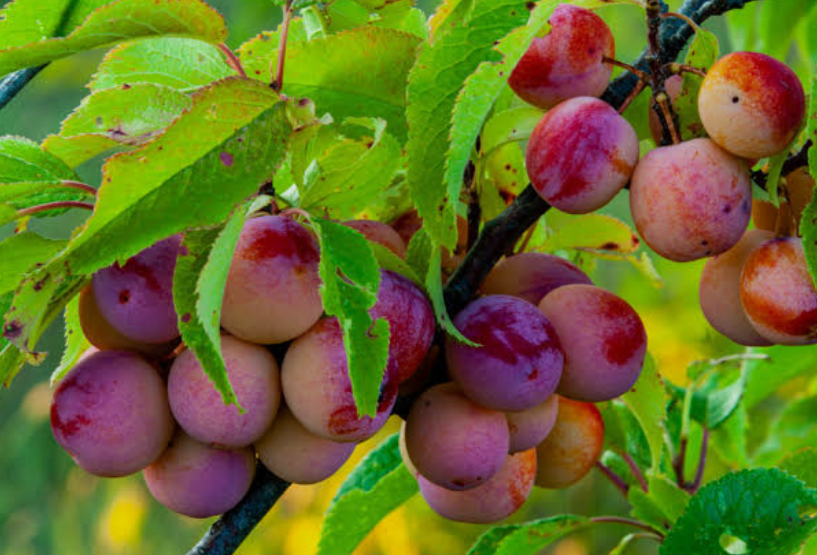
American plum is a tough native plum tree. Its fruit is small, round and red to yellow. The plums are tart but excellent for jams and jellies. In early spring, the tree is covered in fragrant white flowers. It grows 15 to 25 feet tall and often forms thickets.
It survives winters in zone 3 and sometimes colder. It is a parent of many hardy hybrid plums. Its flowers attract bees, and birds and wildlife eat its fruit. It tolerates a wide range of soils. It is native across much of the eastern and central United States and southern Canada.
11. Toka Plum
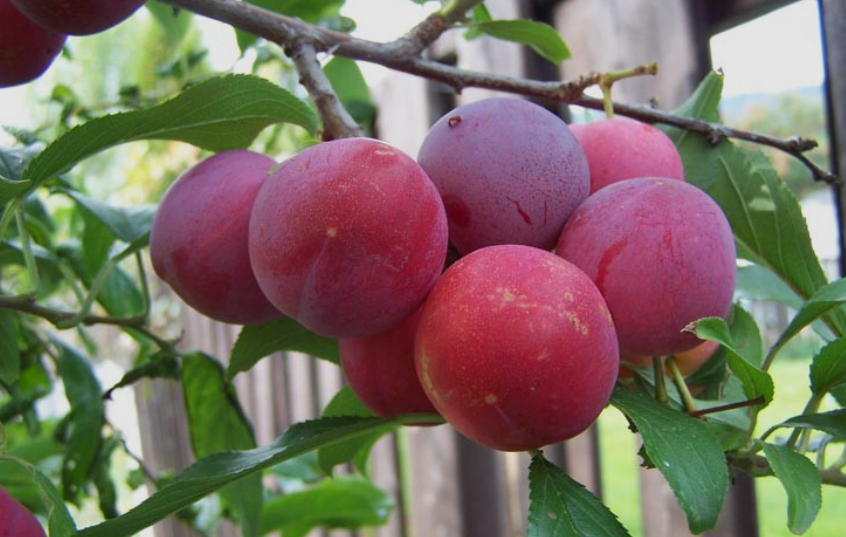
Toka is a hardy hybrid plum with a distinctive flavor. Its fruit is orange-red and very sweet, with a spicy, almost bubblegum taste. That flavor has earned it the nickname bubblegum plum. It ripens in late summer. The tree is vigorous and productive.
It was developed in South Dakota in the early 1900s by crossing American and Asian plums. It is hardy to about zone 3. It is also an excellent pollinator for other hybrid plums. Its fruit is good for fresh eating and preserves. It is grown across the Upper Midwest, the northern Plains and Canada.
Also Read: Fruits that Look Like Pears
12. Manchurian Apricot
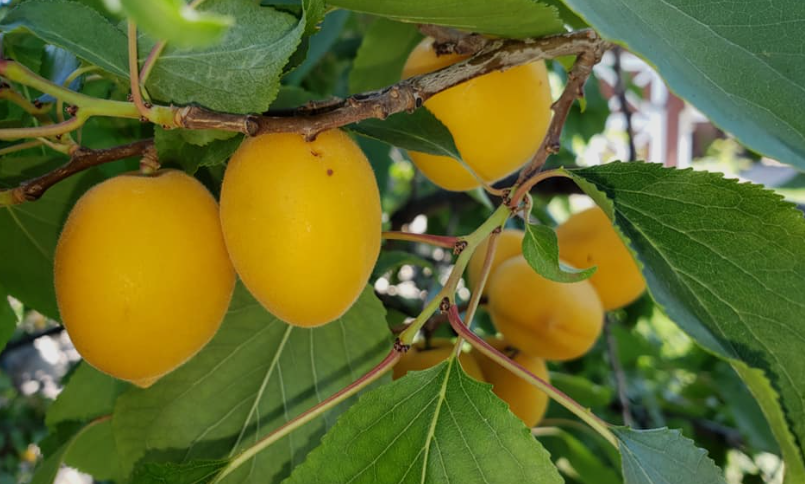
Manchurian apricot is a very hardy apricot from northeast Asia. Its fruit is small to medium and orange-yellow. The flavor is sweet-tart and good for fresh eating and preserves. The tree bears showy pink and white flowers in early spring. It grows 15 to 20 feet tall.
It survives winters as cold as zone 3. Hardy varieties such as Westcot and Scout were bred from it in Manitoba. Like most apricots, it blooms very early, so late frosts can damage flowers. Planting on a north slope can delay bloom. It is native to northeastern China and eastern Russia and is grown in the northern Plains and Canada.
13. Reliance Peach
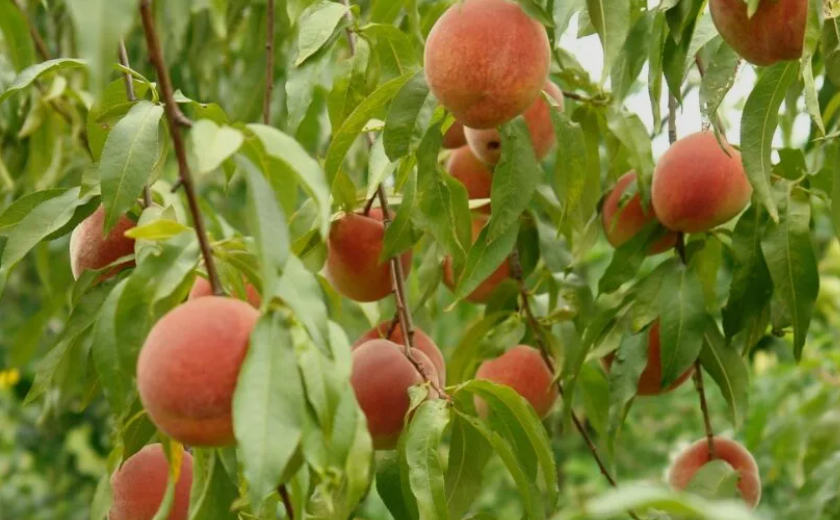
Reliance is generally regarded as the most cold-hardy named peach variety. Its fruit is medium-sized, yellow-fleshed and freestone. The flavor is sweet and juicy, though softer than many commercial peaches. It ripens in midsummer. The tree is productive and self-fruitful.
Many nurseries rate it for zone 4, while others list it for zone 5. Its flower buds can begin to suffer damage at temperatures between -13°F and -18°F. Peach trees produce more flower buds than they need, so some losses do not ruin the crop. It was developed in New Hampshire. It is grown in the Northeast, the Midwest and other cold peach-growing areas.
14. Contender Peach
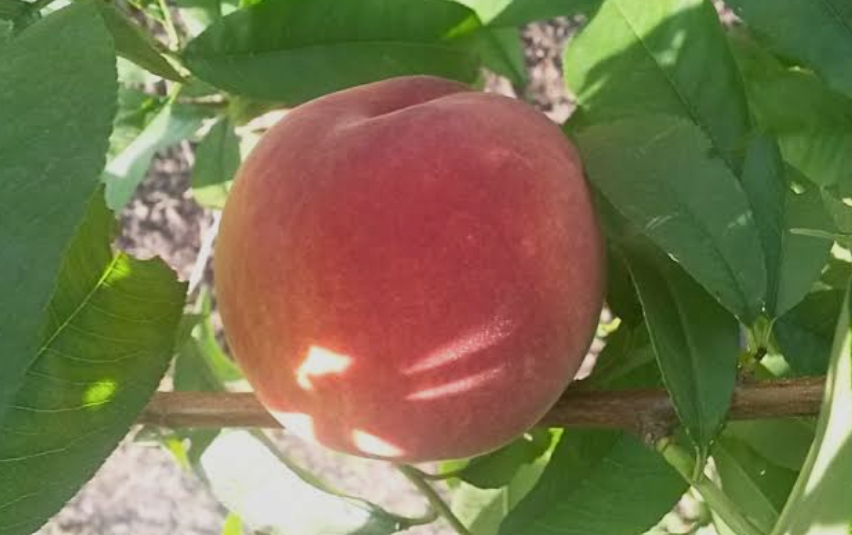
Contender is a cold-hardy peach with excellent flavor. Its fruit is large, yellow-fleshed and freestone. The peaches are sweet, juicy and good for fresh eating and canning. It ripens in late summer. The tree is productive and self-fruitful.
It was developed in North Carolina and is valued for its very hardy fruit buds. It has a high chilling requirement, so it blooms later than many peaches. That later bloom helps it avoid spring frosts. It is hardy to about zone 4 or 5. It is grown in the Midwest, the Northeast and the Mid-Atlantic.
15. American Persimmon
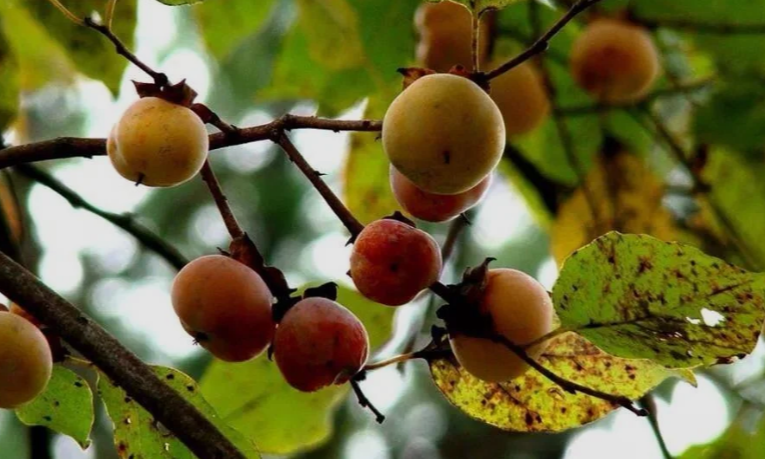
American persimmon is a native fruit tree with sweet, rich fruit. Its fruit is small, round and orange. It is very astringent until fully ripe and soft. Ripe persimmons are honey-sweet and used for puddings and breads. The tree grows 30 to 60 feet tall.
Hardy selections such as Meader survive winters in zone 4 or 5. Its fruit often ripens after the first frosts. Its bark breaks into small, square blocks. Wildlife such as deer, raccoons and opossums eat its fruit. It is native across the eastern and central United States, from Connecticut to Florida and west to Kansas and Texas.
16. Pawpaw
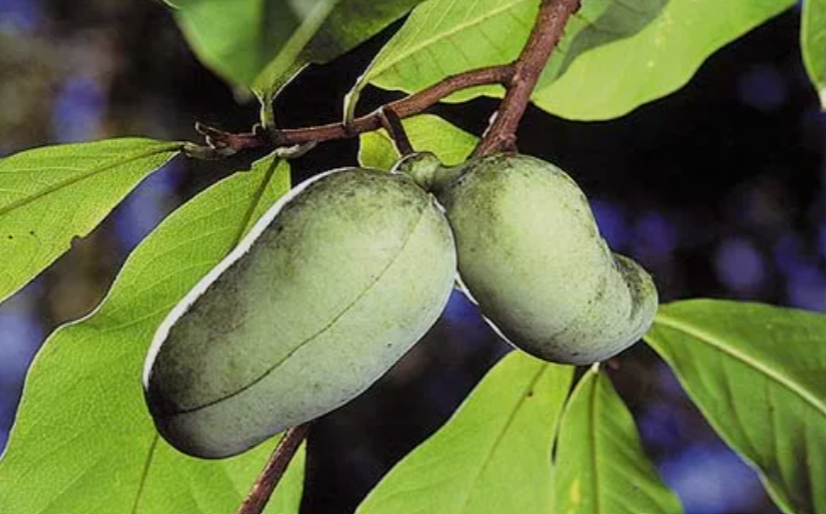
Pawpaw produces the largest edible fruit native to North America. Its fruit is green, oblong and up to 6 inches long. The soft, custard-like flesh tastes like a blend of banana, mango and melon. It ripens in late summer and early fall. The tree grows 15 to 30 feet tall.
It is hardy to about zone 5. It grows naturally in the shade of larger trees along streams. Young trees need some shade, while mature trees fruit best in sun. It needs two different trees for good pollination. It is native across much of the eastern United States, from New York and Michigan south to Florida and Texas.
Also Read: Fruits that Look Like Tomatoes
17. Illinois Everbearing Mulberry
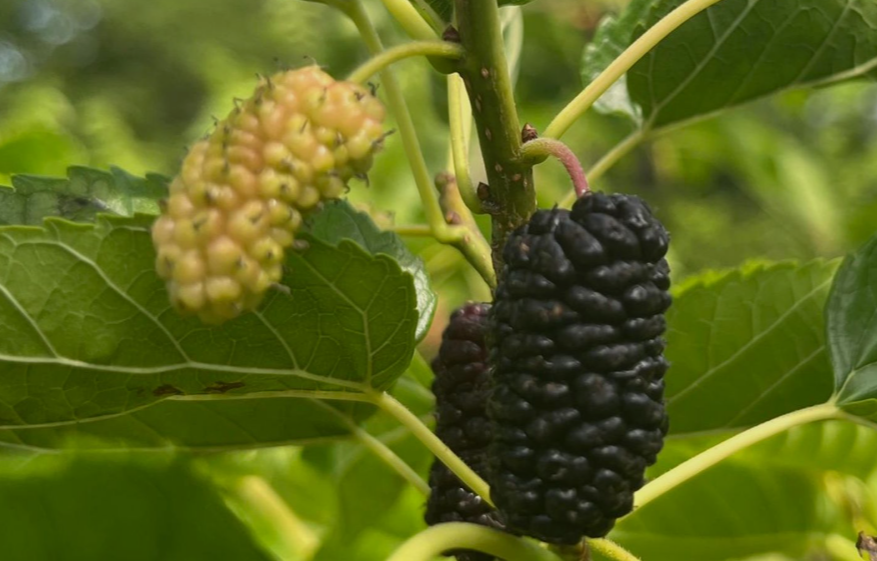
Illinois Everbearing is a hardy mulberry with a long harvest season. Its fruit is dark purple to black and very sweet. The berries ripen over several weeks in summer. They are excellent for fresh eating, pies and jams. The tree grows 20 to 30 feet tall.
It is hardy to about zone 5, and some growers report success in zone 4. It is a hybrid of native red mulberry and white mulberry. It is self-fruitful and bears young. Birds love its fruit, so it can draw them away from other crops. It is grown across the Midwest, the Northeast and much of the United States.
18. Saskatoon Serviceberry
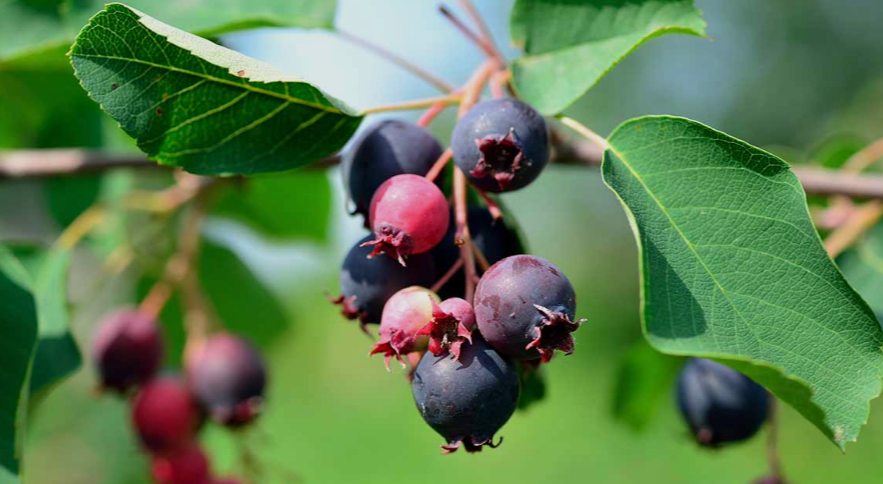
Saskatoon is a hardy native fruit tree of the northern prairies. Its fruit is small, round and purple-blue. The berries taste sweet and nutty, similar to blueberries with a hint of almond. In spring, it bears clouds of white flowers. It grows as a shrub or small tree 6 to 15 feet tall.
It survives winters in zone 2. The city of Saskatoon is named after it. Its berries are used in pies, jams and pemmican. Birds and wildlife eat its fruit. It is native across western Canada and the northern United States, from Alaska to Minnesota.
19. Chokecherry
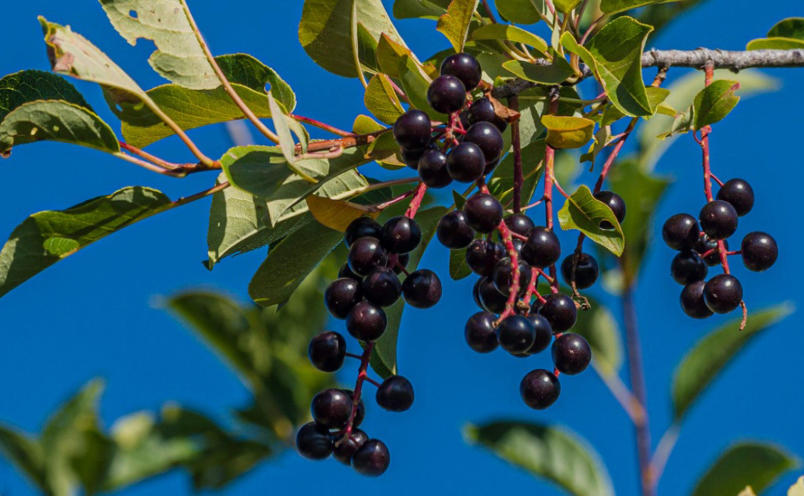
Chokecherry is a tough native tree with tart, dark fruit. Its fruit hangs in long clusters. The berries are red at first and ripen to dark purple or black. They are very astringent fresh but make excellent jelly, syrup and wine. The tree grows 20 to 30 feet tall.
It survives winters in zone 2. It is the state fruit of North Dakota. Native peoples used it in pemmican and traditional medicines. Its seeds and leaves are toxic, so only the fruit flesh should be used. It is native across most of Canada and the United States.
20. Cornelian Cherry
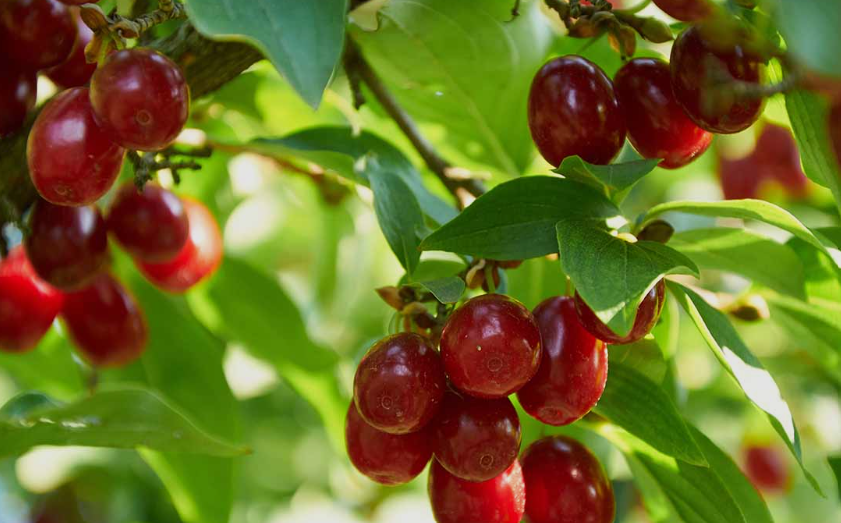
Cornelian cherry is a dogwood tree with bright red, edible fruit. Its oval fruits look like small cherries. They are tart and used for jams, syrups and juice. In late winter, the tree is covered in tiny yellow flowers. It grows 15 to 25 feet tall.
It is hardy to about zone 4. It blooms before almost any other tree in spring. Its fruit ripens in late summer and drops when fully ripe. It has been grown for food in Europe for thousands of years. It is native to southern Europe and western Asia and is grown in the northern and central United States.
21. Quince
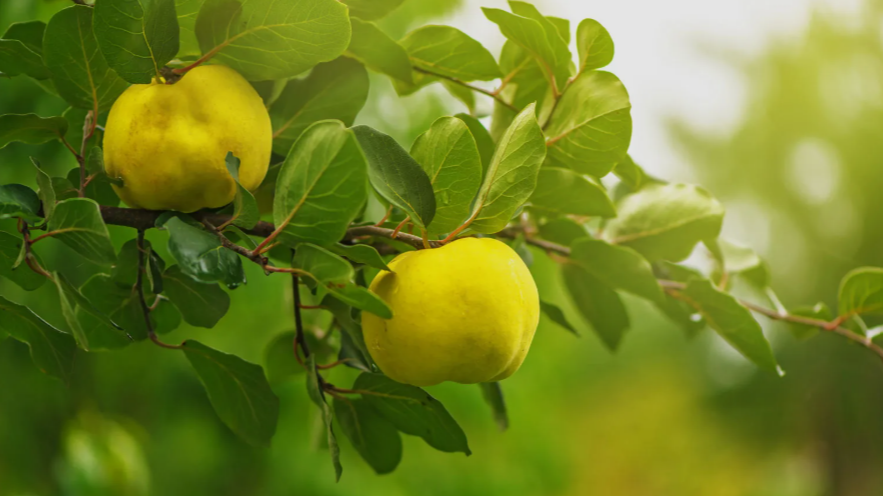
Quince is an old-fashioned fruit tree with fragrant, golden fruit. Its large, pear-shaped fruits are hard and astringent when raw. Cooking turns the flesh pink and sweet. They are used for jellies, preserves and baking. The tree grows 10 to 20 feet tall.
It is hardy to about zone 5. Its large pink and white flowers bloom in late spring. Its late bloom helps it avoid frost damage. It is self-fruitful and long-lived. It is native to western Asia and is grown in gardens across the United States.
22. Medlar
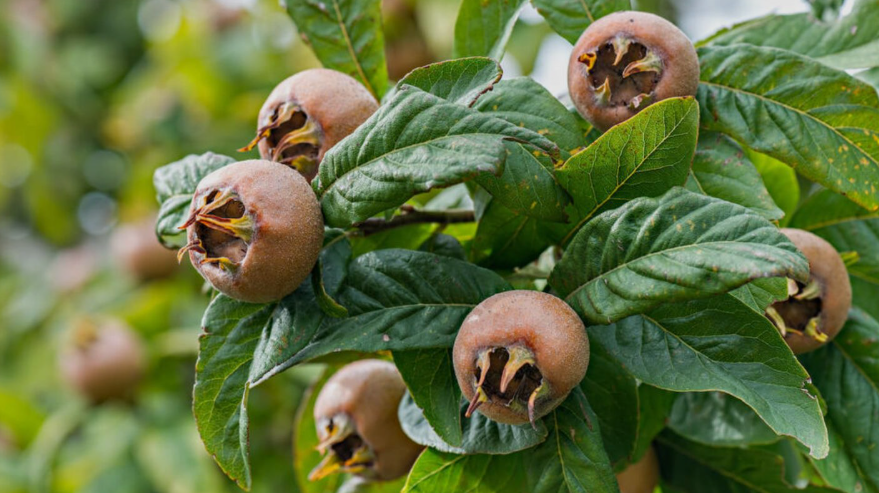
Medlar is an unusual fruit tree with brown, apple-like fruit. Its fruit is hard and astringent at harvest. After being stored until soft, a process called bletting, it becomes sweet and spicy. The flavor is often compared to applesauce with cinnamon. The tree grows 10 to 20 feet tall.
It is hardy to about zone 5. Its large white flowers bloom in late spring. It is self-fruitful and needs little care. It was a popular fruit in medieval Europe. It is native to southwestern Asia and southeastern Europe and is grown in gardens across the United States.
23. Sea Buckthorn
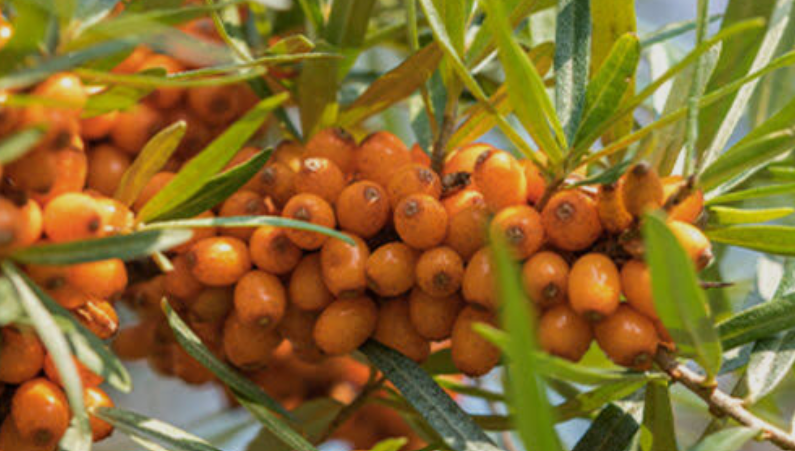
Sea buckthorn is a hardy shrub or small tree with bright orange berries. Its small berries grow in dense clusters along the branches. They are very tart and rich in vitamin C. They are used for juice, jams and sauces. The plant grows 6 to 20 feet tall.
It survives winters in zone 3. It tolerates drought, salt and poor soil. Male and female plants are needed for fruit. Its silvery leaves make it attractive in the landscape. It is native to Europe and Asia, including Siberia and the Himalayas, and is grown in the northern Plains and Canada.
24. Chicago Hardy Fig
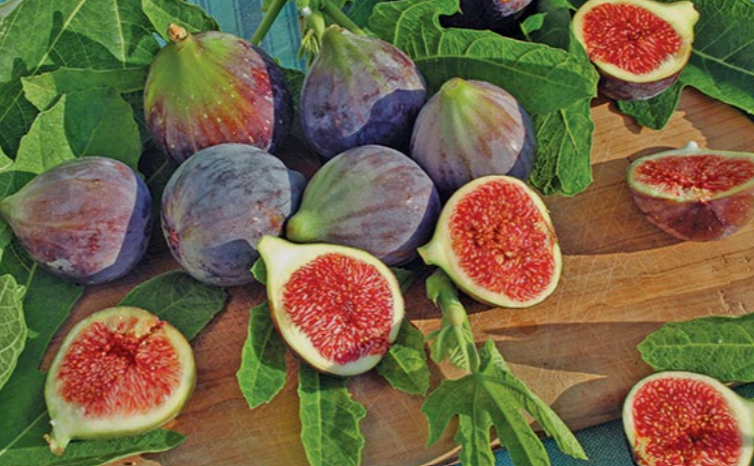
Chicago Hardy is one of the most cold-tolerant fig varieties. Its fruit is mahogany to purple with sweet, rich flesh. It ripens in late summer and fall. It bears fruit on the current season’s growth. The plant grows 10 to 15 feet tall in mild climates.
It performs best in zones 6 to 10 but can grow in zone 5 with protection. In cold winters, its top may die back, but the roots survive and send up new shoots. Because it fruits on new wood, it can still bear after dying back. Mulching the roots helps it survive. It originated in Chicago and is grown across the Midwest, Northeast and Mid-Atlantic.
25. Jujube
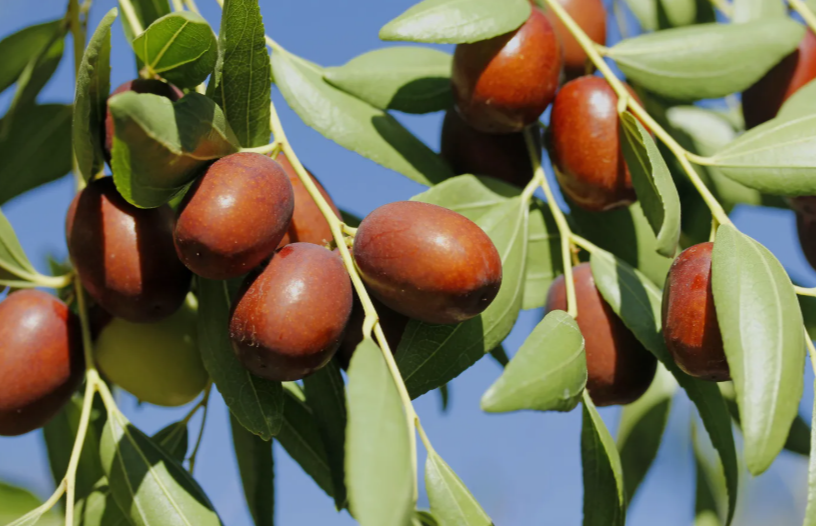
Jujube is a tough fruit tree that handles both heat and cold. Its fruit is small and oval, turning from green to reddish-brown. Fresh jujubes are crisp and taste like apples. Dried ones are sweet and chewy like dates. The tree grows 15 to 30 feet tall.
It is hardy to about zone 5 or 6. It leafs out late in spring, which helps it avoid frost damage. It tolerates drought and poor soil. It has been grown in China for thousands of years. It is native to China and is grown across the southern and central United States.
Also Read: Cherry Trees that Produce Fruits
Frequently Asked Questions
What is the most cold-hardy fruit tree?
Some of the hardiest fruit trees are Saskatoon serviceberry, chokecherry, Dolgo crabapple, Ussurian pear and Carmine Jewel cherry, all of which survive winters in zone 2. These trees can handle average winter lows of -40°F to -50°F. They are grown successfully across the Canadian prairies, Alaska and the northern United States.
Can fruit trees survive below-zero temperatures?
Yes, many fruit trees survive temperatures well below 0°F, especially hardy apples, pears, plums, sour cherries and native fruits. However, a tree surviving the winter does not always mean it will bear fruit, since flower buds are often less hardy than the wood. Peach buds, for example, can begin to suffer damage between -13°F and -18°F even on the hardiest varieties.
What fruit trees grow best in zone 3?
Good choices for zone 3 include Haralson apple, Honeycrisp apple, Summercrisp and Ure pears, Evans cherry, Toka plum, American plum and Manchurian apricot. Native fruits such as Saskatoon serviceberry and chokecherry also thrive there. Choosing varieties bred in the Upper Midwest or Canadian prairies gives the best results.
Why do late spring frosts damage fruit trees?
Once fruit trees begin to bloom, their open flowers and tiny developing fruits can be killed by temperatures just below freezing. A single frosty night in spring can wipe out an entire crop even if the tree survived a much colder winter. Early bloomers such as apricots and plums are especially vulnerable.
How can I protect fruit trees from freezing temperatures?
Plant trees on a gentle slope where cold air can drain away, and avoid low spots where frost settles. Mulching the root zone, wrapping young trunks to prevent sunscald and choosing late-blooming varieties all help. During spring frosts, covering small trees overnight with frost cloth can protect blossoms.
Do cold-hardy fruit trees need a pollinator?
It depends on the type. Most apples, pears, sweet cherries, hybrid plums and pawpaws need a second compatible variety nearby to produce fruit. Sour cherries such as Evans, Carmine Jewel and North Star, along with Reliance peach, quince and medlar, are self-fruitful and will bear on their own.
Sources
University of Minnesota, “UMN Cold-Hardy Breeding Program”
Iowa State University, “Fruit Crop Cold Hardiness Zones: The Dream and the Reality”
University of Nebraska-Lincoln, “Fruit Tree Cultivars for Nebraska”