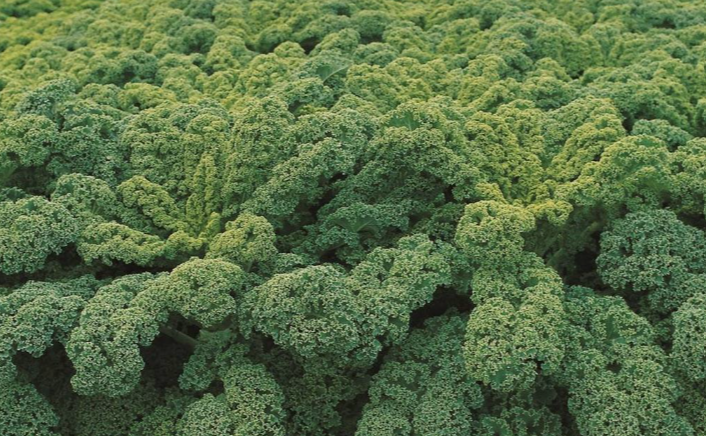
Winterbor Kale: A Frost-Sweetened, Cold-Hardy Kale for Winter Harvests
Winterbor kale is a dark green, finely curled kale that has earned a reputation as one of the most cold-tolerant varieties for winter harvests. Its sturdy, upright plants and dense, crinkled leaves hold up through hard frosts, and the flavor often becomes sweeter after cold weather. It is a dependable choice for gardeners who want fresh greens when most other crops have stopped producing.
Winterbor belongs to the curly-leaved kales, a group valued for hardiness and productivity. It is widely sold as an open-pollinated variety, which means gardeners can save seed from plants that grow true to type. Its popularity with home growers and market farmers alike has kept it in seed catalogs for decades.
This guide covers where Winterbor came from, what distinguishes it, how to grow it through the seasons, and how to harvest and use it well.
Origin
Winterbor is a curly kale developed in the United States, and it is generally described as a Dutch-origin type that was selected and sold through American seed companies for its winter hardiness. Kale as a crop traces back to wild cabbage-like plants of Europe and western Asia, which were cultivated for their leaves for thousands of years. Curly-leaved forms became popular in Northern Europe and North America because they tolerated cold and produced reliable harvests in short growing seasons.
The name “Winterbor” reflects the variety’s main strength: its ability to stand through winter and continue producing when many other greens have failed. Over time, it became one of the standard winter kales in home gardens and farm plantings across temperate regions.
What Makes It Distinct
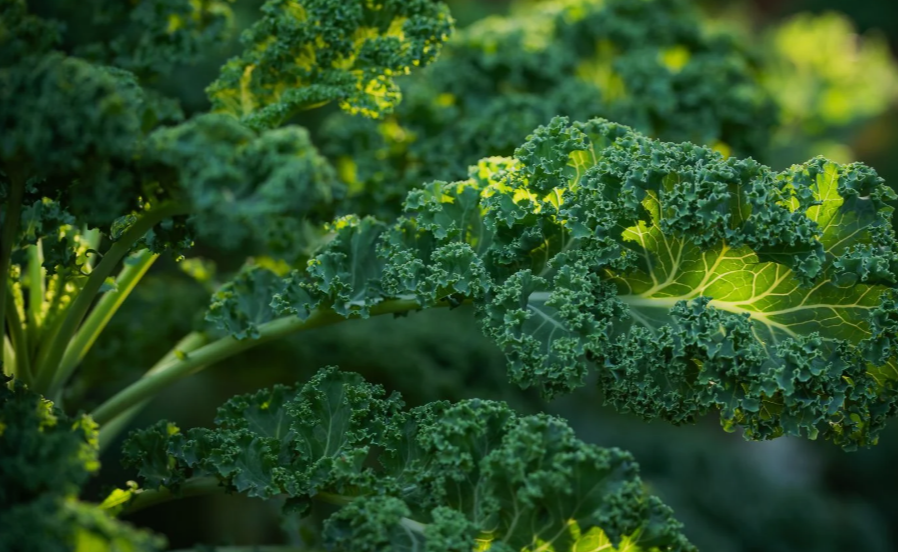
Winterbor grows as a tall, sturdy plant, often reaching two to three feet in height, with a central stalk and a crown of dense, finely curled leaves. The leaves are a deep blue-green to dark green, with a crinkled texture that gives the plant a full, almost ruffled appearance. Compared with the compact dwarf types, Winterbor is more upright and vigorous, and it produces a large amount of leafy growth over a long season.
Its leaves are noticeably frilled and somewhat thicker than those of many standard kales. This texture helps them stay firm in cold weather and makes them good for both fresh use and cooking. The plant also tends to have a strong central stem that supports a heavy crop of leaves, which helps it stand upright through wind and snow.
Growing Conditions
Winterbor is a cool-season crop that grows best in mild temperatures, roughly 45 to 75°F. It is often planted in midsummer for a fall and winter harvest, since the plants mature in cold weather and actually improve in flavor after frost. In regions with long, hot summers, it can be started in early spring for an early harvest, though it may become bitter if heat arrives before the leaves are picked.
It prefers full sun and fertile, well-drained soil rich in organic matter. Like other kales, it is a heavy feeder, so work compost into the bed before planting and side-dress with a nitrogen-rich fertilizer during the growing season. Transplants set out four to six weeks old usually establish better than direct-seeded plants, and spacing of 18 to 24 inches allows the large plants room to develop.
Care Through the Season
Keep the soil evenly moist, especially during establishment, and water at the base of the plant rather than over the leaves. Deep, infrequent watering encourages strong roots, and mulching helps conserve moisture and moderate soil temperature. Consistent water also reduces the risk of tip burn and tough, fibrous leaves.
Winterbor is generally resistant to cold but not to pests. Watch for cabbage worms, aphids, and flea beetles, and use row covers early in the season to keep butterflies from laying eggs on the leaves. Remove yellowing or damaged lower leaves to improve airflow and reduce disease, and check the undersides of leaves regularly for pests.
Harvesting
Begin harvesting when the outer leaves are large enough to eat, usually 60 to 75 days after transplanting. Pick the lower and outer leaves first, cutting them at the base of the stem, and leave the newer central growth to keep producing. Regular harvesting encourages the plant to continue growing well into winter.
Harvest in the morning when the leaves are crisp, and avoid removing more than a third of the plant at once. Wash the leaves thoroughly in cool water to remove grit and insects, then dry them and store them chilled. Winterbor can often be harvested through light snow, and its flavor is typically at its best after several hard frosts.
Culinary Applications
Young Winterbor leaves are tender enough for salads, especially when massaged with oil and salt to soften the texture. Mature leaves are sturdy and hold their shape well in sautéing, braising, soups, and stews. The thick, crinkled leaves also work well in pasta, grain bowls, and egg dishes, and they keep their structure better than thinner greens when cooked.
Frost sweetens the leaves, so many cooks prefer the winter harvest for braising and roasting. Remove the tough central rib before cooking mature leaves, and cook them briefly to keep their color and texture. Leftover kale keeps for about a week in a sealed bag in the refrigerator and freezes well after blanching.
Also Read: Different Types of Kale Varieties
Winterbor Kale Seeds
Winterbor kale seeds are offered by many vegetable seed companies, and they are typically sold as open-pollinated seed, which allows seed saving. Look for seed packets that state the variety name and a recent packing date, since kale seed remains viable for several years when stored cool and dry. Seeds can be sown directly in the garden in midsummer for a fall crop or started indoors three to four weeks before transplanting.
Kale cross-pollinates with other brassicas, including broccoli, cabbage, and collards, so isolate plants if you plan to save seed. Seed-saving plants often need to overwinter and then flower the following spring, so this is best attempted by gardeners with enough space and patience.
Frequently Asked Questions
How tall does Winterbor kale grow?
It often reaches two to three feet tall, making it taller and more upright than dwarf kale varieties.
Is Winterbor kale cold hardy?
Yes. It tolerates hard frosts and can continue producing through winter in many climates.
When should I plant Winterbor kale?
For a fall and winter harvest, sow seeds or set transplants in midsummer. In milder climates, it can also be planted in early spring.
Why does kale taste better after frost?
Cold temperatures convert some of the plant’s starches into sugars, which softens bitterness and gives the leaves a sweeter flavor.
Can I grow Winterbor in containers?
Yes, but use a large container, at least 18 inches deep and wide, since the plants grow tall and need room for their roots.
How do I store harvested leaves?
Keep them in a sealed bag in the refrigerator for up to a week, or blanch and freeze them for longer storage.