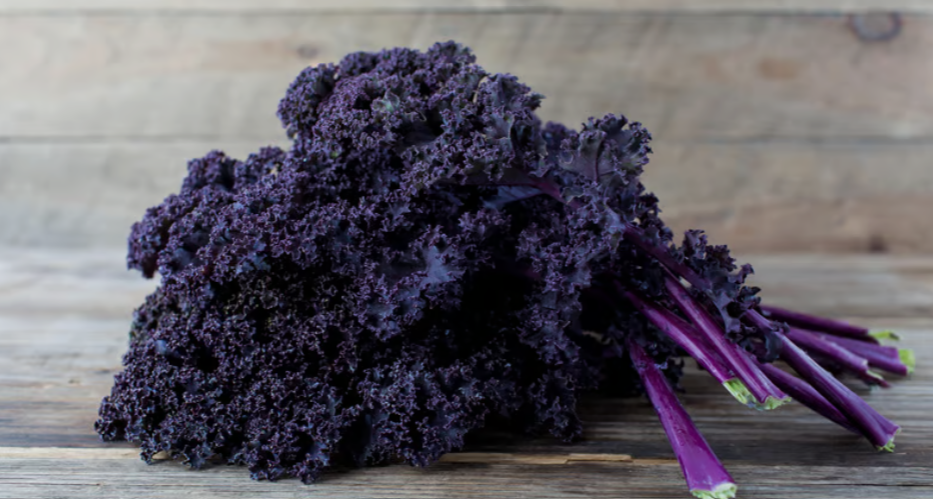
Redbor Kale: A Deep Purple, Cold-Hardy Kale for Colorful Winter Gardens
Redbor kale is a striking ornamental and edible kale with deep purple-red, finely curled leaves that become richer in color as temperatures drop. Its dramatic foliage makes it one of the most attractive greens for gardens, and its cold tolerance allows it to keep producing when many other crops have stopped. It is equally at home in a vegetable bed, a flower border, or a container on a cold patio.
Redbor is a curly-leaved kale bred in the United States and introduced as a variety with intense red-purple coloring and good winter hardiness. It is sold as an open-pollinated type, so gardeners can save seed from plants that grow true to form. Its combination of beauty and usefulness has made it a favorite among home gardeners and market growers.
This guide covers where Redbor came from, what sets it apart, how to grow it through the seasons, and how to harvest and use it well.
Origin
Redbor was developed in the United States from breeding work aimed at combining the cold tolerance of curly kales with a deep red-purple color. Kale as a crop traces back to wild cabbage-like plants of Europe and western Asia, which were cultivated for their leaves thousands of years ago. Over centuries, curly-leaved forms spread through Northern Europe and North America, where their hardiness made them reliable winter greens.
Redbor’s color drew attention from gardeners who wanted edible plants that also worked as ornamentals. Its success in seed catalogs helped establish colored kales as a popular category, and it remains one of the best-known red kales for both garden and kitchen use.
What Makes It Distinct
Redbor grows as a moderately tall, upright plant, typically reaching about 12 to 24 inches in height with a similar spread, depending on conditions and harvesting. Its leaves are deeply curled and ruffled, with a color that ranges from deep purple to red-tinged green. The intensity of the color increases in cool weather, so the plant often looks most striking in fall and winter.
The leaves are thick and crinkled, giving the plant a textured appearance that stands out in mixed plantings. Compared with green kales, Redbor’s foliage is more decorative, and its color contrasts well with silver, green, and yellow companion plants. Its growth is more compact than tall curly kales, which makes it easier to fit into borders and containers.
Growing Conditions
Redbor is a cool-season crop that grows best in temperatures between about 45 and 75°F. It is usually planted in late summer for a fall and winter harvest, or in early spring for a spring crop, since the plants become more colorful and flavorful after exposure to cold. Hot summer temperatures can cause the leaves to turn tough or bitter, and the plant may bolt if heat is prolonged.
Redbor prefers full sun, though it tolerates light afternoon shade in hot climates. The soil should be fertile, well drained, and rich in organic matter. Like other kales, it benefits from compost worked into the bed before planting and a nitrogen-rich side dressing during the season. Space the plants 12 to 18 inches apart to allow good airflow and room for each plant to develop its full form.
Care Through the Season
Keep the soil evenly moist and water at the base of the plant rather than over the leaves. Deep, regular watering supports strong roots and healthy leaf development, and a layer of mulch helps retain moisture and keep soil temperature steady. Irregular watering can cause tough leaves and tip burn.
Redbor is generally cold tolerant but is still susceptible to common brassica pests, including cabbage worms, aphids, and flea beetles. Row covers can prevent butterflies from laying eggs on the leaves, and hand-picking caterpillars works well in small gardens. Remove yellowing or damaged lower leaves to improve airflow and reduce the risk of disease.
Harvesting
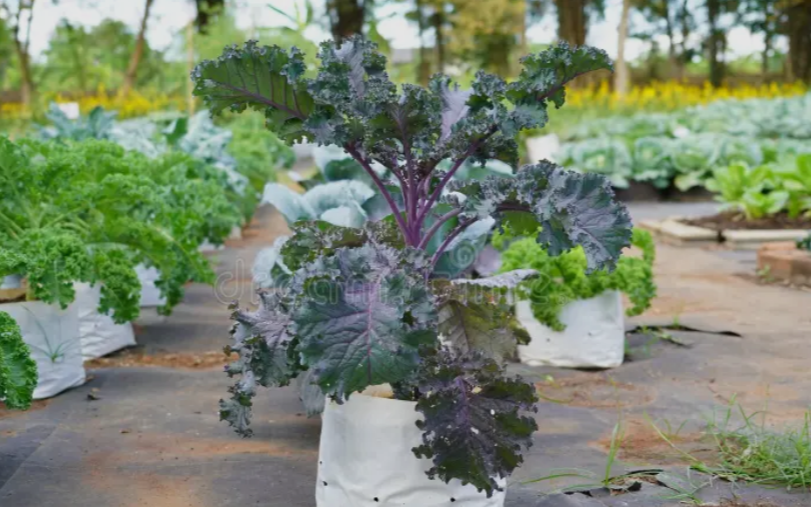
Begin harvesting when the outer leaves are large enough to eat, usually 55 to 70 days after planting. Pick the outer leaves first and cut them at the base, leaving the central growth intact so the plant keeps producing. Regular harvesting encourages new leaves and extends the season into fall and winter.
Harvest in the morning, when the leaves are crisp and full of moisture. Avoid removing more than about a third of the plant at once, since heavy harvesting slows regrowth. Rinse the leaves in cool water, shake off the excess, and store them chilled.
Culinary Applications
Young Redbor leaves are tender enough for salads, especially when massaged with oil and salt to soften their texture. The color can brighten a mixed green salad, and the leaves pair well with citrus, nuts, and sharp cheeses. Mature leaves are sturdy enough for sautéing, braising, soups, and stews, and they hold their shape well when cooked.
Redbor’s color can fade or turn grayish-green during cooking, but its flavor remains rich and slightly earthy. Remove the tough central rib before cooking mature leaves, and cook them briefly to keep their texture. Frost often sweetens the leaves, so many cooks prefer the winter harvest for braising and roasting. Leftovers keep for about a week in a sealed bag in the refrigerator, and blanched leaves freeze well.
Redbor Kale Seeds
Redbor kale seeds are offered by many vegetable and flower seed companies, and they are typically sold as open-pollinated seed. Look for packets that state the variety name and a recent packing date, since kale seed remains viable for several years when stored cool and dry. Seeds can be sown directly in the garden in late summer for a fall crop or started indoors three to four weeks before transplanting.
Kale cross-pollinates with other brassicas, so isolate plants if you plan to save seed. Seed-saving plants usually need to overwinter and then flower the following spring, which makes this a longer project best suited to gardeners with space and patience.
Frequently Asked Questions
How tall does Redbor kale grow?
It typically reaches about 12 to 24 inches tall, depending on growing conditions and how often it is harvested.
Is Redbor kale cold hardy?
Yes. It tolerates light to moderate frost, and its color often deepens in cool weather.
Can I eat Redbor kale?
Yes. The leaves are edible and work well in salads, soups, sautés, and braises.
Does the color stay red when cooked?
Not always. The leaves can turn grayish-green or darker when cooked, though the flavor remains good.
Can I grow Redbor kale in containers?
Yes. A container at least 12 inches deep and wide will support one plant, and it looks attractive on a patio or balcony.
Why is my Redbor kale turning green?
Warm weather can reduce the intensity of the red and purple color. Cooler temperatures and full sun usually bring the color back.