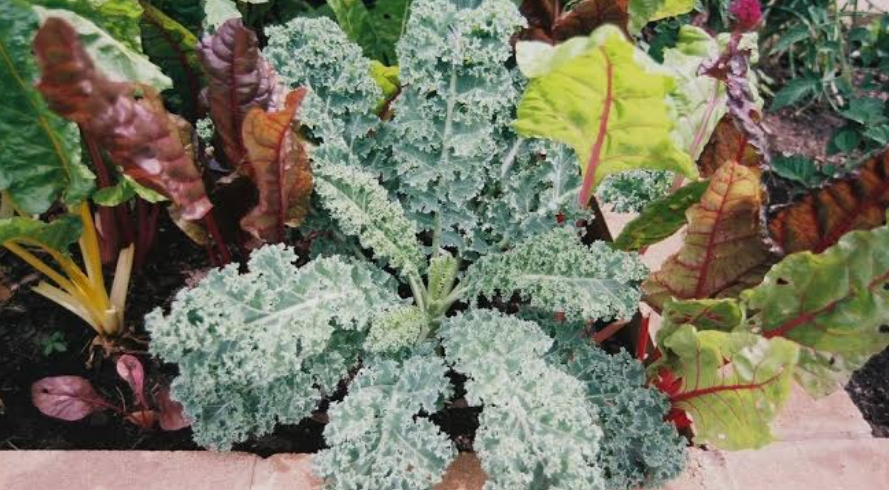
Blue Scotch Curled is a traditional curly kale known for its heavily frilled, blue-green leaves and its strong tolerance of hard frost. It belongs to the older Scotch curled group, a family of kales that was grown across Northern Europe and later carried to North America, where it became a staple of the winter garden. Gardeners who want a classic, heritage-style kale for cold-season harvests still value it today.
Interest in this variety comes from both its history and its performance. Its dense, textured leaves give it a distinctive look in the garden, while its cold hardiness makes it a dependable choice for late-season and winter harvests. Seed savers also keep it in heritage collections because it represents an older style of curly kale that predates many modern hybrids.
This guide covers where Blue Scotch Curled came from, what sets it apart, how to grow it, how long it takes to harvest, and how to use the leaves in the kitchen.
Origin and Development
The Scotch curled kales descend from curly-leaved forms that developed in Northern Europe, where short, cold growing seasons favored plants that could produce leafy growth in cool weather. Over time, these types were selected for deep curling, winter hardiness, and reliable yields. Scotch curled kales were carried to North America by settlers and seed traders, and they became common in farm and home gardens. Blue Scotch Curled is one of the best-known forms in this group, though the exact date and place of its first selection are not well recorded.
The “blue” in its name refers to the leaf color, which is a grayish or blue-green tone rather than the bright green of many kales. This color is partly a natural trait of the variety and partly influenced by cold weather, which tends to deepen and cool the tones of curly kales. In the nineteenth and early twentieth centuries, curly kales of this type were widely sold by American seed companies, and Blue Scotch Curled was among the varieties offered to growers. Its survival in modern seed catalogs reflects its long record of dependable performance.
What Makes It Distinct
Blue Scotch Curled grows as a medium-sized plant, typically reaching about 18 to 24 inches tall with a similar spread. Its leaves are heavily curled and frilled, with a blue-green color that looks lighter and more silvery than standard green kale. The dense curl gives the plant a textured, almost sculptural appearance in the garden.
Compared with the dwarf curly types, Blue Scotch Curled is larger and more productive over a long season. Its leaves are sturdy and hold their shape when harvested, washed, and cooked. The plant’s cold tolerance is one of its strongest traits, and it can keep producing well into cold weather when many other greens have stopped.
Growing Conditions
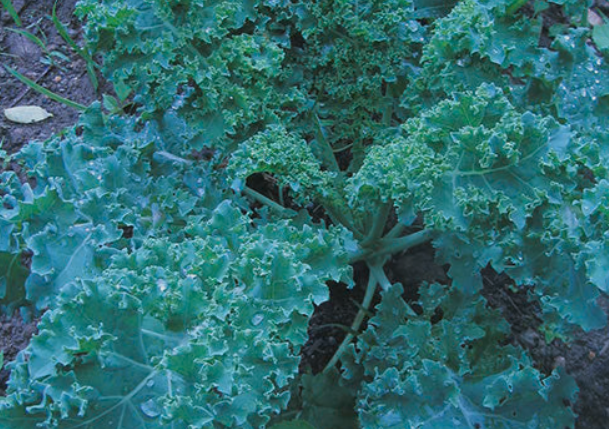
Blue Scotch Curled is a cool-season crop that grows best at temperatures between about 45 and 75°F. It is usually planted in midsummer for a fall and winter harvest, or in early spring in cooler regions. In hot weather the leaves can turn bitter and tough, and the plant may bolt, or send up flower stalks, when heat lasts for long periods.
It prefers full sun, though it tolerates light afternoon shade in hot climates. The soil should be fertile, well drained, and rich in organic matter. Kale is a heavy feeder, so work compost into the bed before planting and side-dress with a nitrogen-rich fertilizer once or twice during the season. Space plants about 18 inches apart to allow good airflow and room for the full curl to develop.
Planting and Care
Sow seeds about a quarter inch deep, or set out transplants when they are four to six weeks old. Transplants usually establish more reliably in the hot part of summer, which is why many growers start seeds indoors and move them out when the weather cools. Keep the soil evenly moist during establishment, and water at the base of the plant rather than over the leaves.
Mulch around the plants to conserve moisture and keep soil temperatures steady. Watch for cabbage worms, aphids, and flea beetles, the common pests of brassicas. Row covers can keep butterflies from laying eggs on the leaves, and hand-picking caterpillars works well on small plantings. Remove yellowing lower leaves as the plant matures to improve airflow and reduce disease.
Days to Harvest
Blue Scotch Curled is typically ready to begin harvesting about 60 to 70 days after transplanting, depending on the season and growing conditions. Baby leaves can be picked a little earlier, while full-size leaves are best once they reach roughly the size of a hand. Growing times run longer in cool weather, so late-summer plantings may take longer to produce a first harvest.
Harvest the outer leaves first and leave the central growth intact so the plant keeps producing. Pick in the morning, when the leaves are crisp, and avoid removing more than about a third of the plant at once. Frequent harvesting encourages new leaves and extends the season well into winter.
Culinary Uses
The leaves are tender enough for salads when young and sturdy enough for sautéing, braising, and soups once mature. Massaging the leaves with a little oil and salt softens their texture and makes them pleasant raw. Cooked briefly, the curls hold their shape well, which suits stir-fries, pasta, and egg dishes.
Cold weather often improves the flavor, since light frost converts some of the plant’s starches into sugars and softens bitterness. Remove the tough central rib before cooking mature leaves. Store harvested leaves in a sealed bag in the refrigerator, where they keep for about a week, and blanch and freeze them for longer storage.
Frequently Asked Questions
Where did Blue Scotch Curled kale come from?
It belongs to the Scotch curled group, which developed in Northern Europe and was later grown widely in North America. The exact origin of this specific selection is not well documented.
How long does it take to harvest?
Plants are typically ready to begin harvesting about 60 to 70 days after transplanting, depending on the season.
Is it cold hardy?
Yes. It tolerates hard frost and can continue producing into winter in many climates.
Why is it called “blue”?
The name refers to the grayish blue-green color of the leaves, which is often more pronounced in cool weather.
Can I grow it in containers?
Yes, but use a container at least 12 inches deep and wide, since the plant reaches about two feet and needs room for its roots.
Does it taste better after frost?
Often, yes. Cold temperatures convert some of the plant’s starches to sugars, which softens bitterness and gives a sweeter flavor.