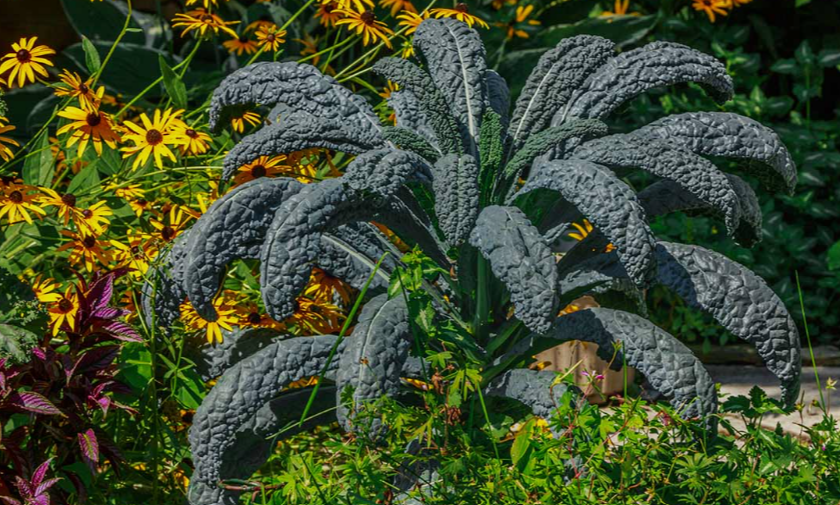
Lacinato kale, also called dinosaur kale or cavolo nero, is an Italian heirloom known for its long, narrow, deeply savoyed leaves that are dark blue-green with a bumpy texture. It has been grown in Tuscany for centuries, and it is now one of the most widely planted kales in home and market gardens. Its firm leaves hold their shape in cooking, which makes it a favorite in Italian and American kitchens.
Lacinato stands out among kales because its leaves look more like a reptile’s skin than the curled foliage of many other types. Its sturdy texture makes it useful for both fresh and cooked dishes, and its flavor is often described as nutty and mild. Gardeners also value it for its upright, productive habit, which yields steadily over a long season.
This guide covers where Lacinato came from, how it differs from other kales, how to grow it, how long it takes to harvest, how to choose seed, and how to use the leaves in the kitchen.
Origin and Development
Lacinato comes from Italy, particularly Tuscany, where it has been grown for centuries. It belongs to the broader family of cabbage-type greens that were cultivated in Mediterranean regions long before they spread north. Its Italian name, cavolo nero, means “black cabbage,” a reference to its dark leaves.
The variety reached American gardens and seed catalogs in the twentieth century, when interest in Italian vegetables grew. Many seed suppliers now list it under several names, including Lacinato, Dinosaur, and Tuscan kale, which can make it confusing to buy. The exact date it was first introduced to North America is not well recorded.
What Makes It Distinct
Lacinato plants grow tall and upright, typically reaching two to three feet, with a central stalk that carries long, narrow leaves. The leaves are dark blue-green and have a deeply textured, bubbled surface, which is why the plant is often called dinosaur kale. Unlike the curly types, the leaves are flat and smooth at the edges, with a pronounced bumpy surface.
Compared with curly kales, Lacinato has a firmer texture and a more concentrated flavor. Its leaves tend to be less frilly and more compact, which makes them easy to chop for soups and sautéed dishes. The plant also tolerates cold well and keeps producing through the autumn and into winter.
Also Read: Different Types of Kales to Grow
Growing Conditions
Lacinato is a cool-season crop that grows best at temperatures between about 45 and 75°F. It is usually planted in midsummer for a fall and winter harvest, or in early spring where springs are cool. In hot weather the leaves can become tough, and the plant may bolt if heat lasts for long periods.
It prefers full sun, though light afternoon shade helps in hot climates. Plant it in fertile, well-drained soil rich in organic matter, and work compost into the bed before planting. Kale is a heavy feeder, so side-dress with a nitrogen-rich fertilizer once or twice during the season. Space plants 18 to 24 inches apart, since Lacinato grows tall and needs room for its leaves to spread.
Planting and Care
Sow seeds about a quarter inch deep, or set out transplants when they are four to six weeks old. Keep the soil evenly moist, especially during establishment, and water at the base of the plant rather than over the leaves. Mulching helps conserve moisture and keeps the soil temperature steadier.
Watch for cabbage worms, aphids, and flea beetles, which commonly attack brassicas. Row covers can keep butterflies from laying eggs on the leaves, and hand-picking caterpillars works well in small plantings. Because the plant grows tall, staking may be helpful in windy sites. Remove yellowing lower leaves to improve airflow and reduce disease.
Days to Harvest
Lacinato is typically ready to begin harvesting about 60 to 70 days after transplanting, depending on the season and growing conditions. Baby leaves can be picked earlier, and full-size leaves are best once they reach roughly the length of a hand. Cool weather can extend the time to first harvest, so plan planting dates around the season you want.
Harvest the outer leaves first, cutting them at the base, and leave the central growth intact so the plant keeps producing. Pick in the morning when the leaves are crisp, and avoid removing more than about a third of the plant at once. Frequent harvesting extends the season well into winter, and plants often continue producing after light frosts.
Choosing Seed
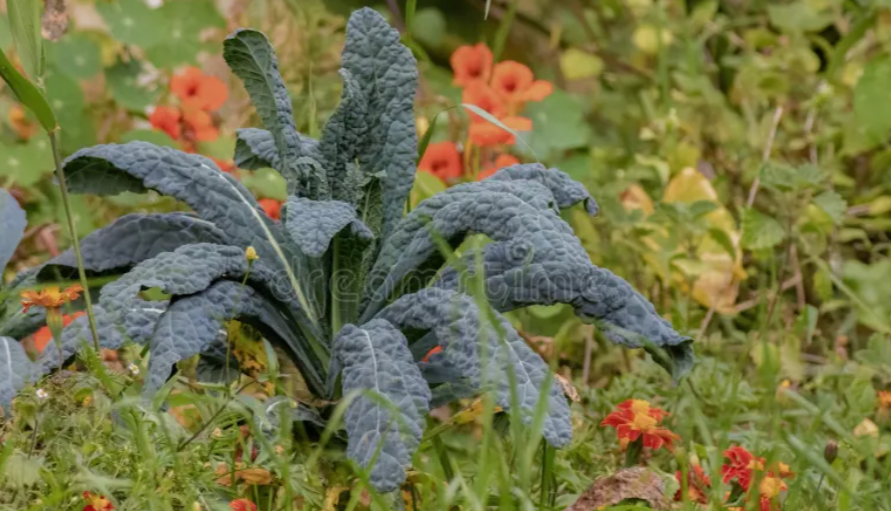
Lacinato seed is widely available from vegetable seed companies, and it is usually sold as open-pollinated, which means seed saved from healthy plants will grow true to type. Look for packets that state the variety name, the days to maturity, and a recent packing date, since kale seed remains viable for several years when stored cool and dry. Many suppliers list it under names such as Lacinato, Dinosaur, or Tuscan kale, so check the description to confirm you are buying the Lacinato type.
Avoid confusing Lacinato with mixed-color packets, such as Premier Blend, which contain several different kales. If you want a single, consistent variety for cooking, choose a packet that names Lacinato directly. Gardeners who plan to save seed should isolate plants from other brassicas, since kale cross-pollinates with cabbage, broccoli, and collards.
Culinary Uses
Young Lacinato leaves are tender enough for raw salads, especially when massaged with oil and salt to soften their texture. Mature leaves hold their shape in soups, braises, and stews, and they are a classic ingredient in Tuscan dishes such as ribollita. They also work well sautéed with garlic and olive oil, folded into pasta, or baked into gratins.
Frost often sweetens the leaves and softens any bitterness, so many cooks prefer the winter harvest for braising. Remove the tough central rib from mature leaves before cooking. Store harvested leaves in a sealed bag in the refrigerator, where they keep for about a week, and blanch and freeze them for longer storage.
Frequently Asked Questions
Where does Lacinato kale come from?
Lacinato comes from Italy, especially Tuscany, where it has been grown for centuries.
Why is it called dinosaur kale?
Its bumpy, deeply textured leaves are often compared to reptile skin, which gave rise to the common name.
How long does Lacinato take to harvest?
Plants are typically ready to begin harvesting about 60 to 70 days after transplanting.
Is Lacinato kale cold hardy?
Yes. It tolerates cold well and often keeps producing into autumn and winter.
Is Lacinato the same as Tuscan kale?
Yes, the two names usually refer to the same type, so check the seed description when buying.
Can I save seed from Lacinato plants?
Yes, because it is open-pollinated, but isolate plants from other brassicas to keep the variety true.