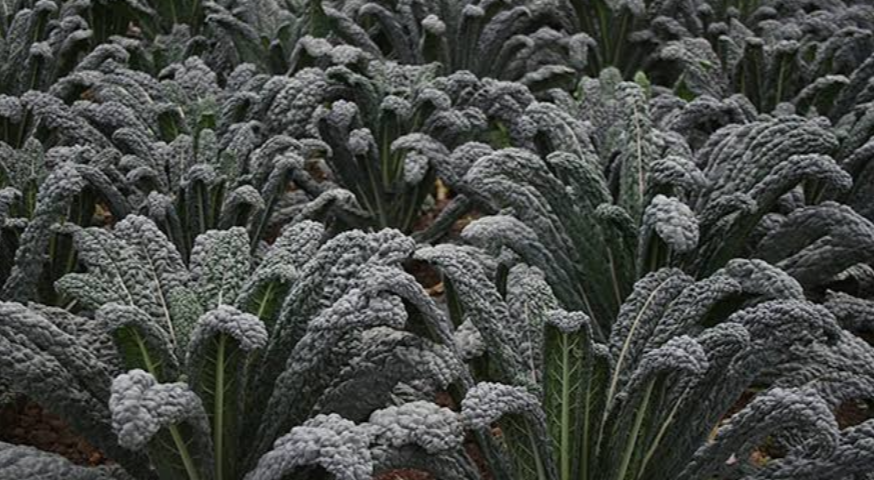
Black Magic kale is a Lacinato-type (dinosaur) kale with long, savoyed leaves that look nearly black from a distance. Seed suppliers describe it as a selection of Toscano kale, and its deep color and bumpy leaf texture make it a striking choice for both kitchen gardens and ornamental beds. It is grown mainly for fall and winter harvests, and one supplier describes it as cold-hardy and bolt resistant.
The plant belongs to the same broad group as Lacinato, the Italian kale also called dinosaur or Tuscan kale. Its leaves begin as a grayish green and mature to a rich, deep forest-green that appears almost black. Gardeners who want a dramatic edible for winter beds often choose it for that visual impact.
This guide covers where Black Magic came from, how to grow it, how long it takes to harvest, how to choose seed, and how to use the leaves in the kitchen.
Origin and Development
Black Magic is sold as a selection of Toscano kale, which belongs to the Tuscan kale group associated with Italy. Seed suppliers place it in the Lacinato family, which has been grown in Tuscany for centuries. Its exact breeder and place of development are not clearly documented, since one seed company describes it as a British-bred variety while others call it a Toscano selection. The year it was first selected or introduced is also not recorded in the sources reviewed.
What Makes It Distinct
Black Magic produces upright plants with long, narrow, deeply savoyed leaves in dark blue-green to forest-green tones. Seed suppliers describe the plants as tall and straight, with mature heights listed at about 24 inches by some sources and up to 36 inches by others. The leaves can grow up to two feet long, and their dark color deepens as they mature.
Compared with curly kales, Black Magic has a firmer texture and a mild, sweet, nutty flavor. One supplier describes its flavor as milder than classic Lacinato, which makes it approachable both raw and cooked. Its leaves hold their shape in long cooking.
Growing Conditions
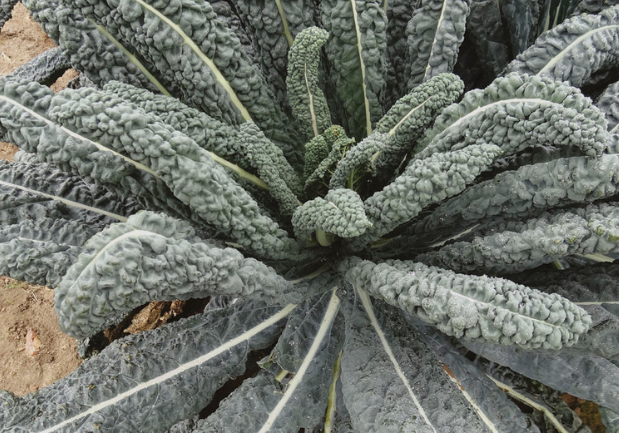
Black Magic is a cool-season crop that grows best at temperatures between about 45 and 75°F. It is usually planted in midsummer for a fall and winter harvest, or in early spring where springs are cool. Suppliers describe it as bolt resistant, but very hot weather can still toughen the leaves.
It prefers full sun and fertile, well-drained soil rich in organic matter. One supplier recommends a soil pH of about 6.0 to 7.5, and consistent moisture produces the best leaves. Kale is a heavy feeder, so side-dress with a nitrogen-rich fertilizer once or twice during the season. Space plants 12 to 18 inches apart, or 18 to 24 inches if you want larger plants with more room for their leaves.
Planting and Care
Sow seeds about a quarter inch deep, or set out transplants when they are four to six weeks old. One supplier notes that seeds germinate in 5 to 10 days when the soil is between about 55 and 75°F. Keep the soil evenly moist during establishment, and water at the base of the plant rather than over the leaves.
Watch for cabbage worms, aphids, and flea beetles, which are common brassica pests. Row covers can keep butterflies from laying eggs on the leaves, and hand-picking caterpillars works well in small plantings. Remove yellowing lower leaves to improve airflow and reduce disease.
Days to Harvest
Seed suppliers give a range of about 50 to 80 days to maturity, depending on whether the seed was direct-sown or transplanted and on the season. Common listings include about 60 days from transplant, 62 days from seeding, and 65 days from direct seeding. Baby leaves can be picked earlier, while full-size leaves are best when they are a hand’s length or larger.
Harvest the outer leaves first and leave the central growth intact so the plant keeps producing. Pick in the morning when the leaves are crisp, and avoid removing more than about a third of the plant at once. Frequent harvesting extends the season into winter.
Choosing Seed
Buy seed from a supplier that names the variety on the packet and lists days to maturity and a recent packing date. Seed is usually sold in packets of about 100 to 150 seeds. One supplier estimates about 9,450 seeds per ounce, and it lists a usual seed life of about four years when stored cool and dry.
Suppliers disagree on whether Black Magic is a hybrid or an open-pollinated variety, so check the packet’s hybrid status before saving seed. If you plan to save seed, isolate the plants from other brassicas. One supplier gives an isolation distance of about one mile for seed saving.
Culinary Uses
Young leaves are tender enough for raw salads, especially when massaged with oil and salt. Mature leaves are sturdy enough for soups, stews, braises, and kale chips, and they hold their color and texture when reheated. One supplier notes that the leaves are often blanched before use in soups and casseroles.
Frost tends to sweeten the leaves and soften any bitterness, so many cooks prefer the winter harvest. Remove the tough central rib from mature leaves before cooking. Store harvested leaves in a sealed bag in the refrigerator, where they keep for about a week, and blanch and freeze them for longer storage.
Frequently Asked Questions
Where was Black Magic kale developed?
Its breeder and place of development are not clearly documented. Seed suppliers describe it as a selection of Toscano kale, and one describes it as a British-bred variety.
How long does Black Magic kale take to harvest?
Suppliers give about 50 to 80 days to maturity, with common figures of about 60 to 65 days depending on whether it was transplanted or direct-sown.
Is Black Magic kale a hybrid?
Suppliers disagree, so check the specific seed packet before deciding whether to save seed.
Is Black Magic the same as Lacinato?
No. It is a Lacinato-type kale sold as its own variety, and suppliers describe it as a selection of Toscano kale.
How tall does it grow?
Listings give about 24 inches for some sources and up to 36 inches for others.
Is it cold hardy?
Suppliers describe it as cold-hardy and bolt resistant, though it still needs cool weather for the best leaves.