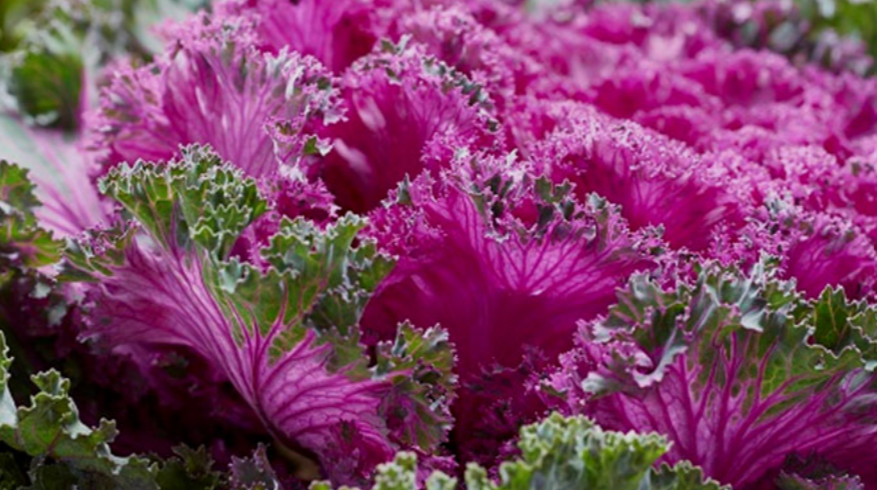
Rainbow kale is a name used for mixed-color kale seed packets and for a few individual varieties. A typical mix combines kales with leaves in green, purple, red, pink, white, and blue-green, sometimes with ruffled, curled, or smooth textures. Because the colors and shapes differ from plant to plant, the planting gives a varied and attractive display from a single sowing.
The appeal is both visual and practical. Gardeners who want color in a vegetable bed, a winter container, or an edible border often choose a mix, since it provides several kale types in one packet. The mixed leaves also let cooks try a range of textures and flavors without buying separate seed for each.
This guide covers what rainbow kale is, the varieties usually found in mixes, how to grow it, how long it takes to harvest, how to choose seed, and how to use the leaves in the kitchen.
Origin and Development
Rainbow kale is not a single heirloom with a documented origin. Mixed kale packets are assembled by seed companies from kale types they grow, so the components depend on the supplier and the season. Many of the individual kales in these mixes have their own histories, including Lacinato from Italy, Red Russian from Siberia or Russia, and Dwarf Blue Curled from the Vates family of curly kales developed in the United States.
The idea of breeding kales for color is more recent. Seed companies and breeders have developed colored selections over the past several decades, partly to serve ornamental gardeners and partly to offer more variety in the kitchen. A widely cited example is Rainbow Lacinato, which seed companies credit to breeder Frank Morton. It was created by crossing Redbor, a red curly kale, with Lacinato, and it is sold as a single variety rather than a mix.
What Makes It Distinct
Rainbow kale mixes are distinguished by their range of leaf types and colors rather than by a single shared trait. Some packets include smooth, Lacinato-style leaves, while others feature ruffled, curled, or frilled foliage. Colors commonly include bright green, dark green, purple, red, pink-veined blue-green, and creamy white.
Individual plants in a mix usually grow to a similar height, though they may differ in leaf size and shape. Because the components can change from year to year, the exact appearance of a planting will vary. Seed suppliers sometimes update the varieties in a blend from one lot to the next, so buyers should check the listing before ordering.
Also Read: Different Types of Kale To Grow At Home
Growing Conditions
Rainbow kale is a cool-season crop that grows best in temperatures between about 45 and 75°F. It is usually planted in midsummer for a fall and winter harvest, or in early spring where springs are cool. Hot weather can make the leaves tough and bitter and can cause some plants to bolt, so avoid planting during the peak of summer.
It prefers full sun, though it tolerates partial shade in hot climates. Plant it in fertile, well-drained soil rich in organic matter, and work compost into the bed before sowing. Kale is a heavy feeder, so side-dress with a nitrogen-rich fertilizer once or twice during the season. Space plants 12 to 18 inches apart, or a little wider for taller types.
Planting and Care
Sow seeds about a quarter inch deep, or set out transplants when they are four to six weeks old. Seeds typically germinate in about 5 to 10 days when the soil is warm enough. Thin seedlings to the strongest plants, and keep the soil evenly moist during establishment. Water at the base of the plant rather than over the leaves.
Watch for cabbage worms, aphids, and flea beetles, which are the common brassica pests. Row covers help keep butterflies from laying eggs on the leaves, and hand-picking caterpillars works well on small plantings. Mulch to conserve moisture, and remove yellowing lower leaves to improve airflow.
Days to Harvest
Harvest timing varies by mix and by supplier. Some suppliers give 35 to 60 days for a mixed kale planting, while others list 60 to 65 days from seeding. Baby leaves can usually be picked within about 25 days, and full-size leaves are typically ready around 50 to 65 days after planting. Cool weather may lengthen the time to harvest, so plan your planting date around the season you want.
Harvest the outer leaves first and leave the central growth intact so the plant keeps producing. Pick in the morning when the leaves are crisp, and avoid removing more than about a third of the plant at once. Because different kales in a mix mature at slightly different rates, you may be able to harvest over several weeks.
Choosing Seed
Look for packets that list the components of the mix or describe its colors and shapes, since this tells you what you are buying. Check the days to maturity, the seed count, and a recent packing date. Mixed packets are usually sold as open-pollinated, and seed stays viable for several years when stored cool and dry.
If you want a consistent look, consider buying a single named variety instead of a mix. If you want variety from one packet, a mix is the better choice. Note that some listings describe the mix as a blend of different kales, while others are described as organic or heirloom selections, so read the description carefully.
Culinary Uses
Young rainbow kale leaves are tender enough for salads, and the mix of colors looks striking on the plate. Massage the leaves with a little oil and salt to soften their texture. Mature leaves hold up well in sautéing, soups, braises, and stir-fries, and they add color to pasta, grain bowls, and egg dishes.
Frost tends to sweeten the leaves and soften any bitterness, so many cooks prefer to cook with the winter harvest. Remove the tough central rib from mature leaves before cooking. Store harvested leaves in a sealed bag in the refrigerator, where they keep for about a week, and blanch and freeze them for longer storage.
Frequently Asked Questions
What is rainbow kale?
It is a general term for mixed-color kale seed packets, which usually include several kale types with different colors and leaf shapes. It can also refer to specific varieties, such as Rainbow Lacinato.
Which kales are in a rainbow mix?
The contents vary by supplier and season. Some mixes include Lacinato-style leaves, red and purple types, and curly or ruffled kales, so check the packet description.
How long does rainbow kale take to harvest?
Baby leaves can usually be picked within about 25 days, and full-size leaves are typically ready around 50 to 65 days after planting.
Is rainbow kale a single variety?
Usually not. Most rainbow kale is a mix of varieties. Rainbow Lacinato is a single variety with a different history.
Can I save seed from a rainbow mix?
Possibly, but the plants may cross-pollinate with other brassicas and may not grow true to type. Check the packet’s hybrid status and isolate plants if you plan to save seed.
Is rainbow kale cold hardy?
Most kales in these mixes tolerate cold well, and their flavor often improves after frost.