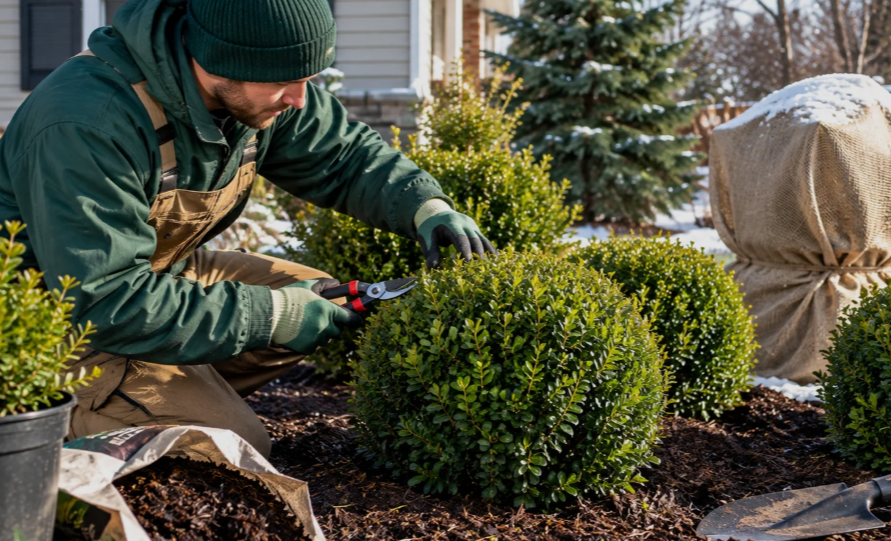
The best boxwood varieties for Zone 6 gardens have to handle winter lows of –10°F to 0°F, drying winter winds, and humid summers. In many areas they also face boxwood blight and the box tree moth. Zone 6 covers a wide band of the United States, including cities such as Columbus, Indianapolis, Pittsburgh, Kansas City, and Denver. It also includes large parts of the Ohio Valley, the Mid-Atlantic interior, the lower Midwest, and the central Plains.
Zone 6 is close to ideal for boxwood. It is cold enough that winter burn is a real concern but mild enough that a much wider range of varieties can be grown than in Zones 4 and 5. Gardeners here can grow the cold-hardy Korean and hybrid boxwoods that are the standards in northern gardens. In sheltered sites they can also grow several Japanese and American boxwoods that suffer farther north.
Choosing the right variety has become even more important as pests and diseases spread. Boxwood blight is now established in much of the eastern United States, and the box tree moth has been confirmed in several Zone 6 states, including Ohio, Pennsylvania, West Virginia, and Maryland. The Clemson Cooperative Extension Home and Garden Information Center notes that boxwood has long been a cornerstone of formal gardens. That tradition is now best continued with varieties chosen for both hardiness and disease resistance.
The 8 boxwood varieties below are especially well suited to Zone 6 gardens. Each entry covers size, shape, winter color, and disease resistance, along with how the variety fits into hedges, borders, and foundation plantings. Together they offer options from low edging to narrow columns. All of them combine reliable winter performance with the classic boxwood look.
1. NewGen Independence
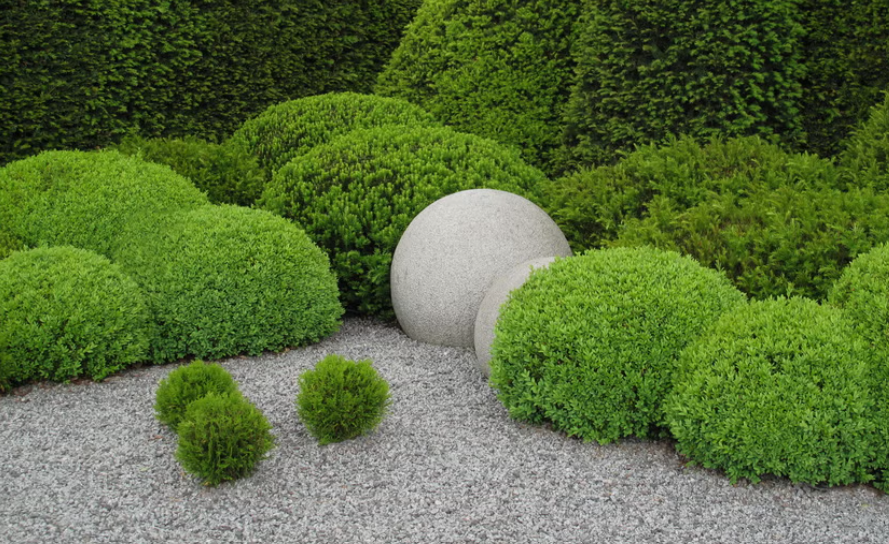
NewGen Independence is one of the strongest all-around boxwoods for Zone 6 gardens. It was developed by Saunders Brothers Nursery in Virginia in response to boxwood blight and released commercially in 2020. Its glossy, deep green leaves hold their color through Zone 6 winters with little bronzing. It grows into a rounded shrub about 3 to 4 feet tall and wide over 15 to 20 years.
NewGen Independence is rated for Zones 5b through 8, which places Zone 6 comfortably within its range. It combines high tolerance to boxwood blight with better resistance to boxwood leafminer. It grows in full sun, part sun, or shade, and its moderate growth rate makes it easy to maintain as a low to medium hedge. It is an excellent replacement for older boxwoods lost to blight.
2. Better Boxwood Renaissance
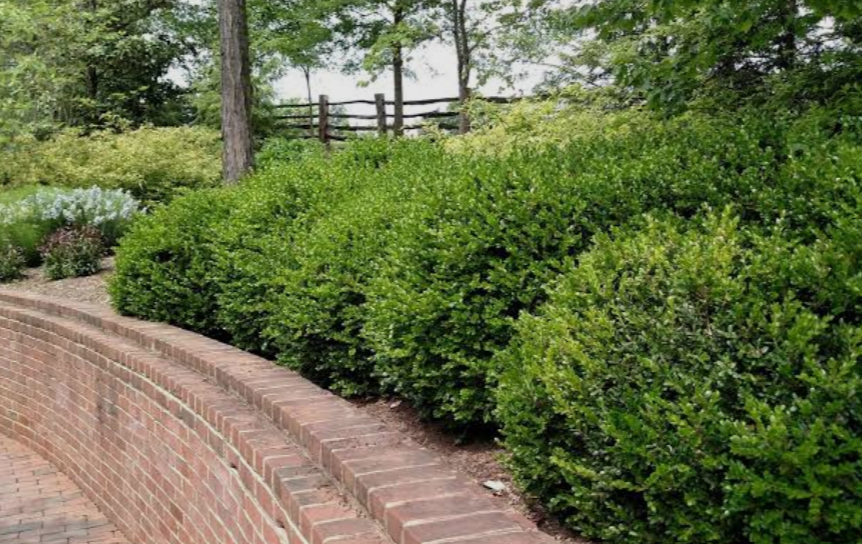
Better Boxwood Renaissance is part of a newer series bred in Belgium specifically for resistance to boxwood blight. Breeders evaluated more than 10,000 seedlings before selecting the varieties in this series. Renaissance has dark green, glossy leaves and an upright, dense habit. It works well for medium hedges and formal accents.
Better Boxwood varieties are rated for Zones 5 through 9 and perform well in Zone 6. In European laboratory trials, Renaissance showed the slowest disease progression among the boxwood cultivars tested against blight. Like all boxwoods, it is not immune, so good spacing and drainage remain important. It is a promising choice for Zone 6 gardeners replacing blight-damaged hedges.
3. Green Velvet
‘Green Velvet’ is one of the most widely planted boxwoods in Zone 6 and remains a reliable choice. This Sheridan hybrid combines the cold hardiness of Korean boxwood with the rich, deep green color of English boxwood. It forms a rounded shrub about 3 feet tall and 4 feet wide. It holds its velvety green color through most Zone 6 winters with minimal bronzing.
‘Green Velvet’ is hardy in Zones 4 through 8, so Zone 6 winters rarely damage it in a reasonably sheltered site. It shears easily into low hedges, globes, and borders. It has some susceptibility to boxwood blight, so plant it with good airflow. Gardeners in areas with known blight problems may prefer NewGen Independence or Renaissance.
4. Green Gem
‘Green Gem’ is a slow-growing Sheridan hybrid that forms a naturally round, tight globe. It usually reaches only 2 to 3 feet tall and wide, even after many years. Its small, deep green leaves keep their color well in winter. It is ideal for low edging, knot gardens, parterres, and containers in Zone 6.
‘Green Gem’ is hardy in Zones 4 through 8 and has been documented as resistant to boxwood blight. That makes it one of the best choices for tightly planted low hedges, where blight spreads easily between plants. Its slow growth means it rarely needs more than a light annual trim. It is especially valuable for small gardens and formal designs.
5. Wintergreen
‘Wintergreen’ is a Korean littleleaf boxwood known for its toughness in cold winters. It forms a dense, rounded shrub 2 to 4 feet tall and wide, with small, bright green leaves. It grows faster than many hybrid boxwoods, so it fills in hedges more quickly. Its fine texture suits formal and informal plantings alike.
‘Wintergreen’ is hardy in Zones 4 through 9 and tolerates both cold winters and hot, humid summers. University of Wisconsin–Madison Extension lists it among boxwoods documented as resistant to boxwood blight. In full sun and wind, its leaves may take on a yellow-green or bronze tint in winter before greening up in spring. Planting it in a sheltered location helps it stay greener.
6. Green Beauty
‘Green Beauty’ is a Japanese boxwood that is particularly well suited to Zone 6 because it tolerates summer heat better than many Korean types. It forms a rounded, mid-sized shrub that reaches 3 to 5 feet tall and wide, often slightly wider than tall. Its small, glossy, dark green leaves stay green through winter better than most Japanese boxwoods. It shears easily into hedges and topiary.
‘Green Beauty’ grows best in Zones 6 through 9, so it is a strong choice for the warmer parts of Zone 6. It tolerates alkaline soils, which are common in parts of the Midwest and Plains. Plant it in a site protected from harsh winter winds for the best winter color. It is a good choice for gardeners who want a boxwood that handles both winter cold and summer heat.
7. Vardar Valley
‘Vardar Valley’ is an English boxwood selection that originated from plants collected in the Vardar River valley of the Balkans. It forms a low, broad mound about 2 to 3 feet tall and wider, with blue-green new growth that matures to dark green. It is one of the hardiest forms of English boxwood. It performs especially well in Zone 6 when given good drainage.
‘Vardar Valley’ has been a top performer in national boxwood trials and is very resistant to boxwood leafminer, though its tolerance of boxwood blight is variable. It was famously planted outside the Oval Office of the White House in Washington, D.C. Young plants can look open, but they fill in with age. It is ideal for low hedges, foundation plantings, and formal gardens where a classic English boxwood look is desired.
8. Graham Blandy
‘Graham Blandy’ is a tall, narrow, columnar boxwood that brings vertical structure to Zone 6 gardens. It typically grows 8 to 9 feet tall but only about 2 feet wide, forming a pencil-like column. It was introduced in 1949 by the University of Virginia’s Blandy Experimental Farm. Its dark green leaves give it a classic formal appearance.
‘Graham Blandy’ grows in Zones 5 through 8 and performs well in Zone 6 when protected from harsh winter winds. It is a selection of American boxwood and is susceptible to boxwood blight, so give it good spacing and air circulation. It needs very little pruning to hold its narrow shape. It is ideal for narrow hedges, formal accents, entryways, and tight spaces.
Sources
Clemson Cooperative Extension Home and Garden Information Center, “Boxwood”
University of Wisconsin–Madison Extension, “Boxwood Blight”
NC State Extension Gardener Plant Toolbox, “Boxwood”
Purdue Landscape Report, “Blight, Leafminers, and Moths: The Plight of Boxwoods”