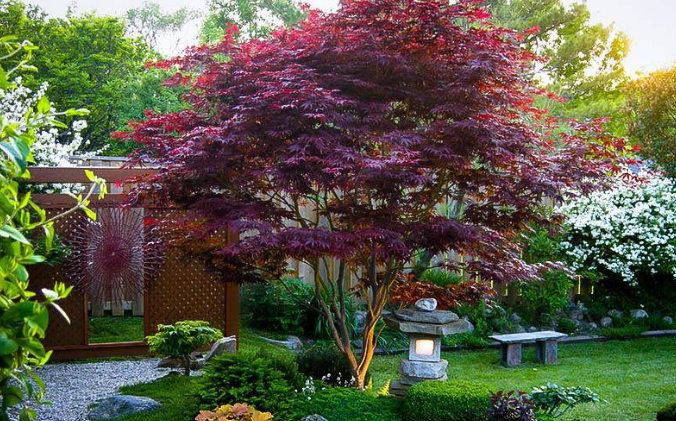
Finding a shade tree that grows quickly in Zone 9 is not difficult—the harder part is choosing one that grows quickly without becoming a problem later. The warm growing season in Zone 9 allows many trees to put on several feet of growth each year, especially when they have adequate moisture, sunlight, and room for their roots to develop.
Fast growth can be extremely useful when you have a new home, a sunny backyard, or a patio that needs protection from the afternoon heat. But there is an important trade-off: some of the fastest-growing trees become enormous, develop aggressive roots, produce heavy litter, or have wood that is more vulnerable to storms. A useful tree-selection guide emphasizes matching the tree’s mature size and site requirements to the planting location rather than choosing solely by growth rate. Tree selection and landscape planning guide
The 21 trees below are suitable for Zone 9 and are among the better choices when relatively rapid shade is the goal. The growth figures are approximate annual height increases under favorable conditions, not guarantees. A newly planted tree may grow slowly during its establishment period and then accelerate once its root system becomes established.
1. Green Ash
Approximate growth rate: 3–6 feet per year when young
Green ash (Fraxinus pennsylvanica) is one of the quickest options when the objective is to create a substantial canopy in a relatively short period. It can eventually become a large shade tree, commonly reaching around 60–70 feet tall, with a broad crown that provides useful summer shade.
In warm Zone 9 conditions, young irrigated trees can grow exceptionally quickly. One detailed tree profile reports that trees in Zones 8 and 9 can put on 6–10 feet in a year when young and irrigated, although that represents excellent conditions rather than an expected annual rate for every landscape. Because of its eventual size, green ash is best planted well away from buildings, septic systems, driveways, and overhead utilities.
2. Earleaf Acacia
Approximate growth rate: 4–8 feet per year
Earleaf acacia (Acacia auriculiformis) is particularly interesting for warm Zone 9 landscapes because it is evergreen and capable of producing shade rapidly. It develops a rounded, somewhat open canopy and can reach approximately 40 feet tall with a spread around 25 feet.
Under favorable conditions, this tree can grow 6–8 feet per year, making it one of the fastest options on this list. The drawback is that rapid growth comes with relatively brittle wood and branch attachments that can be vulnerable during strong winds. Give it plenty of space and avoid planting it where falling branches could create a hazard.
3. Eastern Cottonwood
Approximate growth rate: 3–6 feet per year
Eastern cottonwood (Populus deltoides) is famous for fast growth and can produce a large canopy surprisingly quickly. It can eventually reach 75–100 feet tall, making it a true large-scale shade tree rather than a choice for a small suburban yard.
Its rapid growth makes it useful where there is plenty of open land and quick shade is the priority. However, cottonwood has extensive roots, can produce substantial litter, and has relatively weak wood compared with slower-growing trees. A landscape reference describes it as a fast grower that provides quick shade but can be short-lived.
4. Tulip Poplar
Approximate growth rate: 2–4 feet per year
Tulip poplar (Liriodendron tulipifera) is one of the most impressive fast-growing shade trees for large Zone 9 properties. Its straight trunk, distinctive tulip-shaped flowers, and tall pyramidal crown make it particularly attractive where there is enough room for a large tree.
Mature trees can reach roughly 80–100 feet tall, so this is not a tree to squeeze into a small backyard. Its growth is best when soil remains reasonably fertile and moisture is available during establishment. For a large property, however, few trees combine rapid vertical growth and eventual canopy size quite as effectively.
5. American Sycamore
Approximate growth rate: 3–6 feet per year when young
American sycamore (Platanus occidentalis) is another powerful choice when a large shade canopy is needed. Its enormous leaves provide substantial summer shade, while its mottled, exfoliating bark gives the tree considerable winter interest.
It is classified as a fast-growing tree and can eventually reach roughly 75–100 feet tall. The mature size is the main consideration. Sycamores need substantial space, and their leaves, seed balls, and bark can create cleanup around patios and paved areas.
6. Sweetgum
Approximate growth rate: 2–3 feet per year
Sweetgum (Liquidambar styraciflua) combines relatively rapid growth with excellent fall color. Although Zone 9 gardens do not always experience the same dramatic autumn display as cooler regions, sweetgum can still make an impressive shade tree with its star-shaped foliage and pyramidal-to-rounded crown.
The tree can eventually become very large, so it works best in spacious lawns rather than narrow planting strips. A major consideration is the fruit: traditional sweetgum produces hard, spiky seed balls that can be troublesome on lawns, patios, and walkways. A fruitless cultivar is often a better choice where maintenance is important. A landscape tree reference also identifies sweetgum as a fast-growing large shade tree.
7. Red Maple
Approximate growth rate: 2–3 feet per year
Red maple (Acer rubrum) is valued for its adaptable nature, attractive branching structure, and ability to develop a broad canopy. It is especially useful when you want a shade tree that offers more ornamental appeal than some of the extremely fast-growing pioneer species.
Red maple is listed among the suitable shade trees for warm climates, and it tolerates a range of soil conditions. In Zone 9, adequate moisture is particularly important during establishment. Avoid extremely dry planting sites if you want the tree to maintain strong, healthy growth.
8. Southern Catalpa
Approximate growth rate: 2–3 feet per year
Southern catalpa (Catalpa bignonioides) is a fast-growing native shade tree with enormous heart-shaped leaves and showy white flowers. Its open, spreading canopy can create a pleasantly filtered type of shade rather than the dense darkness produced by some broad-canopied trees.
It can reach approximately 30–40 feet tall, making it somewhat easier to accommodate than cottonwood, sycamore, or tulip poplar. The large leaves can create seasonal litter, and the long seed pods may also require cleanup, but the tree’s flowers and distinctive foliage make those drawbacks worthwhile for many gardeners.
9. Winged Elm
Approximate growth rate: 2–3 feet per year
Winged elm (Ulmus alata) is an underrated choice for Zone 9. Its branches develop distinctive corky ridges or “wings,” giving the tree visual interest even when it is dormant.
It can reach around 50–60 feet tall and develops a broad crown capable of providing useful shade. It is also relatively tolerant of difficult growing conditions and is classified as medium to fast growing. For homeowners looking for a durable native-style shade tree rather than an exotic ornamental, winged elm deserves consideration.
10. American Elm
Approximate growth rate: 2–4 feet per year
American elm (Ulmus americana) has the classic vase-shaped form associated with traditional street trees and large lawns. When healthy, its high, arching branches can create a broad canopy over patios, lawns, and driveways.
The species can become very large, so mature dimensions should be considered before planting. Several cultivars have also been selected for improved resistance to Dutch elm disease, making those selections more appropriate than an unidentified seed-grown tree. American elm is generally classified as medium to fast growing.
11. Laurel Oak
Approximate growth rate: 2–3 feet per year
Laurel oak (Quercus laurifolia) is particularly well suited to warm climates and can become a substantial shade tree with a rounded, symmetrical crown. Its evergreen-to-semi-evergreen appearance in warmer parts of Zone 9 can also extend the period of canopy cover.
Mature trees may reach around 70–80 feet tall with a similarly broad spread. It is listed as a medium-growing oak rather than an extremely rapid tree, but its combination of warm-climate adaptability and substantial mature canopy makes it a strong shade-tree candidate.
12. Southern Red Oak
Approximate growth rate: 2–3 feet per year
Southern red oak (Quercus falcata) is another large native oak suitable for Zone 9. Its irregular crown and lobed leaves give it a distinctly southern character, while its eventual size makes it capable of casting considerable shade.
It is described as medium to fast growing and can reach approximately 70–80 feet tall. Southern red oak is especially useful on larger properties where there is enough room for a mature canopy. It generally performs better on well-drained sites than in constantly wet soil.
13. Loblolly Pine
Approximate growth rate: 2–3 feet per year
Loblolly pine (Pinus taeda) is one of the fastest-growing native pines for the Southeast and is well adapted to Zone 9. Its evergreen foliage provides shade throughout the year, making it different from deciduous trees that lose their leaves during winter.
It can eventually reach approximately 60–90 feet tall. It is best suited to larger properties rather than compact residential lots, and the planting location should account for the mature height, crown spread, and potential storm exposure. Landscape references classify loblolly pine as fast growing.
14. Slash Pine
Approximate growth rate: 2–3 feet per year
Slash pine (Pinus elliottii) is another evergreen option for warm Zone 9 landscapes. It naturally occurs in areas of the Southeast and can tolerate moist soils better than some other pine species.
This tree can reach roughly 50–75 feet tall and develops a useful canopy for large yards and open landscapes. It is classified as fast growing, although young trees may need protection from difficult weather during establishment. Its mature size means it should be planted with plenty of clearance from structures.
15. Jacaranda
Approximate growth rate: 2–3 feet per year
Jacaranda (Jacaranda mimosifolia) is one of the most spectacular shade trees for warm Zone 9 gardens. Its finely divided foliage creates light, filtered shade, while the famous purple-blue flowers can transform the tree into a dramatic focal point during bloom.
It is suitable for Zones 9B through 11 and is classified as fast growing, commonly reaching around 25–40 feet tall with a considerably wider crown. Jacaranda is best suited to places where falling flowers and leaf litter will not be a major nuisance, especially around heavily used patios and walkways.
16. Fruitless White Mulberry
Approximate growth rate: 2–4 feet per year
Fruitless white mulberry (Morus alba ‘Fruitless’) can create shade relatively quickly while avoiding the messy fruit associated with female mulberry trees. Its dense foliage can be particularly useful for lawns, outdoor seating areas, and other spaces where summer shade is needed.
It is adaptable to many soil types and is classified as fast growing. The key is to choose a genuinely fruitless selection, because ordinary white mulberry can produce abundant fruit and may become troublesome in some landscapes.
17. Black Cherry
Approximate growth rate: 2–3 feet per year
Black cherry (Prunus serotina) is a native tree capable of becoming a significant shade provider. It also has ecological value because its fruit is eaten by numerous birds and other wildlife.
The tree can reach approximately 50–60 feet tall and is described as fast growing when provided with fertile, moist, well-drained soil. Its wood can be relatively brittle, however, so careful placement and structural pruning are worthwhile, particularly in areas exposed to strong winds.
18. London Plane Tree
Approximate growth rate: 2–3 feet per year
London plane tree (Platanus × acerifolia) is a hybrid shade tree related to the American sycamore. It develops a broad crown and distinctive mottled bark while generally being more formal in appearance than many other large shade trees.
It can eventually reach 70–100 feet tall and is classified as fast growing. Because of its enormous mature dimensions, this is a tree for large lawns, parks, and expansive properties rather than a small residential planting bed.
19. American Hackberry
Approximate growth rate: 2–3 feet per year
American hackberry (Celtis occidentalis) is a tough shade tree that tolerates a surprisingly wide range of growing conditions. It develops a rounded crown and can provide substantial shade once mature.
It can reach approximately 40–60 feet tall and is generally described as medium to fast growing. Hackberry is especially useful when soil conditions are less than perfect, although its shallow, dense root system means that planting directly beside pavement or heavily landscaped beds is not ideal.
20. Southern Magnolia
Approximate growth rate: 1–2 feet per year
Southern magnolia (Magnolia grandiflora) is not the fastest tree on this list, but it deserves a place because its dense evergreen foliage creates year-round shade in Zone 9. The large, glossy leaves and enormous white flowers also give it considerably more ornamental value than many rapid-growing shade trees.
Its growth is generally slower than cottonwood, ash, or acacia, particularly when young trees are establishing their roots. However, once mature, its dense evergreen canopy can be extremely useful around homes and outdoor living spaces. Give it ample room because the eventual crown can become very broad.
21. Shumard Oak
Approximate growth rate: 2–3 feet per year
Shumard oak (Quercus shumardii) is a strong choice when you want relatively quick growth without sacrificing the long-term character of an oak. It develops a large, rounded crown capable of producing excellent shade and can become a major landscape tree.
It can reach approximately 55–80 feet tall and is included among recommended large shade trees for warm-climate landscapes. Because oaks eventually occupy considerable space, plant Shumard oak where its mature canopy can develop without interfering with buildings, power lines, or other trees.
Fastest Growing Shade Trees in Zone 9 at a Glance
| Tree | Approximate annual growth |
|---|---|
| Green Ash | 3–6 ft |
| Earleaf Acacia | 4–8 ft |
| Eastern Cottonwood | 3–6 ft |
| Tulip Poplar | 2–4 ft |
| American Sycamore | 3–6 ft |
| Sweetgum | 2–3 ft |
| Red Maple | 2–3 ft |
| Southern Catalpa | 2–3 ft |
| Winged Elm | 2–3 ft |
| American Elm | 2–4 ft |
| Laurel Oak | 2–3 ft |
| Southern Red Oak | 2–3 ft |
| Loblolly Pine | 2–3 ft |
| Slash Pine | 2–3 ft |
| Jacaranda | 2–3 ft |
| Fruitless White Mulberry | 2–4 ft |
| Black Cherry | 2–3 ft |
| London Plane Tree | 2–3 ft |
| American Hackberry | 2–3 ft |
| Southern Magnolia | 1–2 ft |
| Shumard Oak | 2–3 ft |
Which Zone 9 Shade Tree Grows the Fastest?
If pure speed is the main objective, earleaf acacia, green ash, and eastern cottonwood are among the most aggressive choices under favorable conditions. Earleaf acacia can add roughly 6–8 feet annually, while young irrigated green ash can sometimes grow even faster.
However, the fastest tree is not necessarily the best tree. A cottonwood that grows several feet a year but eventually becomes an enormous tree with extensive roots may be a poor choice for a typical suburban backyard. A slightly slower oak, elm, maple, or magnolia may provide a better long-term result.
Best Fast-Growing Shade Trees for a Small Zone 9 Yard
For a smaller property, avoid choosing trees solely because they have the highest growth rate. Mature width is just as important as annual height growth.
Better candidates include:
- Red maple
- Southern catalpa
- Winged elm
- Jacaranda
- Fruitless white mulberry
- Shumard oak, if adequate room is available
Even these trees need sufficient clearance. A useful rule is to consider the mature canopy, not the size of the tree when you buy it.
Best Evergreen Shade Trees for Zone 9
If you want shade during every season, evergreen choices deserve special consideration. Loblolly pine, slash pine, and southern magnolia are particularly useful because they maintain foliage through winter.
Evergreen trees can also provide privacy and reduce the amount of direct sunlight reaching a house or patio throughout the year. However, dense evergreen canopies can intercept considerable rainfall and create deeper shade underneath, so think about what you want to grow beneath the tree before planting.
How to Make a Shade Tree Grow Faster
Even a naturally fast-growing tree will struggle if it is planted in poor conditions. Good establishment is one of the biggest factors determining how quickly a tree reaches useful size.
Start by choosing a location with enough sunlight and room for the mature root system and canopy. Water deeply during establishment rather than relying on frequent shallow watering. Maintain a reasonable layer of mulch over the root zone, but keep mulch away from direct contact with the trunk.
Soil conditions matter as well. Drainage, moisture, fertility, and available rooting space can all influence tree performance. Practical guide to selecting landscape trees
Avoid excessive fertilizer simply because you want faster growth. A tree forced into weak, overly vigorous growth may develop structural problems rather than becoming a stronger shade tree.
Fast Growth Is Not the Only Thing That Matters
One of the biggest mistakes when shopping for a shade tree is focusing on the number of feet it can grow each year while ignoring what happens after 20 or 30 years.
A tree that grows three feet annually could be 60 feet taller after two decades under ideal conditions. That is wonderful if you have a large property, but disastrous if the tree was planted beneath power lines or six feet from a house.
Before planting, consider:
- Mature height
- Mature canopy width
- Rooting conditions
- Soil drainage
- Drought tolerance
- Storm and wind exposure
- Leaf and fruit litter
- Distance from buildings
- Overhead utility lines
- Maintenance requirements
- Local pest and disease problems
A comprehensive shade-tree selection resource makes the same fundamental point: the site should determine the tree rather than choosing a tree based solely on its advertised growth rate. Shade-tree selection and site-planning information
Key Takeaways
Zone 9 gives gardeners a long growing season and a wide selection of trees capable of producing shade relatively quickly. If speed is your priority, earleaf acacia, green ash, eastern cottonwood, American sycamore, and some poplar selections can make impressive gains when conditions are excellent.
For most residential landscapes, however, the smartest choice is often a tree that balances growth rate with mature size, strength, appearance, and maintenance. Oaks, maples, elms, catalpa, jacaranda, and magnolia can provide shade while also contributing long-term character to the landscape.
The best fast-growing shade tree is therefore not necessarily the one with the biggest number in the growth-rate column. It is the tree that grows quickly and still fits the property when it reaches maturity. For additional information on large landscape trees and their growth habits, a detailed tree reference can be useful when comparing mature size and site requirements. Large-tree selection reference
Further References
- University of California Agriculture and Natural Resources — Trees for USDA Zone 9b.
UC Agriculture and Natural Resources — Trees for Zone 9b
This is especially useful for Zone 9 content because it discusses trees that thrive in USDA Zone 9b, including Chinese pistache, and highlights its ability to provide good shade and develop well-behaved roots. - University of Florida IFAS Extension — Green Ash (Fraxinus pennsylvanica).
University of Florida IFAS Extension — Green Ash
A valuable reference for fast-growing shade trees in warmer climates. It notes that green ash is fast growing and can grow particularly rapidly in USDA Zones 8 and 9 when young and irrigated. - University of Georgia Cooperative Extension — Shade Trees for Georgia.
UGA Cooperative Extension — Shade Trees for Georgia
Useful for explaining how to select shade trees for warm climates. The publication covers growth rate, mature size, placement, culture, and landscape suitability—important considerations when choosing trees for Zone 9 conditions. - Oklahoma State University Extension — Oklahoma Proven Trees.
Oklahoma State University Extension — Recommended Shade Trees
Provides a useful selection of shade trees, including bald cypress, Chinese pistache, cedar elm, crape myrtle, goldenraintree, and several oaks. This source is particularly helpful for discussing tree size and landscape use in warm regions. - University of Wisconsin–Madison Extension — Trees for Shade.
UW–Madison Extension — Establishing Silvopasture by Planting Trees
Although written for a different climate, this source is useful for understanding what makes a tree effective for providing shade and for comparing fast-growing species such as honeylocust, hackberry, mulberry, basswood, silver maple, and hybrid poplar. - North Dakota State University Extension — Fast-Growing Shade Trees.
NDSU Extension — Fast-Growing Shade Trees
A useful general reference for explaining growth rates and the advantages and disadvantages of fast-growing shade trees. It discusses species such as poplar, honeylocust, elm, cottonwood, and willow and notes that some rapid growers can have structural or maintenance drawbacks.