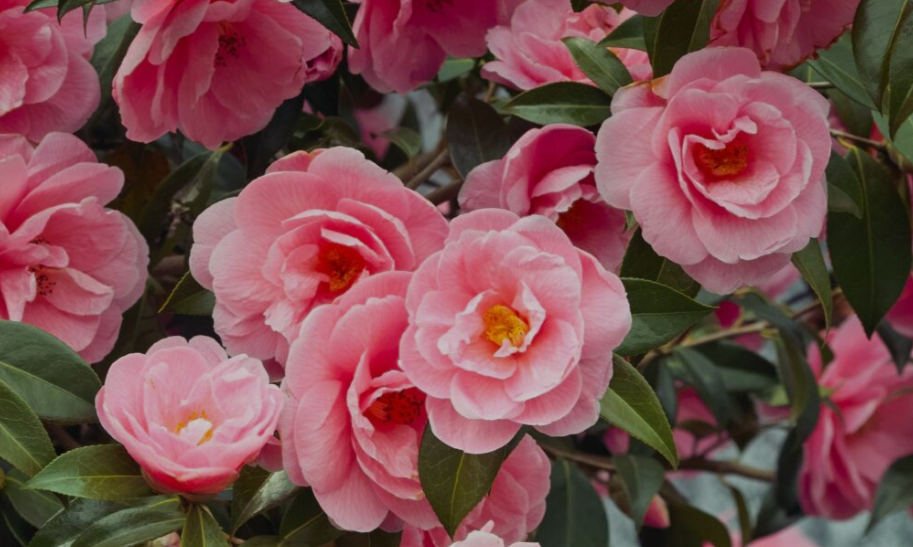
Flowers that look like roses offer the romance of a classic garden rose without the thorns, the pruning, or the disease worries that often come with it. Many of these lookalikes have the same layered, swirling petals that make a rose so recognizable. Others mimic a rose’s shape only in their fully double forms, created by breeders over centuries of selection. Together they give gardeners and florists dozens of ways to capture the rose look.
Roses have shaped flower breeding for so long that the term “rose-form” is now used to describe double blooms in many other plants. Camellia growers classify certain flowers as rose-form doubles, and begonia, ranunculus, and tulip breeders all market varieties for their rose-like centers. Some of these plants are shrubs, others are bulbs, perennials, annuals, or even houseplants.
Many of these flowers also solve problems that roses cannot. Some bloom in deep shade, others flower in winter when roses are dormant, and several thrive in hot, humid southern gardens where roses struggle with black spot. A few are native wildflowers of North America that support local pollinators far better than most hybrid roses.
The 30 flowers below are arranged roughly by how closely they resemble roses, starting with the most convincing lookalikes. Each entry explains what makes the flower look like a rose and where it grows best in the United States. Each also notes how it is commonly used in gardens and bouquets.
Flowers That Look Like Roses
1. Ranunculus
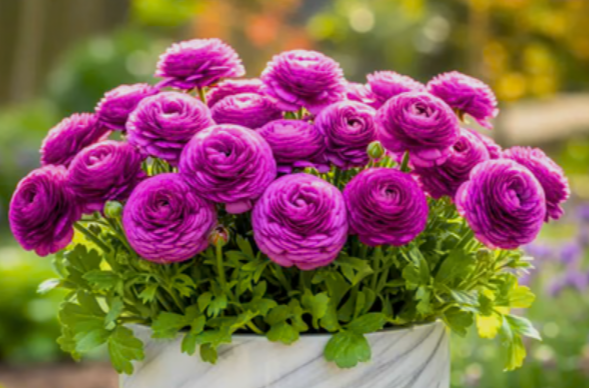
Ranunculus is often called the best rose lookalike in the flower world, and florists use it constantly as a rose substitute in wedding bouquets. Its tightly packed, paper-thin petals spiral outward from the center in perfect concentric layers, just like a fully opened garden rose. The flowers come in nearly every color except true blue, including white, blush, peach, apricot, red, and gold. Many varieties also have striped or picotee edges.
Ranunculus grows from small, claw-shaped tuberous roots and thrives in cool weather. Clemson Cooperative Extension recommends planting the corms claw-end down about 2 to 3 inches deep in a sunny, well-drained site. In mild-winter regions such as the Southeast and California, gardeners plant in fall for spring blooms. In colder states, plant in early spring as soon as the soil can be worked.
2. Peony
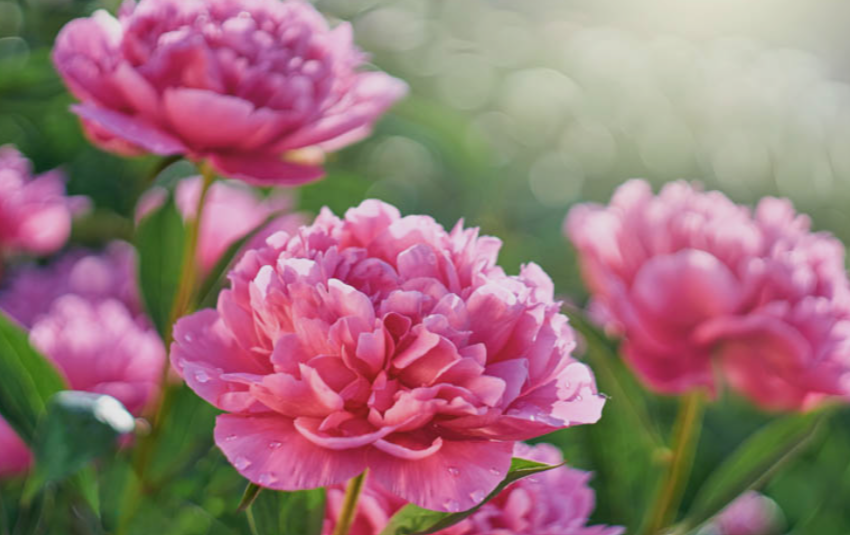
Peonies are among the most beloved rose lookalikes, especially the fully double and “bomb” forms with dense, ruffled petals. A fully open double peony often resembles an old-fashioned cabbage rose, with large, fragrant flowers up to 8 to 10 inches across. Colors range from white and pale pink to coral, magenta, and deep red. Many varieties carry a sweet, rose-like scent.
Herbaceous peonies are long-lived perennials that can bloom for 50 years or more in the same spot. They grow best in Zones 3 through 8 and need a period of winter cold to flower well. Plant them in full sun with the buds no more than 2 inches below the soil surface. Planting too deep is the most common reason peonies fail to bloom.
3. Camellia
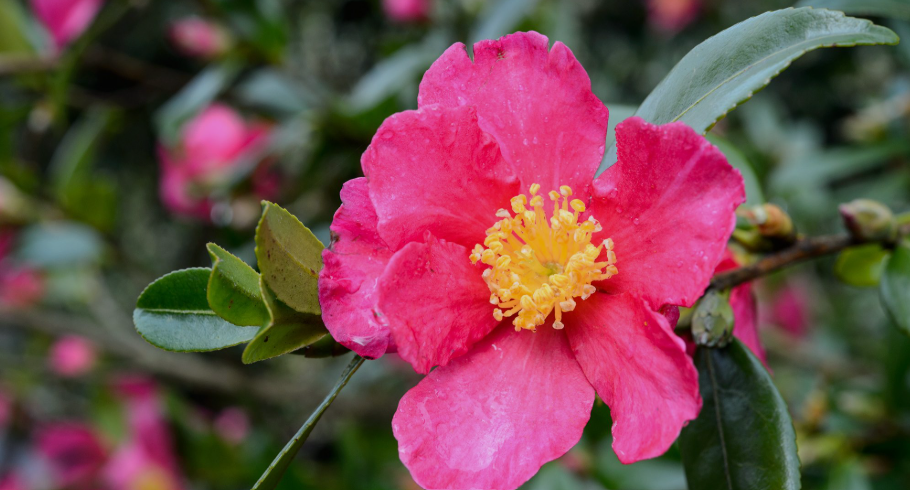
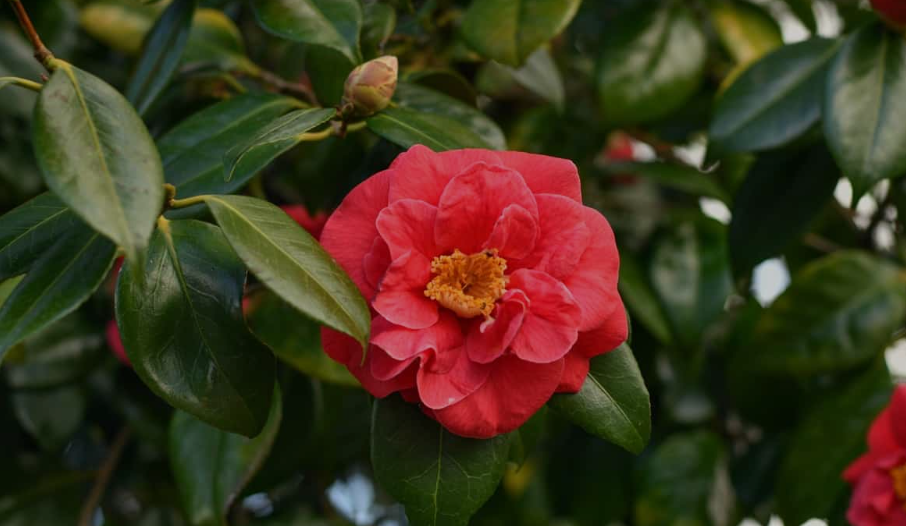
Camellias produce some of the most perfect rose-shaped flowers of any shrub, and growers even classify certain varieties as “rose-form doubles.” These flowers have overlapping petals that spiral inward to a tight center, often showing a rosebud shape before they open fully. Colors include white, pink, red, and striped combinations. Blooms range from 2 to 5 inches across.
Camellias are evergreen shrubs that bloom from late fall through early spring, when roses are dormant. They grow best in Zones 7 through 9, especially in the Southeast, where they are among the most treasured winter-flowering shrubs. Most prefer partial shade and slightly acidic, well-drained soil. Japanese camellias generally need more protection from hot afternoon sun than sasanqua types.
4. Lisianthus
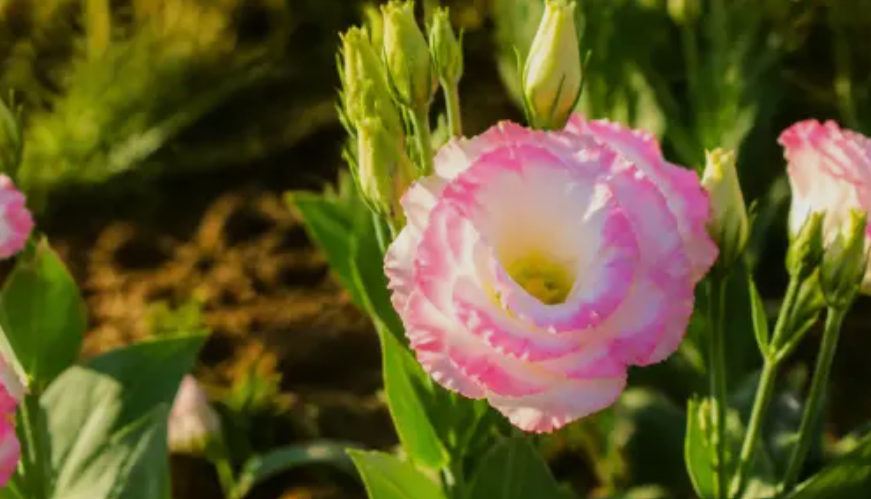
Lisianthus is one of the most popular rose substitutes in the florist trade, especially in its double-flowered forms. The ruffled, swirled petals of double lisianthus open from pointed buds that look almost exactly like rosebuds. Colors include white, cream, pink, lavender, purple, and soft green. Many types also have contrasting picotee edges.
Lisianthus is native to the prairies and grasslands of the central and southern United States, where it is called prairie gentian. Cultivated forms are usually grown as annuals and prefer full sun, warm weather, and well-drained soil. Cut stems often last 2 weeks or more in a vase, which makes them a florist favorite. Plants can be tricky to start from seed, so most gardeners buy young transplants.
Also Read: Drought Tolerant Roses
5. Double Tulips
Double tulips, often called peony tulips, have so many petals that they look more like roses than traditional tulips. Their full, cupped flowers open wide to reveal layers of soft petals, especially in late-blooming varieties such as ‘Angelique’ and ‘Mount Tacoma’. Colors include pink, white, red, yellow, and orange. Some varieties have feathered bicolor patterns.
Double tulips grow from fall-planted bulbs and bloom in mid to late spring. They grow best in Zones 3 through 8, where they receive enough winter chill to flower reliably. Plant bulbs 6 to 8 inches deep in full sun and well-drained soil. Because the heavy flowers can bend in rain, plant them in a sheltered spot or among sturdy companions.
6. Gardenia
Gardenias produce creamy white flowers with thick, waxy petals that swirl into a rose-like shape. The double-flowered forms are especially rose-like and are among the most fragrant flowers in the garden. A single bloom can scent an entire room, which has made gardenias a traditional corsage and bridal flower. The glossy evergreen leaves add to their elegance.
Gardenias are evergreen shrubs that grow outdoors in Zones 7 through 11, especially in the Southeast and Gulf Coast. They prefer partial shade, consistent moisture, and acidic, well-drained soil. In colder regions, they are grown as container plants or houseplants. Yellowing leaves often signal that the soil is too alkaline.
7. Tuberous Begonia
Tuberous begonias include some of the most rose-like flowers of any shade plant. The rose-form and camellia-form varieties have large, double flowers with layered petals that resemble full garden roses. Flowers can reach 4 to 6 inches across in shades of red, pink, orange, yellow, white, and bicolor. Some varieties have ruffled or picotee edges.
Tuberous begonias thrive in partial to full shade, where roses would struggle. They are usually grown as summer annuals or lifted and stored over winter in most of the United States. They prefer cool, moist summers and grow especially well in the Pacific Northwest and coastal regions. Plant them in containers, hanging baskets, or shaded beds with rich, well-drained soil.
8. Double Impatiens
Double impatiens, sometimes sold as rosebud impatiens, have small, fully double flowers that look like miniature roses. Each bloom is packed with tiny petals and often opens from a rosebud-shaped bud. Colors include pink, red, white, orange, coral, and lavender. Plants bloom nonstop from spring until frost.
Double impatiens are grown as annuals across the United States and are prized for brightening shady beds and containers. They prefer partial to full shade and consistently moist, rich soil. Plant them after the danger of frost has passed, when nighttime temperatures stay above 50°F. They are excellent for window boxes, hanging baskets, and shaded patios.
Also Read: Different Types of Yellow Roses
9. Double Hollyhock
Double hollyhocks produce tall spikes covered with ruffled, fully double flowers that look like stacked pom-pom roses. Each flower is packed with frilly petals and can reach 3 to 5 inches across. Colors include pink, red, white, yellow, apricot, and deep maroon. The old-fashioned ‘Chater’s Double’ strain is especially rose-like.
Hollyhocks are classic cottage garden plants that can grow 5 to 8 feet tall. They grow best in full sun and well-drained soil in Zones 3 through 8. Many are biennials or short-lived perennials that bloom in their second year and reseed freely. Plant them against fences or walls, where the tall stems have support from wind.
10. Double Primrose
Double primroses produce small, densely layered flowers that resemble tiny garden roses tucked among rosettes of crinkled leaves. Modern series such as ‘Belarina’ have especially full, rose-shaped blooms in shades of pink, cream, yellow, blue, and purple. Many varieties carry a light, sweet fragrance. They are among the earliest rose-like flowers of spring.
Double primroses grow best in cool, moist climates and partial shade. In the United States they are often grown as early spring container plants or perennials in Zones 5 through 8. They prefer rich, evenly moist soil and protection from hot afternoon sun. In warm regions, they are best treated as cool-season annuals.
11. Double Hibiscus
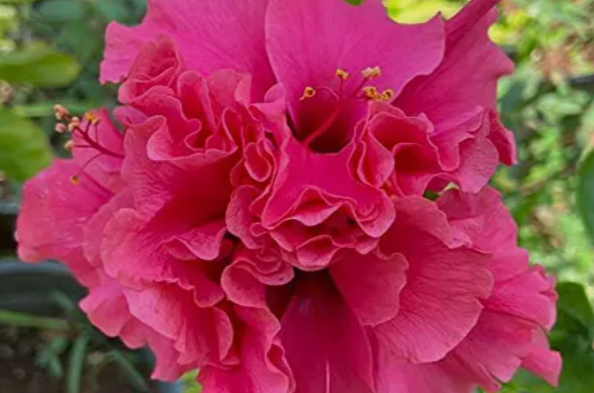
Double tropical hibiscus varieties produce large, ruffled flowers with layered petals that resemble giant roses. Blooms can reach 5 to 8 inches across in shades of red, pink, orange, yellow, and peach. Many varieties have contrasting centers or edges. Each flower usually lasts only 1 to 2 days, but plants bloom continuously in warm weather.
Tropical hibiscus grows outdoors year-round in Zones 9 through 11, especially in Florida, southern Texas, and southern California. Elsewhere it is grown in containers and brought indoors for winter. It needs full sun, regular water, and frequent feeding to bloom heavily. Double-flowered forms are often slightly less vigorous than single types.
12. Dahlia
Many dahlias, especially the formal decorative and waterlily types, have layered petals that closely resemble roses. Some varieties, such as ‘Café au Lait’, have soft, ruffled petals and blush tones that rival a garden rose in a bouquet. Dahlias come in nearly every color except true blue. Flower sizes range from 2 inches to more than 10 inches.
Dahlias grow from tuberous roots planted in spring after the danger of frost has passed. They thrive in full sun and rich, well-drained soil and bloom from midsummer until frost. In Zones 8 through 11, the tubers can often stay in the ground over winter. In colder regions, gardeners dig and store them indoors each fall.
13. Carnation
Carnations, especially large florist types, have ruffled, layered petals that give them a rose-like fullness. Their fringed edges set them apart from roses, but in bouquets they often serve as an affordable rose alternative. Colors include white, pink, red, yellow, purple, and many bicolors. Many varieties have a spicy, clove-like fragrance.
Carnations grow best in full sun and well-drained, slightly alkaline soil. Garden carnations are often grown as short-lived perennials in Zones 5 through 9, or as annuals in colder areas. Cut stems can last 2 to 3 weeks in a vase, which makes them one of the longest-lasting cut flowers. Deadheading keeps garden plants blooming longer.
14. Double Daffodil
Double daffodils have extra layers of petals that fill the center of the flower, creating a ruffled, rose-like bloom. Varieties such as ‘Bridal Crown’ and ‘Rip van Winkle’ have fully double flowers in white, cream, yellow, and orange. Many double types are also fragrant. They bring a soft, romantic look to spring gardens.
Double daffodils grow from fall-planted bulbs and bloom in early to mid spring. They are hardy in Zones 3 through 8 and are deer and rodent resistant. Plant bulbs about 6 inches deep in full sun to light shade. Heavy double flowers can bend in rain, so plant them in sheltered spots.
15. Moss Rose
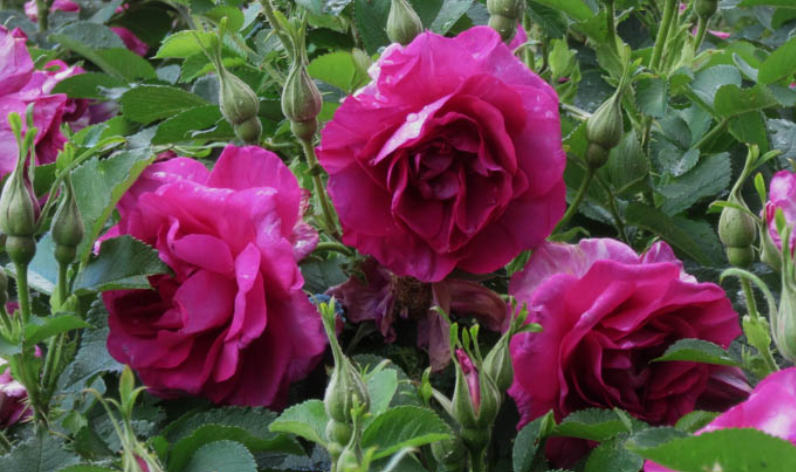
Moss rose, also known as portulaca, earned its name from its small, rose-like double flowers. The fully double varieties have ruffled, layered petals that look like miniature roses on low, spreading plants. Colors include pink, red, orange, yellow, white, and magenta. Flowers open in full sun and close in the evening or on cloudy days.
Moss rose is a heat-loving, drought-tolerant annual that thrives in hot, dry sites where many flowers fail. It grows well across the United States in summer, especially in rock gardens, containers, and sunny borders. It prefers sandy, well-drained soil and needs little water once established. Its succulent leaves store water, helping it survive heat waves.
16. Double Azalea
Double-flowered azaleas have layered petals that create a rose-like look, especially in varieties described as rosebud azaleas. Each flower opens from a pointed bud into a ruffled double bloom. Colors include pink, white, red, salmon, and lavender. Shrubs can be covered in flowers in spring.
Azaleas grow best in partial shade and acidic, well-drained soil rich in organic matter. They are especially popular in the Southeast, where they are a classic spring-flowering shrub. Evergreen types generally grow in Zones 6 through 9. Mulching keeps their shallow roots cool and moist.
17. Dwarf Flowering Almond
Dwarf flowering almond is a small shrub covered in early spring with tiny, fully double pink or white flowers that look like miniature roses. The blooms line the bare stems before the leaves emerge, creating a dramatic display. Each flower is only about ½ inch across but densely packed with petals. The shrub usually grows 4 to 5 feet tall.
Dwarf flowering almond is very cold hardy, growing in Zones 4 through 8. It prefers full sun and well-drained soil and tolerates a range of conditions. Prune right after flowering, since it blooms on the previous year’s growth. It is a good choice for northern gardens where many rose-like shrubs struggle.
18. Peony-Flowered Poppy
Peony-flowered poppies have fully double, ruffled flowers that resemble large roses or peonies. Their tissue-thin petals form rounded, frilly blooms up to 4 inches across. Colors include pink, red, purple, white, and salmon. The blue-green foliage adds to their appeal.
Peony-flowered poppies are easy-to-grow annuals sown directly in the garden in fall or early spring. They grow best in full sun and cool weather, blooming in late spring and early summer. They often reseed themselves from year to year. Avoid transplanting, since they dislike root disturbance.
19. Double Clematis
Several clematis varieties produce fully double flowers that look like flat, open roses. Varieties such as ‘Duchess of Edinburgh’ and ‘Josephine’ have layered petals that create a rosette effect. Colors include white, pink, purple, and blue. Flowers often appear in spring, with a second flush later in summer.
Clematis are climbing vines that grow best with their tops in the sun and their roots in cool shade. They grow in Zones 4 through 9, depending on the variety. Train them on trellises, fences, or arbors, or let them climb through shrubs. Double varieties often bloom double on old wood and single on new growth.
20. Double Hellebore
Double hellebores produce rose-like flowers in late winter and early spring, when few other plants are blooming. Their layered petals form cup-shaped blooms in white, pink, plum, slate, and spotted patterns. They are often called Lenten roses because they bloom around Lent. The flowers last for weeks.
Hellebores are long-lived evergreen perennials that grow best in partial shade. They are hardy in Zones 4 through 9 and resist deer and rabbits. They prefer rich, well-drained soil and benefit from cutting back old leaves in late winter. Mature plants form attractive clumps that bloom for many years.
21. Rosebud Geranium
Rosebud geraniums are a group of zonal geraniums whose flowers never fully open, staying in tight rosebud form. Each cluster contains many tiny double flowers that look like miniature roses. Colors include pink, red, white, and blush tones. Varieties such as ‘Apple Blossom Rosebud’ are old Victorian favorites.
Rosebud geraniums grow as annuals in most of the United States or as perennials in Zones 10 and 11. They thrive in full sun and well-drained soil and are excellent in containers. They can be overwintered indoors as houseplants. Pinching stems encourages bushier growth and more flowers.
22. Camellia-Flowered Balsam
Camellia-flowered balsam produces fully double flowers along its stems that look like small roses or camellias. Each bloom is packed with petals and grows close to the stem. Colors include pink, red, purple, white, and bicolor. It is an old-fashioned annual often found in heirloom gardens.
Balsam grows easily from seed in warm weather and blooms from summer until frost. It prefers full sun to partial shade and moist, rich soil. It grows quickly and often reseeds in favorable conditions. Plant it in borders, cottage gardens, or containers.
23. Echeveria
Echeveria is a succulent whose tight rosettes of fleshy leaves look remarkably like rose blossoms. Its leaves spiral outward from the center just like rose petals, often in blue-green, gray, pink, or purple. Some varieties have pink or red leaf edges that look like petal tips. Many people call them succulent roses.
Echeverias grow outdoors in Zones 9 through 11 and as houseplants or summer container plants elsewhere. They need full sun to bright light and very well-drained soil. Overwatering is the most common cause of problems. They are popular in rock gardens, containers, and wedding arrangements.
24. Clarkia
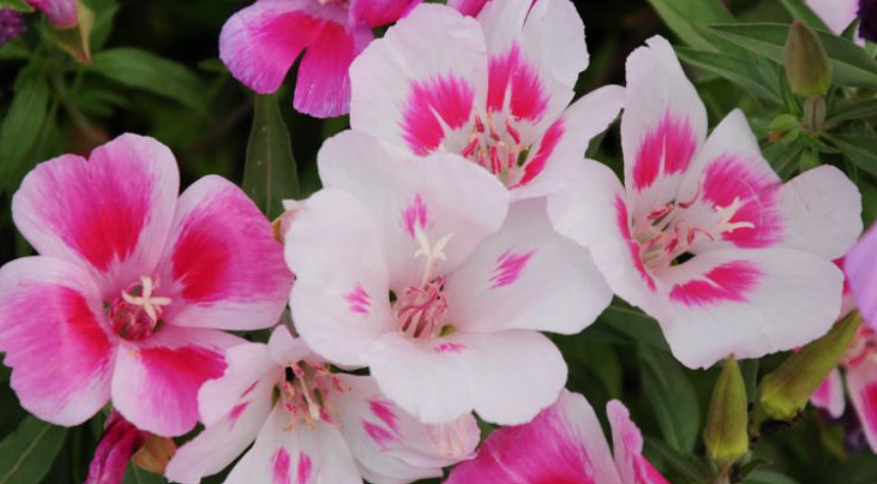
Clarkia, sometimes called satin flower or farewell-to-spring, includes double-flowered forms with ruffled, rose-like blooms along tall stems. The flowers come in pink, salmon, lavender, red, and white. Their satiny petals give them a delicate, romantic look in bouquets. They bloom in late spring and early summer.
Clarkia is native to the western United States, especially California and the Pacific Northwest. It grows best in cool weather, full sun, and lean, well-drained soil. Sow seeds directly in fall in mild climates or early spring elsewhere. It makes a long-lasting cut flower.
25. Ornamental Cabbage
Ornamental cabbage and kale form large rosettes of leaves that look like giant roses. The centers turn pink, purple, red, or white in cool weather, surrounded by green or blue-green outer leaves. Some varieties have ruffled or frilled edges. Their rose-like shape makes them popular for fall displays.
Ornamental cabbage grows best in cool weather, developing its brightest colors after night temperatures drop below 50°F. It is planted in late summer or fall across the United States and often lasts into winter in mild regions. It prefers full sun and rich, well-drained soil. It is used in containers, borders, and fall arrangements.
26. Japanese Kerria
Japanese kerria, sometimes called Japanese rose, has a double-flowered form with bright yellow, pom-pom flowers that resemble small roses. The blooms appear in spring on bright green stems that remain colorful in winter. Each flower is about 1 to 2 inches across. The shrub usually grows 4 to 6 feet tall.
Japanese kerria grows in Zones 4 through 9 and thrives in partial shade. It tolerates a range of soils and is easy to grow. Prune after flowering to maintain shape. It spreads by suckers, so it works well for naturalizing in shaded areas.
27. Double African Violet
Double African violets have layered petals that create rose-like blooms in miniature. The flowers come in purple, pink, blue, white, and bicolor shades. Many varieties have ruffled or frilled edges. They bloom repeatedly throughout the year indoors.
African violets are popular houseplants across the United States. They prefer bright, indirect light and consistently moist, well-drained soil. Water from the bottom to avoid spotting the leaves. With proper care, they can bloom almost continuously.
28. Double Oriental Lily
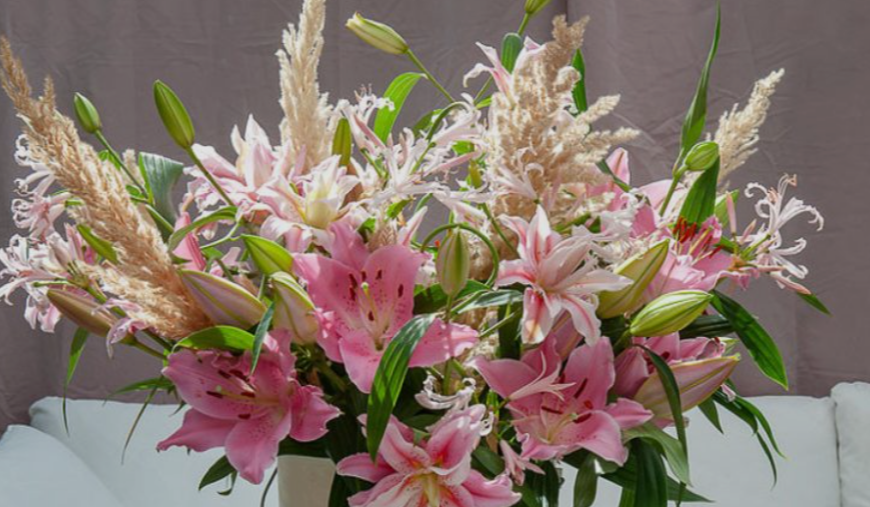
Double Oriental lilies, such as the Roselily series, produce flowers with extra petals that create a rose-like form. These lilies are pollen-free, making them popular for bouquets and for people with allergies. Colors include pink, white, and bicolor shades. They have a rich, sweet fragrance.
Double Oriental lilies grow from bulbs planted in fall or spring. They thrive in full sun to partial shade and well-drained soil in Zones 4 through 9. Mulch helps keep the roots cool. They make excellent cut flowers and long-lasting garden plants.
29. Double Bloodroot
Double bloodroot is a rare form of a native woodland wildflower with fully double white flowers that look like tiny roses or water lilies. The blooms appear in early spring before the leaves fully expand. Each flower is about 2 inches across. The double form lasts longer than the single wild type.
Bloodroot is native to eastern North America and grows in Zones 3 through 8. It prefers partial to full shade and rich, moist, well-drained soil. It spreads slowly to form colonies. It is ideal for woodland gardens and shaded borders.
30. Double Rose of Sharon
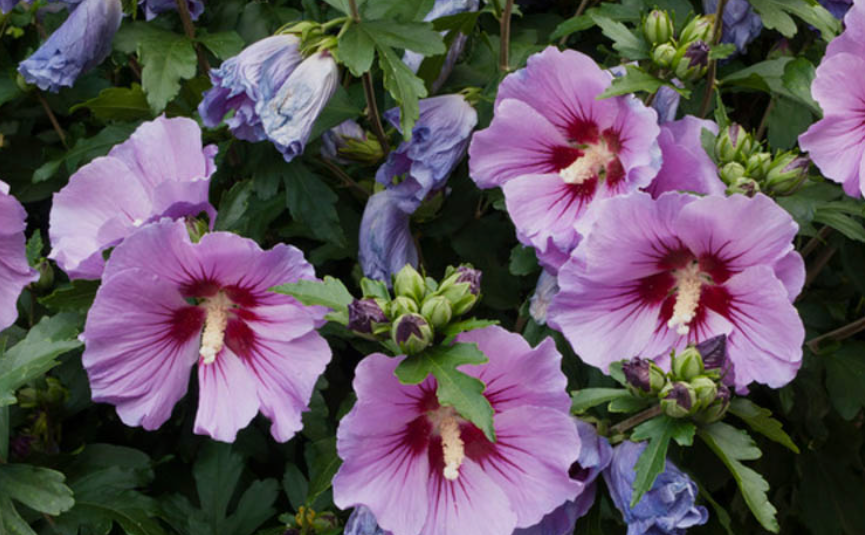
Double rose of Sharon varieties produce ruffled, layered flowers that resemble roses or peonies. The blooms come in white, pink, lavender, blue, and red. Varieties such as ‘Lucy’ and ‘Blue Chiffon’ are especially rose-like. Flowers appear from midsummer into fall, when few shrubs are blooming.
Rose of Sharon is a hardy shrub that grows in Zones 5 through 9. It prefers full sun and well-drained soil and tolerates heat and drought. Prune in late winter or early spring to shape. Some varieties reseed heavily, so choose sterile or low-seeding cultivars where possible.
Sources
Alabama Cooperative Extension System, “The Culture of Camellias, the State Flower of Alabama”
Virginia Cooperative Extension, “Lisianthus: A Potential Plant for the Cut Flower Market”