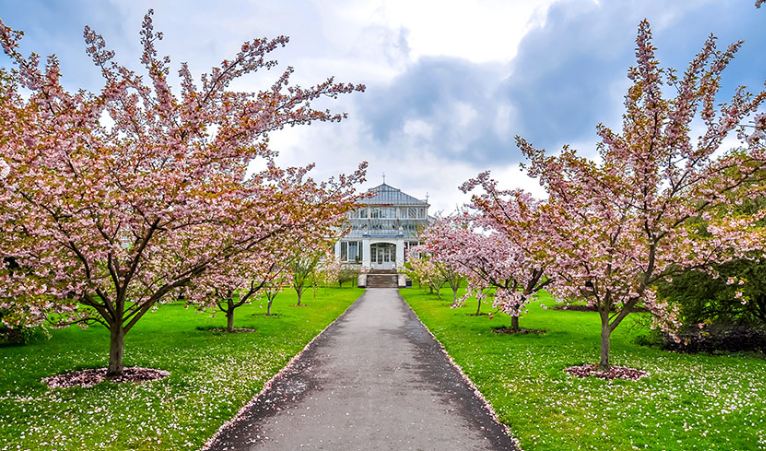
Cherry trees that grow in Oklahoma have a real advantage over those planted in warmer Southern states, since most of the state sits in USDA hardiness zones 6b through 7b and reliably accumulates the winter chill that classic cherry varieties actually need. Traditional sweet and sour cherries typically require between 700 and 1,200 hours of temperatures below 45 degrees Fahrenheit to bloom and set fruit properly, and Oklahoma winters generally deliver that chill without much trouble. The bigger challenge in the Sooner State is not cold but heat, since summer temperatures above 100 degrees and heavy clay soils across much of central Oklahoma can stress cherry trees more than a hard winter ever would.
Oklahoma State University Extension has spent decades trialing cherry cultivars for the state’s specific conditions, and their guidance narrows the field considerably. Sour cherries are consistently rated as better adapted to Oklahoma’s hot, dry summers than most sweet cherries, and only two sweet cultivars are officially recognized as reliably self-fertile in the state without a second pollinator tree nearby. Cherry leaf spot and plum curculio remain the two biggest threats to home orchards, and poorly drained soil causes more tree losses than any single pest or disease.
The 18 varieties below cover native Oklahoma cherry species found growing wild across the prairies and river bottoms, fruiting cultivars recommended by university extension research, and ornamental flowering cherries that thrive in the state’s genuinely cold winters, unlike in subtropical climates where the same trees often struggle.
Black Cherry
Black cherry grows wild throughout the eastern half of Oklahoma, often reaching 60 to 80 feet in mature forest settings along creek bottoms and wooded slopes. The tree produces small, dark fruit in late summer that ripens from red to nearly black and is heavily favored by birds and wildlife. Its glossy leaves turn shades of yellow and red in fall, and the wood has long been prized commercially for furniture and cabinetry.
Chokecherry
Chokecherry is one of the most widespread native cherry species across the Great Plains, found in thickets and along fence lines throughout much of Oklahoma. The shrub or small tree typically grows 10 to 25 feet tall and produces clusters of small, extremely tart red to purple-black fruit in late summer. While too astringent to eat straight off the branch, the fruit has been used for generations in jellies, syrups, and wine.
Western Sandcherry
Western sandcherry is a low-growing native shrub adapted to the sandy soils and dry conditions found across the Oklahoma panhandle and western plains. It rarely exceeds 3 to 6 feet in height, spreading in a mounded form that makes it useful for erosion control on marginal land. The dark purple fruit, produced in summer, is edible and notably higher in sugar than chokecherry, though still tart enough to favor cooking over fresh eating.
Early Richmond
Early Richmond has long been considered the standard pie cherry for Oklahoma growers, with Oklahoma State University Extension listing it among the most consistent producers in the state. The tree typically ripens fruit from early May into June, ahead of most other sour cherry varieties. It is self-fertile, meaning a single tree can produce a full crop without a pollinator planted nearby.
Montmorency
Montmorency remains the benchmark tart cherry not just in Oklahoma but across the entire United States, prized for its bright red color and reliable annual yields. University extension trials rank it alongside Early Richmond as one of the two most dependable sour cherries for home orchards statewide. The tree is self-fertile and typically ripens in early to mid-June, producing fruit well suited to baking, canning, and preserves.
Northstar
Northstar is a genetic dwarf sour cherry that Oklahoma State University specifically calls out as an exception to the general rule that dwarf fruit trees underperform in the state. Rarely growing beyond 8 to 10 feet, it fits easily into smaller home landscapes while still producing a respectable annual harvest. The tree is self-fertile and ripens in the same general window as Montmorency, typically from early to mid-June.
Meteor
Meteor is a sour cherry variety valued by Oklahoma growers largely for its resistance to cherry leaf spot, one of the most persistent disease problems affecting cherry trees statewide. It ripens in the same early-to-mid-June window as Northstar and produces fruit well suited to pies and preserves. The tree is self-fertile and considered a reliable choice for growers dealing with humid, disease-prone microclimates.
Kansas Sweet
Kansas Sweet is classified as a Duke cherry, a naturally occurring hybrid between sweet and sour cherry types that combines traits of both parents. Oklahoma State University Extension notes it requires a pollinator, since Duke cherries cannot be counted on to self-pollinate or reliably cross-pollinate sweet cherry varieties. The fruit ripens in late May to early June with a flavor and texture landing between a true sweet cherry and a tart pie cherry.
Stella
Stella is one of only two sweet cherry cultivars Oklahoma State University Extension specifically identifies as self-fertile and suitable for the state’s growing conditions. It typically ripens from early to mid-June, producing dark red, firm fruit on a moderately vigorous tree. Because it does not require a second variety for pollination, Stella has become a popular choice for home gardeners with limited planting space.
Lapins
Lapins is the second sweet cherry variety officially recognized by Oklahoma State University as reliably self-fertile in state trials. It produces large, dark red, firm fruit with a flavor profile close to Bing, ripening slightly later in the season than Stella. Its ability to set fruit without a pollinator partner makes it especially practical for smaller Oklahoma properties with room for only a single tree.
Bing
Bing is grown successfully across parts of Oklahoma despite requiring cross-pollination, typically paired with Van or another compatible sweet cherry variety planted nearby. The tree needs well-drained soil to perform well, since Oklahoma’s heavier clay soils can otherwise lead to root problems. Fruit ripens to a deep mahogany red in early summer and remains one of the most widely recognized sweet cherries among home growers statewide.
Van
Van serves as both a productive cherry variety in its own right and a dependable pollinator for Bing and other cross-fertile sweet cherries grown in Oklahoma orchards. The tree blooms slightly earlier than many sweet cherry varieties, helping synchronize pollination timing across mixed plantings. Its fruit is smaller than Bing but the tree tends to bear reliably once established in well-drained soil.
Black Tartarian
Black Tartarian is stocked by several Oklahoma nurseries specifically for its intense flavor and large, nearly black fruit, though it does require a solid chill period to set a full crop. The tree ripens early in the sweet cherry season, generally ahead of Bing by a week or more in the same location. Growers are advised to be patient with Black Tartarian, since its extended growing season rewards trees that are given time to mature fully.
Corum
Corum is a sweet cherry cultivar noted for its reddish-pink blush and strong flavor, ripening several weeks earlier than Royal Ann in Oklahoma plantings. It requires a compatible pollinator to produce a full crop, similar to most sweet cherry types grown in the state. Corum’s early ripening window makes it a useful choice for extending the harvest season when paired with later-ripening varieties.
Yoshino Cherry
Yoshino cherry is one of the most widely planted ornamental flowering cherries in Oklahoma, thriving in the state’s genuinely cold winters in a way it cannot in warmer subtropical climates. Trees typically reach 20 to 30 feet with a broad, spreading canopy covered in white to pale pink blossoms in early spring. The small fruit that follows is mostly ornamental, feeding birds rather than serving as a table crop.
Kwanzan Cherry
Kwanzan cherry is prized across Oklahoma landscapes for its ruffled, deep pink double blossoms that put on one of the showiest spring displays of any flowering tree in the state. It typically grows 25 to 30 feet tall with an upright, vase-shaped form when young that broadens with age. Unlike in warmer climates where Kwanzan struggles, Oklahoma’s cold winters allow it to bloom reliably and consistently year after year.
Okame Cherry
Okame cherry blooms earlier than most other flowering cherries grown in Oklahoma, often putting on a bright pink display in late winter before many other trees have broken dormancy. It grows to about 20 to 25 feet with a rounded canopy and tends to hold its flowers for roughly two weeks under good conditions. The tree’s smaller stature makes it a popular choice for residential yards where a full-sized shade tree would be impractical.
Weeping Higan Cherry
Weeping Higan cherry brings a graceful, cascading form to Oklahoma landscapes, with slender branches that arch downward under a covering of soft pink spring flowers. Mature trees can reach 20 to 30 feet tall with an equal or greater spread, making them a common specimen planting in parks and larger home gardens across the state. The tree’s cold hardiness allows it to perform far more consistently in Oklahoma than in regions with milder, less predictable winters.