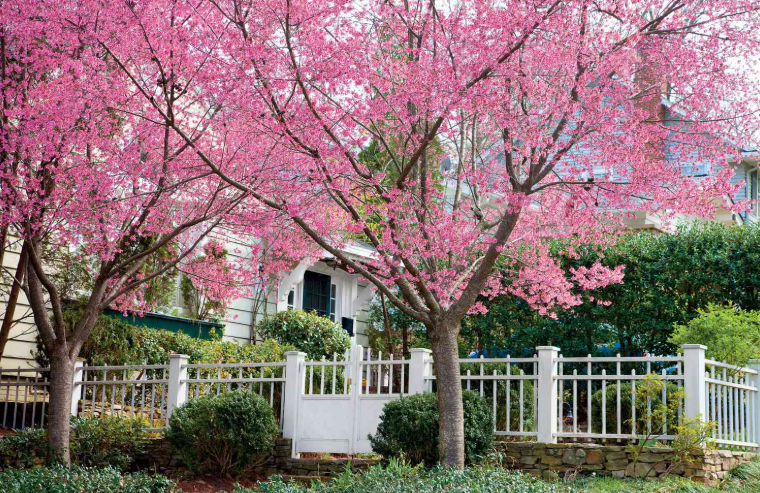
Cherry trees that need pollinators make up the majority of sweet cherry varieties sold today, since most sweet cherries are genetically self-incompatible and cannot be pollinated by their own pollen no matter how many blossoms cover the tree each spring. Washington State University Extension research confirms that most sweet cherry varieties fall into this self-unfruitful category, meaning a second, genetically compatible variety must be planted nearby and blooming at the same time for either tree to produce a real crop. Skip that second tree, and a self-unfruitful cherry can flower beautifully every year while setting little or no fruit at all.
The complication goes even deeper than simply needing any second cherry tree nearby. Several of the most widely grown sweet cherry varieties are also cross-unfruitful with each other, meaning specific pairings will not pollinate one another even though both trees are otherwise capable of producing fruit. Oregon State University Extension groups cherry varieties by both bloom timing and genetic compatibility, since two trees that bloom weeks apart cannot pollinate each other even if their genetics are otherwise a perfect match. Pollinator trees generally need to stand within about 100 feet of each other for reliable pollination, and orchardists rely on compatibility charts to avoid pairing varieties that look complementary but genetically cannot cross.
The 21 varieties below all require a second, compatible cherry tree nearby to set a meaningful crop, and several carry documented pairings they specifically cannot use for pollination.
Bing
Bing is the most widely recognized sweet cherry in North America, but the tree is entirely self-unfruitful and produces almost no fruit without a genetically compatible partner nearby. Extension research from Utah State University specifically notes that Bing will not successfully pollinate Lambert or Royal Ann, despite all three being common commercial varieties often planted in the same region. Growers typically pair Bing with Van or Rainier instead, both of which bloom at a compatible time and share genetics that allow successful cross-pollination.
Lambert
Lambert requires cross-pollination just like Bing, and the two varieties share the same genetic incompatibility group, meaning Lambert cannot be pollinated by Bing pollen despite frequently being planted in mixed orchards. It also will not cross-pollinate with Royal Ann, narrowing the list of workable pollinator partners considerably. Growers generally rely on Van or another compatible early-to-mid-season variety to ensure Lambert sets a full crop.
Napoleon
Napoleon, widely sold under the name Royal Ann in North America, is self-unfruitful and specifically incompatible with both Bing and Lambert, the two varieties it is most often planted alongside commercially. This creates a genuine planning challenge for orchardists, since three of the industry’s most recognizable sweet cherries cannot pollinate one another despite overlapping bloom periods. A compatible fourth variety is typically required to ensure any of the three sets fruit reliably.
Rainier
Rainier needs a pollinator to produce its prized yellow-and-red blushed fruit, but it also functions as an excellent pollen source for many other sweet cherry varieties thanks to its mid-season bloom timing. Growers commonly pair it with Bing, since the two share compatible genetics and overlapping flowering windows. Without a nearby partner, Rainier trees can bloom heavily each spring while producing only a fraction of their potential crop.
Van
Van requires cross-pollination to fruit but is valued specifically for its usefulness as a pollen source, since its bloom timing overlaps well with many other sweet cherry varieties. One notable exception is Regina, which Van cannot successfully pollinate despite both being common commercial cultivars. Its dependable, heavy bloom has made Van one of the standard pollinator choices in mixed sweet cherry orchards.
Black Tartarian
Black Tartarian needs a compatible pollinator to set fruit, but its early, abundant bloom has made it one of the most commonly used pollen sources for other early- and mid-season sweet cherry varieties. Genetic compatibility charts place it in its own distinct pollination group alongside Tulare and Summit. Growers often plant Black Tartarian specifically to support fruit set in nearby varieties, even when its own crop is a secondary consideration.
Sam
Sam is self-unfruitful and requires a genetically compatible partner blooming at the same time to produce fruit, typically paired with mid-season varieties in commercial orchards. Its dark, firm fruit and reliable bloom timing make it a popular partner choice for other varieties in the same pollination window. Without cross-pollination, Sam trees can flower fully while setting very little usable fruit.
Regina
Regina has a documented history of low fruit-set problems tied specifically to pollination difficulties, appearing in Australian orchard surveys alongside other cultivars known for inconsistent cross-pollination results. It will not successfully cross-pollinate with Van, one of the more commonly available pollinator varieties, which narrows the compatible options considerably. Its late bloom timing also means it requires a partner variety that flowers during the same later window rather than an early-season type.
Chelan
Chelan is self-unfruitful and ripens roughly two weeks ahead of Bing, which means any pollinator variety planted alongside it must share that earlier bloom timing to be effective. It will not successfully cross-pollinate with the variety Tieton despite both being relatively early-ripening cultivars. Growers typically choose an early-blooming, genetically compatible partner to ensure Chelan sets a full crop each season.
Kristin
Kristin is self-unfruitful and belongs to a small cluster of early-to-midseason varieties, Kristin, Ulster, and Emperor Francis, that extension research specifically notes will not cross-pollinate one another despite sharing a similar bloom window. This makes variety selection unusually tricky for growers who might otherwise assume any two early-blooming cherries would work as a pair. A compatible fourth variety outside this trio is generally required to pollinate any of the three successfully.
Ulster
Ulster shares the same problematic pollination group as Kristin and Emperor Francis, meaning none of the three can rely on each other despite overlapping bloom times and similar cold-hardiness ratings that often lead growers to plant them together. Its own crop depends on selecting a genetically distinct partner variety blooming during the same early-to-midseason window. This compatibility quirk is specifically documented in Michigan State University Extension guidance for backyard cherry growers.
Emperor Francis
Emperor Francis rounds out the trio of early-to-midseason varieties that cannot pollinate each other, alongside Kristin and Ulster, despite all three being commonly recommended together for cold-hardy home orchards. The variety requires an outside pollinator with compatible genetics and matching bloom time to produce a meaningful crop. Its light-colored, sweet fruit makes it a popular choice for growers willing to plan pollination carefully around this known limitation.
Utah Giant
Utah Giant is specifically described by university extension sources as needing a pollinator such as Van or Stella, without which the tree’s flavorful, disease-resistant fruit fails to develop in any quantity. It produces larger, sweeter fruit than Bing or Lambert when properly pollinated, but its self-unfruitful nature makes pollinator selection essential from the moment of planting. Growers in colder zones often favor it specifically because it tolerates more cold than many other sweet cherry varieties while still requiring the same careful pollination planning.
Attika
Attika is self-unfruitful and belongs to a documented incompatibility cluster alongside Hartland and Gold, meaning none of these three varieties can successfully pollinate one another despite similar bloom timing. It ripens in the late-midseason window and requires a genetically distinct partner variety to set fruit reliably. Its exceptional cold hardiness has made it a popular choice for growers in harsher climates who still need to plan pollination carefully around its known limitations.
Kordia
Kordia is self-unfruitful and falls into its own distinct genetic compatibility group in international pollination charts, meaning growers need to consult detailed compatibility tables rather than guessing based on bloom time alone. Australian orchard surveys have specifically flagged Kordia among cultivars prone to low fruit-set when paired with an incompatible or poorly timed pollinator. Its firm, dark fruit and strong market demand have made correct pollinator pairing a priority for commercial growers.
Summit
Summit is self-unfruitful and shares its genetic compatibility group with Black Tartarian and Tulare, meaning it can rely on either of those varieties as a pollen source if bloom timing lines up correctly. Despite this workable pairing, Summit has also appeared in orchard surveys documenting inconsistent fruit-set tied to pollination timing mismatches. Its large, firm fruit makes correct pollinator placement worth the extra planning for growers pursuing a commercial-quality crop.
Hedelfingen
Hedelfingen is self-unfruitful and occupies its own distinct pollination group alongside the early-ripening variety Burlat, giving growers a workable but narrow set of compatible partners. It typically ripens in the late-midseason window, meaning any pollinator variety needs matching bloom timing as well as compatible genetics. Its dark, sweet fruit and moderate cold hardiness have kept it a steady choice among mid-Atlantic and Midwest home orchardists willing to plan pollination around its specific requirements.
Vega
Vega is self-unfruitful and belongs to a smaller, distinct genetic compatibility group documented in international pollination charts, separate from many of the more commonly planted commercial varieties. This narrower pool of compatible partners means growers need to check compatibility tables carefully before selecting a pollinator for Vega specifically. It is less widely planted in North American home orchards than varieties like Bing or Stella, making pollinator sourcing an extra consideration for growers who choose it.
Windsor
Windsor is self-unfruitful but valued as an effective pollinator for several other midseason sweet cherry varieties once its own pollination needs are met by a compatible partner. Its resistance to bacterial canker, a disease that affects a meaningful share of untreated cherry trees in humid climates, has made it a popular choice in regions where that disease pressure is high. Late-season bloom timing means Windsor needs a partner variety flowering during that same later window to set a reliable crop.
Schmidt
Schmidt is self-unfruitful and typically ripens in the late-midseason window alongside varieties like Attika and Windsor, requiring a genetically compatible partner blooming during that same stretch of the season. It has long been valued in colder growing regions for its combination of large fruit size and reasonable cold tolerance. Extension guidance for backyard growers in colder climates commonly lists Schmidt alongside Hedelfingen and Windsor as viable late-midseason pairings, provided the specific varieties chosen are genetically compatible with one another.