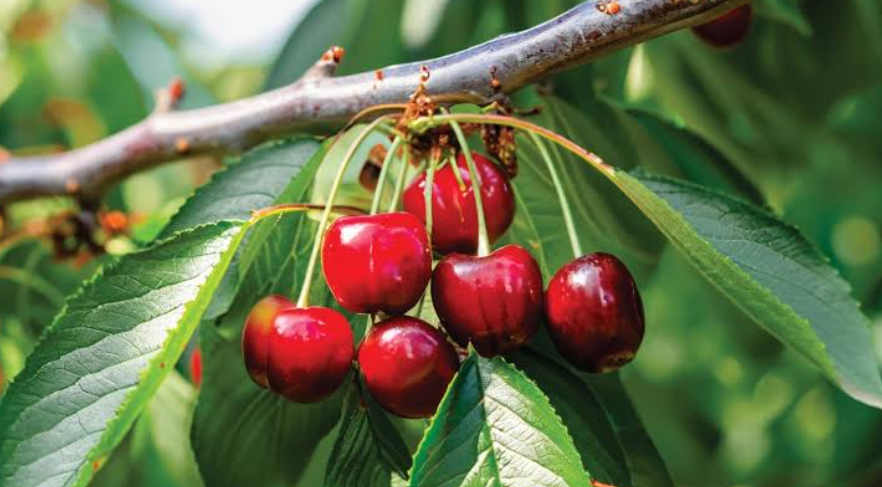
Cherry trees that produce fruit come in a surprising range of shapes, flavors, and growing habits, and choosing the right one can mean the difference between a handful of sour cherries and buckets of sweet, juicy fruit every summer. Home orchardists across the United States plant an estimated 1.5 million cherry trees each year, and roughly 70 percent of those trees are selected specifically for their fruit rather than their spring blossoms alone. With over 1,000 named cherry varieties in cultivation worldwide, narrowing the list down to reliable, well-documented fruit producers takes some guesswork out of the equation.
Fruiting cherry trees generally fall into two broad camps: sweet types eaten fresh off the branch, and sour or tart types prized for baking, preserves, and juice. Sweet varieties typically need between 700 and 1,200 chill hours below 45 degrees Fahrenheit to set fruit properly, while sour types tend to tolerate warmer winters and self-pollinate more easily. A single mature cherry tree can yield anywhere from 30 to 100 pounds of fruit per season once established, usually within three to five years of planting, making the initial variety choice one of the most important decisions a grower makes.
The 17 varieties below represent some of the most productive, widely grown, and dependable fruit-bearing cherry trees available to home gardeners and small orchard owners today. Each one has a distinct harvest window, flavor profile, and growing requirement, so understanding these differences helps match the right tree to the right climate and purpose.
Bing
Bing remains the most widely planted sweet cherry in North America, accounting for close to 40 percent of commercial sweet cherry acreage in Washington State alone. The fruit ripens to a deep mahogany red and typically reaches sizes of 9 to 10 grams per cherry, with sugar content measuring between 17 and 20 degrees Brix at peak ripeness. Trees need a pollinator partner nearby since Bing is not self-fertile, and harvest generally falls in late June to early July depending on region.
Rainier
Rainier produces a yellow-blushed-with-red cherry that commands some of the highest prices at market, often two to three times that of standard red varieties. The tree requires around 800 chill hours and benefits from a pollination partner such as Bing or Van planted within 50 feet. Sugar levels in Rainier fruit frequently exceed 19 percent Brix, giving it a reputation as one of the sweetest cherries grown commercially.
Stella
Stella holds the distinction of being the first widely available self-fertile sweet cherry, meaning a single tree can produce a full crop without a second variety nearby. Introduced in Canada in the 1960s, it now accounts for a significant share of backyard cherry plantings across temperate climates. Fruit ripens in early to mid-summer, with individual cherries averaging 8 to 9 grams and a firm, dark red flesh well suited to both fresh eating and canning.
Lambert
Lambert has been cultivated since the 1840s and remains valued for its late-season harvest, typically two to three weeks after Bing in the same climate. The tree can grow to heights of 35 feet if left unpruned, making it one of the larger sweet cherry varieties still in common use. Fruit is dark red to nearly black at full ripeness, with a firm texture that holds up well during shipping and storage.
Van
Van is a dependable pollinator variety that also produces a substantial crop of its own, with mature trees regularly yielding 50 to 80 pounds annually. The cherries are smaller than Bing, averaging around 7 grams each, but the tree’s heavy, consistent bearing habit makes it a favorite among orchardists who want reliability over size. Van blooms slightly earlier than many sweet varieties, which helps synchronize pollination across mixed orchards.
Sweetheart
Sweetheart earns its name from a sugar content that regularly tests above 18 degrees Brix, paired with a heart-shaped fruit that ripens two to three weeks after Bing. This late timing extends the harvest season considerably, giving growers fresh cherries well into midsummer. The tree is partially self-fertile, though yields improve by 20 to 30 percent with a compatible pollinator nearby.
Lapins
Lapins was developed in British Columbia in the 1980s and combines self-fertility with large fruit size, often averaging 10 grams per cherry. It has become one of the most commercially significant self-pollinating sweet cherries grown today, valued for its firm flesh and resistance to splitting after rain. Harvest typically occurs in early to mid-July, placing it in the mid-to-late range of the sweet cherry season.
Montmorency
Montmorency dominates the tart cherry market, representing an estimated 94 percent of the sour cherry acreage grown in the United States. The tree is naturally self-fertile, compact, and considerably more cold-hardy than sweet cherry types, tolerating winter temperatures down to negative 20 degrees Fahrenheit. Fruit is bright red, tart, and harvested in July, with a single mature tree producing 30 to 50 pounds annually, most of which goes toward baking, drying, or juicing.
North Star
North Star is a dwarf tart cherry variety that rarely exceeds 10 feet in height, making it a popular choice for small yards and container growing. Despite its compact size, a mature tree can still produce 20 to 30 pounds of fruit per season. It is self-fertile, extremely cold-hardy, and known for a bright, tangy flavor that intensifies when the fruit is left on the branch a few extra days past initial color change.
Black Tartarian
Black Tartarian is one of the oldest sweet cherry varieties still in commercial cultivation, with records tracing its introduction to the 1790s. The fruit turns nearly black at full maturity and ripens early in the season, often ahead of Bing by a week or more. Trees are vigorous growers, frequently reaching 30 feet at maturity, and the variety serves as a reliable pollinator for many other sweet cherry types.
Sam
Sam produces a large, dark red to black cherry and is widely used both for fresh consumption and as a pollination partner in mixed orchards. The tree typically reaches full production within four years and yields fruit averaging 8 to 9 grams each. Sam ripens in the midseason window, generally overlapping with Bing, and its blossoms tolerate light frost better than many other sweet varieties.
Regina
Regina has gained popularity among commercial growers for its exceptional resistance to rain-induced fruit cracking, a trait that protects an estimated 80 to 90 percent of the crop during wet harvest periods compared to more vulnerable varieties. The cherries are large, dark, and firm, with a late harvest that extends the sweet cherry season into late July in many regions. Regina requires cross-pollination and pairs well with earlier-blooming varieties such as Bing or Van.
Skeena
Skeena is a late-season sweet cherry developed in Canada that produces large, firm, dark red fruit averaging 10 to 11 grams per cherry. The tree shows good resistance to cracking and typically ripens about a week after Bing under similar growing conditions. Skeena requires a pollinator and performs best in regions with at least 700 chill hours over winter.
Chelan
Chelan is known as one of the earliest-ripening sweet cherry varieties, often ready for harvest 7 to 10 days before Bing in the same orchard. The fruit is firm, dark red, and holds its shape well during transport, which has made it popular with commercial shippers. Trees are moderately vigorous and require a pollination partner to produce a full crop.
Kristin
Kristin produces a large, heart-shaped, dark red cherry and is notable for its relatively low chill requirement compared to other sweet varieties, making it suitable for slightly milder winter climates. The tree bears fruit within three to four years of planting and yields cherries with firm flesh well suited to fresh eating. Kristin blooms in the early-to-midseason range and benefits from a nearby pollinator such as Van.
Napoleon
Napoleon, also sold under the name Royal Ann in parts of North America, produces a yellow cherry blushed with red that has long been favored for canning and maraschino production. The tree dates back centuries in European cultivation and has since become a mainstay in Pacific Northwest orchards. Fruit ripens in the midseason window and averages 8 grams per cherry, with a firm texture that holds up well during processing.
Windsor
Windsor is a hardy sweet cherry variety originally developed in Canada, valued for its dependable late-season yields and resistance to bacterial canker, a disease that affects an estimated 10 to 15 percent of untreated cherry trees in humid climates. The fruit is dark red, firm, and ripens after most other sweet varieties have finished, extending fresh harvest into late summer in favorable regions. Windsor also serves as an effective pollinator for several midseason cherry types.