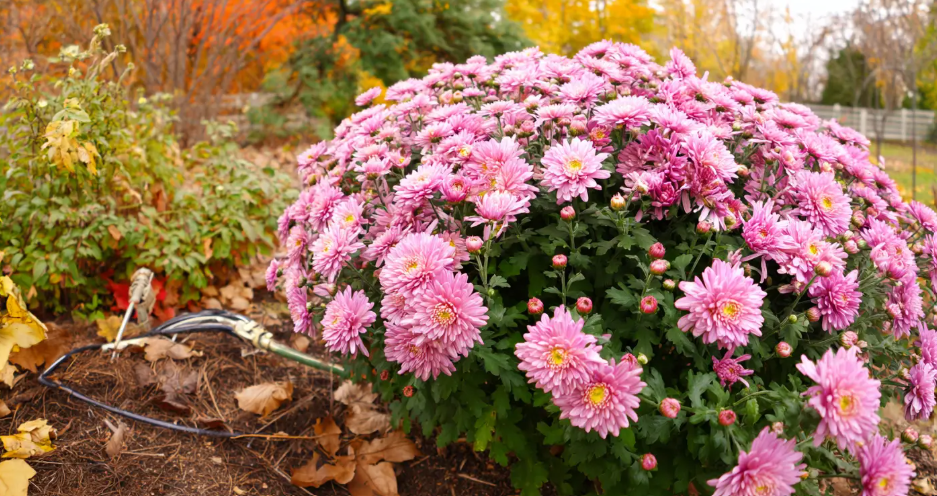
Chrysanthemums, commonly called mums, are among the most rewarding flowers to grow in the garden. They produce abundant blooms in shades of yellow, white, pink, red, orange, purple, and bronze, and their flowers can last for weeks when plants receive the right growing conditions. Although chrysanthemums are often associated with fall gardens, they can provide color at different times of the year depending on the variety and climate.
Growing healthy chrysanthemums is not particularly difficult. The biggest factors are choosing a suitable variety, providing plenty of sunlight, planting in well-drained soil, watering consistently, and maintaining good air circulation. With a little seasonal care, chrysanthemums can return year after year and become reliable sources of late-season color.
Choose the Right Chrysanthemum Variety
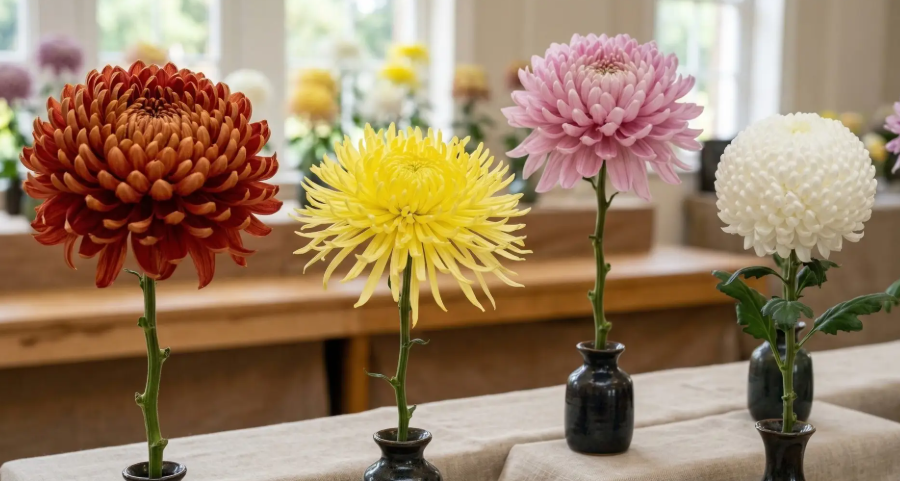
Before planting, consider how you want to use chrysanthemums in your garden. Some varieties are compact and naturally form rounded mounds, making them useful for borders, containers, and flower beds. Others grow taller and work well toward the back of a garden bed or as cut flowers.
Hardy garden mums are generally better choices for gardeners who want plants that can survive outdoors from one season to another. Florist chrysanthemums sold in decorative pots can also be beautiful, but they are not always selected for long-term outdoor performance.
When possible, choose healthy plants with strong stems, green foliage, and no obvious signs of insects or disease. Plants with many unopened flower buds can also provide a longer display after planting.
Where to Plant Chrysanthemums
Chrysanthemums perform best in a location that receives plenty of sunlight. Aim for approximately 6 hours or more of direct sunlight per day. Morning and early afternoon sunlight are particularly useful because they encourage vigorous growth while allowing foliage to dry relatively quickly.
Avoid planting mums in areas where water regularly collects after rain. Poor drainage can leave roots sitting in saturated soil and increase the risk of root problems.
Good air circulation is also important. Give plants enough space so their leaves are not constantly pressed against neighboring plants. Crowded conditions can create a humid environment around the foliage and encourage fungal diseases.
Prepare the Soil
Mums grow well in fertile soil that drains efficiently. Before planting, loosen the soil to a depth of roughly 8 to 12 inches and remove large stones, weeds, and old roots.
If the soil is poor, incorporate mature compost or other well-decomposed organic matter. This can improve soil structure while providing a gradual supply of nutrients.
Avoid creating a planting hole filled entirely with rich material that differs dramatically from the surrounding soil. Roots should be encouraged to grow outward into the native soil rather than remaining confined to a small pocket.
A slightly acidic to neutral soil is generally suitable for chrysanthemums. The more important consideration for most home gardeners, however, is good drainage and adequate fertility.
How to Plant Chrysanthemums
Plant chrysanthemums after the danger of severe frost has passed if you are establishing them outdoors in spring. Spring planting gives the roots plenty of time to become established before the plants face winter.
Dig a hole approximately as deep as the plant’s root ball and somewhat wider. Remove the plant carefully from its container and gently loosen roots that are tightly circling around the outside of the root ball.
Place the plant at approximately the same depth at which it was growing in its container. Backfill with soil, gently firm the area around the roots, and water thoroughly.
Space plants according to their mature size rather than their appearance when newly purchased. Small plants can expand considerably during the growing season, and adequate spacing helps maintain airflow.
Watering Chrysanthemums
Newly planted chrysanthemums need regular watering while they establish their root systems. Water deeply enough to moisten the root zone, then allow excess water to drain away.
Once established, mums generally prefer consistently moist soil rather than repeated cycles of extreme dryness followed by heavy watering. During hot or dry weather, check the soil regularly.
A useful approach is to feel the soil several inches below the surface. If it is becoming noticeably dry, water the plant thoroughly. Container-grown chrysanthemums usually require more frequent attention because containers dry out faster than garden soil.
Whenever possible, water the soil around the base of the plant instead of repeatedly wetting the leaves. Watering early in the day allows moisture that reaches the foliage to dry more quickly.
Fertilizing Chrysanthemums
Chrysanthemums benefit from adequate nutrition during active growth, particularly when they are expected to produce numerous flowers.
A balanced fertilizer can be applied during the growing season according to the product’s directions. Avoid excessive nitrogen, however. Too much nitrogen can encourage lush leafy growth at the expense of the flowering display.
Plants growing in fertile soil may require less supplemental fertilizer than those growing in poor soil. A soil test can be useful if chrysanthemums consistently grow poorly despite receiving adequate sunlight and water.
As flower buds develop, maintaining steady growing conditions is often more important than repeatedly adding fertilizer.
Pinching Chrysanthemums for Bushier Growth
One of the most useful techniques for growing compact, heavily branched chrysanthemums is pinching.
When young shoots reach several inches in length, remove the growing tip. This encourages the plant to produce additional side branches. More branches can eventually mean more flower-producing stems.
Pinching is normally performed during the vegetative growth period rather than immediately before flowering. Stop pinching well before the expected bloom period so the plant has time to develop flower buds.
The exact timing depends on the variety and local climate. If you are growing a particular cultivar, follow recommendations specific to that variety whenever available.
Deadheading Chrysanthemums
Once individual flowers fade, removing them can improve the plant’s appearance and prevent the garden from looking untidy.
Cut or pinch off spent flower heads just above a healthy set of leaves. Deadheading also directs the plant’s energy toward remaining flowers and vegetative growth.
However, chrysanthemums naturally have a limited flowering period. Removing old flowers will not make every variety bloom indefinitely, so it is best viewed as a maintenance practice rather than a way to permanently extend flowering.
Chrysanthemums in Containers
Mums are excellent container plants because their compact growth and colorful flowers can brighten patios, balconies, entrances, and other small spaces.
Use a container with drainage holes and a quality potting mix rather than heavy garden soil. Choose a container large enough to accommodate the plant’s mature root system.
Container plants dry out faster than plants growing in the ground, especially during hot weather. Check moisture frequently and water when the potting mix begins to dry.
Place the container where the plant receives adequate sunlight, and rotate it occasionally if growth becomes noticeably uneven.
Common Chrysanthemum Problems
Several problems can affect chrysanthemums, but many can be reduced through proper growing conditions.
Yellowing leaves may result from overwatering, poor drainage, nutrient problems, or naturally aging foliage. Examine the soil and roots rather than assuming fertilizer is always the solution.
Wilting can occur when plants are too dry, but excessive moisture can also damage roots and cause similar symptoms. Check the soil before watering again.
Leggy growth is often associated with insufficient sunlight or a lack of pinching during early growth.
Powdery mildew and other fungal diseases are more likely when foliage remains damp and plants are crowded. Good spacing, adequate sunlight, and careful watering can reduce these conditions.
Mums may also attract aphids, spider mites, thrips, and other plant pests. Inspect the undersides of leaves and growing tips regularly. Early detection makes pest management considerably easier.
Preparing Chrysanthemums for Winter
The winter survival of chrysanthemums depends heavily on the variety and local climate. Hardy garden mums have a better chance of returning than tender varieties.
In colder areas, leave healthy plants in the ground after flowering and apply a layer of mulch around the root zone once the soil has cooled. Mulch can help moderate soil temperature and reduce repeated freezing and thawing.
Avoid piling thick, wet mulch directly against the crown of the plant. The goal is to protect the root zone while allowing adequate airflow around the plant’s base.
Some gardeners leave old stems standing through winter and cut them back in spring. This can provide additional protection to the crown and makes it easier to identify where new growth will emerge.
Propagating Chrysanthemums
Established chrysanthemums can be propagated through cuttings or division. Division is particularly useful when an older plant has become large and crowded.
In spring, carefully dig up a healthy plant and divide the root mass into sections, ensuring each section has healthy roots and shoots. Replant the divisions promptly and keep them adequately watered while they establish.
Stem cuttings can also be rooted under suitable conditions. Taking healthy young shoots during the active growing season can produce new plants genetically identical to the parent.
Final Tips for Growing Beautiful Mums
The secret to successful chrysanthemums is consistency rather than complicated care. Start with a suitable variety, give it plenty of sunlight, plant it in well-drained fertile soil, and maintain even moisture without keeping the roots constantly wet.
Regular inspection is equally valuable. Check plants for unusual leaf spots, insects, wilting, or changes in growth before problems become severe. Pinching young plants can create fuller growth, while deadheading helps keep established plants attractive during flowering.
With the right variety and a little seasonal maintenance, chrysanthemums can become dependable garden performers. Their wide range of colors, flower forms, and growth habits makes them suitable for everything from containers and small borders to larger perennial gardens.