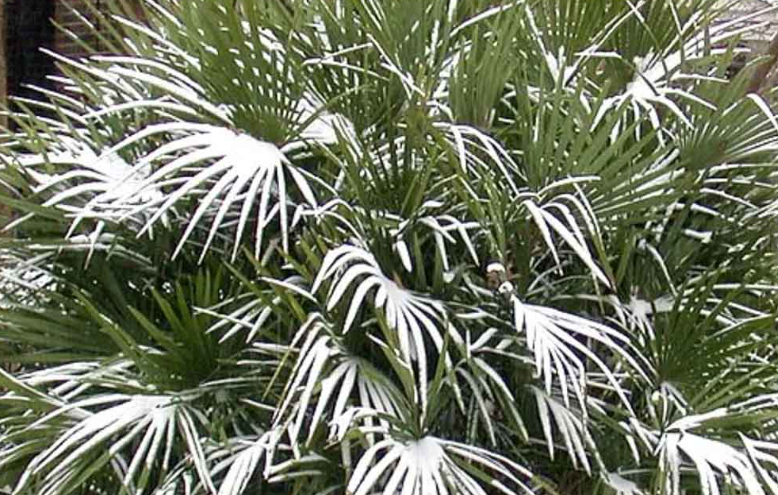
Palm trees carry the universal language of warmth, leisure, and tropical abundance — their silhouettes against a blue sky instantly communicating something about heat, relaxation, and the pleasures of warm climates. For most of the history of horticulture, this association was entirely accurate. Palms were plants of the tropics and subtropics, their cultivation in temperate regions restricted to botanical conservatories and the most sheltered, frost-free coastal gardens. That picture has changed dramatically in recent decades, as collectors, nurseries, and botanical researchers have identified, selected, and developed a remarkable range of palm species with cold tolerance far beyond what was once considered possible.
Cold hardy palms are one of horticulture’s great modern success stories. Thirty years ago, a palm planted outdoors in London, Paris, Atlanta, or Seattle would have been considered an eccentric novelty requiring heroic winter protection. Today, thanks to the discovery of exceptionally cold-tolerant species and the selection of hardier forms within existing species, palms grow permanently outdoors across a far wider geographic range than any previous generation of gardeners would have considered realistic. Some species have survived temperatures as low as -20°F (-29°C) — figures that would have seemed impossible to palm enthusiasts even half a century ago.
The global palm family — arecaceae — encompasses an estimated 2,600 known species distributed across tropical and subtropical regions worldwide. Of these, only a relatively small proportion — perhaps 100 to 150 species — show meaningful cold hardiness sufficient to survive outdoor conditions in temperate climates. Within that group, an even smaller number combine genuine cold tolerance with ornamental quality, garden availability, and practical growing requirements that make them realistic propositions for temperate gardeners. The 40 palms in this guide represent the finest and most practically achievable of this select group.
Growing cold hardy palms in marginal climates is as much about microclimate management as about species selection. A south or southwest facing wall that absorbs heat through the day and releases it at night can make a difference of several degrees to the minimum temperature a plant experiences. Free drainage is essential — palms that survive cold temperatures in dry conditions frequently die in wet cold, as waterlogged roots are far more vulnerable to frost damage than dry ones. And young plants are always more vulnerable than established ones — protecting a palm through its first two or three winters, while the root system develops, is often the difference between a long-lived garden specimen and a winter casualty.
Also Read: Difference Between Palm And Coconut Trees
1. Windmill Palm
The windmill palm is the most cold-hardy of all the fan-leaved palms and one of the most widely grown ornamental palms in temperate climates worldwide — a slender, elegant palm from the mountains of central China that has survived temperatures as low as 5°F (-15°C) in sheltered, well-drained garden positions.
The distinctive trunk is covered in a fibrous, dark brown matting that provides natural insulation against cold — one of the physical adaptations that contributes to its exceptional cold tolerance. The fan-shaped leaves are deep green and retained through winter, providing year-round tropical character.
It grows slowly to fifteen to twenty feet over many decades, and its narrow, manageable footprint makes it suitable for smaller gardens and urban courtyards where space is limited but the drama of a genuine palm is desired.
2. Mediterranean Fan Palm
The Mediterranean fan palm is a multi-stemmed, clumping fan palm from the coastal regions of the Mediterranean that produces multiple trunks from a single base — creating a bold, spreading, architectural form quite distinct from the single-trunked palms more commonly encountered.
It is one of the most cold-hardy of the fan palms, tolerating temperatures down to around 10°F (-12°C) when established and well-drained — a cold tolerance that has made it one of the most widely planted ornamental palms across the southern United States, the Mediterranean basin, and the sheltered coastal gardens of northern Europe.
The striking, multi-trunked form develops impressive scale over time and creates a genuinely tropical visual impact in the landscape that single-stemmed palms of equivalent height cannot match.
3. Needle Palm
The needle palm holds the distinction of being the most cold-hardy palm in the world — a low-growing, clumping native of the southeastern United States that has survived temperatures as low as -5°F (-20°C) in documented garden trials, and potentially colder in exceptional conditions.
Its common name reflects the viciously sharp, black needle-like spines that cover the base of the plant — a physical feature that makes it an outstanding security planting as well as a remarkable cold-hardy ornamental. The dark green, fan-shaped leaves are retained through winter with minimal damage even in severe cold.
It is native to the coastal plain from North Carolina to Florida — a native range that includes regions with genuine cold winters — and its adaptation to these conditions reflects millions of years of evolutionary cold-climate experience.
4. Pindo Palm
The pindo palm — also known as the jelly palm — is a medium-sized feather-leaved palm from South America that combines cold hardiness to around 10 to 15°F (-9 to -12°C) with the production of edible orange fruits that can be used to make jelly — a rare combination of cold tolerance and fruit utility in a single ornamental palm.
The arching, silver-blue to grey-green feather leaves are among the most elegantly beautiful of any cold-hardy palm, giving the plant a refined, graceful character quite different from the stiff, upright forms of many cold-tolerant fan palms. The trunk develops attractive persistent leaf base scars over time.
It grows to fifteen to twenty feet at maturity and is one of the most widely planted feather-leaved palms in the southeastern United States and similar climates, valued equally for its ornamental quality and its cold-climate performance.
5. Sabal Palmetto
The sabal palmetto is the state tree of both South Carolina and Florida — a large, robust, cold-hardy fan palm that can tolerate temperatures down to 10 to 15°F (-9 to -12°C) when established and that plays an important ecological and cultural role across the coastal American Southeast.
It grows to thirty to forty feet with a stout, rough-barked trunk and large, fan-shaped leaves that create a classic, imposing tropical silhouette. The trunk is exceptionally robust and wind-resistant — sabal palmettos routinely survive hurricane-force winds that devastate other trees — making them one of the most structurally reliable palms for exposed coastal sites.
Sabal palmetto is used extensively in streetscaping, coastal landscaping, and public planting across Florida, Georgia, and the Carolinas, where its combination of cold hardiness, wind resistance, and imposing mature form makes it the most practical and appropriate large palm for regional planting.
6. Saw Palmetto
Saw palmetto is a low-growing, spreading, clumping native palm of the southeastern United States that rarely exceeds five to six feet in height but spreads into broad, multi-stemmed colonies of considerable presence and ecological significance — providing dense wildlife habitat and valuable food resources across enormous areas of its native coastal plain habitat.
The silver-green to blue-green, fan-shaped leaves are attractive and persistent through winter, and the plant tolerates cold down to around 10°F (-12°C) with good resilience. The small, dark berries produced in autumn have been harvested for traditional medicine use for centuries.
It is one of the most extensively planted native landscape plants in Florida, where it covers an estimated 10 to 15 percent of the state’s total land area in natural and semi-natural plant communities.
7. Texas Sabal Palm
The Texas sabal palm is a native feather palm of extreme southern Texas and northeastern Mexico that has demonstrated surprisingly good cold tolerance for a palm of subtropical origin — surviving temperatures as low as 12 to 15°F (-9 to -11°C) when established and protected from wet cold.
It grows to forty feet or more with a stout trunk and large, drooping feather leaves that create a particularly graceful and refined tropical silhouette. In its native Rio Grande Valley habitat it represents the northernmost extent of palm forest in the United States — a distribution that reflects the cold tolerance developed through adaptation to the region’s occasionally severe winter cold snaps.
It is a protected species in Texas, where the restoration of sabal palm groves has been an important conservation effort in the Lower Rio Grande Valley — one of North America’s most biologically diverse regions.
8. Dwarf Palmetto
Dwarf palmetto is a low-growing fan palm native to the coastal plain of the southeastern United States that shares much of its natural range with needle palm — making it one of the most cold-tested and naturally cold-adapted palms available to gardeners in the American South.
It tolerates cold down to around 5 to 10°F (-15 to -12°C) and produces attractive, fan-shaped, blue-green leaves on plants that rarely exceed five feet in height — making it one of the most practical and manageable cold-hardy palms for smaller gardens and landscape situations where a low, spreading, clumping form is appropriate.
Like needle palm, it spreads into clumping colonies over time and is one of the most reliable and self-sustaining native palms available for naturalistic landscape planting in the southeastern United States.
Also Read: Major Palm trees that grow well in south carolina
9. Chinese Fan Palm
The Chinese fan palm is a striking ornamental palm from southeastern China and Taiwan that produces large, deeply divided, pendulous fan leaves with a characteristic drooping fringe at the tips — creating a graceful, refined, slightly weeping tropical character quite distinct from the stiff, upright fan leaves of windmill and Mediterranean fan palms.
It tolerates cold down to around 22 to 25°F (-5 to -4°C) — less cold-hardy than the windmill palm but considerably more ornamentally dramatic — and grows to thirty to forty feet in warm climates or more modestly in the cooler regions where it is marginal.
It is widely grown as a street tree and landscape specimen across warmer parts of the United States, particularly in Florida, California, and the Gulf Coast states, where its elegant, pendulous leaf form provides a more refined tropical character than many other commonly planted palms.
10. European Fan Palm
The European fan palm is the most northerly distributed palm species in the world — growing naturally as far north as the coastline of France and the Channel Islands, where its natural occurrence under cool maritime conditions has shaped a cold tolerance superior to most fan palms.
It produces a clumping form of multiple stems, each topped with fan-shaped leaves of a distinctive, deep, blue-green color that is particularly handsome. The stems are covered in dark fibrous matting similar to the windmill palm and grow slowly to eight to fifteen feet.
It tolerates temperatures down to around 15°F (-9°C) in well-drained conditions and is considered one of the most appropriate palms for sheltered garden positions in the warmest parts of the British Isles and similar cool maritime climates.
11. Sabal Minor
Sabal minor — the bush palmetto — is one of the smallest and most cold-hardy of all the sabal palms, a low-growing, essentially stemless fan palm of the southeastern United States that tolerates cold down to around 5°F (-15°C) and provides an effective, low-maintenance, year-round tropical ground layer in appropriate climates.
The fan-shaped leaves are large, bold, and deep green — creating a strong visual impact despite the plant’s low height — and persist through winter with good resilience in cold conditions. It is one of the most underused and underappreciated cold-hardy palms in American horticulture.
Its tolerance of shade, wet soils, and cold combined with its naturally low maintenance requirements make it one of the most practically useful palms for difficult, low-maintenance landscape situations in the mid-South and southeastern United States.
12. Canary Island Date Palm
The Canary Island date palm is one of the most instantly recognizable and widely planted ornamental palms in the world — its massive, barrel-shaped trunk and enormous, arching crown of feather leaves creating one of the most imposing and architecturally commanding plant forms available in warm-climate horticulture.
It tolerates cold down to around 18 to 22°F (-7 to -5°C) — more cold-sensitive than many palms in this guide but included for its extraordinary ornamental value in marginally warm climates. Mature specimens in Mediterranean, Californian, and Gulf Coast landscapes become genuinely monumental plants of extraordinary presence.
It is one of the most expensive ornamental trees to transplant when large — mature specimens have been sold for prices exceeding $50,000 — reflecting both the decades required to reach impressive size and the extraordinary visual impact they deliver in landscape settings.
13. Bismarck Palm
The Bismarck palm is one of the most dramatically colored of all cold-hardy palms — a large, stately Madagascar native whose enormous, circular fan leaves are a vivid, metallic silver-blue in the most ornamental forms, creating one of the most visually striking tropical plant silhouettes available in warm-temperate horticulture.
It tolerates cold down to around 25°F (-4°C) when established — marginally hardy in sheltered positions in USDA Zone 9 — and grows to forty feet or more with a stout trunk and an enormous, rounded crown of spectacularly colored leaves that can reach ten feet across.
The silver-blue leaf color is particularly extraordinary — one of the most intense and sustained metallic blues available from any large-leaved plant — and in landscapes where it can be grown, the Bismarck palm creates an immediate and unforgettable impression.
14. California Fan Palm
The California fan palm is the only palm species native to the western United States — a tall, dramatic fan palm of desert oases in California’s Colorado Desert and adjacent areas that grows naturally in the harsh, seasonally cold conditions of high desert oases where winter temperatures can drop to around 15 to 20°F (-9 to -7°C).
It grows to seventy-five feet in ideal conditions — making it the tallest native palm in North America — with a stout trunk and an imposing crown of large, fan-shaped leaves retained in a characteristic “skirt” of dead leaves below the living crown. The white flowers and small black fruits are important wildlife food resources.
In landscape use it is valued for its dramatic scale, exceptional drought tolerance once established, and its native status in California landscapes where ecological appropriateness is an increasingly important design consideration.
15. Sago Palm
Despite its common name, the sago palm is technically a cycad rather than a true palm — an ancient plant lineage predating the dinosaurs by over 100 million years — but its palm-like appearance and universal horticultural classification alongside palms justify its inclusion in this guide.
It tolerates cold down to around 15 to 20°F (-9 to -7°C) when established and well-drained, and produces an extremely slow-growing but architecturally dramatic rosette of stiff, dark green feather-like fronds on a thick, rough-barked trunk or base. It grows to ten feet or more over many decades.
The sago palm has been cultivated in Japanese gardens for over 1,000 years and has been used as a landscape plant across warm climates worldwide for centuries — a longevity of horticultural use that reflects its extraordinary durability, adaptability, and ornamental consistency.
16. Jelly Palm ‘Dwarf Form’
The dwarf jelly palm varieties represent a significant development in cold-hardy feather palm cultivation — providing the graceful, arching, silver-blue feather leaf quality of the standard pindo palm in a more compact form of eight to twelve feet that suits a wider range of garden and landscape situations.
The smaller size makes the dwarf forms more practical for residential gardens, containers, and landscape situations where the standard twenty-foot size of the standard species would be inappropriate. The cold tolerance of the dwarf forms is equivalent to or slightly exceeding that of the standard — around 12 to 15°F (-9 to -11°C).
The ornamental fruit production — clusters of orange to yellow edible fruits that can be made into jelly — adds a further dimension of interest and utility to these compact cold-hardy palms.
17. Rhapidophyllum (Blue Needle Palm)
Blue needle palm — not to be confused with standard needle palm — is a separate species of exceptional cold hardiness that has withstood temperatures as low as -10°F (-23°C) in trial plantings — one of the most extraordinary cold tolerance figures documented for any palm species and a performance that places it among the most cold-hardy palms in cultivation.
It produces blue-green fan leaves on a slow-growing, low-growing, densely clumping plant that is armed with long, rigid, black needle spines similar to the needle palm. The combination of extreme cold tolerance and the deep blue-green leaf color makes it one of the most valuable palms for genuinely cold-climate gardens.
Its slow growth rate — one of the slowest of any cold-hardy palm, adding only a few inches per year — means that large specimens are rare and correspondingly valuable in the nursery trade.
18. MacArthur Palm
The MacArthur palm is a clumping, tropical feather palm that produces multiple elegant stems from a single base — each stem topped with graceful, arching, glossy green feather leaves that create an exceptionally refined and tropical-looking effect.
It tolerates cold down to around 28 to 30°F (-2 to -1°C) — relatively cold-sensitive compared to many palms in this guide but included for its exceptional ornamental quality in USDA Zones 10 and 11 and its suitability for sheltered courtyard situations in Zone 9b.
The multi-stemmed, elegant form is particularly effective in sheltered garden settings where its graceful, refined appearance can be appreciated at close range — providing a tropical sophistication that single-stemmed palms of equivalent height rarely achieve.
19. Butia Palm
Butia — the pindo palm family — encompasses several species beyond the standard jelly palm, and several of these relatives show exceptional cold hardiness combined with ornamental qualities that make them valuable alternatives to the most commonly planted cold-hardy feather palms.
Butia eriospatha — the wooly butia — in particular has demonstrated cold tolerance to around 5°F (-15°C) in documented trials, making it one of the most cold-hardy of all feather palms and a genuinely exciting option for gardeners in USDA Zone 7 and the warmer parts of Zone 6.
The arching, blue-green to silver-grey feather leaves are among the most ornamentally beautiful of any cold-hardy palm, and the developing body of horticultural experience with butia species in cool climates suggests that several members of this genus deserve wider planting and more extensive trial in marginal climates.
20. Sabal Mexicana
Sabal mexicana — the Rio Grande palmetto — is a large, impressive native palm of Texas and northeastern Mexico that has demonstrated cold tolerance down to 12 to 15°F (-9 to -11°C) — sufficient for reliable outdoor cultivation in USDA Zones 8 and 9 and in the sheltered positions of Zone 7b.
It grows to fifty feet with a stout, heavily textured trunk and large, fan-shaped, blue-green leaves that create a bold, imposing tropical silhouette of considerable ornamental power. Its native range in Texas places it among the palms most naturally adapted to the occasional winter cold snaps of the American South.
It is considered one of the finest native American palms for large-scale landscape use in warm-temperate climates, and its combination of impressive mature form, cold hardiness, and drought tolerance makes it a landscape plant of considerable practical and ornamental merit.
21. Senegal Date Palm
The Senegal date palm is a feather-leaved palm from tropical West Africa that has demonstrated surprising cold tolerance for a palm of equatorial origin — withstanding temperatures down to around 20 to 25°F (-7 to -4°C) in sheltered, well-drained positions, making it suitable for outdoor cultivation in USDA Zone 9 and the warmest parts of Zone 8.
It grows to around twenty feet with a slender, graceful trunk and a crown of arching, feather leaves of rich, deep green — a combination of modest size and elegant form that makes it practical for gardens where the massive scale of the Canary Island date palm would be inappropriate.
It produces edible date-like fruits on mature female plants — a further ornamental and culinary benefit alongside the cold-climate performance that makes this underplanted palm worthy of significantly wider trial and use in appropriate climates.
22. Guadalupe Palm
The Guadalupe palm is an endangered species endemic to Guadalupe Island off the coast of Baja California that has attracted significant interest among cold-hardy palm enthusiasts for its unexpected cold tolerance — withstanding temperatures down to around 20°F (-7°C) despite its sub-tropical island origin.
It produces a slender, grey-white trunk of unusual beauty — the smooth, pale bark is among the most ornamentally distinctive of any palm trunk — topped with a crown of deeply divided, blue-green fan leaves. It grows to thirty feet and is adapted to the dry, exposed conditions of its native island habitat.
With wild populations estimated at fewer than 1,000 mature trees due to historic overgrazing and habitat degradation, the Guadalupe palm is considered critically endangered in the wild — making garden cultivation an important contribution to the species’ survival.
23. Trachycarpus Fortunei ‘Wagnerianus’
Wagnerianus is a smaller, stiffer-leaved form of the standard windmill palm that many cold-hardy palm specialists consider superior to the species for its more compact habit and its greater wind resistance — the smaller, stiffer fan leaves being far less damaged by strong winter winds than the larger, more flexible leaves of standard windmill palm.
It grows to eight to twelve feet — more slowly and more compactly than the standard form — and demonstrates cold tolerance equivalent to or slightly exceeding the species at around 5°F (-15°C). The stiffer, more deeply divided leaf structure gives it a slightly different ornamental character.
It is particularly valued in coastal gardens and exposed positions where wind damage to standard windmill palm leaves would be a persistent management issue, and in colder, more continental climates where its compact habit provides better microclimate benefits than the taller standard forms.
24. Rhapis Palm (Lady Palm)
The lady palm is a low-growing, multi-stemmed, shade-tolerant fan palm that is among the most elegant and refined of all small cold-hardy palms — producing slender, bamboo-like stems and deeply divided, dark, glossy fan leaves of exceptional ornamental quality in sheltered, shaded positions.
It tolerates cold down to around 20 to 25°F (-7 to -4°C) when sheltered and well-established, and its exceptional shade tolerance — the best of any commonly grown ornamental palm — makes it valuable for the shaded courtyard and indoor-outdoor transitional spaces where most palms would decline to thrive.
The variegated forms — with cream-striped leaves of extraordinary refinement — are among the most sought-after ornamental palms in the Japanese garden tradition, where they have been cultivated as collector’s plants for centuries.
25. Sabal Etonia
Sabal etonia — the scrub palmetto — is a low-growing, essentially stemless native fan palm of Florida’s scrub habitats that demonstrates the exceptional cold hardiness typical of the sabal genus while providing a naturally compact, ground-level palm form suited to landscape situations where a low-growing, spreading palm character is required.
It tolerates cold down to around 10°F (-12°C) and is naturally adapted to the extremely dry, infertile, sandy scrub soils of its native Florida habitat — making it one of the most drought-tolerant as well as cold-tolerant of all the low-growing native palms.
It is a species of conservation concern in Florida, where the loss of scrub habitat has significantly reduced natural populations — a status that makes garden cultivation an ecologically appropriate and conservation-supporting choice for Florida gardeners.
26. Chilean Wine Palm
The Chilean wine palm is one of the largest and most spectacular of all cold-hardy palms — an enormous feather palm endemic to central Chile whose stout, swollen trunk can reach several feet in diameter on ancient specimens and whose cold tolerance down to around 15 to 20°F (-9 to -7°C) makes it cultivable in USDA Zones 8 and 9.
It is one of the slowest-growing of all palms — adding only a few inches of height per year — and large specimens in cultivation represent decades or centuries of patient growth. The combination of extraordinary scale, cold tolerance, and the remarkable appearance of the swollen, pale grey trunk makes it one of the most sought-after cold-hardy palms among serious collectors.
Tragically, the Chilean wine palm is critically endangered in the wild with fewer than 120,000 mature trees remaining — reduced from vast natural forests by historic harvesting of the sweet sap and edible seeds. Its conservation importance makes garden cultivation a genuinely significant act of botanical preservation.
27. Sabal Minor ‘McCurtain’
The McCurtain form of sabal minor is a selection from the Ouachita Mountains of Oklahoma that has demonstrated exceptional cold hardiness among sabal palms — withstanding temperatures as low as -5°F (-20°C) in documented trials, a cold tolerance that places it among the hardiest of all cold-hardy palms.
It originates from the northernmost natural population of any sabal palm species — growing naturally at latitudes where winter cold is significantly more severe than in the standard sabal minor range — and this geographic origin at the cold edge of the species’ range has produced a hardier genotype than more southerly populations.
The McCurtain form is one of the most important cold-hardy palm selections for gardeners in USDA Zones 6 and 7, where most palms cannot survive outdoors but where this remarkable form has demonstrated genuine viability with appropriate siting and care.
28. Brahea Armata (Mexican Blue Palm)
The Mexican blue palm is among the most ornamentally dramatic of the cold-hardy fan palms — its enormous, circular fan leaves of a vivid, metallic silver-blue providing one of the most intense and sustained blue color effects available from any landscape plant, combined with a cold tolerance down to around 10 to 15°F (-12 to -9°C) that makes it suitable for outdoor cultivation across USDA Zones 8 and 9.
It grows slowly to forty feet with a stout, grey trunk and the spectacular blue fan leaves that make it instantly recognizable. The enormous flower spikes that appear in late spring can reach fifteen feet in length — the longest flower spikes of any palm species — creating an extraordinary seasonal display.
It is native to the arid mountains of Baja California and Sonora, where the combination of summer heat and winter cold has shaped its exceptional drought and cold tolerance — making it one of the most self-sufficient and low-maintenance of all ornamental palms in appropriate climates.
29. Sabal Palmetto ‘Riverside’
The Riverside form of sabal palmetto is a cold-hardy selection that has demonstrated improved cold tolerance compared to standard populations — withstanding temperatures down to around 5°F (-15°C) in protected trials, extending the practical range of sabal palmetto cultivation northward beyond its typical Zone 8 limitation.
Like all sabal palmettos, it develops the characteristic boot-shaped leaf base scars that remain attached to the trunk after the leaves fall — creating a distinctive, ornamentally textured trunk surface that is among the most attractive features of mature sabal palms. The blue-green fan leaves are large and striking.
It is one of several cold-hardy sabal selections that have been identified and developed by palm enthusiasts working to push the boundaries of palm cultivation in cooler climates — a breeding and selection effort that has significantly expanded the geographic range of cold-hardy palm growing over the past two decades.
Also Read: Types of Maple Trees
30. Washingtonia Robusta (Mexican Fan Palm)
The Mexican fan palm is one of the most familiar and widely planted palms in warm-temperate landscapes — the tall, slender-trunked, fan-leaved species that lines streets across southern California, Arizona, Florida, and the Mediterranean, creating the quintessential tropical urban streetscape effect.
It tolerates cold down to around 20 to 25°F (-7 to -4°C) when established — hardy enough for USDA Zone 9 and the sheltered positions of Zone 8b — and grows with considerable speed in warm climates, reaching 100 feet at maturity in ideal conditions. The persistent dead leaf skirt that forms below the living crown is a characteristic feature.
It is estimated to be the most widely planted palm tree in urban streetscaping globally — an extraordinary commercial dominance that reflects its combination of rapid growth, cold tolerance, striking silhouette, and low maintenance requirements in appropriate climates.
31. Trachycarpus Takil
Trachycarpus takil is a windmill palm relative from the high-altitude Himalayan forests of India that some cold-hardy palm specialists consider the most cold-tolerant of all the trachycarpus species — potentially surviving temperatures down to 0°F (-18°C) or lower in protected, well-drained conditions.
It is similar in appearance to the windmill palm but with slightly larger leaves and a stouter trunk, and its origin at high Himalayan altitudes — where winter cold is considerably more severe than in the lower-altitude habitats of windmill palm — has shaped a cold tolerance that represents a significant advancement for cold-climate palm growing.
It is one of the most sought-after of all cold-hardy palm species among specialist collectors and is still relatively uncommon in cultivation outside of botanical gardens and specialist collections — a rarity that reflects the difficulty of sourcing seed from its remote Himalayan habitat.
32. Brahea Edulis (Guadalupe Fan Palm)
Brahea edulis — the Guadalupe fan palm — is a Mexican native that combines good cold hardiness down to around 22 to 25°F (-6 to -4°C) with the production of sweet, edible fruits — giving it the unusual distinction of being both ornamentally attractive and culinarily useful in gardens where it can be grown outdoors.
The fruits are small, round, and dark purple-black when ripe, produced in large clusters that attract birds and wildlife while providing a sweet, date-like flavor for human consumption. The plant grows to twenty to thirty feet with a stout trunk and large, rounded, blue-green fan leaves.
It is more cold-tolerant than most brahea species and combines the ornamental qualities of the genus — including the distinctive blue-green fan leaves — with a broadly adaptable constitution that makes it one of the more practical brahea palms for gardens at the cooler end of its climatic tolerance range.
33. Sabal Bermudana (Bermuda Palmetto)
The Bermuda palmetto is the only palm species native to Bermuda — an island whose climate is warmer than most people realize but which does experience occasional cold snaps that have shaped a moderate cold tolerance in this distinctive island palm.
It is a large, handsome fan palm growing to forty feet with a stout trunk and blue-green to silver-green fan leaves of considerable ornamental quality. It tolerates cold down to around 20°F (-7°C) and grows well in the warm, maritime conditions of coastal USDA Zone 9 gardens.
It is a species of conservation importance in its native Bermuda, where wild populations have been reduced by land development and introduced pests, and garden cultivation in appropriate climates serves an important secondary conservation function alongside its ornamental value.
34. Latania Palm (Cold-Hardy Form)
The latania palms — a group of three related fan palm species from the Mascarene Islands in the Indian Ocean — include several forms that have demonstrated surprisingly good cold tolerance for tropical island natives, withstanding temperatures down to around 25 to 28°F (-4 to -2°C) when established and sheltered.
They produce some of the most ornamentally striking fan leaves of any palm — the red latania in particular has vivid red-tinted leaf stalks and margins that provide warm color accent in addition to the bold, circular fan leaf form. They grow to thirty to forty feet with a solitary, stout trunk.
The rarity of latania palms in cultivation outside tropical botanical gardens and specialist collections makes them one of the more interesting and distinctive options for cold-hardy palm enthusiasts who want something beyond the commonly planted windmill and fan palms.
35. Rhapidophyllum Hystrix (True Needle Palm)
The true needle palm deserves a second entry in this guide because its cold hardiness is so exceptional that it warrants emphasis for gardeners in genuinely cold climates. Documented survival at temperatures as low as -5 to -10°F (-21 to -23°C) in multiple independent trials across USDA Zones 6 and 7 places it in an entirely different cold-tolerance category from most palms.
Its growth is slow and the plant remains low — rarely exceeding six to eight feet — but in cold climates where tropical character is otherwise entirely unachievable, the needle palm’s ability to provide genuine, year-round palm presence is genuinely extraordinary.
Palm enthusiast groups in the United States report successful outdoor cultivation of needle palm in states including Tennessee, North Carolina, Virginia, and even southern Pennsylvania and Delaware — locations that would have seemed entirely implausible for outdoor palm growing just three decades ago.
36. Cycas Revoluta (Sago Cycad)
The sago cycad is the most widely cultivated cycad in the world — an ancient plant whose lineage extends 280 million years and whose combination of cold tolerance to around 15 to 20°F (-9 to -7°C), extreme slow growth, and extraordinary longevity make it one of the most practically useful and long-lived tropical-character plants for marginally cold climates.
Individual plants are extremely long-lived — documented specimens in Japanese temple gardens are estimated to be over 1,000 years old — and the accumulation of decades of slow growth produces specimens of massive, impressive scale that carry an irreplaceable quality of age and permanence.
It is listed as vulnerable on the IUCN Red List due to overcollection from wild populations, and all sago cycads sold should be nursery-propagated rather than wild-collected — an important ethical consideration given the conservation status of wild populations across Asia.
37. Nannorrhops Ritchiana (Mazari Palm)
The mazari palm is a central Asian fan palm from the mountain regions of Pakistan, Afghanistan, and Iran that has demonstrated exceptional cold tolerance — withstanding temperatures down to around 5 to 10°F (-15 to -12°C) and tolerating the dry, continental cold of inland climates that challenge most other cold-hardy palms.
It produces a multi-stemmed, clustering form of silver-blue to grey-green fan leaves on a naturally low-growing plant that rarely exceeds ten feet — a combination of cold hardiness, silver coloration, and manageable size that makes it one of the most interesting and underplanted cold-hardy palms available.
Its tolerance of dry, alkaline soils and continental cold — conditions that often defeat coastal-adapted cold-hardy palms — extends the geographic range of cold-hardy palm cultivation to inland, dry-winter climates where most other palms would not survive.
38. Trithrinax Campestris (Caranday Palm)
The caranday palm is an Argentine fan palm of outstanding cold hardiness — documented surviving temperatures down to around 5 to 10°F (-15 to -12°C) — combined with exceptional drought tolerance that makes it one of the most self-sufficient and low-maintenance of all cold-hardy palms for dry, continental climates.
The trunk is covered in a dense, sharp-spined grey fiber that provides both physical protection against grazing and a degree of cold insulation. The blue-green to silver-green fan leaves are attractive and persistent through cold winters. It grows slowly to twenty feet.
It is native to the dry, frost-prone pampas and monte regions of Argentina and Uruguay — natural habitats where both summer drought and winter cold are regular challenges — and the resilience developed through adaptation to these demanding conditions makes it one of the most practically useful palms for dry, cold-winter climates where other cold-hardy palms struggle.
39. Phoenix Dactylifera (Date Palm)
The date palm is one of the most historically significant plants in human civilization — a species cultivated for its edible fruit for at least 6,000 years across the arid regions of the Middle East and North Africa and now grown commercially across an area that produces an estimated 8 million tonnes of dates annually.
It tolerates cold down to around 15 to 20°F (-9 to -7°C) when established and well-drained — cold hardy enough for outdoor cultivation in USDA Zones 8 and 9 — and grows to eighty feet or more with a graceful, feather-leaved crown of considerable ornamental impact.
The combination of genuine cold hardiness, extraordinary historical significance, impressive mature scale, and the production of edible fruit makes the date palm one of the most multi-dimensional and culturally rich trees available for warm-temperate landscape planting.
40. Butia x Jubaea Hybrid (Cold Hardy Feather Palm)
The hybrid between pindo palm and the Chilean wine palm represents one of the most exciting developments in cold-hardy palm breeding — combining the cold tolerance and graceful feather leaf quality of the pindo palm with the impressive scale and stout trunk character of the Chilean wine palm in a plant that demonstrates cold tolerance exceeding either parent species in some documented trials.
These hybrid palms are still relatively rare in cultivation but are attracting significant interest from cold-hardy palm enthusiasts who see in them the potential for a cold-hardy feather palm combining the best qualities of two of the finest cold-tolerant species.
The development of cold-hardy palm hybrids represents a frontier in horticultural possibility — one that may, over the coming decades, produce palms capable of surviving and thriving in climates currently considered far beyond the reach of palm cultivation, extending the tropical character of these extraordinary plants into gardens that previous generations would never have considered appropriate for them.