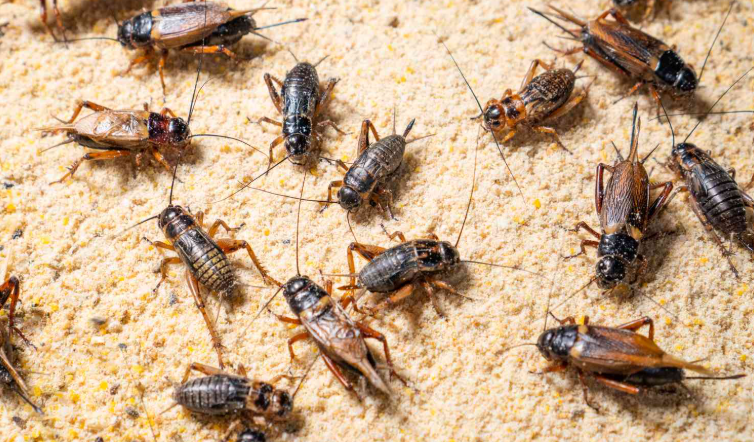
Cockroaches have one of the most immediately recognisable body plans in the insect world — flat, oval, fast-moving, and equipped with long antennae and spiny legs — yet this same blueprint has been arrived at independently by a remarkable number of completely unrelated insect groups through convergent evolution. The flattened, low-profile body is simply an outstanding design for navigating leaf litter, bark crevices, and tight gaps, meaning natural selection has repeatedly favoured it across beetles, crickets, bugs, and beyond. With around 4,600 described cockroach species worldwide, the public tends to assign any dark, oval, fast-moving insect to this group by default, creating a persistent and widespread pattern of misidentification.
The consequences of cockroach misidentification are more significant than they might initially appear. Pest control expenditure on cockroaches in the United States alone exceeds 5 billion dollars annually, and a proportion of this spending targets insects that are not cockroaches at all. Beneficial predatory beetles, harmless wood crickets, and ecologically vital decomposers are regularly subjected to chemical treatments intended for pest cockroaches, with unnecessary environmental and financial costs. In some cases, the reverse problem occurs — genuine cockroach infestations are dismissed as harmless beetles, allowing populations of a species capable of transmitting over 33 different types of bacteria to establish unchecked.
The most important features distinguishing true cockroaches from their lookalikes are the broad, shield-like pronotum partially covering the head, the flexible and often grease-shiny body surface, the very long and continuously moving filiform antennae, and the characteristic splayed, fast-running leg posture with the body held close to the ground. Most cockroach lookalikes fail on one or more of these criteria — beetles have rigid, fused elytra; crickets have enlarged hind legs; water bugs have a piercing beak; earwigs have abdominal forceps. Learning these distinctions transforms what is often a source of anxiety into a genuinely interesting exercise in field entomology.
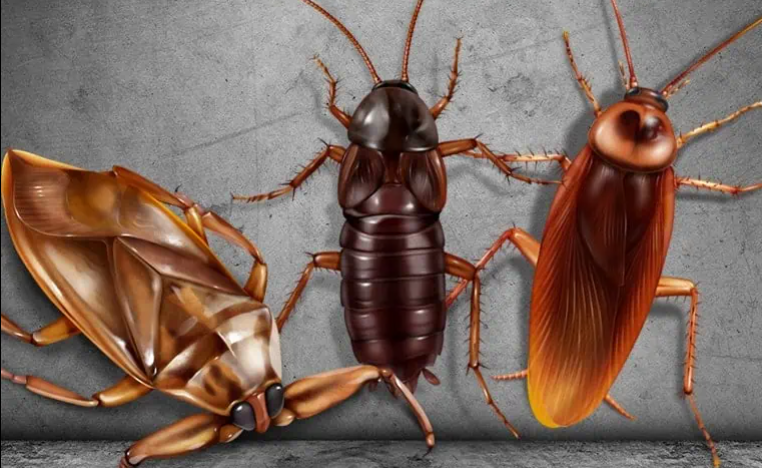
Bugs That Look Like Cockroaches But Are Not
Ground Beetle (Pterostichus melanarius)
The black ground beetle is arguably the single most common cockroach lookalike in temperate gardens and homes, sharing the cockroach’s jet-black colouration, broadly oval flattened body, long antennae, and rapid directional sprint across hard surfaces. Found across Europe and widely introduced to North America, it is a voracious nocturnal predator of slugs, soil insects, and worms and is considered one of the most beneficial beetles a vegetable garden can host. The clearest distinguishing feature is its elytra — the hardened wing covers — which meet in a perfectly straight line down the centre of the back, a feature absent from all cockroaches.
Field Cricket (Gryllus bimaculatus)
The two-spotted cricket is a large, shiny black insect found across southern Europe, Africa, and Asia with a broadly oval body, very long antennae, and a rapid movement pattern that generates frequent cockroach misidentification when it enters homes and outbuildings. At up to 3 cm in length, it falls within the size range of several common pest cockroach species, and its habit of sheltering in dark corners and emerging at night reinforces the association. The dramatically enlarged, muscular hind legs adapted for jumping and the audible chirping of males are the most immediate distinguishing characteristics.
Darkling Beetle (Alphitobius diaperinus)
The lesser mealworm beetle is a small, broadly oval, shiny dark brown to black beetle found in poultry houses, grain stores, and food processing facilities worldwide, where it is one of the most frequently misidentified cockroach lookalikes in agricultural settings. Reaching just 6 to 7 mm in length, it is considerably smaller than most pest cockroach species, but its habit of running rapidly across floors in large numbers in dimly lit buildings creates a convincing cockroach impression. Its fused, ridged elytra and the absence of the flexible, greasy body surface of cockroaches distinguish it on closer inspection.
Water Boatman (Notonecta glauca)
The backswimmer or water boatman is an aquatic true bug that leaves freshwater habitats at night to fly between ponds, and individuals landing on illuminated garden paths or entering homes through open doors present a broadly oval, brownish, cockroach-sized body that generates immediate alarm. Found across Europe and North America, it swims upside down using its elongated hind legs as oars and can deliver a surprisingly sharp bite if handled. Its boat-shaped body, oar-like hind legs, and the distinctive keel running along its underside immediately identify it on examination.
Cellar Beetle (Blaps mucronata)
The churchyard or cellar beetle is a large, entirely matte black, oval darkling beetle found in cellars, caves, stables, and undisturbed outbuildings across Europe and western Asia, and has historically been one of the most frequently misidentified cockroach lookalikes due to its preference for exactly the same damp, dark domestic environments associated with pest cockroach activity. Reaching up to 28 mm in length, it moves with a slow, deliberate gait across stone floors that differs from the fast sprint of cockroaches. The fused elytra tapering to a distinctive spike-like mucron at the tip is an immediately diagnostic feature.
Cave Cricket (Troglophilus neglectus)
Cave crickets and their relatives found in basements, garages, and dark outbuildings across Europe, Asia, and North America have a humped, wingless body, very long antennae, and a brownish colouration that generates strong cockroach comparisons from homeowners discovering them in dark corners. The sudden appearance of multiple individuals in a basement is almost universally reported as a cockroach sighting before closer examination. Their extraordinarily long hind legs, clearly visible hump, and complete absence of wings are the most reliable distinguishing features from any cockroach species.
Rove Beetle (Ocypus olens)
The devil’s coach horse is a large, slender, entirely black rove beetle found in gardens, woodland, and homes across Europe, notable for its dramatically shortened elytra that leave most of the flexible, segmented abdomen exposed. When threatened, it adopts a dramatic scorpion-like posture, curling its abdomen over its back and opening its large mandibles — a display entirely unlike any cockroach defensive behaviour. Its rapid movement and all-black colouration in a garden setting generates cockroach comparisons, but its elongated, flexible body and short wing covers make it quite distinct from the oval, flat cockroach form on examination.
Bess Beetle (Odontotaenius disjunctus)
The patent-leather beetle of eastern North America is a large, shiny, entirely black beetle with a broadly oval, flattened body, elbowed antennae, and a ground-hugging posture that creates a strong cockroach impression when encountered beneath rotting logs or stumbling across a basement floor. At up to 35 mm in length, it falls in large cockroach territory, and its preference for dark, damp, decaying environments reinforces the association. The short, fan-like club of its antennae, the single small horn on the head, and its very different surface texture immediately distinguish it from cockroaches.
Stink Bug (Halyomorpha halys)
The brown marmorated stink bug has a broadly oval, mottled brownish body with long antennae and invades homes in very large numbers during autumn seeking warmth, causing mass cockroach alarm among homeowners who see dozens of brownish, oval insects appearing simultaneously on walls and ceilings. Native to East Asia and now invasive across North America and much of Europe, it is one of the most ecologically and agriculturally damaging invasive insects of recent decades. Its distinctly pentagonal or shield-shaped body outline — visible from above — and the banded pattern on its antennae and abdomen edges clearly distinguish it from cockroaches.
Click Beetle (Agrypnus murinus)
The click beetle is a medium-sized, greyish-brown mottled beetle with long antennae and a broadly oval, somewhat flattened body that generates cockroach comparisons when found on garden walls and floors across Europe and North America. Its most famous feature — the ability to arch and snap its body with a loud click, launching itself into the air when placed on its back — is entirely absent from cockroaches and serves as an immediately diagnostic field test. Several larger Mediterranean and tropical species reach cockroach dimensions and create particularly convincing misidentifications in travellers returning from warmer regions.
Drugstore Beetle (Stegobium paniceum)
The drugstore beetle is a small, broadly oval, reddish-brown stored-product beetle with a humped thorax that conceals the head when viewed from above, found in pantries, spice cabinets, and dry food stores worldwide. Though considerably smaller than most cockroach species at just 2 to 3.5 mm, its discovery running across a kitchen counter or inside food packaging generates disproportionate cockroach alarm, particularly in households already concerned about pest activity. Its finely ridged elytra, tiny size, and the fine groove between thorax and head distinguish it from cockroaches on examination with a magnifying glass.
Longhorn Beetle (Ergates spiculatus)
The ponderosa pine borer is one of North America’s largest beetles, reaching up to 6 cm in length, with a broad, flat, reddish-brown body, extremely long antennae, and a preference for emerging at night near pine stumps and logging areas. At its largest, it exceeds the size of any cockroach likely to be encountered in North America, and its massive size combined with rapid movement across floors generates extraordinary alarm. The incredibly long, segmented antennae — sometimes exceeding body length — the clearly segmented elytra, and the prominent spines on the thorax distinguish it clearly from cockroaches on examination.
Chafer Beetle (Phyllopertha horticola)
The garden chafer is a small, broadly oval European beetle with a metallic green head and thorax and warm reddish-brown elytra, and while its colouration distinguishes it from most cockroach species in good light, its broadly oval body, long antennae, and habit of stumbling clumsily across floors after being attracted to indoor lights creates a cockroach-like impression in dim conditions. Emerging in early summer in large numbers, it frequently enters homes through open windows on warm evenings. Its fan-shaped antennal club and distinctly metallic sheen are immediately diagnostic features.
Burying Beetle (Nicrophorus investigator)
The burying beetle is a large, broadly oval beetle with striking orange-red and black banded elytra found across North America and Europe, notable for its complex parental behaviour of burying small vertebrate carcasses to serve as food for its larvae. While its colouration is distinctive in good light, its large size, rapid movement, and broad flat body create a cockroach-like overall impression in the peripheral vision that generates immediate alarm. Its orange antennal clubs, clearly banded elytra, and the musky smell of carrion associated with actively nesting pairs are useful identifying features.
Wharf Borer (Nacerdes melanura)
The wharf borer is a soft-bodied, yellowish-brown beetle with long antennae and dark wing tips that emerges in large numbers from structural timber rotting in damp conditions, and its habit of appearing suddenly in large numbers running across indoor floors generates mass cockroach alarm from building occupants. Found in coastal structures, old warehouses, and damp building timbers across Europe and North America, its presence is an important indicator of serious structural timber decay. Its soft, flexible elytra and yellowish colouration distinguish it from cockroaches, but both features are easily missed in a panicked initial encounter.
Mole Cricket (Gryllotalpa gryllotalpa)
The European mole cricket is a large, robust, reddish-brown insect with a broadly oval, velvety body, short antennae, and powerful shovel-like forelegs — features that collectively generate strong cockroach comparisons despite the mole cricket’s distinctly different overall appearance. At up to 5 cm in length, it emerges from soil at night and flies to artificial lights, landing on paths and entering buildings. Its unmistakable mole-like digging forelegs, velvety surface texture, and stout, compressed head immediately identify it on examination, but the initial impression of a large brown oval insect moving across a floor is reliably cockroach-like.
Flat Bug (Aradus cinnamomeus)
Flat bugs are extraordinarily dorsally compressed true bugs found beneath the bark of pine and other trees across the Northern Hemisphere, with a body so flattened, oval, and dark brownish that it creates an almost perfect cockroach-like silhouette when encountered on wood surfaces. Measuring just 4 to 7 mm, they feed on the sap of fungal hyphae beneath bark and are entirely harmless to animals and humans. The irregular, rough texture of their body surface, much smaller size than most pest cockroach species, and the absence of long, freely moving antennae distinguish them on close examination.
Palmetto Weevil (Rhynchophorus cruentatus)
The palmetto weevil is the largest weevil native to North America at up to 3.5 cm, with a broad, oval, shiny black to reddish body that generates cockroach alarm when found at the base of ailing palm trees or on garden paths across Florida and the Gulf Coast states. Its overall body mass and dark colouration fall squarely within common cockroach expectations, and its habit of moving deliberately across open ground is sufficiently cockroach-like to cause regular misidentification. The sharply down-curved, elongated rostrum — the distinctive snout of all weevils — is the most immediately diagnostic feature separating it from any cockroach.
Seed Bug (Lygaeus equestris)
The black and red seed bug is a brightly marked European true bug with a broadly oval body, long antennae, and the characteristic flattened profile of the Lygaeidae family — features that combine with its ground-level movement to generate cockroach comparisons despite its distinctive red and black warning colouration. Found in dry grasslands and gardens across Europe and Asia, it feeds on seeds of various plants and aggregates in numbers during warm weather. Its bold red and black patterning is immediately distinctive in good light, but the overall shape and movement pattern is convincingly cockroach-like in peripheral vision.
Harlequin Ladybird (Harmonia axyridis)
The harlequin ladybird has a broadly oval, domed body that is distinctly cockroach-shaped in silhouette when viewed from the side, and the dark-coloured forms — which can appear almost entirely black with faint markings — generate occasional cockroach comparisons when encountered at ground level or on walls. Native to Asia and now invasive across Europe and North America, it overwinters in aggregations indoors, sometimes in very large numbers that alarm homeowners. Its short, clubbed antennae, strongly domed body, and maximum size of just 8 mm distinguish it clearly from all cockroach species.
Water Scavenger Beetle (Berosus species)
Smaller water scavenger beetles in the genus Berosus are broadly oval, brownish, aquatic beetles that emerge from freshwater habitats at night and are attracted to artificial lights, landing on floors and walls where their oval, brownish bodies running across surfaces generate cockroach reports. Found across North America, Europe, and beyond in ponds, streams, and irrigation ditches, they feed on algae and decaying organic material. Their short, clubbed antennae, distinctly humped underside bearing a prominent ventral keel, and relatively clumsy movement compared to cockroaches are the most reliable distinguishing characteristics.
Varied Carpet Beetle (Anthrenus verbasci)
The varied carpet beetle is a tiny, broadly oval beetle just 2 to 4 mm in length, patterned in white, black, and yellowish-brown scales, whose larvae cause significant damage to natural fibres, taxidermy, and stored museum specimens in homes and institutions worldwide. While its small size and distinctive mottled patterning distinguish it from most cockroach species in good light, its oval shape, slow deliberate movement, and habit of being found in dark storage areas and along skirting boards generates cockroach suspicion. Its tiny size is the most immediately reassuring distinguishing feature for anxious homeowners.
Giant Water Bug (Belostoma flumineum)
The electric light bug is a medium-sized North American giant water bug with a broadly oval, flattened, brownish body that is frequently found far from water — attracted to street lights and building illumination during nocturnal dispersal flights. Its body plan, colouration, and size range overlap substantially with common pest cockroach species, and individuals found on footpaths and indoors are among the most reliably misidentified cockroach lookalikes in North America. The raptorial forelegs held folded beneath the head and the piercing beak visible on the underside are diagnostic features found in no cockroach species.
False Blister Beetle (Oedemera nobilis)
The thick-legged flower beetle of Europe has a soft, elongated, somewhat flattened body with long antennae and a greenish to brownish metallic sheen — features that combine to produce a cockroach-adjacent impression when the insect runs across wooden surfaces or falls from vegetation onto skin or clothing. Males are immediately recognisable by their dramatically swollen hind femora, but females lack this feature and create more convincing cockroach comparisons. Its soft, flexible elytra that diverge toward the tip exposing the abdomen are a reliable distinguishing feature visible on examination.
Pine Sawyer Beetle (Monochamus scutellatus)
The white-spotted pine sawyer is a large North American longhorn beetle with a broadly oval, dark body marked with white spots and bearing antennae that can exceed twice the body length in males. Found in coniferous forests and attracted to recently burned timber, adults that emerge at night and blunder into homes through open windows cause immediate cockroach alarm due to their large size and dark colouration. Their extraordinarily long antennae — far exceeding anything seen in cockroach species — and the clearly visible elytra seam are immediately distinguishing features.
Shore Earwig (Labidura riparia)
The shore earwig is one of the world’s largest earwig species at up to 5 cm in length, found on sandy shorelines and riverbanks across Europe, Asia, Africa, and North America, with a long, somewhat flattened reddish-brown body and very long antennae that create a strong cockroach impression at first glance. Its rapid movement across sand and soil surfaces and preference for dark crevices and debris reinforce the cockroach comparison. The distinctive curved forceps at the tip of the abdomen are the most immediately diagnostic distinguishing feature, though these are held closed at rest and may be missed in a brief encounter.
Brown Lacewing (Micromus variegatus)
Brown lacewings have soft, oval, pale brownish bodies with long antennae and move with a slow, deliberate ground-level walk when not flying — creating a cockroach-like impression when encountered on walls and surfaces in dim lighting. Significantly smaller than most cockroach species at just 6 to 10 mm, they are predators of aphids and other small insects and are entirely beneficial in gardens. Their large, prominently veined wings folded tent-like over the body immediately identify them on examination, but at rest with wings closed against a dark surface the overall impression is surprisingly cockroach-like.
Bark Louse (Graphopsocus cruciatus)
Bark lice or psocids found on tree trunks and wooden surfaces include several species with broadly oval, somewhat flattened bodies, long antennae, and brownish colouration that create cockroach-like impressions when colonies of dozens of individuals are found moving across bark or wooden garden furniture. While individual insects are tiny at just 1 to 3 mm, their habit of moving in groups across flat surfaces and their collective rustling, rapid movement generates cockroach-level alarm in some observers. Their wings, held roof-like over the body, and their tiny size distinguish them clearly from any cockroach.
Black Vine Weevil (Otiorhynchus sulcatus)
The black vine weevil is a broadly oval, matte black beetle reaching up to 13 mm with a short, curved snout and elbowed antennae, found across Europe and North America as a significant pest of container plants, strawberries, and ornamental shrubs. Its habit of emerging at night, moving rapidly across paving stones and indoor floors, and concealing itself in dark crevices during the day maps almost perfectly onto the behaviour of small pest cockroach species. The distinctly fused, ridged elytra, short curved snout, and completely matte, rough-textured surface distinguish it from cockroaches, which invariably have a smoother, somewhat greasy sheen.
Grain Beetle (Tenebrioides mauritanicus)
The cadelle beetle is a flattened, shiny black stored-product beetle found in grain stores, flour mills, and food warehouses worldwide, with a broadly oval body, long antennae, and a habit of running rapidly across flooring in industrial food facilities that generates consistent cockroach alarm among workers and inspectors. At up to 11 mm in length, it is smaller than most pest cockroach species but larger than many other stored-product beetles, placing it in an intermediate size range that heightens confusion. The distinctly constricted junction between the thorax and abdomen — giving it an almost two-segment appearance — is an immediately distinguishing structural feature absent from all cockroaches.
Wood Cricket (Nemobius sylvestris)
The wood cricket is a small, dark brown to blackish cricket found in leaf litter and dead wood in woodlands and gardens across Europe, with a compact oval body, very long antennae, and a rapid, unpredictable running movement across floors that generates strong cockroach comparisons when individuals enter homes through gaps in doors and windows. At just 8 to 11 mm, it is smaller than most pest cockroach species, but its dark colouration and behaviour in indoor settings make it one of the most consistently misidentified cockroach lookalikes in European woodland gardens. The clearly visible, enlarged jumping hind legs and — in females — the long ovipositor filament are the most reliable distinguishing features.