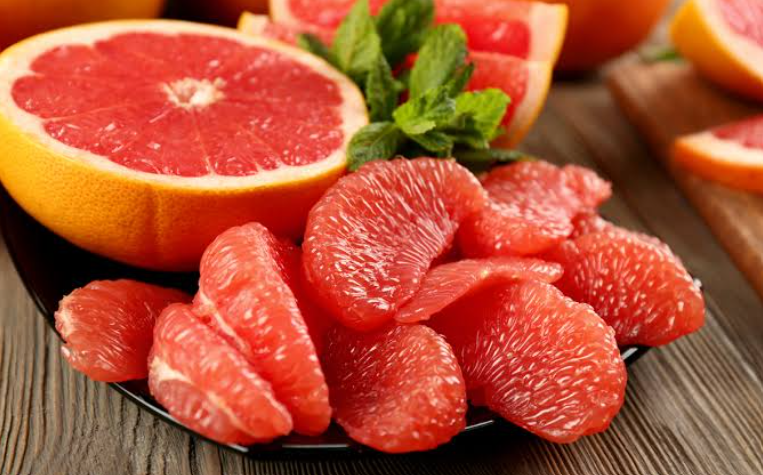
Grapefruit is a large citrus fruit known for its round shape, thick rind, and juicy segmented flesh that ranges from pale yellow to deep pink or ruby red. It grows on evergreen trees in warm, subtropical climates and is often larger and heavier than most other common citrus fruits. The name comes from the way grapefruits grow in clusters on the tree, resembling oversized bunches of grapes.
Grapefruit trees can produce fruit for many years once mature, with a single tree capable of bearing dozens of large fruits each season. The rind is thick and slightly bitter, requiring the fruit to be peeled or cut before eating, unlike thinner-skinned citrus varieties that can sometimes be peeled by hand with ease. Depending on the variety, grapefruit flesh can range from tart and sharply acidic to noticeably sweeter, especially in red and pink cultivars.
Nutritionally, grapefruit is well known for its high vitamin C content, along with a good source of fiber and antioxidants, particularly in the pink and red varieties. Its flavor is a distinctive balance of sweet and bitter, often enjoyed halved and eaten with a spoon, sectioned for a fruit salad, or juiced for breakfast. The bitterness of grapefruit is part of its appeal for many people, setting it apart from sweeter citrus fruits.
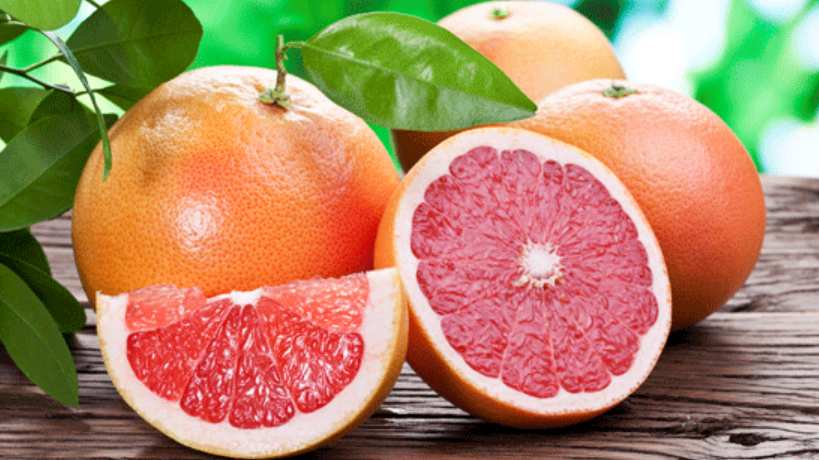
Because of its large round shape and thick, textured rind, grapefruit is often compared to other big, round fruits, even when those fruits belong to entirely different plant families. Some of these lookalikes are close citrus relatives that share a similar growing pattern, while others simply resemble grapefruit because of their size, shape, or coloring.
Fruits That Look Like Grapefruit
Pomelo
Pomelo is the largest citrus fruit and a direct ancestor of the grapefruit, sharing a similar round shape and thick, textured rind. Its skin tends to be paler, ranging from green to pale yellow, and is noticeably thicker than a typical grapefruit’s peel. The flesh inside is less bitter and juicy compared to grapefruit, with a milder, sweeter flavor.
Oroblanco
Oroblanco is a hybrid between pomelo and grapefruit, and it shares a similar round shape with a thick, pale yellow-green rind. It tends to be slightly smaller than a pomelo but larger than many standard oranges, closely matching the general size of a grapefruit. Its flavor is notably sweeter and less bitter than most grapefruit varieties.
Melogold
Melogold is another pomelo-grapefruit hybrid, closely resembling grapefruit in size, shape, and pale yellow coloring. Its rind is thick like a pomelo’s but slightly thinner than the fruit’s parent variety, striking a middle ground in appearance. The flesh is sweet with minimal bitterness, making it a milder alternative to traditional grapefruit.
Tangelo
Tangelo, a cross between a tangerine and a grapefruit or pomelo, shares a rounded shape and orange-yellow coloring that can resemble a smaller grapefruit. It often has a small, distinctive knob at the stem end, which is one way to tell it apart at a glance. Its flavor is notably sweeter and more tangerine-like than the sharper tartness of grapefruit.
Ugli Fruit
Ugli fruit, a Jamaican citrus hybrid, has a similarly large, round shape to grapefruit, though its rind is often bumpy, loose, and greenish-yellow rather than smooth. Despite its irregular appearance, the flesh inside closely resembles grapefruit in both texture and juiciness. Its flavor is sweeter and less bitter, making it easier to eat without added sugar.
Navel Oranges
Large navel oranges can approach the size of a small grapefruit, with a similarly round shape and smooth, thick rind. The color is a deeper orange rather than the yellow or pink tones typical of grapefruit, but the overall silhouette can cause confusion in a mixed citrus display. Their flavor is sweeter and less bitter than grapefruit, without the tart edge.
Bitter Orange (Seville Orange)
Bitter oranges, also known as Seville oranges, share a round shape and thick, textured rind similar to grapefruit, though usually smaller in size. Their flavor leans sharply sour and bitter, closer to grapefruit’s tartness than a typical sweet orange. They are most commonly used in marmalades and cooking rather than eaten fresh.
Blood Oranges
Blood oranges have a similarly round shape and citrus-textured rind, with skin that can show reddish blushing reminiscent of pink or red grapefruit varieties. Once cut open, the deep red flesh can visually echo a ruby grapefruit, though blood oranges are generally smaller. Their flavor is sweet with a subtle berry-like note, differing from grapefruit’s characteristic bitterness.
Honeydew Melon
Honeydew melon shares grapefruit’s round shape and smooth, pale rind, though its size is typically much larger overall. The pale green to yellowish skin can resemble a large, oversized grapefruit from a distance, especially before the fruit is cut. Inside, honeydew’s pale green flesh is soft and watery, a sharp contrast to grapefruit’s segmented, juicy texture.
Casaba Melon
Casaba melon has a round to slightly oval shape with a wrinkled, pale yellow rind that can bring grapefruit to mind, particularly in size and coloring. Its flesh inside is pale and mildly sweet, without the segmented structure or tartness found in grapefruit. The textured, ridged skin is the main visual link between the two fruits.
Winter Melon
Winter melon is large and round with a pale green to whitish rind, sometimes covered in a light waxy coating that can resemble the smooth surface of a grapefruit. Its size often exceeds that of a typical grapefruit, and its flesh is firm, mild, and used mostly in savory cooking rather than eaten fresh. The pale coloring is the strongest point of resemblance between the two.
Kiwano (Horned Melon)
Kiwano, or horned melon, is round in overall shape but covered in spiky protrusions across its bright orange-yellow skin. Despite the spikes, its size and rounded silhouette can loosely bring grapefruit to mind, especially in produce displays. Inside, the jelly-like green flesh with edible seeds is completely different from the firm citrus segments of grapefruit.
Ponderosa Lemon
Ponderosa lemon is a large, lumpy citrus fruit that can rival grapefruit in size, with thick, bumpy yellow skin. Its oversized form and citrus family origin make it a natural point of comparison to grapefruit, even though its flavor is intensely sour, closer to a lemon. The thick rind and segmented interior mirror the general structure of grapefruit.
Beefsteak Tomatoes
Large beefsteak tomatoes can rival grapefruit in size and share a similarly round shape with smooth, glossy skin. Certain pink-hued varieties even echo the blush coloring of pink grapefruit. The similarities end at the surface, since tomatoes are savory, soft, and filled with seeds and juice rather than firm citrus segments.
Bael Fruit
Bael fruit is round with a hard, woody shell that ranges from greenish to yellowish-brown, sharing a similar overall size and shape to grapefruit. Its rind, however, is far tougher and must be cracked open rather than peeled or cut like grapefruit. The pulp inside is aromatic and used in traditional drinks and remedies rather than eaten like fresh grapefruit.
Watermelon (Small Round Varieties)
Certain small, round watermelon varieties can approach the size of a large grapefruit, with a similarly rounded overall shape. The dark green, sometimes striped rind is quite different from grapefruit’s smoother, lighter-colored skin, but the size comparison still draws attention. Inside, watermelon’s juicy red flesh and black seeds are structurally very different from grapefruit’s citrus segments.
Cantaloupe
Cantaloupe shares grapefruit’s round shape and similar overall size, though its rind is rougher and covered in a distinctive netted pattern. The tan to beige coloring is a departure from grapefruit’s yellow or pink tones, but the rounded silhouette still invites comparison. Its orange, fragrant flesh inside is soft and sweet, quite different from the tart, segmented texture of grapefruit.