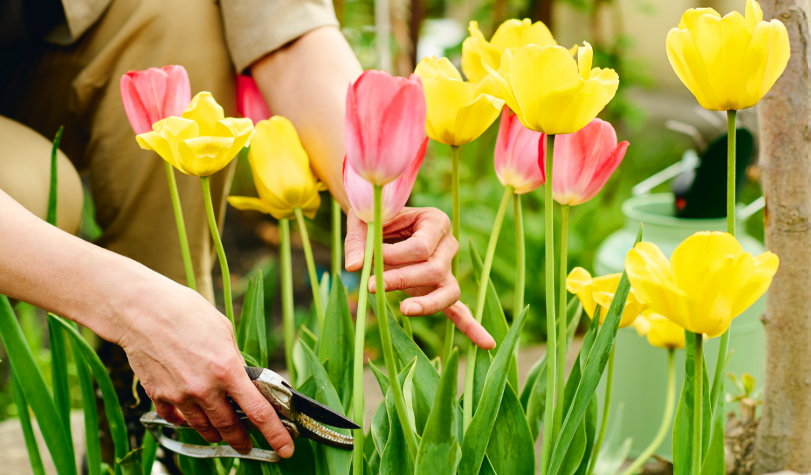
June is one of the finest months in the gardening calendar for planting flowers. The soil is warm, the days are long, and the conditions are ideal for a wide variety of annuals, perennials, and bulbs to take root and flourish. Whether you are filling a formal flower bed, adding color to a cottage garden, or simply brightening up a patio with containers, June offers a generous planting window with plenty of options.
The beauty of a June flower garden lies in its timing. Many flowers planted this month will begin blooming within weeks, delivering color through the hottest part of summer and carrying the garden all the way into autumn. Others planted now will establish strong root systems that set the stage for spectacular displays in the seasons to come, rewarding your patience with years of reliable performance.
June is also an excellent month to think about pollinators. Bees, butterflies, hummingbirds, and other beneficial insects are at peak activity during summer, and a thoughtfully planted flower garden can serve as a vital habitat and food source. Choosing a mix of flower shapes, heights, and colors not only creates a visually stunning garden but supports the broader ecosystem around your home.
Whether you prefer bold tropical hues, soft pastel cottage charm, dramatic architectural forms, or delicate wildflower simplicity, the twenty-four flowers that follow offer something for every taste, every garden size, and every growing region. Plant generously, water consistently, and June will reward you with a garden in full, glorious bloom.
Sunflowers (Helianthus annuus)
Sunflowers are one of the most cheerful and rewarding June plantings, growing with extraordinary speed in warm soil and full sun. Direct sow seeds an inch deep after the last frost, and most varieties will be in bloom within 60 to 70 days. They range from dwarf patio types just two feet tall to towering giants exceeding twelve feet, and their golden, russet, burgundy, and cream flower heads attract bees, butterflies, and seed-eating birds in abundance.
Zinnias (Zinnia elegans)
Zinnias are arguably the most reliable summer annual a gardener can plant, thriving in heat that would wilt many other flowers. Direct sow seeds or set out transplants in June into well-drained soil in full sun, and expect blooms within 8 weeks. They come in an extraordinary range of colors — from pure white and soft lavender to blazing orange and deep cherry red — and they are outstanding cut flowers that last well in a vase. Deadhead regularly to keep plants blooming prolifically all summer long.
Marigolds (Tagetes spp.)
Marigolds are the hardworking backbone of the summer flower garden, blooming tirelessly from planting to frost in shades of gold, orange, yellow, and deep mahogany. They are exceptionally easy to grow from seed or transplant, thrive in full sun and average soil, and are remarkably drought-tolerant once established. Beyond their beauty, marigolds are well-known companion plants that deter aphids, whiteflies, and nematodes when planted near vegetables, making them as useful as they are ornamental.
Cosmos (Cosmos bipinnatus)
Cosmos are elegant, airy annuals that produce delicate, daisy-like flowers in pink, white, crimson, and bicolor on tall, feathery stems that dance gracefully in a summer breeze. They are among the easiest flowers to grow from seed directly sown into the garden in June, actually preferring poor to average soil — too much fertility produces lush foliage at the expense of flowers. They bloom prolifically and continuously, are beloved by butterflies and bees, and make beautiful, long-lasting cut flowers.
Dahlias (Dahlia spp.)
Dahlias planted from tubers in June will come into magnificent bloom by late summer and continue until the first frost, making them one of the most spectacular late-season performers in the garden. They range from compact bedding types with small, cheerful blooms to dinner-plate dahlias with flowers exceeding twelve inches across in virtually every color except true blue. Plant tubers in full sun in rich, well-drained soil, and stake taller varieties early. Dahlias are also supreme cut flowers, with long, sturdy stems and blooms that last well in arrangements.
Black-Eyed Susans (Rudbeckia hirta)
Black-Eyed Susans are cheerful, sun-loving wildflowers native to North America that bring a warm, golden glow to the summer garden. Their bold yellow petals surrounding a dark chocolate-brown center are instantly recognizable and irresistible to bees and butterflies. They are drought-tolerant, adaptable to a wide range of soils, and thrive in full sun with minimal care. Plants started in June will bloom prolifically through late summer, and if left standing in autumn, their seed heads provide valuable food for finches and other birds through winter.
Petunias (Petunia × hybrida)
Petunias are one of the most popular and versatile summer flowering plants, equally at home spilling from hanging baskets, tumbling over the edges of window boxes, or filling garden beds with waves of color. June-planted petunias in full sun and well-drained soil establish quickly and bloom nonstop through summer. They come in an almost limitless range of colors, patterns, and sizes, from large, ruffled grandifloras to the compact, weather-resistant multifloras. Deadhead spent blooms and cut back leggy stems in midsummer to encourage a fresh flush of flowers.
Lavender (Lavandula spp.)
Lavender is a fragrant, Mediterranean perennial that thrives in the hot, dry conditions of a June garden and rewards growers with beautiful spikes of purple, blue, or white flowers beloved by bees and butterflies. Plant in full sun and extremely well-drained soil — lavender will rot in wet or heavy clay conditions — and avoid overwatering once established. Beyond its ornamental beauty, lavender is prized for its intensely fragrant flowers, which can be dried for sachets, used in cooking, or simply enjoyed fresh in the garden. It returns reliably year after year in well-suited growing conditions.
Coneflowers (Echinacea purpurea)
Coneflowers are among the toughest and most beautiful native perennials available to the North American gardener, producing their distinctive daisy-like flowers with raised, spiky orange-brown centers atop sturdy stems in midsummer. Plants started in June establish well through summer and may produce a few blooms in their first year, with increasingly spectacular displays in subsequent years. They are drought-tolerant, deer-resistant, and attract an impressive range of pollinators. Leave the seed heads standing through winter, as they are a magnet for goldfinches and other seed-eating birds.
10. Impatiens (Impatiens walleriana)
Impatiens are the go-to flowering annual for shaded and partially shaded gardens, producing an almost unbroken carpet of bright blooms in pink, red, white, coral, lavender, and bicolor all summer long. They thrive in the moist, humus-rich soil and dappled light beneath trees or on the north side of buildings where few other flowering plants will perform. June is an ideal time to set out transplants as temperatures have warmed enough to support their growth. They require little deadheading — spent flowers drop cleanly on their own — making them one of the most low-maintenance colorful annuals available.
Begonias (Begonia × semperflorens)
Wax begonias are remarkably adaptable summer annuals that perform well in both sun and partial shade, producing masses of small, cheerful flowers in red, pink, and white above glossy bronze or green foliage. They are exceptionally heat and drought tolerant once established, making them a dependable choice for difficult garden spots that receive afternoon sun. June-planted begonias fill in quickly and bloom continuously without deadheading. Tuberous begonias, planted from tubers in June, produce much larger, showier blooms in a wide range of colors and are particularly stunning in containers and hanging baskets in partial shade.
Salvia (Salvia spp.)
Salvias encompass a huge family of flowering plants ranging from annual bedding types to robust perennial species, and nearly all of them thrive when planted in June. Annual salvias like Salvia splendens produce bold spikes of brilliant red, purple, coral, or white flowers that attract hummingbirds and butterflies all season long. Perennial salvias such as Salvia nemorosa form beautiful, clump-forming plants with elegant blue-purple flower spikes. All salvias prefer full sun and well-drained soil, are relatively drought-tolerant once established, and are superb additions to both formal and cottage-style garden designs.
Geraniums (Pelargonium spp.)
Geraniums — or more accurately pelargoniums — are classic summer flowers that deliver bold, rounded flower clusters in red, salmon, coral, pink, white, and bicolor above attractive, often zone-patterned foliage. They perform beautifully in containers, window boxes, and garden beds in full sun to partial shade, and June is an ideal time to plant them out once nights are reliably warm. They are relatively drought-tolerant and prefer to dry out slightly between waterings rather than sitting in constantly moist soil. Regular deadheading keeps plants tidy and encourages continuous bloom throughout the summer season.
Daylilies (Hemerocallis spp.)
Daylilies are among the most adaptable and forgiving perennials available, producing a stunning succession of trumpet-shaped flowers in yellow, orange, red, pink, purple, and complex bicolor combinations throughout the summer months. Each individual flower lasts only a single day — hence the name — but a single established clump produces dozens of buds that open in continuous succession over a period of weeks. Plants or divisions set in June establish quickly in full sun to partial shade and virtually any well-drained soil. They are drought-tolerant, deer-resistant, and essentially carefree once established, returning and spreading reliably every year.
Portulaca (Portulaca grandiflora)
Portulaca, also known as moss rose, is a low-growing, succulent-leaved annual perfectly designed for hot, dry, sunny conditions where many other flowers struggle. Its jewel-bright flowers — which come in magenta, yellow, orange, red, pink, and white — open in full sunshine and close at night or on cloudy days, creating a brilliant display on the sunniest, driest spots in the garden. It thrives in sandy or gravelly, poor soil and is exceptionally drought-tolerant, making it an excellent choice for rock gardens, slopes, border edges, and containers. A June planting establishes quickly and blooms continuously through summer’s heat.
Verbena (Verbena × hybrida)
Verbena is a low, spreading annual that smothers itself in clusters of small, bright flowers in shades of purple, red, pink, coral, white, and bicolor throughout the summer months. It performs exceptionally well in full sun and well-drained soil and is more drought-tolerant than many summer annuals, making it an excellent choice for sunny borders, rock walls, hanging baskets, and containers. June-planted verbena fills in rapidly to create a dense, colorful mat that suppresses weeds and spills attractively over edges. It is also a superb butterfly nectar plant, particularly popular with swallowtails and painted ladies.
Lantana (Lantana camara)
Lantana is a tropical flowering shrub grown as an annual in temperate climates that absolutely thrives in summer heat, blooming most prolifically during the hottest weeks when many other plants slow down. Its multicolored flower clusters — typically combining yellow, orange, pink, and red within a single flowerhead — are irresistible to butterflies, hummingbirds, and bees. It is remarkably drought-tolerant once established and requires very little care beyond occasional deadheading. In frost-free zones, lantana grows as a perennial shrub and can become quite large; in colder climates, it is enjoyed as a season-long annual.
Butterfly Bush (Buddleja davidii)
As its name suggests, the Butterfly Bush is one of the most powerful magnet plants for butterflies in the summer garden, its long, arching, fragrant flower spikes in purple, pink, white, and deep red drawing admirers from impressive distances. Plant in full sun and well-drained soil in June, and established plants will begin blooming by midsummer. It grows rapidly into a large, graceful shrub that becomes the centerpiece of the summer garden. Deadhead spent flower spikes promptly to encourage a continuous succession of fresh blooms, and note that some sterile cultivars are available for regions where the species has invasive potential.
Gaillardia (Gaillardia × grandiflora)
Gaillardia, or blanket flower, is a sun-loving perennial that produces some of the most brilliantly colored flowers in the summer garden — bold, daisy-like blooms in fiery combinations of red, orange, and gold that recall a Southwestern sunset. They are outstanding plants for hot, dry conditions, thriving in poor to average well-drained soil and full sun with minimal supplemental watering. June planting allows them to establish before peak summer heat and begin blooming by midsummer. They are long-blooming, drought-tolerant, attractive to pollinators, and provide excellent cut flowers, making them exceptional value for any sunny garden border.
Lisianthus (Eustoma grandiflorum)
Lisianthus produces some of the most sophisticated and elegant flowers of any summer annual — large, ruffled blooms in purple, white, pink, and bicolor that closely resemble roses or poppies and are among the most prized cut flowers in the world. They are slow to establish and require patience — growing from transplant to bloom takes 5 to 6 months — but a June planting from well-started transplants yields spectacular late-summer flowers. They prefer full sun, warm temperatures, and excellent drainage, and perform particularly well in containers where soil conditions can be carefully controlled. The long-lasting blooms are extraordinary in fresh arrangements.
Cleome (Cleome hassleriana)
Cleome, commonly called spider flower, is a tall, dramatic annual that produces large, airy flower heads in pink, purple, white, and rose on statuesque plants reaching four to five feet in height. Direct sow seeds in June directly onto the soil surface — they need light to germinate — and they will establish quickly in the heat. The flowers have long, spidery stamens that extend well beyond the petals, giving them a uniquely exotic appearance. Cleome is loved by hummingbirds, hawk moths, and butterflies, self-seeds prolifically for a natural return the following year, and provides outstanding vertical interest at the back of a border.
Calibrachoa (Calibrachoa spp.)
Calibrachoa, often called million bells, produces a profusion of small, petunia-like flowers on cascading, trailing stems that overflow beautifully from containers, window boxes, and hanging baskets all summer long. Each plant may produce hundreds of dime-sized blooms in yellow, orange, pink, purple, red, white, and striking bicolors, creating a waterfall of color with no deadheading required. June-planted calibrachoa establishes quickly in full sun and well-drained, slightly acidic growing medium and blooms nonstop until frost. They are one of the finest container flowers available and pair beautifully with upright plants like geraniums or salvias for a classic thriller-spiller combination.
Cockscomb (Celosia argentea)
Cockscomb is a vivid, heat-loving annual that produces some of the most unusual and striking flowers in the summer garden — either in the crested form, with densely packed, brain-like or fan-shaped flower heads, or the plumed form, with feathery, torch-like spires in brilliant shades of red, orange, yellow, pink, and magenta. It thrives in full sun, warm temperatures, and well-drained soil, making June an ideal time to direct sow or transplant into the garden. The bold, jewel-toned colors hold without fading even in intense summer heat, and the flowers dry beautifully for long-lasting indoor arrangements and wreaths.
Moonflower (Ipomoea alba)
Moonflower is the enchanting, night-blooming counterpart to the morning glory, opening its large, luminously white, intensely fragrant flowers at dusk and keeping them open through the night and into the early morning hours. Plant seeds in June — soaking or nicking the hard seed coat beforehand to improve germination — around a sturdy trellis, fence, or pergola where the vigorous vines can climb freely. Moonflowers bloom from midsummer to frost, creating a magical evening garden experience, and their fragrance on warm summer nights is one of the most beautiful scents in all of horticulture. They pair wonderfully with morning glories for a trellis that is covered in color from dawn to midnight.