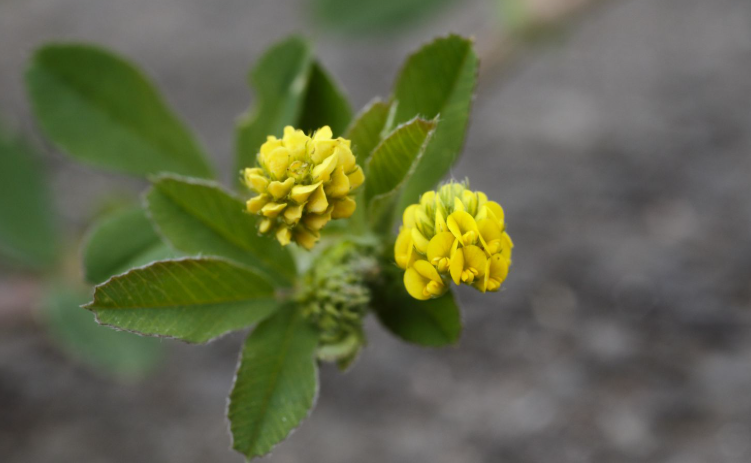
Weeds with yellow flowers make up one of the largest and most visually consistent groups in the entire plant kingdom, since yellow pigments are relatively easy for plants to produce and highly visible to the bees, flies, and beetles that most weeds depend on for pollination. That shared color hides an enormous amount of underlying diversity, spanning at least a dozen unrelated plant families, wildly different growth habits, and toxicity levels ranging from completely harmless to genuinely dangerous to livestock.
Many of the weeds on this list arrived in North America from Europe and Asia, whether as contaminated crop seed, deliberate ornamental introductions, or medicinal and dye plants that later escaped cultivation, while a smaller number are native species that have simply proven exceptionally good at colonizing disturbed ground. A handful have become the target of major biological control programs specifically because their yellow-flowered success at spreading made them serious agricultural or ecological problems.
These weeds occupy nearly every habitat imaginable, from bone-dry rangeland and sand dunes to shaded woodland floors and open water, and hardiness spans the full range from tropical, frost-free species to some of the toughest cold-climate perennials in cultivation. What follows covers 50 weeds recognized for their yellow blooms, along with where each one grows and the data that helps tell it apart from its equally yellow relatives.
Common Dandelion
Common dandelion is native to Eurasia and now grows across nearly every temperate country, producing a single, large yellow flower head atop a hollow, leafless stalk that closes each night and reopens each morning. Its taproot can extend 2 to 3 feet into the soil, and a single flower head can release up to 200 seeds on the wind. It grows throughout virtually all of North America in lawns, meadows, and disturbed ground.
Common Sowthistle
Common sowthistle is native to Europe and now naturalized worldwide, producing pale yellow, dandelion-like flower heads on branching stems that can reach 4 feet tall. Its clasping, spiny-looking leaves and milky sap distinguish it from true dandelion at a glance. It grows across most of the United States as one of the most common weeds of cultivated fields and gardens.
Prickly Lettuce
Prickly lettuce, also called wild lettuce, is native to Europe and western Asia and produces small pale yellow flower heads on stems that can reach 5 feet tall. Its leaves carry a row of small spines along the underside of the midrib and twist to align vertically with the sun. It grows throughout most of North America as a common weed of disturbed fields and roadsides.
Yellow Salsify
Yellow salsify, also called goatsbeard, is native to Europe and western Asia and produces a single large yellow flower surrounded by narrow bracts that extend visibly beyond the petals. Its seed head matures into an oversized, softball-sized puffball considerably larger than a dandelion’s. It grows across most of North America in rangeland, pastures, and roadside habitats.
Common Catsear
Common catsear, also called false dandelion, is native to Europe and produces branched yellow flower stems, unlike true dandelion’s single unbranched stalk, along with coarse, hairy leaves. A single plant can produce up to 6,000 seeds in a season. It grows throughout most of the United States, particularly in compacted lawns and overgrazed pastures.
Common Hawkweed
Common hawkweed is native to Europe and was introduced to North America in 1828 as both an herbal remedy and ornamental, producing multiple small yellow flower heads clustered atop a single hairy stem. It spreads aggressively by both seed and creeping rhizomes, with seed remaining viable in soil for up to 7 years. It grows from Quebec to Georgia, with dense infestations across the northern Rockies.
Mouse-ear Hawkweed
Mouse-ear hawkweed is native to Europe and produces a single yellow flower head atop each leafless stalk, distinguishing it from its multi-headed hawkweed relatives. Its rounded leaves, covered in fine gray hairs, spread into a low mat via creeping stolons. It grows throughout the northern United States and Canada, favoring dry, sandy, or gravelly soils.
Smooth Hawksbeard
Smooth hawksbeard is native to Europe and western Asia, producing small, dandelion-like yellow flower heads in loose, branching clusters on smooth, hairless foliage. A mature plant typically reaches 1 to 3 feet tall. It grows throughout much of the United States, particularly common in irrigated lawns and turf where its low rosette persists through mowing.
Beaked Hawksbeard
Beaked hawksbeard is native to Europe and Asia and produces numerous small yellow flower heads on branching stems reaching 1 to 3 feet tall. Its seeds carry a distinctive elongated beak between the seed body and the fluffy pappus. It grows extensively across the western United States, where it has become a significant weed in cereal grain crops.
Autumn Hawkbit
Autumn hawkbit, also called fall dandelion, is native to Europe and flowers considerably later in the season than true dandelion, often continuing into autumn on wiry, branching stems 6 to 24 inches tall. It grows throughout the northeastern and north-central United States, often persisting in lawns well after true dandelions have gone dormant.
Tall Buttercup
Tall buttercup is native to Europe and Asia and produces glossy yellow, five-petaled flowers on branching stems that can reach 3 feet tall. Its sap contains ranunculin, which converts to a blistering irritant called protoanemonin when the plant is crushed. It grows throughout most of North America in pastures, meadows, and disturbed lawns.
Creeping Buttercup
Creeping buttercup is native to Europe and spreads aggressively via above-ground runners that root at each node, producing the same glossy yellow flowers as its upright relatives on stems reaching about a foot tall. It grows throughout the northern and coastal United States, particularly troublesome in damp lawns and irrigated pastures.
Bulbous Buttercup
Bulbous buttercup is native to Europe and is distinguished from other buttercups by a swollen, bulb-like base at the stem, along with the same shiny yellow flowers common to the genus. A mature plant typically reaches 6 to 18 inches tall. It grows throughout the northern and eastern United States in pastures and disturbed grassland.
Black Medic
Black medic is native to Europe and now grows throughout the United States, producing tight clusters of tiny yellow flowers that mature into distinctive tightly coiled black seed pods. Its prostrate stems can extend up to 2 feet long. It grows throughout the continental United States, thriving in dry, nutrient-poor soils.
Yellow Sweet Clover
Yellow sweet clover is native to Europe and Asia and produces small yellow flowers on tall, upright spikes that can reach 3 to 8 feet in its second year. Its coumarin content converts to toxic dicoumarol if hay molds during storage, posing a serious hemorrhaging risk to cattle. It grows throughout the northern and central United States and Canada.
Birdsfoot Trefoil
Birdsfoot trefoil is native to Europe and western Asia and produces bright yellow, pea-shaped flowers that give way to narrow, curved seed pods radiating outward like a bird’s foot. It was widely introduced as pasture forage before escaping into roadsides. It grows throughout most of the northern and eastern United States and Canada.
Yellow Wood Sorrel
Yellow wood sorrel is native to North America and produces yellow flowers roughly half an inch to three-quarters of an inch across above heart-shaped, notched leaflets with a sour, lemony taste. It grows throughout nearly all of the United States and southern Canada, tolerating everything from full sun to deep shade.
Wild Mustard
Wild mustard is native to Europe and Asia and produces bright yellow flowers in dense clusters atop plants that can reach 2 to 4 feet tall. It grows throughout much of North America as a common weed of cereal grain and canola fields, competing directly with related cultivated crops.
Field Mustard
Field mustard is native to Europe and Asia and closely resembles wild mustard, with clusters of small yellow flowers atop blue-green, waxy foliage on plants reaching 1 to 3 feet tall. It grows throughout much of North America, particularly common in disturbed agricultural fields and roadsides.
Wild Radish
Wild radish is native to the Mediterranean region and produces pale yellow to white flowers with distinctive purple veining on plants reaching 2 to 4 feet tall. A 2010 survey across 14 million hectares of the Western Australian grain belt found 84% of populations resistant to at least one herbicide. It grows across every mainland U.S. state.
Wintercress
Wintercress, also called yellow rocket, is native to Europe and Asia and produces dense clusters of small yellow flowers on plants reaching 1 to 2 feet tall, often among the first weeds to bloom each spring. It grows throughout the northeastern and midwestern United States, commonly found alongside chickweed and henbit.
Turnip Weed
Turnip weed is native to the Mediterranean region and southwestern Asia and produces small yellow flowers on plants reaching 2 to 3 feet tall each spring. It grows across the grain-growing regions of the central and eastern United States and Australia, often found alongside other mustard-family weeds in cropland.
Puncturevine
Puncturevine is native to southern Europe and produces small yellow flowers on low, mat-like growth that spreads 2 to 5 feet in diameter. Its notorious woody seedpods break into hard, spiny burs whose seeds can remain viable in soil for up to 5 years. It grows throughout California and much of the warmer, drier United States.
Buffalobur
Buffalobur is native to the Great Plains and southwestern United States and produces bright yellow flowers on a plant thoroughly covered in stiff yellow spines, including on the calyx surrounding its fruit. It grows across most of the central and western United States, typically on overgrazed rangeland and around livestock corrals.
Common St. Johnswort
Common St. Johnswort, also called Klamath weed, is native to Europe, and according to the University of California’s Statewide Integrated Pest Management Program, it once covered roughly 400,000 acres of California rangeland before a 1946 biological control program using imported leaf beetles reduced its abundance by over 99% within a decade. Its bright yellow, star-shaped flowers appear in clusters atop plants reaching 1 to 3 feet tall. It grows across the western United States and remains toxic to grazing cattle and sheep.
Tansy Ragwort
Tansy ragwort is native to Europe and Asia and produces dense, flat-topped clusters of small yellow, daisy-like flowers on plants reaching 1 to 4 feet tall. It contains toxic pyrrolizidine alkaloids that can cause fatal liver damage in grazing livestock. It grows primarily in the Pacific Northwest, thriving in pastures and disturbed grassland.
Common Tansy
Common tansy is native to Europe and Asia and produces clusters of small, button-like yellow flowers lacking the typical petal rays of most daisy-family weeds, atop finely divided, fern-like foliage reaching 2 to 4 feet tall. It grows throughout the northern United States and Canada, commonly found along roadsides and disturbed pastures.
Common Groundsel
Common groundsel is native to Europe and Asia and produces small, tubular yellow flower heads that rarely open fully, followed quickly by fluffy white seed heads, on plants reaching under a foot tall. It grows throughout most of North America as a rapidly cycling weed of gardens and cultivated fields.
Greater Celandine
Greater celandine is native to Europe and western Asia and produces small, four-petaled yellow flowers on plants reaching 1 to 2 feet tall, releasing a distinctive orange-yellow latex sap when cut. It grows as a naturalized weed across the northeastern United States, typically in shaded, disturbed ground near old homesteads.
Lesser Celandine
Lesser celandine is native to Europe, North Africa, and western Asia, and according to Penn State Extension, it was introduced to North America as an ornamental in the 1800s and has since become a highly invasive spring ephemeral with glossy, butter-yellow flowers up to an inch and a half across on plants under 5 inches tall. It spreads by underground tubers and above-ground bulbils rather than relying on seed. It grows throughout the northeastern and midwestern United States and the Pacific Northwest.
Marsh Marigold
Marsh marigold is native to North America and produces glossy yellow flowers resembling large buttercups above rounded, kidney-shaped leaves on plants reaching 1 to 2 feet tall. Unlike the invasive lesser celandine it’s sometimes confused with, it’s a native wetland species. It grows throughout the northern United States and Canada, restricted to consistently wet, swampy ground.
Yellow Flag Iris
Yellow flag iris is native to Europe, western Asia, and North Africa and produces showy yellow, iris-shaped flowers on plants reaching 3 to 5 feet tall. It has become a significant invasive species in wetlands, forming dense stands that can alter water flow in irrigation channels. It grows throughout much of the United States in marshes, pond edges, and slow-moving streams.
Common Evening Primrose
Common evening primrose is native to North America and produces pale yellow, four-petaled flowers that typically open in the evening and close by midday, on plants reaching 3 to 5 feet tall in their flowering second year. It grows throughout most of the United States and southern Canada in fields, roadsides, and disturbed prairie.
Sundrops
Sundrops closely resembles evening primrose but opens its bright yellow flowers during the day rather than at dusk, on plants reaching 1 to 3 feet tall. Native to eastern North America, it grows throughout the eastern and central United States in dry, open fields and roadsides.
Butterweed
Butterweed is native to the central and eastern United States and produces clusters of small, daisy-like yellow flowers on hollow, purple-streaked stems reaching 1 to 3 feet tall each spring. It grows extensively across the Mississippi and Ohio River valleys, often carpeting entire agricultural fields in a single yellow bloom before crops are planted.
Golden Ragwort
Golden ragwort is native to eastern North America and produces clusters of small, daisy-like yellow flowers atop plants reaching 1 to 2 feet tall, rising above heart-shaped basal leaves. It grows throughout the eastern United States and Canada, typically in moist meadows, stream banks, and woodland edges.
Yellow-Flowered Prickly Poppy
Yellow-flowered prickly poppy is native to Mexico and the southwestern United States and produces large, papery yellow flowers on spiny, blue-gray foliage reaching 2 to 4 feet tall. It grows across the southwestern and south-central United States, typically on dry, disturbed rangeland and overgrazed pastures.
Sulphur Cinquefoil
Sulphur cinquefoil is native to Europe and Asia and produces pale yellow, five-petaled flowers on hairy, upright stems reaching 1 to 2 feet tall. It grows throughout most of the northern United States and Canada, commonly found in dry pastures, roadsides, and hayfields.
Silverweed Cinquefoil
Silverweed cinquefoil is native to North America, Europe, and Asia and produces bright yellow, five-petaled flowers close to the ground above distinctive silvery, fern-like foliage. It spreads by creeping stolons similar to strawberry plants. It grows throughout the northern United States and Canada, favoring moist, disturbed soil.
Common Mullein
Common mullein is native to Europe and Asia and produces small yellow flowers scattered along a single tall flowering spike that can reach 5 to 8 feet, rising from a low rosette of thick, fuzzy, gray-green leaves. It grows throughout the United States and southern Canada in dry, rocky, disturbed ground.
Moth Mullein
Moth mullein is native to Europe and produces individual yellow or white flowers with distinctive purple, fuzzy stamens along a slender spike reaching 2 to 4 feet tall. It grows throughout much of the eastern and midwestern United States in fields, roadsides, and waste ground.
Yellow Toadflax
Yellow toadflax, also called butter and eggs, is native to Eurasia, and according to Colorado State University Extension, it was imported into North America in the late 1600s as an ornamental and medicinal plant and had spread throughout the continent by the mid-20th century. Its snapdragon-like yellow flowers feature a distinctive orange throat and grow on stems reaching 1 to 3 feet tall. It’s classified as noxious in Colorado and many other western states.
Dalmatian Toadflax
Dalmatian toadflax closely resembles yellow toadflax but carries broader, heart-shaped, waxy blue-green leaves that clasp the stem, and according to Montana State University Extension’s invasive plant program, its yellow, snapdragon-like flowers appear on plants reaching up to 3 feet tall. It was introduced to the western United States as an ornamental around 1874. It grows extensively across rangeland in Montana and other western states.
Yellow Archangel
Yellow archangel is native to Europe and western Asia and produces small, hooded yellow flowers along square stems with silver-mottled, nettle-like leaves that don’t sting. It grows as an aggressive invasive groundcover across the Pacific Northwest and parts of the Northeast, particularly in shaded, moist woodland edges.
Creeping Jenny
Creeping Jenny, also called moneywort, is native to Europe and produces small, cup-shaped yellow flowers along low, trailing stems that root at each node. It grows as an escaped groundcover across much of the eastern and midwestern United States, favoring consistently moist soil near streams and ponds.
Water Primrose
Water primrose is native to South America and produces bright yellow, five-petaled flowers on floating or emergent stems in slow-moving water. It’s become a significant invasive aquatic weed capable of forming dense mats that clog waterways. It grows throughout the southern and western United States in ponds, ditches, and slow streams.
Velvetleaf
Velvetleaf is native to China and India and produces small yellow flowers on densely hairy, heart-shaped foliage that can reach up to 10 inches long, on plants reaching 5 to 6 feet tall in soybean fields. It was introduced to North America in the 1600s as a fiber crop. It grows throughout much of the eastern and midwestern United States.
Prickly Sida
Prickly sida is native to tropical regions of the Americas and produces small yellow flowers on wiry, upright stems reaching 2 to 4 feet tall, with sharp paired spines at the base of each leaf stalk. It grows throughout the southeastern and south-central United States, particularly troublesome in cultivated row crop fields.
Wild Parsnip
Wild parsnip is native to Eurasia and produces flat clusters of small yellow flowers atop plants reaching 4 to 5 feet tall. Its sap contains furanocoumarins that cause severe chemical burns when exposed to sunlight after skin contact, with resulting discoloration persisting for up to 2 years. It grows throughout most of the United States along roadsides and in restored prairies.
Curly-Cup Gumweed
Curly-cup gumweed is native to central and western North America and produces bright yellow, daisy-like flowers surrounded by distinctive curled, sticky bracts coated in resin, on plants reaching 1 to 3 feet tall. It grows throughout the Great Plains and western United States, thriving in dry, disturbed rangeland and roadside soil where few other plants compete.
Further References
- University of Minnesota Extension — Annual Broadleaf Weeds — Provides identification details for several weeds with yellow flowers, including wild mustard, velvetleaf, and wild sunflower.
- University of Maryland Extension — Oxalis (Yellow Woodsorrel) Weeds — Covers yellow woodsorrel, including its clover-like leaves, five-petaled yellow flowers, growth habit, and distinguishing characteristics.
- University of California Agriculture and Natural Resources — Dandelion — Provides detailed identification information for dandelion, including its basal leaves, hollow flower stalks, and bright yellow flower heads.
- Penn State Extension — Weed Management in Turf — Includes identification information for yellow woodsorrel and yellow hawkweed, with descriptions of their leaves, growth habits, and yellow flowers.
- University of California Agriculture and Natural Resources — Weeds Identification Gallery — A useful identification database covering numerous broadleaf weeds, including yellow-flowering species such as Bermuda buttercup and roughseed buttercup.