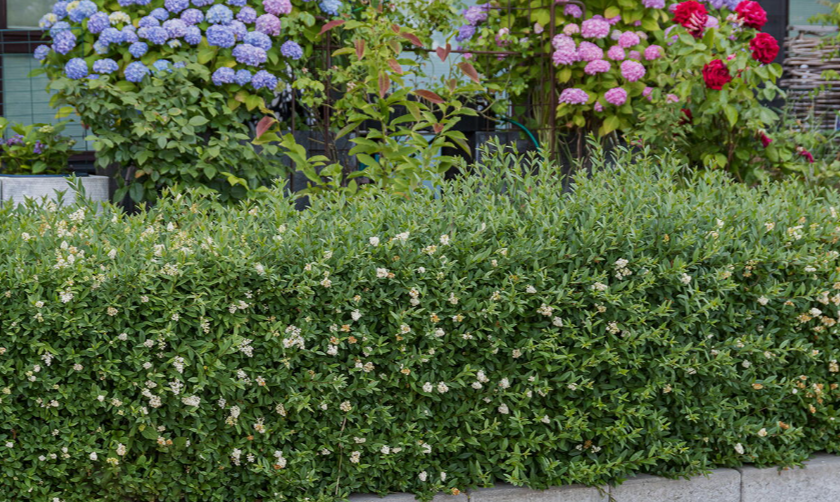
Types of privet shrubs have been planted across the United States for more than 170 years, and few hedge plants are more familiar. Privets are fast-growing, mostly semi-evergreen to evergreen shrubs in the olive family. They are known for small, glossy leaves, clusters of creamy white spring flowers, and dark blue-black berries. They tolerate heavy pruning, poor soil, drought, and urban pollution, and deer rarely browse them. Those traits made privet the default hedge plant for generations of American homeowners.
Most privets planted in North America came from Asia and Europe. Chinese privet was introduced in 1852, and European privet arrived in the early to mid-1800s. Texas A&M University researchers found that Chinese and European privets have invaded about 9.64 percent of forestlands in the southern United States, with the heaviest infestations in Alabama and Mississippi. Privets now rank among the most aggressive invasive shrubs in the country.
The problem is their berries. Birds eat the fruit and spread the seeds into woodlands, stream corridors, and fields, where privet forms dense thickets that crowd out native plants. University of Illinois Extension reports that most of the privet species introduced to North America are now considered invasive. Several are regulated or listed as invasive in states including New York, Maryland, Florida, Tennessee, and Pennsylvania. Pennsylvania added 4 privet species to its noxious weed list in January 2025.
That does not mean every privet is off-limits. Some newer cultivars are sterile or nearly seedless, and a few native shrubs share the privet name without the invasive risk. The 15 types below cover the most common privet species, popular cultivars, and native lookalikes. Each entry notes where the plant comes from, how it is used, and whether it is safe to plant in your region.
1. Chinese Privet
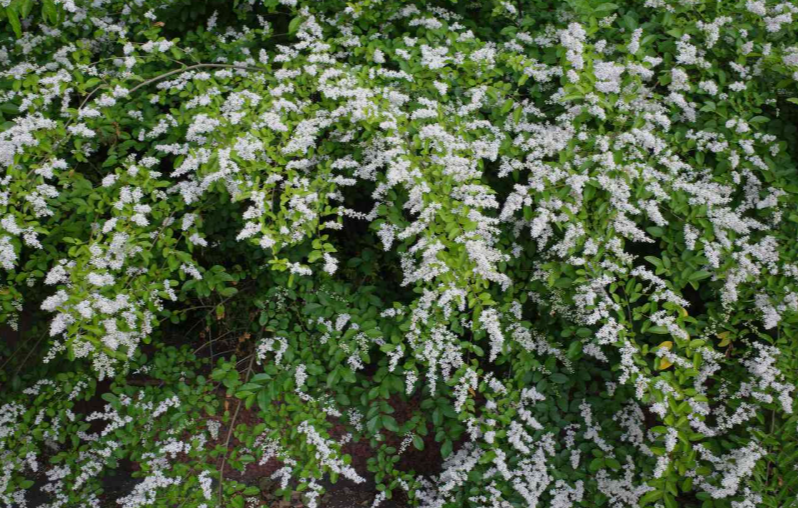
Chinese privet is the most widespread and damaging privet in the United States. Native to China, Taiwan, and Vietnam, it was introduced as an ornamental hedge plant in the mid-1800s. It grows into a large, multi-stemmed shrub or small tree up to 20 to 30 feet tall. Its small, oval leaves are semi-evergreen to evergreen, and fragrant white flowers appear in spring.
Chinese privet has escaped cultivation throughout the Southeast, from Texas to Virginia, and now forms dense thickets in forests and floodplains. Birds spread its abundant blue-black berries over long distances. It is regulated in Tennessee, Maryland, and Florida and listed as invasive in many other states. Gardeners should avoid planting the species and remove existing plants where possible.
2. Japanese Privet
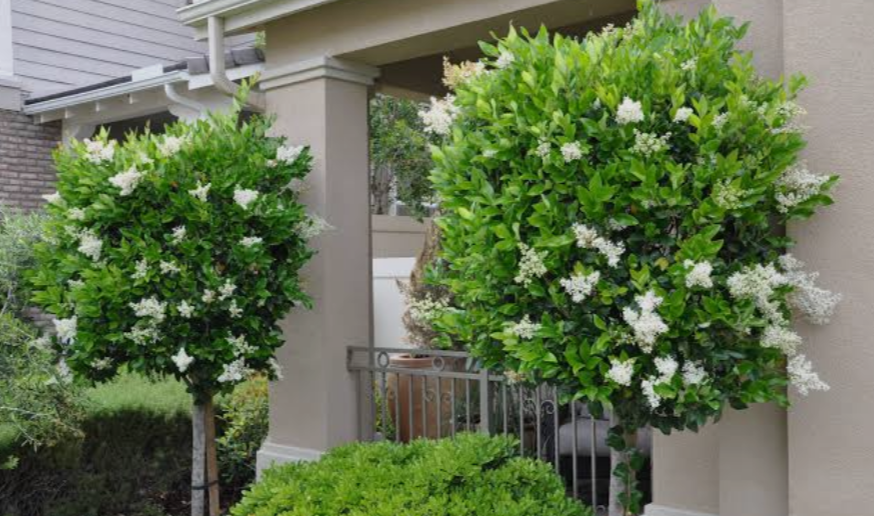
Japanese privet, often sold as wax-leaf privet, is a large evergreen shrub or small tree native to Japan and Korea. Its thick, glossy, leathery leaves are larger than those of Chinese privet, reaching up to 4½ inches long. It grows 10 to 15 feet tall and is widely used for hedges, screens, and small trees in the South. Fragrant white flowers appear in late spring.
Japanese privet grows best in Zones 7 through 10 and tolerates heat, salt spray, and drought. It has naturalized in parts of the Southeast and is listed as invasive in Alabama, Georgia, South Carolina, and Pennsylvania. It is regulated in Maryland. Gardeners in those regions should choose native alternatives such as yaupon holly or wax myrtle.
3. Glossy Privet
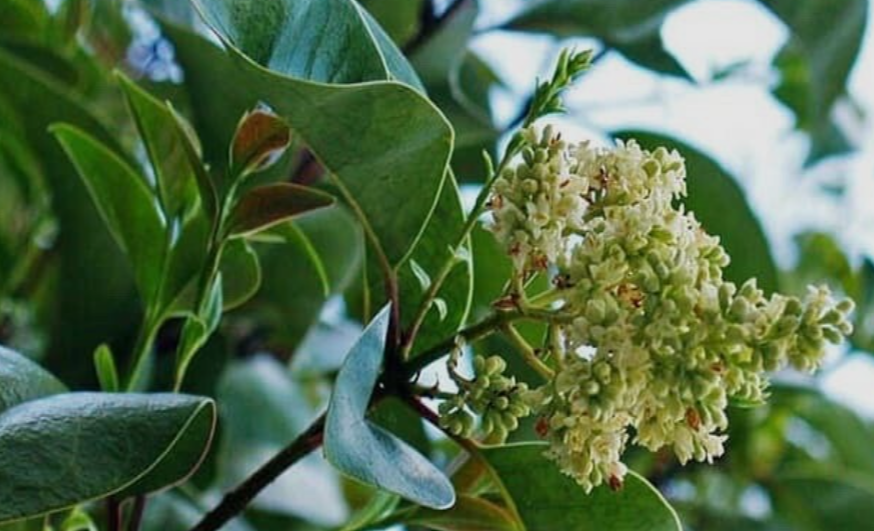
Glossy privet is the largest privet commonly planted in the United States. It often grows into a tree 30 to 40 feet tall. Native to China, it has large, shiny, dark green leaves and big clusters of white flowers in summer. It is sometimes called tree privet or broadleaf privet, and it was widely used as a street tree in warm climates.
Glossy privet grows in Zones 8 through 11 and has become a serious invader in parts of Florida, the Gulf Coast, and California. It is regulated in Florida and listed as invasive in California, Alabama, Georgia, South Carolina, and Maryland. Its heavy fruit crops allow it to spread quickly into natural areas. It should not be planted where it can escape into forests or wetlands.
Also Read: Different Types of Boxwood Shrubs
4. California Privet
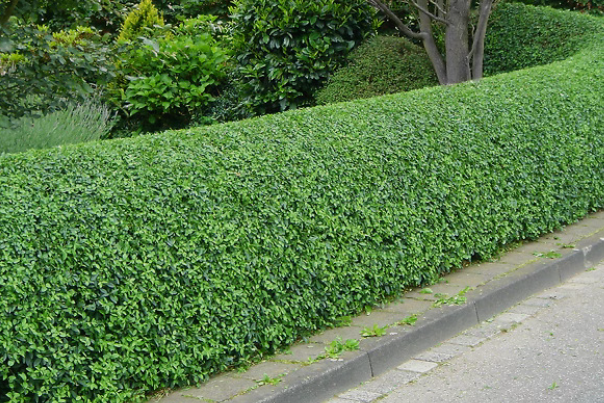
Despite its name, California privet is native to Japan and Korea, not California. It became the classic hedge privet of the northeastern United States, lining suburban yards, estates, and coastal properties for generations. It has glossy, oval leaves and grows 10 to 15 feet tall if left unpruned. Clusters of white flowers appear in early summer.
California privet grows in Zones 5 through 8 and tolerates salt spray, which made it popular in coastal New England and New York. It is listed as invasive in Indiana, New Jersey, and Massachusetts. Pennsylvania did not include it in its 2025 noxious weed list, but it may be considered invasive in nearby states. Gardeners should check local regulations before planting.
5. European Privet
European privet, also called common privet, is native to Europe, North Africa, and western Asia. It was one of the first privets introduced to North America, arriving in the early 1800s. It grows into a deciduous to semi-evergreen shrub 10 to 15 feet tall with narrow leaves and white flowers. It was widely planted for hedges and windbreaks.
European privet is very cold hardy and grows in Zones 4 through 8. It has escaped widely in the Midwest, Northeast, and South and is now listed as noxious in Pennsylvania. It forms dense thickets in forests and along streams. The compact cultivar ‘Lodense’ is still sold but should be avoided where the species is invasive.
6. Border Privet
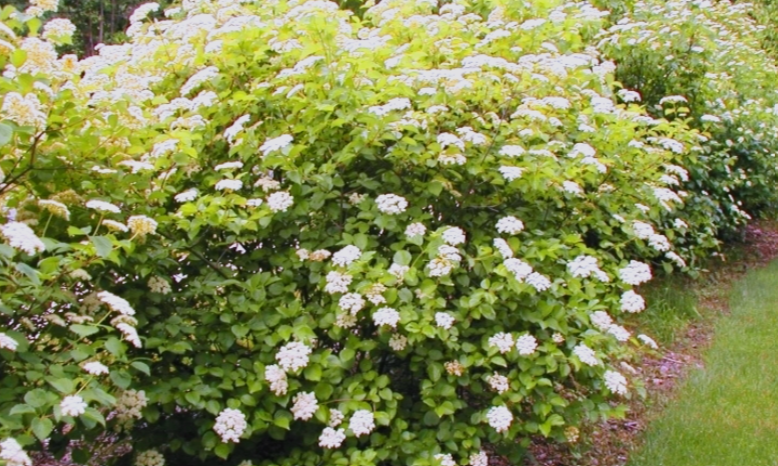
Border privet is native to Japan and was planted widely as an ornamental hedge in the eastern United States. It is a deciduous shrub that usually grows 7 to 12 feet tall with arching branches. Its oval leaves are smaller and duller than California privet. White flowers appear in early summer, followed by blue-black berries.
Border privet is one of the most problematic privets in the Northeast and Midwest. It is prohibited in Maryland and regulated in New York, New Hampshire, and Massachusetts. It is listed as invasive in Indiana, West Virginia, Virginia, Pennsylvania, and New Jersey. In Missouri, it has spread widely along the Missouri and Mississippi Rivers.
7. Regel’s Privet
Regel’s privet is a low, spreading form of border privet with horizontal branches. It typically grows 4 to 5 feet tall and up to 8 feet wide, giving it a layered look. It was popular in mid-20th-century landscapes for informal hedges and slopes. Its white flowers and dark berries are similar to those of border privet.
Because it is closely related to border privet, Regel’s privet carries similar invasive concerns. Birds spread its berries into woodlands and natural areas. It is very cold hardy, growing in Zones 3 through 7. Gardeners should avoid planting it where border privet is regulated or invasive.
8. Amur Privet

Amur privet is a cold-hardy privet native to China, valued for its ability to survive harsh northern winters. It grows 12 to 15 feet tall with oval leaves and clusters of white flowers. It was commonly used for hedges in the Upper Midwest and northern Plains. Its leaves drop in fall in colder regions.
Amur privet grows in Zones 3 through 7, making it one of the hardiest privets. It is listed as invasive in Indiana, South Carolina, and New Jersey. Like other privets, it spreads by bird-dispersed berries. Northern gardeners can use native shrubs such as American cranberrybush or chokeberry instead.
9. Waxyleaf Privet
Waxyleaf privet, sometimes called Quihou privet, is a Chinese species that blooms later than most privets, often in midsummer. It has narrow, waxy leaves and arching branches. It produces large, airy clusters of white flowers that attract bees and butterflies. It grows 6 to 10 feet tall.
Waxyleaf privet grows in Zones 6 through 9 and has escaped in parts of the South. It is often confused with Japanese privet, which is also sold as wax-leaf privet. Correct identification matters, because the two species have different invasive profiles. It should be avoided where it is known to spread.
10. Golden Privet
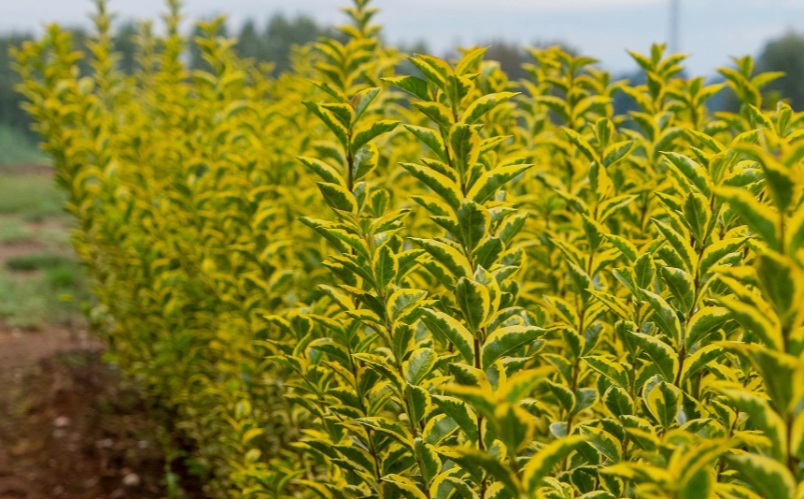
Golden privet is a hybrid with bright yellow to chartreuse leaves. It was developed for color in hedges and borders. It grows 8 to 12 feet tall and holds its golden color best in full sun. It produces fewer flowers and berries than many other privets.
Golden privet grows in Zones 5 through 8 and is often used as a colorful accent hedge. Because it produces some seed, it may still spread in certain regions. It is less aggressive than Chinese or border privet. Gardeners should still check local invasive lists before planting.
11. ‘Sunshine’ Chinese Privet
‘Sunshine’ is a dwarf, sterile cultivar of Chinese privet with bright golden-yellow foliage. It grows 3 to 6 feet tall and wide and keeps its color year-round. Because it does not produce flowers or fruit, it cannot spread by seed. It is popular in southern foundation plantings and borders.
‘Sunshine’ grows in Zones 6 through 10 and tolerates heat, drought, and poor soil. It needs full sun for the brightest color. It responds well to shearing into low hedges and globes. It is one of the safest ways to grow a privet-style shrub where invasive privets are a concern.
12. ‘Golden Ticket’ Privet
‘Golden Ticket’ is a seedless golden privet bred to reduce invasive spread. It forms a dense, rounded shrub 4 to 5 feet tall and wide. New growth emerges bright yellow and matures to lime green. It is widely recommended by extension services as a safer privet choice.
‘Golden Ticket’ grows in Zones 5 through 8 and tolerates heavy pruning. The University of Connecticut recommends seedless cultivars such as ‘Golden Ticket’ for gardeners who want privet. It works well as a low hedge, foundation plant, or colorful accent. It needs full sun to part shade and well-drained soil.
13. Curly Leaf Privet
Curly leaf privet is a cultivar of Japanese privet with twisted, wavy, glossy leaves. It forms a dense, upright shrub 6 to 10 feet tall. Its unusual foliage adds texture to hedges and foundation plantings. It is popular in southern gardens as a specimen shrub.
Curly leaf privet grows in Zones 7 through 10 and tolerates heat, salt, and drought. Because it is a form of Japanese privet, it may carry similar invasive concerns where that species is regulated. It produces fewer berries than the species in some cases. Gardeners should check local guidance before planting.
14. Variegated Chinese Privet
Variegated Chinese privet has small leaves edged in creamy white, creating a bright, airy look. It grows 6 to 10 feet tall and was once popular for hedges and accent plantings in the South. It produces fragrant white flowers in spring. Its colorful foliage brightens shaded areas.
Variegated Chinese privet grows in Zones 7 through 10. Unlike ‘Sunshine’, it can still produce seed and spread in some regions. The University of Maryland Extension notes that Chinese privet is among the species prioritized for invasive assessment in Maryland. It should be avoided near natural areas.
15. Swamp Privet
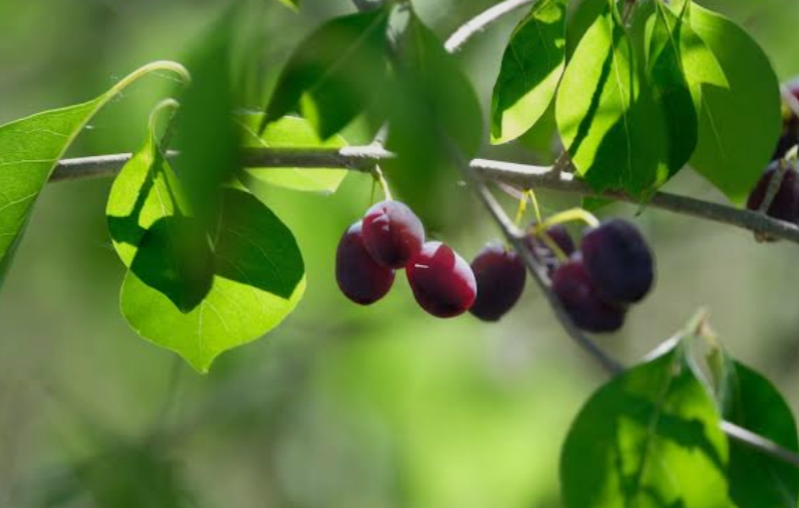
Swamp privet is a native North American shrub that is not a true privet but shares its common name. It grows in wetlands, river floodplains, and swamp edges across the Southeast and lower Midwest. It reaches 10 to 20 feet tall with small, oval leaves and tiny yellow-green flowers in early spring. Its dark fruit feeds birds and wildlife.
Swamp privet grows in Zones 5 through 9 and thrives in wet or periodically flooded soils. It is an excellent native alternative to invasive privets in rain gardens and along ponds. It supports native pollinators and birds far better than non-native privets. It can be pruned into an informal hedge or allowed to grow naturally.
Sources
University of Illinois Extension, “Invasive Privet”
University of Maryland Extension, “Privet”