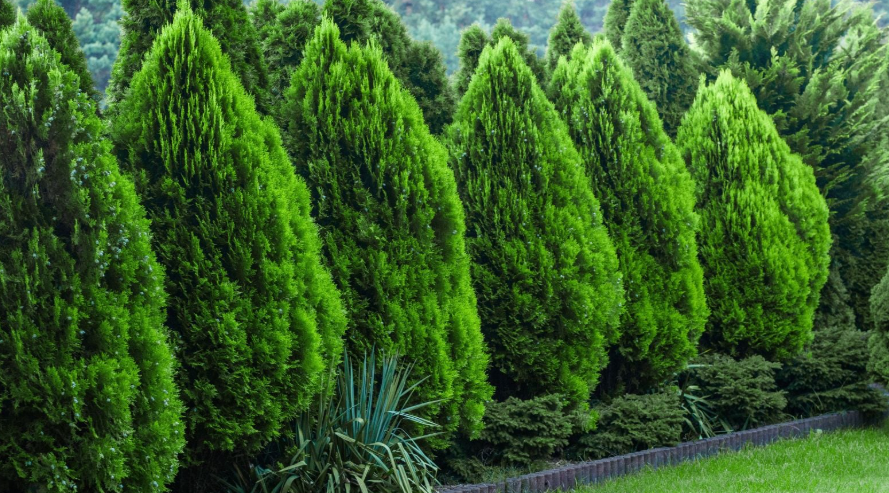
Trees that tolerate partial shade, dappled shade, or woodland-edge conditions.
Finding a tree for a shady part of the garden can be more challenging than choosing one for a sunny spot. Many familiar landscape trees perform best with several hours of direct sunlight, but that does not mean a shaded garden has to remain empty. There are surprisingly many trees that naturally grow beneath larger trees, along woodland edges, or in locations where buildings and structures reduce the amount of sunlight reaching the ground.
The important thing is to understand what kind of shade you have. Partial shade usually means a tree receives some direct sunlight during the day, while dappled shade occurs when sunlight filters through the canopy of taller trees. Deep shade is considerably more demanding, and even shade-tolerant trees may grow slowly or become less vigorous when almost no direct or filtered light reaches them. The Iowa State University Extension specifically recommends several trees for partial-shade landscapes, including serviceberry, American hornbeam, eastern redbud, pagoda dogwood, paperbark maple, pawpaw, and ironwood.
Shade does not have to mean sacrificing beauty, either. Some of the best trees for shaded areas offer spring flowers, colorful fall foliage, interesting bark, fruit, or an attractive branching habit. The University of Illinois Extension also lists numerous trees suitable for partial sun or shade, including American beech, flowering dogwood, American hornbeam, eastern redbud, Canadian hemlock, and hedge maple.
In this guide, you’ll find 40 trees worth considering when you need to bring structure, color, and seasonal interest to a garden where sunlight is limited.
1. Japanese Maple
Japanese maple is one of the most beautiful choices for a shaded garden, particularly when you want a smaller ornamental tree rather than a large shade canopy. Its finely divided leaves come in an impressive range of colors, from green and golden tones to deep red and burgundy. In autumn, many cultivars become even more spectacular as the foliage develops shades of orange, scarlet, or crimson.
A position with morning sun and afternoon shade is often excellent for Japanese maple, especially in warmer climates where intense afternoon sunlight can scorch delicate foliage. The tree also works beautifully beneath taller trees where filtered light reaches the leaves throughout the day.
2. Flowering Dogwood
Flowering dogwood is a classic woodland-edge tree known for its elegant branching structure and beautiful spring display. What appear to be large flowers are actually modified bracts surrounding the tiny true flowers, and they can be white, pink, or reddish depending on the cultivar. The foliage also provides attractive fall color before the tree becomes dormant.
This native North American tree naturally occurs in woodland environments, making it a logical choice for areas receiving partial or filtered shade. It looks particularly attractive beneath taller trees or near the edge of a woodland garden, where its horizontal branches have room to develop.
3. Eastern Redbud
Eastern redbud is a small native tree that produces clouds of pinkish-purple flowers in early spring before or as the leaves emerge. Its heart-shaped leaves remain attractive through summer and can turn yellow in fall. The branching structure also provides winter interest after the leaves have dropped.
Although redbud flowers most heavily in good sunlight, the tree can tolerate partial shade. Iowa State University Extension recommends eastern redbud for partially shaded landscapes and notes that it performs best in moist, well-drained soil.
4. Serviceberry
Serviceberry is one of the most versatile small trees for a partially shaded garden. Depending on the species and cultivar, it can grow as a multi-stemmed shrub or a small tree, producing delicate white flowers in spring followed by small edible berries. Its fall foliage can range from yellow to orange and red.
Serviceberries are naturally associated with open woodland habitats, which helps explain their tolerance of filtered light. Iowa State University Extension lists serviceberry among its recommended trees for partial shade and notes its flowers, edible fruit, and attractive autumn foliage.
5. American Hornbeam
American hornbeam is a small native tree with a graceful, rounded form and smooth, muscular-looking gray bark. Its leaves are green through summer before developing warm yellow, orange, or reddish tones in fall. Because it generally remains smaller than many traditional shade trees, it can be particularly useful in residential landscapes.
This tree naturally grows in woodland environments and tolerates partial shade well. Iowa State University Extension describes American hornbeam as a slow-growing native tree that eventually develops into an attractive small landscape tree.
6. Pagoda Dogwood
Pagoda dogwood is named for its distinctive horizontal branching pattern, which gives the tree a layered appearance. Creamy white flowers appear in late spring, followed by small fruits that can attract birds. The foliage may develop reddish-purple tones in fall.
It is especially suited to cool, protected locations with moist, well-drained soil. Partial shade can help protect the tree from excessive heat, making it an excellent candidate for woodland-edge gardens.
7. Pawpaw
Pawpaw is an unusual native fruit tree with enormous tropical-looking leaves. In spring it produces unusual dark flowers, followed by edible greenish fruits with soft, custard-like flesh. The fruit has a distinctive flavor often compared with a combination of banana and mango.
Young pawpaw trees naturally benefit from protection from intense sunlight, and the species is well suited to woodland and partially shaded settings. Iowa State University Extension includes pawpaw among trees suitable for partial shade.
8. Paperbark Maple
Paperbark maple is a relatively small ornamental tree prized for its peeling cinnamon-brown bark. The bark remains attractive throughout winter, while the trifoliate leaves provide a delicate appearance during the growing season and develop warm autumn colors.
It can tolerate partial shade and works especially well as a specimen tree in a protected garden. Its moderate size also makes it easier to fit into residential landscapes than many large shade trees.
9. Ironwood
Ironwood, also known as American hophornbeam, is a small native tree with a rounded crown and attractive birch-like bark. Its leaves are serrated and relatively fine-textured, giving the tree a natural woodland appearance.
It is naturally adapted to the understory and can tolerate partial shade. Iowa State University Extension recommends ironwood among trees suitable for partially shaded landscapes.
10. Canadian Hemlock
Canadian hemlock is one of the better-known evergreen trees for shaded landscapes. Its soft, dark-green needles and gracefully drooping branches give it a refined appearance, while the dense foliage can provide year-round screening.
It performs best in cool conditions with moist, well-drained soil and protection from hot, dry locations. Iowa State University Extension specifically notes that Canadian hemlock performs well in shade but should be protected from windy and excessively hot sites.
11. American Beech
American beech is a majestic native hardwood with smooth gray bark and a broad, rounded crown. Its leaves are dark green during summer and turn golden or bronze in autumn. Mature specimens can become enormous, so it is better suited to spacious properties.
The species is naturally associated with forests and can tolerate partial shade, particularly when young. Its smooth trunk and dense canopy make it one of the most impressive trees for a woodland-style landscape.
12. European Beech
European beech is another large, elegant tree capable of growing in partial shade. Its smooth gray bark and dense foliage create a formal appearance, while cultivated varieties can offer green, purple, or variegated leaves.
Because mature trees can become very large, European beech needs considerable room. It is best considered for large landscapes where its eventual canopy will not interfere with buildings or overhead utilities.
13. American Linden
American linden, also called basswood, is a large deciduous tree with heart-shaped leaves and a broad crown. Fragrant yellowish flowers appear in early summer and attract bees and other pollinators.
It can tolerate partial shade, although young trees generally benefit from adequate light as they establish. University of Illinois Extension includes American linden among its trees suitable for partial sun and shade.
14. Hedge Maple
Hedge maple is a smaller maple species with dense foliage and a naturally rounded growth habit. Its compact character makes it more manageable than many larger maple species, and it can be used as a specimen, small shade tree, or even trained into a hedge.
It tolerates partial shade and a range of urban conditions. The species is included by University of Illinois Extension among trees suitable for partial sun and shade.
15. Cornelian Cherry Dogwood
Cornelian cherry dogwood is a small tree or large shrub valued for its early yellow flowers, attractive foliage, and red cherry-like fruits. The flowers can appear very early in spring, sometimes before most other trees have begun to bloom.
It can tolerate partial shade and is useful when you want a smaller tree beneath taller landscape plants. Its fruit can also provide food for wildlife, adding another reason to include it in a naturalistic garden.
16. Carolina Silverbell
Carolina silverbell is a graceful small to medium-sized native tree that produces clusters of white, bell-shaped flowers in spring. The flowers hang beneath the branches and become particularly attractive when viewed from below.
It is naturally associated with woodland habitats and performs well in partial shade. University of Illinois Extension includes Carolina silverbell among trees suitable for partial sun and shade.
17. European Hornbeam
European hornbeam develops a dense, formal-looking crown and can become a substantial shade tree. Its serrated green leaves turn yellow in autumn, while the strongly fluted trunk becomes increasingly attractive as the tree matures.
It tolerates partial shade and can be useful in formal gardens as well as naturalistic landscapes. Its dense branching also makes it valuable when a tree is needed for screening or architectural structure.
18. Paper Birch
Paper birch is famous for its bright white bark, which creates a dramatic contrast against green foliage and darker woodland backgrounds. Its delicate leaves flutter in the slightest breeze and turn yellow in autumn.
The species is better suited to cooler climates and moist soil than hot, dry conditions. In the right environment, however, it can tolerate partial shade and make an exceptional accent tree.
19. River Birch
River birch is a fast-growing native tree recognized for its peeling, cinnamon-colored bark and attractive multi-stemmed habit. It is particularly useful in moist areas where many other landscape trees struggle.
Although it can grow in full sun, river birch also tolerates some shade. Its natural association with stream banks makes it especially useful for damp parts of the landscape.
20. Black Gum
Black gum, also called tupelo, is a beautiful native tree with glossy green leaves and exceptional autumn color. Depending on conditions, the foliage can turn brilliant red, orange, yellow, or purple before falling.
It can tolerate partial shade, especially when young, and eventually develops into a handsome medium to large tree. Its small dark fruits are also valuable to wildlife.
21. Sweetgum
Sweetgum is a large deciduous tree with star-shaped leaves and spectacular fall color. Its foliage can display combinations of yellow, orange, red, and purple, sometimes producing several colors on the same tree.
It can tolerate partial shade, particularly during its early development, although good light helps produce stronger growth and better fall coloration. If planting sweetgum in a residential garden, consider whether its spiky seed balls will be a problem around paths and lawns.
22. Sassafras
Sassafras is a small to medium-sized native tree with unusually shaped leaves. A single tree may produce mitten-shaped, three-lobed, and oval leaves, giving the foliage a fascinating variety.
The leaves turn brilliant yellow, orange, scarlet, or purple in autumn. Sassafras can grow along woodland edges and tolerate some shade, making it a good candidate for informal native landscapes.
23. Red Maple
Red maple is one of the most adaptable native maples and is widely planted as a shade and ornamental tree. Its leaves are green through summer but can become brilliant red, orange, or yellow in fall.
Young red maples can tolerate partial shade, although mature trees generally develop best with more sunlight. The species is particularly useful where a relatively fast-growing native shade tree is desired.
24. Sugar Maple
Sugar maple is famous for its spectacular fall color and dense canopy. Its leaves can turn brilliant yellow, orange, and red, while the tree eventually develops a broad crown capable of producing substantial shade.
It can tolerate some shade, particularly during its younger years, and naturally occurs in forest environments. However, mature sugar maples need considerable space and generally perform best where they eventually receive enough light to support a large canopy.
25. Black Maple
Black maple is closely related to sugar maple and shares many of its attractive qualities. Its leaves can be somewhat thicker and darker, and mature trees develop a substantial rounded canopy capable of casting deep shade.
It is worth considering for larger properties where a native maple is desired but a somewhat less commonly planted species would be preferable. Partial shade can be tolerated, particularly in younger trees.
26. Japanese Zelkova
Japanese zelkova is a medium to large deciduous tree with attractive bark, serrated leaves, and a broad vase-shaped crown. Its foliage develops yellow, orange, or reddish tones in autumn.
It is commonly used as a street and landscape tree and can tolerate some partial shade. Because mature specimens become large, provide plenty of room for the canopy and roots.
27. Hackberry
Hackberry is a durable native tree that can tolerate a variety of challenging urban conditions. Its leaves have a slightly rough texture, while the gray bark develops distinctive ridges and corky projections as the tree matures.
It is capable of tolerating some shade, particularly during establishment. University of Illinois Extension includes hackberry among trees evaluated for landscape exposure, while Iowa State Extension also lists it among adaptable trees for difficult conditions.
28. Pawpaw ‘Sunflower’
‘Sunflower’ is a named pawpaw selection that is particularly interesting for gardeners who want edible fruit from a tree suited to woodland conditions. The large leaves give it a tropical appearance despite its ability to grow in temperate regions.
Like other pawpaws, it appreciates protection from intense sunlight when young. A partially shaded position beneath taller trees can therefore be useful, particularly during establishment.
29. Hoptree
Hoptree is a small native tree with compound leaves and an open, natural appearance. It is sometimes overlooked in favor of more familiar ornamental trees, but its tolerance of difficult sites makes it worth considering.
It can grow in partial shade and works well in native plantings, woodland edges, and informal gardens. Its modest size also makes it more suitable for smaller landscapes than many traditional shade trees.
30. Pagoda Tree
Pagoda tree is valued for its unusual layered branching pattern and attractive foliage. Depending on the species or cultivar, it may produce creamy flowers followed by decorative fruits.
The name can refer to several plants, so check the botanical name before purchasing. Where the selected species is shade tolerant, it can make an attractive architectural tree in a partially shaded garden.
31. Northern Catalpa
Northern catalpa is a large tree with enormous heart-shaped leaves and showy white flowers marked with purple and yellow. Its long, bean-like seed pods remain attractive into winter, giving the tree a distinctive appearance.
Although catalpa grows vigorously in sunny locations, established trees can tolerate some shade. Iowa State Extension lists northern catalpa among trees that can handle dry sites, demonstrating its adaptability once established.
32. Kentucky Coffeetree
Kentucky coffeetree is a large native tree with a coarse branching structure and enormous compound leaves. The leaves emerge relatively late in spring and turn yellow in autumn.
It is particularly valuable for difficult landscapes because it tolerates drought once established. Partial shade can be tolerated, although young trees generally benefit from adequate light as they develop.
33. Ohio Buckeye
Ohio buckeye is a medium-sized native tree with palmate leaves and distinctive glossy brown seeds. In autumn, its foliage can develop attractive yellow, orange, and reddish tones.
It can tolerate some shade and is useful in woodland-edge settings. Its moderate size also makes it easier to accommodate than some of the very large shade trees on this list.
34. American Hophornbeam
American hophornbeam is another name commonly used for ironwood, a small native tree with a dense rounded crown and attractive textured bark. Its hop-like fruits provide additional visual interest.
It is naturally adapted to woodland conditions and can grow in partial shade. This makes it particularly useful when you want a small native tree that will blend naturally into an established landscape.
35. Shagbark Hickory
Shagbark hickory is one of the easiest hickories to recognize because mature trees develop long strips of bark that peel away from the trunk. It also produces edible nuts and attractive golden-yellow fall foliage.
Young trees can tolerate some shade beneath a woodland canopy, although mature specimens generally need greater access to sunlight. Because the tree can become very large and long-lived, it belongs on spacious properties.
36. Bitternut Hickory
Bitternut hickory is a tall native hardwood with pinnately compound leaves and a narrow, often upright crown. Its yellow fall foliage adds seasonal interest, while its strong wood makes it an important native forest tree.
It can tolerate some shade, especially when young, as it naturally occurs within forest environments. Iowa State Extension also lists bitternut hickory among trees capable of growing in dry sites.
37. Pignut Hickory
Pignut hickory is another large native woodland tree with compound leaves and a strong, upright form. Its nuts provide food for wildlife, while its fall foliage turns yellow to golden brown.
As a forest species, it can tolerate partial shade during part of its life. It ultimately needs enough light and space to develop into a mature canopy tree, so it is best suited to larger landscapes.
38. Golden Raintree
Golden raintree is a medium-sized ornamental tree valued for its bright yellow summer flowers and decorative seed capsules. Its foliage can also turn yellow in autumn, giving it several seasons of interest.
It is generally more sun-loving than some of the woodland species on this list, but it can tolerate a degree of partial shade. Iowa State Extension includes golden raintree among trees adapted to dry sites.
39. Nikko Maple
Nikko maple is a relatively uncommon ornamental maple that can be useful where a smaller shade-tolerant specimen is wanted. It develops a rounded crown, while its trifoliate leaves emerge bronze in spring and can develop yellow or reddish-purple color in fall.
The University of Missouri Extension specifically describes Nikko maple as an excellent choice where shade is needed in a small space, although it performs best in slightly acidic, adequately moist but well-drained soil.
40. American Sweetbay Magnolia
Sweetbay magnolia is an attractive small to medium-sized native magnolia with glossy green leaves and fragrant white flowers. In warmer climates it may retain its foliage for much of the year, while in colder areas it can behave more like a deciduous tree.
It naturally occurs in moist woodland and wetland environments and can tolerate partial shade. Its combination of fragrant flowers, attractive foliage, and relatively manageable size makes it a useful choice for a shaded garden where a traditional flowering tree might struggle.
How Much Shade Can Trees Actually Tolerate?
Not every tree described as “shade tolerant” will thrive in deep shade. There is an important difference between partial shade, dappled shade, and full shade. A location that receives three or four hours of direct sunlight is very different from a spot beneath several dense evergreen trees where almost no sunlight reaches the ground.
Partial shade is generally the easiest situation to work with. Iowa State University Extension defines a partially shaded site as one receiving around three to four hours of direct sunlight while remaining shaded for the rest of the day. Trees adapted to woodland edges and understory conditions are usually the best candidates for these locations.
Best Small Trees for Shaded Gardens
If space is limited, some of the best choices from this list include Japanese maple, serviceberry, American hornbeam, flowering dogwood, pagoda dogwood, pawpaw, paperbark maple, ironwood, and Cornelian cherry dogwood.
These trees offer something particularly valuable in a small garden: they provide seasonal interest without necessarily becoming enormous shade trees. Japanese maple is especially useful when foliage color and form are the priority, while serviceberry and dogwoods add flowers and wildlife value.
Best Trees for Deep Shade
Truly deep shade is much more difficult for trees than partial shade. Large evergreen canopies, buildings, and closely spaced mature trees can reduce available light to levels that limit growth.
For these situations, Canadian hemlock, American beech, European beech, American hornbeam, ironwood, and several woodland-adapted species are worth investigating. However, even shade-tolerant trees need enough light to photosynthesize and maintain healthy growth. If the site is almost completely dark throughout the day, a shade-loving shrub or woodland perennial may be a better solution than a tree.
Tips for Planting Trees in Shaded Areas
Before planting, observe the location throughout the day rather than judging it from a single visit. A garden that appears completely shaded in the morning may receive several hours of afternoon sun, while another site may remain shaded almost continuously.
Pay attention to root competition as well. If you are planting beneath established mature trees, the problem may not be sunlight alone. Existing tree roots can compete heavily for water and nutrients, making establishment difficult for a new tree.
Choose a tree that matches the soil as well as the light. Some shade-tolerant species prefer moist, well-drained soil, while others can tolerate dry conditions once established. Mulching the root zone can help conserve moisture and reduce competition from grass, but keep mulch away from direct contact with the trunk.
Finally, always check the mature size before planting. A tree that fits comfortably into a shaded corner as a young plant can eventually become much larger than expected. The best tree for a shaded garden is not simply one that tolerates low light—it is one whose mature size, soil requirements, climate tolerance, and growth habit all fit the site.
Final Thoughts
A shady garden can actually provide opportunities that a sunny garden does not. Trees that evolved in forests and woodland edges often bring subtle beauty through layered branches, textured bark, spring flowers, unusual foliage, fall color, and wildlife-friendly fruit.
The key is to match the tree to the type of shade you actually have. For bright partial shade, choices such as Japanese maple, eastern redbud, serviceberry, and flowering dogwood can provide outstanding ornamental value. For cooler woodland conditions, American hornbeam, ironwood, pawpaw, pagoda dogwood, and Canadian hemlock are worth considering.
With the right selection, even a garden with limited sunlight can have beautiful trees and plenty of year-round character.
References
- Iowa State University Extension and Outreach — Which Trees Will Grow in Shade?
Iowa State University Extension — Which Trees Will Grow in Shade?
A useful reference for identifying deciduous trees that tolerate partial shade, including serviceberry, American hornbeam, redbud, pagoda dogwood, ironwood, and hoptree. - Iowa State University Extension and Outreach — Trees and Shrubs Suitable for Partial Shade.
Iowa State University Extension — Trees and Shrubs Suitable for Partial Shade
Provides information on selecting plants for partially shaded landscapes and includes trees such as paperbark maple, pawpaw, serviceberry, ironwood, and hoptree. It also discusses Canadian hemlock as an evergreen that performs well in cool, moist, shaded locations. - University of Illinois Extension — Selecting Trees for Your Home.
University of Illinois Extension — Selecting Trees for Your Home
This tree-selection resource allows gardeners to identify species according to exposure, including full shade and partial sun/shade. Trees listed for full shade include American hornbeam, Canada hemlock, eastern redbud, hophornbeam, pawpaw, and red buckeye. - University of Minnesota Extension — Northern Hardwood Forests.
University of Minnesota Extension — Northern Hardwood Forests
Particularly useful for explaining shade tolerance. It identifies sugar maple, beech, eastern hemlock, and balsam fir as very shade-tolerant trees, while basswood is shade-tolerant and red maple and yellow birch are moderately shade-tolerant. - University of Arkansas Cooperative Extension — Shade and Flood Tolerance of Trees.
University of Arkansas Cooperative Extension — Shade and Flood Tolerance of Trees
Explains the differences between shade-tolerant and shade-intolerant trees and provides comparative information that can help when selecting trees for low-light environments. - University of Illinois Extension — Trees for Shade.
University of Illinois Extension — Trees for Shade
The University of Illinois tree-selection database includes shade as a landscape use and provides species-level information for choosing appropriate trees. - University of Georgia Cooperative Extension — Shade and Street Tree Care.
University of Georgia Cooperative Extension — Shade and Street Tree Care
Provides background on how light, temperature, moisture, soil conditions, and other environmental factors affect tree growth and selection.