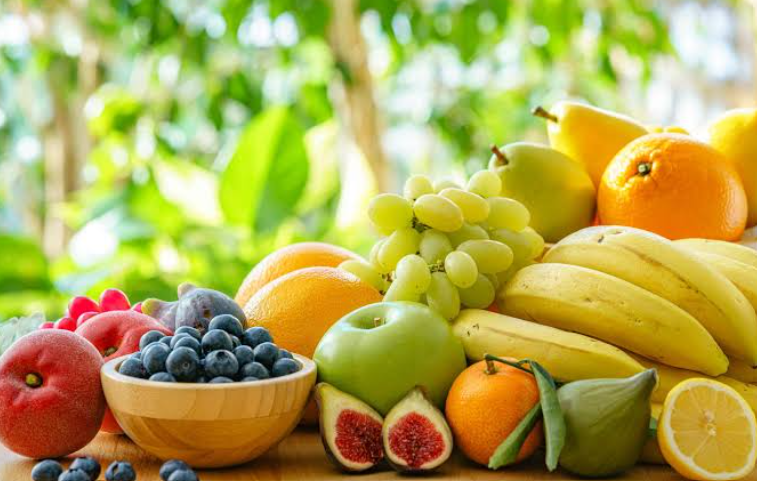
Fruits are botanically defined as the mature, ripened ovary of a flowering plant, typically developing after successful pollination and fertilization of the flower’s ovules. Despite this single technical definition, fruits vary so dramatically in structure, texture, and formation that botanists have developed an extensive classification system to organize them into meaningful categories. Roughly 2,000 different fruit-bearing plant species are cultivated for food around the world, though the vast majority of commercially grown fruit comes from just a small fraction of that total. Understanding fruit classification helps explain why a tomato is botanically a fruit while a strawberry’s true fruits are actually its tiny surface seeds rather than the fleshy red part most people eat.
The primary division in fruit classification separates fruits by how many flowers and ovaries contribute to the final structure. Simple fruits develop from a single ovary within a single flower, accounting for the overwhelming majority of fruits people eat daily, including apples, cherries, and grapes. Aggregate fruits form when a single flower contains many separate ovaries that each mature into a small fruitlet, with all of the fruitlets clustering together into what looks like one unified fruit. Multiple fruits, sometimes called composite fruits, take this a step further, forming from an entire cluster of flowers growing closely together, with each flower’s ovary contributing to a single larger fruit structure.
Simple fruits are further divided based on texture at maturity, splitting into fleshy fruits and dry fruits. Fleshy fruits retain a soft, moisture-rich tissue surrounding the seeds even after ripening, a category that includes several distinct fruit types differentiated by their internal seed and wall structure. Dry fruits, by contrast, develop a hardened, often woody or papery outer wall as they mature, and are further split into dehiscent types that split open to release their seeds and indehiscent types that remain closed, relying instead on animals, wind, or decay to release their contents.
Beyond the strict botanical system, fruits are also commonly grouped by practical or culinary characteristics, such as climacteric versus non-climacteric ripening behavior, which determines whether a fruit continues ripening after harvest. Roughly 80 percent of fruit varieties sold in grocery stores fall into the climacteric category, including bananas, avocados, and tomatoes, all of which continue to soften and change color even after being picked. Below is a breakdown of the major fruit classification categories, along with common examples of each.
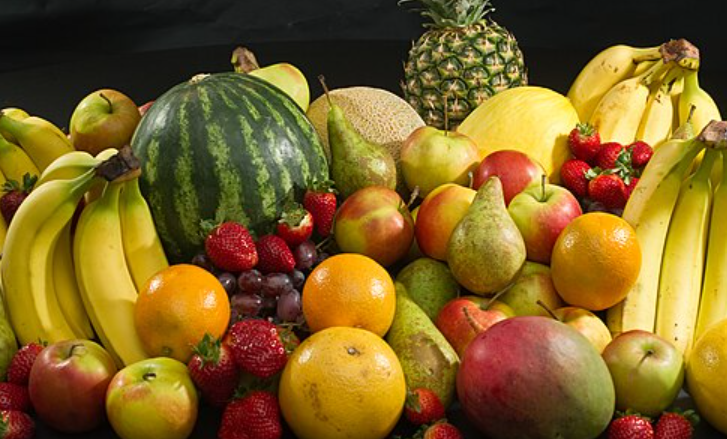
Drupe
A drupe, sometimes called a stone fruit, is a fleshy fruit characterized by a thin outer skin, a soft and juicy middle layer, and a single hard, woody pit at the center that encases the seed. This structure develops from a single ovary containing just one seed, and the hardened pit is technically part of the fruit wall rather than the seed coat itself. Common examples of drupes include peaches, plums, cherries, apricots, olives, and mangoes, and even almonds are technically drupes, with the edible almond being the seed found inside the pit.
Berry
A berry, in the strict botanical sense, is a fleshy fruit that develops from a single ovary and contains multiple seeds embedded directly within the soft flesh, without any hard pit or core. This category is broader and less intuitive than the common usage of the word, including fruits such as grapes, blueberries, tomatoes, eggplants, bananas, and even avocados, none of which fit the everyday culinary idea of a “berry.” Roughly 400 seeds can be found in a single passionfruit, one of the more seed-dense examples within this category.
Pome
A pome is a fleshy fruit in which the edible flesh develops primarily from the flower’s receptacle, the structure that supports the ovary, rather than from the ovary wall itself, with a distinct papery or leathery core enclosing the actual seeds. This structural quirk means the true fruit tissue is technically just the core, while the surrounding flesh people eat is an accessory structure. Apples and pears are the most familiar examples of pomes, and both typically contain 5 individual seed chambers arranged in a star pattern at the core.
Pepo
A pepo is a specialized berry-type fruit with a thick, hardened outer rind and a fleshy, often seed-filled interior, developing from a flower with an inferior ovary positioned below the petals rather than above them. This fruit type is characteristic of a specific plant family that includes squash, pumpkins, cucumbers, and melons. A single pumpkin pepo can weigh over 1,000 pounds in record-setting cultivars, though most grocery store varieties average just 10 to 20 pounds.
Hesperidium
A hesperidium is a modified berry with a leathery, oil-rich outer rind and a juicy interior divided into distinct segments, a structure unique to citrus fruits. This category includes oranges, lemons, limes, grapefruits, and tangerines, each typically containing 8 to 12 individual segments held together by a thin, fibrous membrane. Hesperidium fruits are notable for containing hundreds of tiny oil glands embedded in their rind, which release the sharp, aromatic citrus scent when the peel is scratched or zested.
Legume
A legume is a dry, dehiscent fruit that develops from a single ovary and splits open along 2 seams when mature, releasing its seeds from a single elongated pod. This fruit type gives its name to an entire plant family valued for its ability to enrich soil with nitrogen. Common examples include peas, beans, lentils, peanuts, and soybeans, with a single healthy pea pod typically containing between 4 and 10 individual seeds.
Capsule
A capsule is a dry, dehiscent fruit that develops from multiple fused ovaries and splits open through several pores, slits, or a detachable cap to release numerous small seeds. This fruit type is common among many flowering ornamental plants as well as some food crops. Examples include poppy seed pods, okra, Brazil nuts, and cotton bolls, with a single poppy capsule capable of containing more than 1,000 tiny seeds.
Follicle
A follicle is a dry, dehiscent fruit that develops from a single ovary and splits open along just 1 seam, distinguishing it from the 2-seamed legume despite a generally similar pod-like appearance. This fruit type is less common among major food crops but appears frequently among ornamental and wild flowering plants. Milkweed pods and magnolia fruit clusters are commonly cited examples of the follicle type.
Nut
A nut, in the strict botanical sense, is a dry, indehiscent fruit with a single seed enclosed in a hard, woody shell that does not split open on its own, relying instead on external forces like cracking or decay to release the seed. True botanical nuts are less common than the culinary use of the word suggests, with hazelnuts, chestnuts, and acorns representing some of the few food crops that qualify. Many foods commonly called nuts, including almonds, cashews, and walnuts, are technically drupes or other fruit types rather than true botanical nuts.
Achene
An achene is a small, dry, indehiscent fruit containing a single seed that remains separate from the surrounding fruit wall, meaning the seed can be removed from the fruit coat without damaging either part. Sunflower seeds are a widely recognized example, with each “seed” actually being a complete achene fruit rather than a bare seed. A single large sunflower head can produce more than 1,000 individual achenes.
Grain
A grain, also called a caryopsis, is a small, dry, indehiscent fruit in which the seed coat and fruit wall are fused into a single layer, unlike the separable structure of an achene. This fruit type forms the nutritional foundation of the cereal crop family and includes wheat, corn, rice, oats, and barley. A single ear of corn can contain between 500 and 800 individual grains, each technically an entire fruit rather than a seed alone.
Samara
A samara is a dry, indehiscent fruit featuring a thin, flattened, wing-like extension of the fruit wall that allows the seed to travel on the wind away from the parent plant. This fruit type is common among many wind-dispersed tree species. Maple seeds, commonly called “helicopters” for the way they spin as they fall, along with ash and elm seeds, are frequently cited examples of samaras.
Aggregate Fruit
An aggregate fruit forms when a single flower contains many separate ovaries, each of which develops into a small individual fruitlet, with all of the fruitlets fusing together on a single receptacle to form what appears to be one unified fruit. Raspberries and blackberries are classic examples, with a single raspberry typically composed of 60 to 100 tiny individual drupelets clustered around a central core. Strawberries also fall into a related aggregate category, though their true fruits are the small seed-like structures dotting the exterior, with a single strawberry containing around 200 of these true fruits embedded in its fleshy, edible receptacle.
Multiple Fruit
A multiple fruit, also called a composite fruit, develops from an entire cluster of flowers growing tightly together, with the ovary from each individual flower in the cluster contributing to a single, larger fused fruit structure. Pineapples are a well-known example, forming from more than 100 individual flowers along a central stalk that all fuse together into the fruit’s recognizable segmented exterior. Figs and mulberries are also classified as multiple fruits, with the fig’s unique structure enclosing its many tiny individual flowers and fruitlets entirely within an inverted, fleshy receptacle.
Climacteric Fruit
Climacteric fruits are defined not by their structure but by their ripening behavior, continuing to ripen and soften after being harvested thanks to a burst of ethylene gas production triggered once the fruit is picked. This category includes bananas, avocados, tomatoes, peaches, and apples, all of which are commonly harvested while still underripe to extend shelf life during shipping and storage. Roughly 80 percent of commercially significant fruit varieties fall into this climacteric category.
Non-Climacteric Fruit
Non-climacteric fruits, by contrast, stop ripening almost entirely once removed from the parent plant, meaning they must be harvested at or very near full ripeness to reach their best flavor and texture. This category includes citrus fruits, grapes, strawberries, and cherries, none of which will improve meaningfully in sweetness or texture after picking. Because non-climacteric fruits cannot ripen further post-harvest, they generally require faster transport and shorter storage windows than their climacteric counterparts.