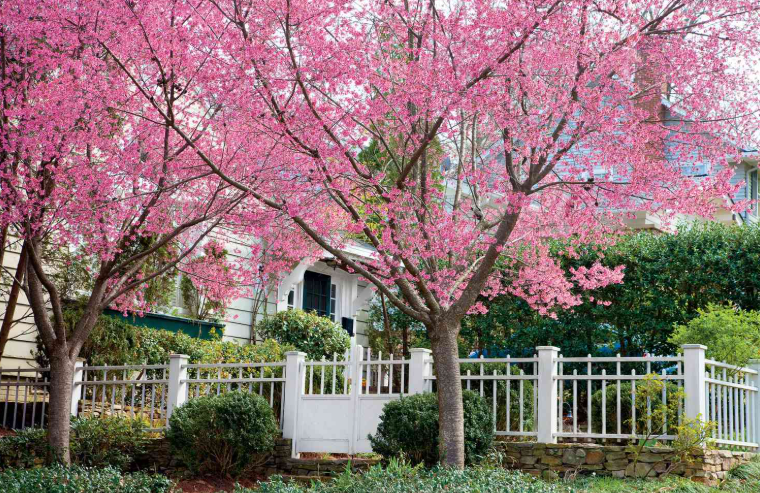
Cherry trees that grow in zone 7 have more options than almost any other hardiness zone in the country, since the region’s winter lows of 0 to 10 degrees Fahrenheit hit a sweet spot between too little chill for classic sweet cherries and too much cold for the more tender ornamental types. Zone 7 spans a wide swath of the United States, from the Mid-Atlantic coast through the upper South and into parts of the Pacific Northwest, and its winters typically deliver the 700 to 1,200 chill hours below 45 degrees that most cherry varieties need to bloom and fruit reliably. That combination of adequate cold and a manageable growing season makes zone 7 one of the most forgiving climates for both fruiting and flowering cherry trees.
Not every cherry tolerates zone 7’s occasional summer heat spikes and humidity as well as its winters, which is why some of the most commonly recommended varieties lean toward proven, disease-resistant selections rather than newer or more delicate cultivars. Sour cherries generally outperform sweet cherries in humid zone 7 summers, since sweet cherry varieties are more prone to splitting and fungal disease when rain falls during ripening. A single mature sweet cherry tree in zone 7 can produce 30 to 50 pounds of fruit once established, typically within four to five years of planting, while some of the ornamental varieties on this list are grown purely for their spring flower display rather than for fruit at all.
The 15 varieties below represent a mix of dependable fruiting cherries, cold-hardy native species, and ornamental flowering cherries that all perform well within zone 7’s specific range of winter minimums and summer conditions.
Bing
Bing remains one of the most widely planted sweet cherries in zone 7 gardens, though it performs best with well-drained soil and a compatible pollinator such as Van planted nearby since it cannot self-pollinate. The tree typically needs around 700 chill hours, well within what most zone 7 winters provide, and produces deep mahogany-red fruit averaging 9 to 10 grams each. Ripening generally falls in late June, though gardeners in the warmer end of zone 7 may see fruit slightly earlier.
Rainier
Rainier is a sweet cherry prized for its high sugar content, often testing above 19 percent Brix at full ripeness, and its striking yellow-and-red blush that sets it apart from darker cherry varieties. It requires roughly 800 chill hours, a threshold zone 7 winters typically meet without difficulty, and benefits from a nearby pollinator like Bing. The fruit’s thin skin makes it more prone to splitting during wet weather than firmer varieties, so well-drained planting sites matter even more than usual.
Stella
Stella is one of the most practical sweet cherry choices for zone 7 growers with room for only a single tree, since it is self-fertile and does not require a second variety for pollination. The tree typically ripens in early to mid-June, producing firm, dark red fruit suited to both fresh eating and preserving. Its moderate chill requirement and reliable self-pollination have made it a standard recommendation across the zone’s full range, from the Mid-Atlantic to the Pacific Northwest.
Lapins
Lapins pairs self-fertility with large fruit size, typically averaging 10 grams per cherry, making it one of the more productive single-tree options for zone 7 home orchards. It ripens slightly later than Stella, generally in early to mid-July, and shows better resistance to rain-related fruit splitting than many other sweet cherry cultivars. Its chill requirement of roughly 400 to 500 hours is comfortably met across nearly all of zone 7’s winter range.
Black Tartarian
Black Tartarian has been cultivated since the 1790s and remains popular in zone 7 for its intensely flavored, nearly black fruit and its usefulness as a pollinator for other sweet cherry varieties. The tree requires a solid winter chill to set a full crop, which zone 7’s cold season reliably supplies, and ripens early in the season, often a week or more ahead of Bing. Left unpruned, it can reach 30 feet or taller, making it one of the more vigorous sweet cherries on this list.
Montmorency
Montmorency is the standard tart cherry across zone 7, valued for tolerating the region’s humid summers better than most sweet cherry varieties and for its reliable annual yields. The tree is self-fertile and typically ripens in early to mid-June, producing bright red fruit used mainly for pies, preserves, and juice. A mature Montmorency tree can produce 30 to 50 pounds of fruit annually, making it one of the more productive choices for home bakers.
North Star
North Star is a genetic dwarf sour cherry that rarely exceeds 8 to 10 feet, a useful trait for zone 7 gardeners working with smaller yards or container plantings. It is self-fertile, extremely cold-hardy even at the coldest end of the zone, and produces tart red fruit in the same general June window as Montmorency. Its compact size has made it one of the few dwarf cherry varieties considered genuinely reliable rather than just novelty-sized.
Meteor
Meteor is a sour cherry variety selected in part for its resistance to cherry leaf spot, a fungal disease that becomes more of a problem in zone 7’s humid summer months than in drier climates. It is self-fertile and ripens in the same early-to-mid-June window as Montmorency and North Star, producing fruit well suited to baking. Meteor’s disease resistance makes it a practical choice for zone 7 gardeners in the more humid eastern portions of the zone.
Yoshino Cherry
Yoshino cherry is the ornamental variety most associated with Washington D.C.’s Tidal Basin, and its hardiness rating down to zone 6 means it performs comfortably throughout all of zone 7 as well. The tree reaches 30 to 50 feet at maturity with a round, wide-spreading form and clusters of white, almond-scented blossoms in early spring. It produces small fruit that is largely ornamental, feeding birds rather than serving as a table crop.
Kwanzan Cherry
Kwanzan cherry is rated hardy to zone 5, giving it a comfortable cushion of cold tolerance within zone 7’s milder winters, and it rewards that hardiness with one of the showiest spring displays of any flowering tree. The tree grows to about 30 feet with an upright, spreading form and dense clusters of double pink blossoms carrying around 30 petals each. It typically blooms about two weeks after Yoshino, extending the flowering season into mid-spring.
Okame Cherry
Okame cherry is valued in zone 7 landscapes for blooming earlier than nearly any other ornamental cherry, often flowering before many other spring trees have broken dormancy. It is hardy to zone 5 or 6, comfortably within zone 7’s range, and grows to about 25 feet with a 20-foot spread and semi-double pink flowers. Its smaller size makes it a popular choice for residential yards where a full-sized shade tree would be impractical.
Weeping Higan Cherry
Weeping Higan cherry brings a graceful, cascading form to zone 7 landscapes, with slender branches that arch downward under a covering of pink or white spring flowers depending on the specific cultivar. Rated hardy to zone 5, it easily tolerates zone 7 winters and typically grows 20 to 40 feet tall with an equal or greater spread. It tends to bloom about a week before Yoshino, giving zone 7 gardeners one of the earliest ornamental cherry displays of the season.
Sargent Cherry
Sargent cherry is one of the most cold-hardy flowering cherries available, rated to zone 4, which gives it an especially wide margin of safety in zone 7’s comparatively mild winters. The tree grows upright to 40 or 50 feet with a spread roughly equal to its height and single, deep pink flowers in clusters. Its exceptional hardiness has made it a useful parent species in several modern flowering cherry breeding programs aimed at improving cold tolerance in warmer selections.
Black Cherry
Black cherry grows wild throughout much of zone 7’s range, particularly in the eastern and southeastern United States, where mature trees can reach 60 to 80 feet in forest settings. Its small, dark fruit ripens from red to nearly black in late summer and serves as an important food source for birds and other wildlife. In fall, the glossy foliage turns shades of yellow, orange, and red before dropping, and the wood is commercially valued for furniture and cabinetry.
Chokecherry
Chokecherry is a native shrub or small tree found in thickets and along fence lines across much of zone 7, typically growing 10 to 25 feet tall with a dense, spreading habit. It produces clusters of small, extremely tart red to purple-black fruit in late summer that is far too astringent for fresh eating but has long been used in jellies, syrups, and wine. Its wide natural range and tolerance of varied soil conditions make it one of the hardiest and most adaptable cherry species across the entire zone.