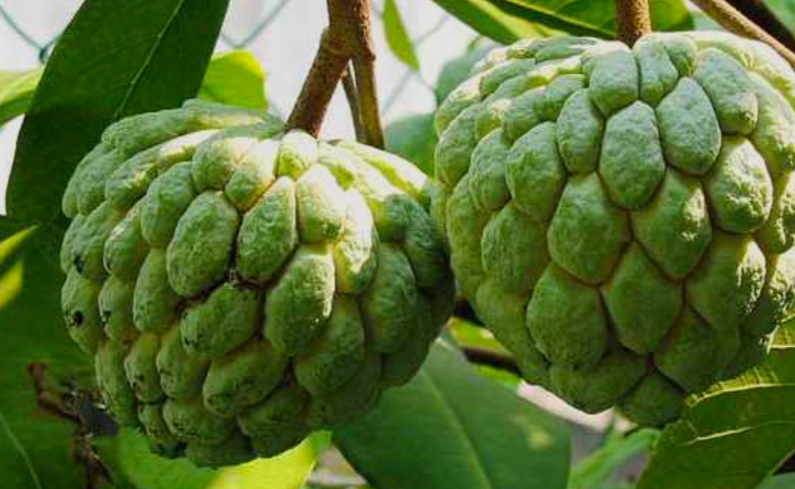
Fruits with green flesh can be surprisingly diverse. Some have green skin and green flesh, while others have brown, yellow, red, or even purple skin that hides a vivid green interior.
The green color may appear throughout the flesh or be concentrated around the seeds, core, or central cavity. Fruits such as kiwifruit, avocado, guava, feijoa, and honeydew melon are among the better-known examples.
Green flesh can also vary considerably in texture and flavor. Some fruits are crisp and refreshing, others are creamy or buttery, while tropical varieties can have sweet, floral, tangy, or aromatic flavors.
Below are 24 fruits that can have naturally green flesh when ripe or at the appropriate eating stage. The list includes familiar fruits as well as several less common varieties worth knowing.
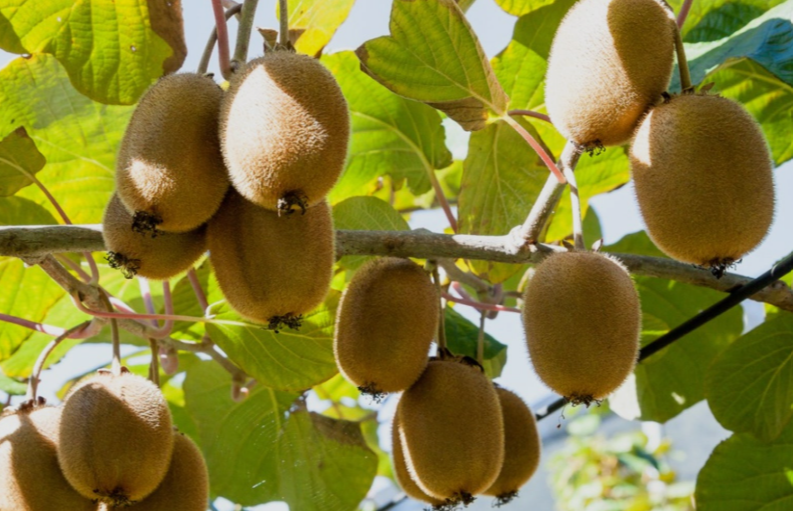
1. Kiwi
Kiwifruit is one of the most recognizable fruits with green flesh. The classic green kiwifruit has fuzzy brown skin surrounding bright green flesh filled with tiny black seeds. Its flesh is soft and juicy when ripe, with a sweet-tart flavor.
Kiwifruit is commonly eaten fresh by slicing it in half and scooping out the flesh or peeling the skin. It can also be added to fruit salads, smoothies, desserts, and yogurt. Green kiwifruit is produced commercially in several temperate regions around the world.
2. Avocado
Avocado is another familiar fruit with green flesh, although the exact shade can range from pale yellow-green to deeper green. The flesh is creamy and buttery, while the large central seed occupies much of the fruit’s interior. Some varieties have green skin, whereas others develop dark or nearly black skin when ripe.
Avocados are commonly eaten raw in salads, sandwiches, dips, and spreads. The flesh can also be blended into smoothies or used in a variety of cooked dishes. Their mild flavor and creamy texture make them quite different from most juicy fruits.
3. Green Guava
Green-fleshed guavas can have green, yellow-green, or yellowish skin and a crisp interior when harvested at the appropriate stage. Some varieties have flesh that remains distinctly green even as the fruit becomes ready to eat. Small edible seeds are often scattered throughout the center.
The flavor can range from mildly sweet to strongly aromatic and slightly tart. Green guavas can be eaten fresh, juiced, blended, or used to make jams and other preparations. Their texture can become softer and more fragrant as the fruit ripens.
4. Feijoa
Feijoa, also known as pineapple guava, is a small oval fruit with green skin and soft, translucent greenish flesh. When cut open, the interior often has a jelly-like center surrounded by firmer flesh. The fruit contains numerous small edible seeds.
Feijoas have a distinctive aromatic flavor that is sometimes compared with a mixture of pineapple, guava, mint, and other tropical notes. They are commonly eaten by cutting the fruit in half and scooping out the flesh. The fruit can also be used in desserts, drinks, preserves, and baked products.
5. Honeydew Melon
Honeydew melon typically has pale green flesh beneath smooth greenish or cream-colored skin. The flesh becomes juicy and tender as the melon ripens and usually has a sweet, refreshing flavor. A central cavity contains the seeds, which are removed before eating.
Honeydew is commonly eaten fresh, particularly in fruit salads and chilled dishes. It can also be blended into smoothies or used in cold drinks. The flesh is generally at its sweetest when the melon is fully mature.
6. Green-Fleshed Dragon Fruit
Some dragon fruit varieties have striking green or greenish flesh, although white, red, and pink-fleshed types are more widely encountered. Green-fleshed forms may have numerous small black seeds distributed throughout the soft interior. The outer skin can be brightly colored, creating a strong contrast with the green flesh.
The flesh is generally soft, juicy, and mildly sweet. Dragon fruit can be eaten fresh with a spoon or incorporated into smoothies, fruit bowls, and desserts. Green-fleshed varieties are especially interesting because of the unusual contrast between their colorful exterior and interior.
7. Green-Fleshed Watermelon
While most watermelons have red or pink flesh, some unusual varieties produce green flesh. The interior may range from pale green to a stronger green shade, depending on the cultivar and maturity. Their rind can still have the familiar striped or solid appearance associated with watermelons.
Green-fleshed watermelons are generally juicy and refreshing. Some specialty varieties are grown specifically for their unusual interior color and can be used in the same ways as conventional watermelon. They are usually eaten fresh or incorporated into chilled fruit dishes and beverages.
8. Green Mango
Green mangoes can have green flesh, particularly when harvested before full ripeness. The flesh is usually firm and crisp at this stage, with a noticeably tart or acidic flavor. Some varieties retain a greenish flesh even as they soften and become sweeter.
Unripe green mango is widely used in salads, chutneys, pickles, sauces, and other dishes. Fully ripe mangoes from certain cultivars may also retain some green coloration externally while developing sweeter flesh. Mango varieties differ considerably in skin color, flesh color, texture, and flavor.
9. Green Papaya
Green papaya is the unripe stage of the papaya fruit and has firm, pale green to greenish-white flesh. The flesh is much less sweet than ripe papaya and has a crisp texture. Small immature seeds are usually pale rather than the dark seeds found in fully ripe fruit.
Green papaya is particularly popular in savory dishes. It can be shredded for salads, cooked in soups, stir-fries, and stews, or prepared with various seasonings. As the fruit ripens, the flesh typically changes from greenish-white to orange, yellow, or reddish-orange depending on the variety.
10. Green Apple
Some apple varieties have pale green or greenish flesh beneath green skin. The flesh can remain quite light, but certain varieties show a noticeable green tint, particularly near the skin. Granny Smith is a well-known example of a green-skinned apple with crisp, pale flesh.
Green apples are generally crisp and juicy, with flavors ranging from sharply tart to mildly sweet. They are commonly eaten fresh and are also excellent for salads, baking, sauces, and juices. The exact flesh color depends on the cultivar and growing conditions.
11. Green Pear
Some pear varieties have pale green to greenish flesh, particularly when they are firm and freshly harvested. The interior is usually much paler than the skin but can show a subtle green tint. As pears mature, their flesh generally becomes softer and juicier.
Green-skinned pear varieties are widely eaten fresh and are also used in salads, desserts, preserves, and baked dishes. The texture can range from crisp to melting and buttery depending on the variety. Pears are often ripened after harvest rather than being left to become fully soft on the tree.
12. Green Grapes
Green grapes have translucent green to yellow-green flesh beneath their skin. The interior is usually juicy and can contain seeds or be completely seedless depending on the variety. Some grapes remain distinctly green when fully ripe, while others become more yellow as they mature.
Green grapes range from very sweet to pleasantly tart. They are commonly eaten fresh, dried into raisins, pressed for juice, or used in salads and desserts. Their crisp texture makes them especially popular as a fresh snack.
13. Green Gooseberry
Green gooseberries are small round fruits that can have translucent green flesh and a thin, slightly hairy or smooth skin. The flesh contains several small seeds and can appear almost jelly-like when the fruit is ripe. Depending on the variety and maturity, the skin may become yellowish or reddish.
Gooseberries are known for their sharp, tangy flavor, although some varieties become sweeter as they ripen. They are commonly used in pies, jams, sauces, desserts, and fruit preserves. Fully ripe gooseberries can also be eaten fresh.
14. Green Plum
Certain plum varieties have green skin and greenish flesh. The flesh can be firm and crisp when the fruit is less mature, becoming softer and sweeter as it ripens. Some green plums retain a green or yellow-green interior even when ready to eat.
Green plums can be eaten fresh or used in preserves, sauces, desserts, and savory dishes. Their flavor varies from strongly tart to sweet and juicy. In some regions, firm green plums are valued specifically for their sour flavor and crunchy texture.
15. Green Starfruit
Starfruit, or carambola, often has pale green to yellow-green flesh. When sliced crosswise, the fruit produces distinctive star-shaped pieces because of its five prominent ridges. The interior is juicy and contains relatively small seeds.
Green starfruit can be crisp and tart when less mature, while ripe fruit tends to become sweeter and more yellow. It is commonly eaten fresh and is also used in salads, drinks, garnishes, and desserts. The entire fruit is generally edible when properly prepared.
16. Green Sapote
Green sapote is a tropical fruit with green skin and flesh that can range from pale green to greenish-yellow. The fruit becomes softer as it matures and has a creamy texture. Its large seeds are usually removed before eating.
The flavor is sweet and rich, with some varieties described as having tropical, nutty, or custard-like qualities. Green sapote is often eaten fresh after the fruit has softened sufficiently. It can also be blended into drinks, desserts, and other preparations.
17. Green Passion Fruit
Some passion fruit varieties have greenish flesh surrounding a mass of juicy seeds. The interior consists of a soft, aromatic pulp rather than the solid flesh found in fruits such as apples or pears. The pulp can have a greenish, yellow-green, or golden appearance depending on the variety and maturity.
Passion fruit is known for its strong fragrance and sweet-tart flavor. The pulp and seeds are commonly eaten fresh or added to juices, desserts, sauces, and beverages. Many varieties develop yellow, orange, or purple skin as they mature, but the interior can remain relatively light.
18. Green Fig
Some fig varieties can have pale green to greenish flesh when mature. When sliced open, figs reveal a soft interior containing numerous tiny edible seeds. The flesh can be pale green, pink, red, or amber depending on the variety.
Green figs are often sweet, soft, and highly aromatic when fully ripe. They can be eaten fresh or dried and are also used in salads, desserts, preserves, and baked dishes. The skin of many green fig varieties is edible as well.
19. Green Muskmelon
Certain muskmelon varieties develop green or greenish-orange flesh beneath a netted or smooth rind. The flesh is usually soft and juicy once ripe and can have a sweet, fragrant aroma. Different cultivars can vary considerably in the intensity of their green coloration.
Green-fleshed muskmelons are commonly eaten fresh after being chilled. They can also be combined with other fruits in salads or blended into smoothies and cold beverages. Harvesting at the correct stage is important because immature melons tend to have less sweetness and weaker aroma.
20. Green Rambutan
Some rambutan varieties can retain green skin while developing soft, pale greenish or translucent flesh inside. The fruit is covered with distinctive soft spines or hairs that make it easy to recognize. The edible flesh surrounds a central seed.
The flesh is usually juicy and sweet, with a texture somewhat similar to lychee. Rambutan is most often eaten fresh after removing the outer skin. The fruit is widely associated with tropical climates and is commonly sold fresh in regions where it is grown.
21. Green Jujube
Green jujubes are small fruits that can have crisp, pale green flesh when eaten fresh. The flesh surrounds a hard central stone and has a texture somewhat reminiscent of a crisp apple. As the fruit matures, the skin often changes from green toward yellow, reddish-brown, or brown.
Fresh green jujubes can have a mildly sweet and refreshing flavor. They are often eaten raw but can also be dried, preserved, or used in cooked preparations. The fruit is especially popular in parts of Asia and other warm-growing regions.
22. Green Tamarillo
Green tamarillos are varieties or less mature fruits of the tamarillo plant that can have greenish flesh around numerous small seeds. Their interior is juicy and somewhat gelatinous. Fully mature tamarillos may develop red, orange, or yellow skin and flesh depending on the cultivar.
The flavor of green tamarillo can be more tart and acidic than that of ripe fruit. It can be used in sauces, chutneys, salads, and other culinary preparations. Tamarillos grow on small trees or shrubs and are particularly associated with mild subtropical and highland climates.
23. Green Horned Melon
Horned melon, also called kiwano, has a distinctive green, jelly-like interior when it is less mature. The flesh contains numerous edible seeds surrounded by translucent pulp. The fruit’s exterior develops prominent horn-like projections that make it one of the easiest fruits to recognize.
As it matures, the outer skin commonly changes from green to yellow or orange. The flavor of the pulp can be mildly sweet and refreshing, with cucumber-like, melon-like, or citrusy notes. It can be eaten fresh, added to salads and drinks, or used as a decorative ingredient.
24. Green Lemon
Some lemons can have green flesh or a distinctly greenish interior when harvested before reaching full maturity. The flesh is divided into segments containing abundant juice, while the outer peel can remain green during earlier stages of development. Certain lime-like citrus fruits also maintain green coloration when mature.
Green lemons and similar citrus fruits tend to have a strongly acidic, refreshing flavor. They are widely used for juice, dressings, marinades, beverages, desserts, and flavoring. The exact interior color varies considerably among citrus species and cultivars, so not every green-skinned citrus fruit will have distinctly green flesh.
Key Takeaway:
- Green-fleshed fruits come in many forms, including tropical fruits, berries, melons, citrus fruits, tree fruits, and specialty varieties.
- Well-known examples include kiwifruit, avocado, green guava, feijoa, honeydew melon, green mango, and green grapes.
- Some fruits have green flesh when fully ripe, while others are green inside mainly during an earlier stage of maturity.
- The shade of green can range from pale green and yellow-green to bright, translucent, or deeper green, depending on the species and variety.
- Green-fleshed fruits can have very different textures, including crisp, juicy, creamy, jelly-like, soft, and fibrous interiors.
- Their flavors range from sweet and refreshing to tart, acidic, floral, aromatic, or mildly savory, making them useful in both fresh and cooked dishes.
- Green flesh does not always indicate ripeness, so identifying the fruit and understanding its normal maturity stage is important before judging whether it is ready to eat.