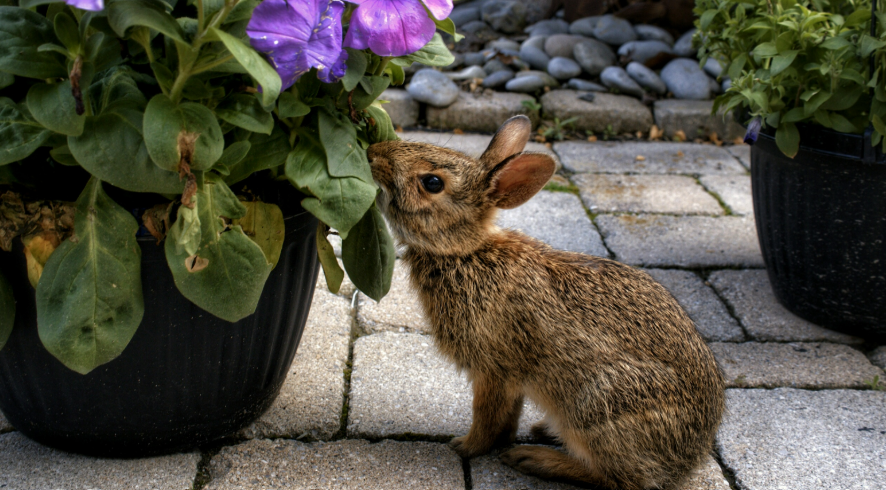
Rabbits can cause frustrating damage in flower beds, especially when they find young, tender growth. Fortunately, some perennial flowers are less appealing to rabbits and can provide reliable color while reducing the chances of heavy browsing. Iowa State University Extension notes that rabbits tend to avoid plants with strong aromas or dense, hairy foliage, although no plant is guaranteed to be completely rabbit-proof.
Choosing rabbit-resistant perennials can give your garden a better chance of staying attractive throughout the growing season. Options range from fragrant salvias and catmints to colorful blanket flowers, ornamental onions, Siberian iris, and other flowering perennials.
Rabbit resistance can vary with the plant, location, season, and availability of other food. The University of Arizona Cooperative Extension recommends thinking of resistance as a matter of likelihood rather than a simple “yes” or “no,” since rabbits may eat plants they normally avoid when conditions change.
In this guide, you’ll find 50 rabbit-resistant perennial flowers with pictures, along with their identifying features, flower colors, growing requirements, and garden uses. These plants can help you create a colorful perennial garden while making plant selection more strategic in areas where rabbits are common.
Lavender
Lavender is native to the Mediterranean region, its strong, oily fragrance acting as a natural deterrent to rabbits and deer alike. A mature plant typically reaches 1 to 3 feet tall, thriving in full sun and well-drained soil.
It grows as a garden perennial throughout temperate regions of the United States, among the most consistently rabbit-avoided plants across nearly every resistant-plant list.
Russian Sage
Russian sage is native to Central Asia, releasing a sharp, aromatic scent from its silvery foliage that rabbits generally avoid. A mature plant typically reaches 3 to 4 feet tall, forming an airy, billowing shape by midsummer.
It grows as a garden perennial throughout temperate regions of the United States, tolerating drought and poor soil well.
Catmint
Catmint, a relative of true catnip, is native to Europe and Asia, its pungent, minty scent generally unappealing to rabbits despite attracting cats. A mature plant typically reaches 1 to 3 feet tall, blooming for much of the summer.
It grows as a garden perennial throughout temperate regions of the United States.
Bee Balm
Bee balm is native to North America, its strongly scented foliage generally unappealing to rabbits while remaining highly attractive to pollinators. A mature plant typically reaches 2 to 4 feet tall.
It grows as a garden perennial throughout temperate regions of the United States, favoring moist soil in sun to partial shade.
Yarrow
Yarrow is native to Europe, Asia, and North America, its feathery, aromatic foliage generally avoided by rabbits. A mature plant typically reaches 1 to 3 feet tall, tolerating poor, dry soil well.
It grows throughout nearly all of North America.
Perennial Salvia
Perennial salvia, in its many hardy garden forms, shares the same aromatic, mint-family foliage that makes most Salvia species unattractive to rabbits. A mature plant typically reaches 1 to 3 feet tall.
It grows as a garden perennial throughout temperate regions of the United States.
Lamb’s Ear
Lamb’s ear is native to Turkey and Iran, its thick, fuzzy, silver-gray leaves texturally unappealing to rabbits in a way that mirrors how the same trait deters deer. A mature plant typically stays low, generally under a foot tall.
It grows as a garden perennial throughout temperate regions of the United States, tolerating poor, dry soil.
Artemisia
Artemisia, including cultivars like ‘Silver Mound,’ is native to a wide range across the Northern Hemisphere, its strongly scented, finely divided silver foliage generally unappealing to rabbits. A mature plant typically stays compact, under a foot tall.
It grows as a garden perennial throughout temperate regions of the United States.
Rosemary
Rosemary is native to the Mediterranean region, its dense, resinous, needle-like foliage carrying a strong scent that rabbits generally avoid. A mature plant can reach 2 to 4 feet tall where winter-hardy.
It grows as a perennial in mild climates and as an annual or container plant elsewhere throughout the United States.
Oregano
Oregano is native to the Mediterranean region, its pungent, oily leaves generally unappealing to rabbits despite their popularity in the kitchen. A mature plant typically stays low, under a foot tall.
It grows as a garden perennial throughout temperate regions of the United States.
Thyme
Thyme is native to the Mediterranean region, its small, aromatic leaves generally avoided by rabbits for the same reason many other culinary herbs are skipped. A mature plant typically stays very low, generally under 6 inches tall.
It grows as a garden perennial throughout temperate regions of the United States.
Mint
Mint, in its many hardy garden forms, carries an intense scent that generally deters rabbits even as it spreads aggressively through a garden bed. A mature planting can spread rapidly via underground rhizomes.
It grows as a garden perennial throughout temperate regions of the United States, often requiring containment to prevent it from overtaking a bed.
Foxglove
Foxglove is native to Europe, every part of the plant genuinely toxic if ingested, which reliably keeps rabbits away. A mature plant typically reaches 2 to 5 feet tall.
It grows as a garden biennial or short-lived perennial throughout temperate regions of the United States.
Bleeding Heart
Bleeding heart is native to Asia, its foliage containing compounds that make it unappealing and mildly toxic to rabbits and other browsing animals. A mature plant typically reaches 1 to 3 feet tall.
It grows as a garden perennial throughout temperate regions of the United States, favoring partial shade.
Monkshood
Monkshood is native to mountainous regions of Europe and Asia, among the most toxic ornamental perennials commonly grown, which keeps it reliably untouched by rabbits. A mature plant typically reaches 3 to 4 feet tall.
It grows as a garden perennial throughout temperate regions of the United States.
Lily of the Valley
Lily of the valley is native to Europe and Asia, every part of the plant toxic if ingested, a trait that keeps rabbits from browsing it. A mature planting stays low, generally under a foot tall, spreading via underground rhizomes.
It grows as a shade groundcover throughout temperate regions of the United States.
Daffodil
Daffodil is native to Europe and North Africa, containing toxic alkaloids that make both the bulb and foliage unappealing to rabbits, unlike many other spring bulbs that get devoured. A mature plant typically reaches 1 to 1.5 feet tall.
It grows as a spring-blooming perennial bulb throughout temperate regions of the United States.
Oriental Poppy
Oriental poppy is native to the Caucasus region and Iran, its foliage covered in bristly hairs that discourage rabbit browsing. A mature plant typically reaches 2 to 3 feet tall when flowering.
It grows as a garden perennial throughout temperate regions of the United States.
Euphorbia
Euphorbia, including many hardy garden species, produces a milky, irritating sap that reliably discourages rabbits from browsing. A mature plant’s size varies considerably by species, generally ranging from 1 to 3 feet tall.
It grows as a garden perennial throughout temperate regions of the United States.
Hellebore
Hellebore, also called Lenten rose, is native to Europe and parts of Asia, its leathery, toxic foliage staying untouched by rabbits even through the coldest months of the year. A mature plant typically reaches 1 to 1.5 feet tall.
It grows as a shade garden perennial throughout temperate regions of the United States, among the earliest perennials to bloom each spring.
Peony
Peony is native to Asia, Europe, and western North America, its foliage generally unappealing to rabbits, allowing the plant’s enormous spring flowers to reliably reach full bloom undisturbed. A mature plant typically reaches 2 to 3 feet tall.
It grows as a garden perennial throughout temperate regions of the United States.
Feather Reed Grass
Feather reed grass is a hybrid ornamental grass, its tough, fibrous blades generally unappealing to rabbits compared to the tender growth of nearby perennials. A mature clump typically reaches 3 to 5 feet tall when flowering.
It grows as a garden perennial throughout temperate regions of the United States.
Ostrich Fern
Ostrich fern is native to North America, its fibrous, non-succulent fronds generally passed over by rabbits in favor of more tender nearby vegetation. A mature plant can reach 3 to 6 feet tall once fully unfurled.
It grows as a shade garden perennial throughout the northern United States and Canada.
Bearded Iris
Bearded iris is native to Europe and the Mediterranean region, its tough, fibrous, sword-shaped leaves and mildly toxic rhizome generally unappealing to rabbits. A mature plant typically reaches 1 to 3 feet tall.
It grows as a garden perennial throughout temperate regions of the United States.
Yucca
Yucca is native to the Americas, its stiff, sharply pointed leaves offering a physical deterrent that discourages rabbits from browsing. A mature clump typically reaches 2 to 4 feet tall.
It grows as a garden perennial throughout much of the United States, tolerating drought and poor soil well.
Sedum
Sedum, particularly upright varieties like ‘Autumn Joy,’ is native to a wide range across the Northern Hemisphere, its thick, succulent leaves generally unappealing to rabbits. A mature plant typically reaches 1.5 to 2 feet tall.
It grows as a garden perennial throughout temperate regions of the United States, tolerating drought well.
Ornamental Allium
Ornamental allium, a flowering relative of onion and garlic, carries the same pungent, sulfurous scent that keeps rabbits away from its edible cousins. A mature plant’s flower stalk typically reaches 1 to 3 feet tall.
It grows as a spring-blooming perennial bulb throughout temperate regions of the United States.
Baptisia
Baptisia, also called false indigo, is native to eastern and central North America, its tough, somewhat leathery foliage generally unappealing to rabbits once established. A mature plant can reach 3 to 4 feet tall.
It grows as a garden perennial throughout temperate regions of the United States.
Globe Thistle
Globe thistle is native to Europe and western Asia, its spiny, prickly foliage offering a physical deterrent against rabbit browsing. A mature plant typically reaches 2 to 4 feet tall.
It grows as a garden perennial throughout temperate regions of the United States.
Sea Holly
Sea holly is native to Europe, its stiff, spiny, blue-gray foliage generally unappealing to rabbits for the same reason it’s avoided by most other browsing animals. A mature plant typically reaches 2 to 3 feet tall.
It grows as a garden perennial throughout temperate regions of the United States.
Cardoon
Cardoon is native to the Mediterranean region, its large, spiny, silvery leaves offering a substantial physical deterrent against rabbit browsing. A mature plant can reach 4 feet tall and wide.
It grows as a garden perennial in mild climates and as an annual elsewhere throughout the United States.
Columbine
Columbine is native to North America, Europe, and Asia, generally left alone by rabbits despite its delicate appearance. A mature plant typically reaches 1 to 2 feet tall.
It grows as a garden perennial throughout temperate regions of the United States.
Coreopsis
Coreopsis is native to North America, its somewhat coarse, textured foliage generally unappealing to rabbits compared to more tender nearby plants. A mature plant typically reaches 1 to 2 feet tall.
It grows as a garden perennial throughout temperate regions of the United States.
Black-Eyed Susan
Black-eyed Susan is native to North America, and according to Colorado State University Extension’s critter-resistant plant list, it’s among the perennials commonly recommended for gardens dealing with rabbit and deer pressure. A mature plant typically reaches 1 to 3 feet tall.
It grows throughout most of North America.
Purple Coneflower
Purple coneflower is native to North America, its coarse, bristly foliage generally unappealing to rabbits. A mature plant typically reaches 2 to 4 feet tall.
It grows as a garden perennial throughout temperate regions of the United States.
Shasta Daisy
Shasta daisy, a garden hybrid, generally goes untouched by rabbits despite its otherwise unassuming, tender-looking foliage. A mature plant typically reaches 1 to 3 feet tall.
It grows as a garden perennial throughout much of the temperate United States.
Veronica
Veronica, also called speedwell, is native to Europe and Asia, its narrow, somewhat textured foliage generally passed over by rabbits. A mature plant typically reaches 1 to 2 feet tall.
It grows as a garden perennial throughout temperate regions of the United States.
Goldenrod
Goldenrod is native to North America, generally unappealing to rabbits, despite its unfair reputation among gardeners as an aggressive weed rather than a valuable native perennial. A mature plant can reach 3 to 5 feet tall.
It grows throughout most of North America.
Joe-Pye Weed
Joe-Pye weed is native to eastern North America, its coarse, textured foliage generally unappealing to rabbits. A mature plant can reach 5 to 7 feet tall.
It grows throughout the eastern United States and Canada, favoring moist, rich soil.
Coral Bells
Coral bells, botanically Heuchera, is native to North America, its somewhat fuzzy, textured foliage generally left alone by rabbits. A mature clump typically reaches 8 to 18 inches tall.
It grows as a garden perennial throughout temperate regions of the United States.
Brunnera
Brunnera is native to the Caucasus region and Siberia, its coarse, bristly-textured leaves generally unappealing to rabbits. A mature plant typically reaches 1 to 1.5 feet tall.
It grows as a shade garden perennial throughout temperate regions of the United States.
Epimedium
Epimedium is native to Asia and the Mediterranean region, its tough, leathery, somewhat spiny-edged leaves generally passed over by rabbits. A mature plant typically stays low, under a foot tall.
It grows as a shade garden perennial throughout temperate regions of the United States.
Pulmonaria
Pulmonaria, also called lungwort, is native to Europe and western Asia, and according to Walters Gardens, its leaves are covered with coarse hair, and deer and rabbits tend to leave hairy plants alone. A mature plant typically stays low, under a foot tall.
It grows as a shade garden perennial throughout temperate regions of the United States.
Amsonia
Amsonia, also called blue star, is native to North America, its narrow, willowy foliage containing a mildly toxic, milky sap that discourages rabbit browsing. A mature plant typically reaches 2 to 3 feet tall.
It grows as a garden perennial throughout temperate regions of the United States.
Japanese Anemone
Japanese anemone is native to China, generally left untouched by rabbits, which allows its tall, late-season flower stalks to bloom reliably each fall. A mature plant typically reaches 2 to 4 feet tall.
It grows as a garden perennial throughout temperate regions of the United States, favoring partial shade.
Agastache
Agastache, also called hyssop, is native to North America, its strongly scented, mint-family foliage generally unappealing to rabbits. A mature plant typically reaches 2 to 3 feet tall.
It grows as a garden perennial throughout temperate regions of the United States.
Agapanthus
Agapanthus, also called lily-of-the-Nile, is native to South Africa, its tough, strap-like leaves generally passed over by rabbits. A mature plant typically reaches 1.5 to 2 feet tall.
It grows as a perennial in mild climates and as a container plant elsewhere throughout the United States.
Red Hot Poker
Red hot poker, botanically Kniphofia, is native to South Africa, its tough, grass-like foliage generally unappealing to rabbits. A mature plant typically reaches 2 to 4 feet tall.
It grows as a garden perennial throughout temperate regions of the United States.
Foamflower
Foamflower, botanically Tiarella, is native to North America, its somewhat fuzzy, textured foliage generally left alone by rabbits. A mature plant typically stays low, under a foot tall.
It grows as a shade garden perennial throughout temperate regions of the United States.
Black Mondo Grass
Black mondo grass is native to Japan, and according to Walters Gardens, this perennial is one of the more deer resistant options available, with a dark, unusual coloring that also tends to go untouched by rabbits. A mature clump typically reaches 8 to 12 inches tall.
It grows as a garden groundcover throughout temperate regions of the United States.
What to Remember
Rabbit-resistant perennial flowers can make it easier to maintain a colorful garden in areas where rabbits are common. Fragrant plants, coarse foliage, and other naturally unappealing characteristics can help reduce browsing while adding texture and seasonal interest.
However, no perennial is completely rabbit-proof. Rabbits may feed on plants they normally avoid when natural food is limited, particularly during periods of drought, cold weather, or high rabbit activity.
The best results often come from combining rabbit-resistant plant choices with good garden management and physical protection where necessary. By selecting a variety of suitable perennials, you can create an attractive flower garden while making it less appealing to hungry rabbits.
Further References
- Susceptibility of Plants to Rabbit Damage — Iowa State University Extension and Outreach — Provides a useful guide to plants that rabbits commonly damage and characteristics that can make plants less attractive to rabbits.
- Rabbit Plant Resistance Ratings — University of Arizona Cooperative Extension — Provides plant resistance ratings and explains why rabbit feeding preferences can vary depending on conditions.
- Rabbits in the Garden — University of Minnesota Extension — Covers rabbit damage, susceptible plants, and practical ways to protect garden plants from browsing.
- Rabbits — University of California Statewide Integrated Pest Management Program — Discusses rabbit identification, feeding behavior, damage, and methods for reducing rabbit activity around landscapes.
- Rabbit Damage to Landscape Plants — Penn State Extension — Offers information on rabbit damage and selecting or protecting landscape plants in areas where rabbits are active.