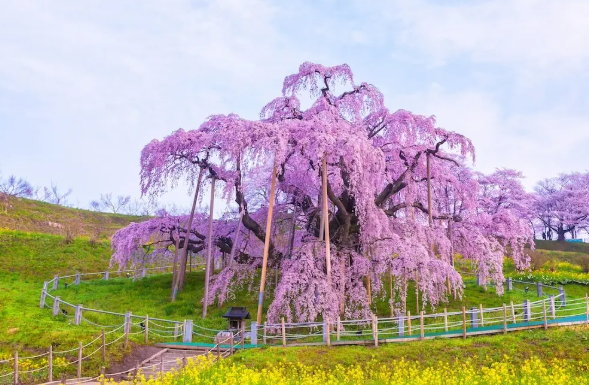
Cherry trees are often associated with mild spring weather and long summer days, but plenty of varieties can handle the cold winters of USDA Zone 4. The key is choosing trees bred for cold climates rather than assuming every cherry will survive simply because it is a fruit tree.
Zone 4 typically experiences winter temperatures as low as -30°F to -20°F (-34°C to -29°C). That means cold hardiness, bloom timing, fruiting reliability, and disease resistance all deserve attention when choosing a cherry tree.
Another advantage of growing cherries in Zone 4 is that many hardy varieties are sour or bush-type cherries. They can be extremely productive while requiring less winter protection than tender sweet cherries. Some also remain relatively compact, making them useful for smaller backyards.
Here are 10 cherry trees and cherry types that are particularly worth considering for a Zone 4 garden.
1. North Star Cherry
North Star cherry (Prunus cerasus) is one of the classic choices for cold-climate gardeners. It is a naturally compact sour cherry that can reach roughly 6 to 12 feet tall, depending on conditions and rootstock.
The tree produces dark-red, tart cherries that are excellent for pies, jams, sauces, and other cooked dishes. Its smaller size is another advantage because harvesting and pruning are easier than with a large traditional cherry tree.
For a Zone 4 backyard orchard, North Star is an excellent combination of cold hardiness, manageable size, and useful fruit.
2. Meteor Cherry
Meteor is a hardy sour cherry developed for northern climates. It produces bright red fruit with the characteristic tart flavor associated with pie cherries.
The tree generally forms a relatively compact, rounded crown and can begin producing fruit at a young age when grown under suitable conditions.
Its combination of cold tolerance and reliable production makes Meteor particularly interesting for gardeners who live where winters are too severe for many sweet cherry cultivars.
3. Carmine Jewel Cherry
Carmine Jewel is not a conventional large cherry tree. Instead, it is a dwarf sour cherry developed from the Mongolian cherry (Prunus fruticosa) and sour cherry (Prunus cerasus) lineage.
Its compact growth is one of its biggest attractions. Mature plants are often only around 6 to 8 feet tall, making them considerably easier to fit into residential landscapes.
The small dark-red cherries have a tart-sweet flavor and can be eaten fresh or used in pies, preserves, juice, and desserts. It is also notable for its excellent cold tolerance.
4. Evans Cherry
Evans cherry, also known as Evans Bali, is a popular sour cherry for cold northern gardens.
The tree produces abundant bright-red fruit that is particularly useful for baking and preserving. Unlike some traditional sour cherries, the fruit can have a pleasantly sweet flavor when fully ripe.
Its ability to withstand harsh northern winters has made Evans an especially popular choice among gardeners in colder parts of North America.
5. Juliet Cherry
Juliet is a dwarf sour cherry developed as part of the University of Saskatchewan’s breeding program. It is well suited to cold climates and can tolerate severe winter conditions when established properly.
The cherries are dark red and have a balance of sweetness and tartness that makes them more versatile than many strongly sour varieties.
Juliet is particularly appealing if you want a relatively compact fruit tree that can provide both fresh eating and processing cherries.
6. Romeo Cherry
Romeo cherry is another cold-hardy dwarf sour cherry from the University of Saskatchewan breeding program.
It produces dark fruit with a pleasantly tart flavor and can remain much smaller than many conventional cherry trees. This makes it a practical option for small yards and backyard orchards.
Romeo is also valued for its ability to perform in climates where winter temperatures would damage less hardy cherry varieties.
7. Crimson Passion Cherry
Crimson Passion is another dwarf sour cherry developed for colder regions. It produces attractive deep-red fruit and has a naturally compact habit.
One of its advantages for home gardeners is that it can provide a meaningful harvest without requiring the space of a full-size orchard tree.
Its fruit works well for fresh eating when fully ripe as well as for pies, preserves, and other kitchen uses.
8. Chokecherry
The chokecherry (Prunus virginiana) is one of the toughest cherry relatives for cold climates. Native to large portions of North America, it can survive extremely cold conditions and is well adapted to challenging environments.
Its small dark fruits are famously astringent when eaten raw, but they can be used in jellies, syrups, sauces, and other preparations.
Chokecherry is also valuable as a wildlife plant because its fruit attracts birds and other animals. If your priority is extreme hardiness rather than large dessert cherries, it deserves consideration.
9. Black Cherry
Black cherry (Prunus serotina) is a large native North American tree that can tolerate cold conditions and occurs naturally across much of the continent.
It produces small dark cherries that are more important for wildlife than for typical backyard fruit production. Birds readily consume the fruit, helping spread the seeds.
Because black cherry can eventually become a large tree, it is not ideal for a small suburban garden. Give it plenty of room if you decide to grow it.
10. Canada Red Chokecherry
Canada Red chokecherry is an ornamental selection of chokecherry grown primarily for its attractive foliage and form rather than for dessert-quality fruit.
Its leaves emerge green and develop a striking reddish-purple appearance as the growing season progresses. White spring flowers are followed by dark fruit.
The tree is highly cold hardy and can work particularly well as a specimen, screen, or wildlife-friendly landscape plant in Zone 4.
Sweet Cherries vs. Sour Cherries in Zone 4
If you want to grow cherries in Zone 4, it is important to understand that sour cherries generally offer more dependable choices than traditional sweet cherries.
Many popular sweet cherries, including Bing-type cherries, prefer milder climates and can suffer winter damage in very cold regions. Sour and dwarf cherries have generally been more successful in northern gardens because of their superior cold tolerance.
This does not mean every Zone 4 location is identical. A sheltered garden beside a south-facing wall can have a very different microclimate from an exposed rural property.
How to Grow Cherry Trees in Zone 4
Choosing a hardy variety is only the first step. Plant the tree where it receives at least 6 hours of direct sunlight during the growing season.
Good drainage is equally important. Cherry roots dislike persistently waterlogged soil, particularly during winter and early spring. If your soil stays wet, consider improving drainage or planting on a slight mound.
Avoid planting cherries in the lowest part of the yard where cold air collects. A slightly elevated location can help reduce frost exposure.
Mulching around the root zone can help moderate soil temperatures and conserve moisture. Keep mulch away from direct contact with the trunk.
Pruning should generally be done with the tree’s growth habit and local climate in mind. Removing damaged, diseased, or crossing branches helps maintain an open canopy and improves airflow.
Protecting Zone 4 Cherry Trees From Winter Damage
Young cherry trees are more vulnerable to winter injury than established trees. A layer of organic mulch around the root zone can help protect roots from dramatic temperature fluctuations.
In areas with heavy snowfall, avoid piling wet, compacted snow against young branches. Rodent protection may also be useful because mice, rabbits, and other animals can damage young bark during winter.
Spring can create another problem: late frosts. A tree may survive a Zone 4 winter perfectly well but still lose a crop if flowers open during an unexpected freeze.
This is one reason cold-climate gardeners often favor later-blooming or naturally hardy varieties.
Which Cherry Tree Is Best for Zone 4?
For a backyard fruit garden, North Star, Meteor, Evans, Carmine Jewel, Juliet, Romeo, and Crimson Passion are among the most interesting choices because they combine useful fruit with cold-climate adaptability.
If your main objective is an ornamental or wildlife-friendly tree, chokecherry and Canada Red chokecherry are excellent alternatives.
The best choice ultimately depends on what you want from the tree. A gardener looking for cherries for pies may choose a dwarf sour cherry, while someone creating a wildlife garden may prefer chokecherry.
Zone 4 does not have to mean giving up on growing cherries. With the right cultivar, a sunny planting site, good drainage, and some attention to winter and spring weather, cold-climate gardeners can enjoy beautiful cherry blossoms and dependable harvests year after year.