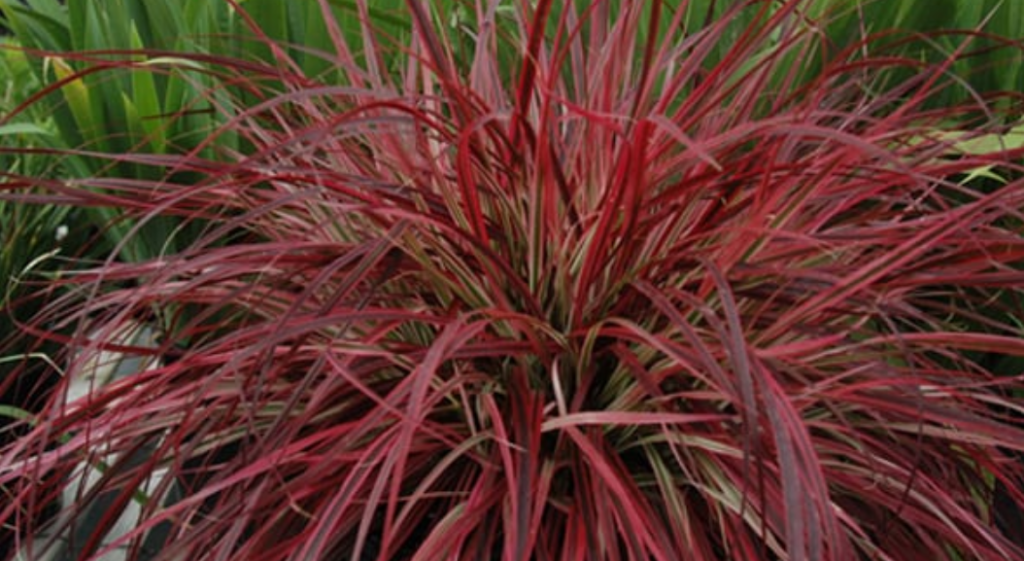
Red is the most emotionally powerful color in the garden — a color that commands attention, creates warmth, and brings a sense of energy and drama to planting schemes that no other color replicates quite as effectively. In the world of ornamental grasses, red appears across a spectrum that ranges from deep burgundy-maroon and rich wine-red through vivid scarlet and burnt copper to warm bronze-red and flame orange — a palette of warm, intense tones that transforms the garden, particularly in the long, golden light of late summer and autumn.
Red ornamental grasses have experienced a dramatic surge in popularity over the past two decades. Surveys of professional landscape designers consistently place red and burgundy foliage grasses among the fastest-growing categories in ornamental grass planting, with sales of red-toned grass varieties increasing by an estimated 45 percent over the past decade in North American garden centers alone. This growth reflects a broader trend toward bolder, more color-confident planting design — a movement away from the exclusively green and gold grass palettes of the 1990s toward compositions that embrace contrast, drama, and seasonal transformation.
The practical advantages of red ornamental grasses are as significant as their aesthetic appeal. Most of the grasses in this guide are warm-season species with deep, fibrous root systems that provide excellent drought tolerance, outstanding soil-binding capability, and the natural resilience of prairie and savanna plants shaped by millennia of challenging growing conditions. Many are North American natives of considerable ecological value — supporting dozens of native insect species and providing food and shelter for birds and small mammals through the winter months when their vivid seed heads persist above the dormant landscape.
Red in ornamental grasses is expressed in several different ways. Some grasses — particularly the Japanese blood grass — produce vivid, almost translucent red pigmentation in the leaf blade itself. Others, including several switchgrass and big bluestem varieties, develop their most intense red coloration in autumn as the season cools and chlorophyll breaks down to reveal underlying pigments. A third group — including ruby muhly and purple fountain grass — carries deep burgundy to maroon-red tones throughout the growing season, providing consistent warm color from spring through to first frost. Understanding these different modes of red expression helps in planning for sustained color across the entire growing season.
1. Japanese Blood Grass
Japanese blood grass is the most vividly and consistently red of all ornamental grasses — a slow-spreading perennial whose upright, narrow leaf blades are a vivid, translucent blood-red from the tips downward, glowing with an extraordinary intensity when backlit by the sun that makes it one of the most visually arresting plants in the garden.
The red coloration intensifies progressively through the growing season — beginning as pale green flushed with pink in spring, deepening to vivid scarlet-red by midsummer, and becoming a rich, wine-red by autumn. In a position where low morning or evening sun shines directly through the blades, the effect is of luminous, stained-glass red that is genuinely spectacular.
It is important to note that any shoots reverting to entirely green growth should be removed immediately, as the all-green form is considered invasive in some regions of North America and Australia.
2. Purple Fountain Grass
Purple fountain grass is one of the most widely grown and instantly recognizable red ornamental grasses in the world — its arching, burgundy-purple foliage and distinctive, bottlebrush-shaped flower plumes of deep rose-burgundy creating one of the most vivid and sustained warm-color displays available from any ornamental grass through the entire growing season.
The rich, burgundy-purple color is present in the foliage from the moment the new growth emerges in spring and deepens in intensity through summer and into autumn, providing months of consistent warm-toned color without the seasonal transition from green to red that characterizes autumn-coloring grasses. The soft, silky flower plumes that appear in summer add a further textural dimension to the foliage display.
Purple fountain grass consistently ranks among the top five best-selling ornamental grasses in American garden centers, with annual sales reflecting its exceptional color impact and versatility in both container and ground planting.
3. Switchgrass ‘Shenandoah’
Shenandoah is the most celebrated of all the red switchgrass varieties — a North American native prairie grass that develops vivid, early red coloration in the foliage from as early as July, deepening progressively through the season to a rich burgundy-red by October that is among the finest and most sustained autumn color displays of any ornamental grass.
The early onset of red coloration — significantly earlier than most autumn-coloring ornamental grasses — is Shenandoah’s greatest distinction and the primary reason for its enormous commercial success since its introduction. The airy, cloud-like seed heads above the vivid foliage catch the autumn light with a translucent, glowing quality.
Research from the Chicago Botanic Garden’s ornamental grass trials rated Shenandoah switchgrass as the top-performing red-foliage grass for consistency, intensity of color, and overall ornamental value across a three-year evaluation period.
4. Big Bluestem ‘Blackhawks’
Blackhawks is a tall, dramatic cultivar of big bluestem selected for its exceptionally intense, near-black to deep burgundy-purple foliage color — the darkest and richest of any tall native grass variety — that maintains its vivid coloration from midsummer through autumn and provides a bold, commanding presence at the back of the border or in large container plantings.
It reaches five to seven feet in height with an upright, strongly vertical habit, and the dark foliage provides a bold contrast to the golden and silver tones of neighboring grasses and late-season perennials. The distinctive turkeyfoot seed heads appear in autumn above the dark foliage, creating a combination of ornamental seed structure and extraordinary foliage color.
Big bluestem once covered an estimated 140 million acres of central North America before the conversion of the tallgrass prairie to agricultural land — a historical range that reflects the ecological importance of this grass and the significance of varieties like Blackhawks in bringing its native character into the designed landscape.
5. Little Bluestem ‘The Blues’
The Blues is a compact, mounding cultivar of little bluestem selected for its particularly vivid, intense blue-green summer foliage that transitions to some of the most brilliant and sustained red-orange autumn colors of any ornamental grass — a seasonal transformation that ranks among the finest color displays in the ornamental grass world.
The foliage turns vivid shades of copper-red, burnt orange, and warm scarlet from September onwards, and the fluffy, white seed heads that develop simultaneously with the autumn color provide a beautiful contrast of silver-white against the warm-toned foliage. It reaches two to three feet — a compact and well-proportioned size for mixed border and container use.
Little bluestem supports over 30 species of specialist native birds and insects and is considered one of the most ecologically valuable ornamental grasses for wildlife-friendly landscaping — making The Blues simultaneously one of the most ornamentally beautiful and ecologically beneficial native grass varieties available.
6. Ruby Muhly Grass
Ruby muhly grass is a warm-season native grass of the American Southeast whose most extraordinary quality is the spectacular ruby-red to deep wine-red cloud of feathery flower plumes that covers the plant in September and October — one of the most vivid and immediately striking autumn flowering events in the ornamental grass world.
The flower plumes are an intense, saturated red-pink to ruby, and the effect of a well-established planting caught in the low autumn sun is genuinely extraordinary — a glowing, translucent cloud of deep red that seems to radiate warmth. Highway plantings of ruby muhly grass in Texas and the American South have become celebrated seasonal landmarks.
It grows to two to three feet and is exceptionally drought-tolerant once established, its deep root system accessing subsoil moisture that allows it to produce its spectacular autumn display even through the driest late-summer conditions.
7. Red Tussock Grass
Red tussock grass is a bold, warm-toned New Zealand native that produces large, dense tussocks of arching, bronze-red to russet-orange leaves — a plant of striking architectural character that provides one of the most consistent and year-round warm-red foliage colors available from any cold-hardy ornamental grass.
The rich, warm coloration — somewhere between burnt copper and russet red — is maintained throughout the entire year rather than appearing only in autumn, giving red tussock grass a year-round design reliability that most red-toned grasses do not offer. The large, dome-shaped tussocks create strong individual focal points in the landscape.
It is one of the most widely planted ornamental grasses in New Zealand landscape design, where its native origin and strong architectural character have made it a central element of contemporary New Zealand garden identity.
8. Switchgrass ‘Thundercloud’
Thundercloud is a newer switchgrass variety bred specifically for more intense and more consistent red coloration than older varieties, producing vivid red-purple foliage tones that begin earlier in the season and maintain their intensity longer into autumn — addressing one of the primary limitations of earlier red switchgrass cultivars.
It grows to four to five feet with the characteristic airy, cloud-like flower heads of the switchgrass family above the richly colored foliage, and the combination of intense foliage color, delicate flower display, and the ecological value inherent in all native switchgrass varieties makes Thundercloud one of the most complete red ornamental grasses currently available.
The breeding program that produced Thundercloud reflects a broader industry trend toward developing native ornamental grasses with improved and more consistent color performance — a trend driven by the growing preference for ecologically valuable, ornamentally excellent native plants in contemporary landscape design.
9. Imperata ‘Red Baron’
Red Baron — the named garden form of Japanese blood grass — is selected specifically for the most intense and most consistently red coloration within the Imperata genus, producing blades of vivid, jewel-red to scarlet that are more uniformly and deeply colored than the standard wild-type plant.
It spreads slowly by underground rhizomes to form gradually expanding colonies of vivid red foliage that are most effective when the low sun of morning or evening backlights the translucent leaf blades — an effect that transforms the planting into a glowing, luminous display of red light that is one of the most spectacular effects available in the ornamental grass world.
Red Baron is the variety most commonly sold in the nursery trade and is the form recommended for garden use, as its named status provides some assurance of color consistency compared to seed-raised plants.
10. Pennisetum ‘Fireworks’
Fireworks is a variegated, red-and-green fountain grass cultivar that produces leaves with a vivid, multi-toned coloration of burgundy-red, green, and pink-white stripes — one of the most richly multi-colored foliage displays available from any ornamental grass, combining red, green, and pink tones in a leaf pattern of considerable visual complexity.
It grows to two to three feet and produces the characteristic bottlebrush flower plumes of the fountain grass family in burgundy-red tones that complement the vivid leaf coloration. In containers and border planting it creates an immediate impression of tropical exuberance that makes it one of the most attention-commanding ornamental grasses in warm-climate landscaping.
It has become one of the most popular and widely photographed ornamental grass introductions of recent years, consistently appearing in show garden displays and professional container planting awards.
11. Big Bluestem ‘Red October’
Red October is a big bluestem cultivar specifically selected for its spectacular late-season autumn coloration — developing vivid, intense red to flame-orange foliage tones in October that are among the most brilliant and richly colored of any native prairie grass variety, providing a dramatic finale to the ornamental grass growing season.
It grows to four to six feet and the large turkeyfoot seed heads that appear above the vivid autumn foliage persist through winter, providing structural interest alongside the bleached, warm-toned winter stems. The combination of bold height, vivid autumn color, and persistent winter structure makes Red October one of the most seasonally complete red ornamental grasses available.
The late timing of its peak color display — concentrated in October rather than the more common September peak of other red grass varieties — extends the season of vivid red grass color in the landscape and makes it a valuable addition to any planting scheme designed for sustained autumn interest.
12. Carex ‘Prairie Fire’ (Red Sedge)
Prairie Fire is a vivid, upright-leaved ornamental sedge with striking red to bronze-red foliage that provides some of the most intense warm color available from any shade-tolerant grass-like plant throughout the growing season — a bold and striking contrast to the cool greens and blues that dominate most planting schemes.
It grows to twelve to fifteen inches with narrow, upright leaves that hold their rich red-bronze color throughout the growing season, and it performs in partial to moderate shade — making it one of the very few genuinely red-toned container and border plants for less sunny positions where warm color is otherwise very difficult to achieve.
Its combination of vivid warm color and shade tolerance fills a specific and important design niche that very few other red ornamental grasses address — making Prairie Fire an essentially unique and valuable design tool for shaded container and border planting.
13. Panicum ‘Cheyenne Sky’
Cheyenne Sky is a compact, dwarf switchgrass variety developed specifically for smaller-scale landscape and container use, combining the ecological value and drought tolerance of native switchgrass with a tidy, upright habit and vivid red to burgundy autumn coloration in a plant of ideal proportions for smaller gardens and containers.
It reaches only two to three feet — approximately half the height of standard switchgrass varieties — and develops intense wine-red to burgundy foliage tones from midsummer onwards. The compact size and consistent red coloration have made it one of the most successful and widely adopted new ornamental grass introductions for residential garden and container use.
It won the bronze medal at the 2014 Chelsea Flower Show trials — one of the most prestigious ornamental grass accolades in the international horticultural world — an award that reflects its exceptional ornamental performance and its ideal proportions for the smaller modern garden.
14. New Zealand Flax (Red Varieties)
New Zealand flax — phormium — is technically a member of the agave family rather than a true grass, but its bold, sword-like foliage and architectural grass-like form place it firmly in the ornamental grass design category, and the red and burgundy-foliaged varieties are among the most striking and widely used red foliage plants in warm-climate and container landscaping worldwide.
Varieties such as Platt’s Black, Dark Delight, and Maori Queen produce dramatic, upright fans of deep burgundy to near-black red leaves that provide bold, year-round architectural presence in containers and borders. Individual plants can reach two to four feet in containers, creating commanding specimens of exceptional visual impact.
New Zealand flax is estimated to be the most widely exported ornamental foliage plant from New Zealand, with red and burgundy varieties consistently the highest-selling color group in international markets.
15. Stipa ‘Red Feathers’
Red Feathers is a cool-season grass that produces extraordinarily beautiful, feathery flower awns in vivid reddish-brown to deep bronze-red tones in late spring and early summer — one of the few ornamental grasses that delivers its red color display in spring rather than in summer or autumn, filling an important early-season gap in the red ornamental grass calendar.
The long, silky awns — extending twelve to eighteen inches from each seed — shimmer and ripple in the lightest breeze with a warm, reddish-gold luminosity that is at its most beautiful in the long, low light of May and June mornings. The plant reaches two to three feet in flower and forms attractive, fine-textured mounds of narrow leaves.
It is one of the few genuinely spring-red ornamental grasses available to the gardener, providing warm red color at the beginning of the growing season when it is most unexpected and most appreciated, and establishing a red color thread in the planting scheme that can be carried through the season by the summer and autumn-coloring red grasses.