Anyone who has trimmed a Canary Island date palm without gloves remembers it. Hidden among the lower fronds are rows of rigid, needle-sharp spines several inches long that can pierce skin, clothing, and even boots. Palm trees with spikes are surprisingly common, and their armor ranges from tiny saw-like teeth to long black needles that cover the whole trunk. These defenses evolved to protect the palm’s tender growing bud from grazing animals.
Palm spikes show up in different places depending on the species. Date palms carry stiff spines where the leaflets should be, near the base of each frond. Fan palms often have sharp, hooked teeth along their leaf stalks. A few tropical palms cover their entire trunks in rings of black needles.
Spiky palms make excellent barrier plants and natural security hedges, and they can be striking specimen trees. They do need careful placement, though. Keep them away from sidewalks, play areas, pools, and doorways, and always wear thick gloves, long sleeves, and eye protection when pruning them.
In the United States, spiny palms grow across a wide range of climates. Some, like the needle palm and saw palmetto, are native to the Southeast and handle frost easily. Others, like the date palms, thrive in the deserts of California and Arizona, and tropical species do best in South Florida and Hawaii.
1. Canary Island Date Palm
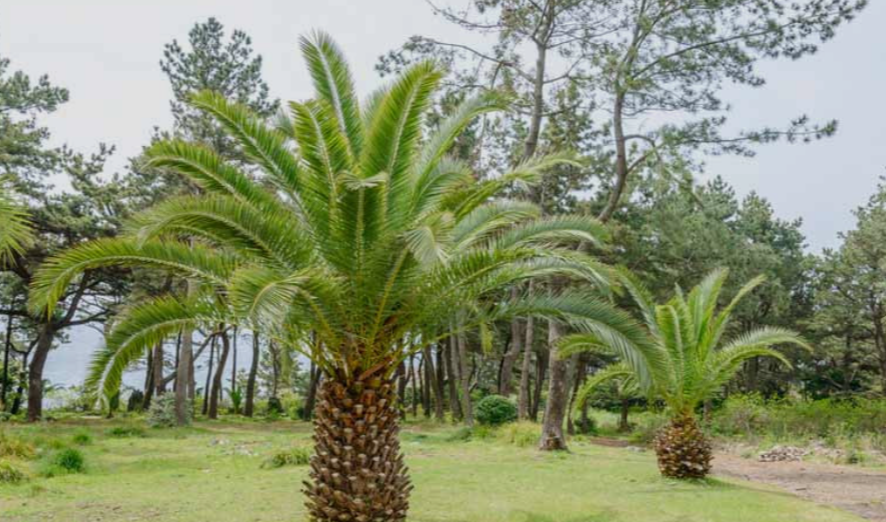
The Canary Island date palm has some of the most dangerous spines of any landscape palm. Near the base of each frond, the lowest leaflets are replaced by stiff, yellowish spines that can reach several inches long. The palm grows 40 to 60 feet tall, with a massive trunk and a huge, rounded crown of arching fronds. When trimmed, its trunk shows an attractive diamond pattern of old leaf bases.
This palm is native to the Canary Islands off the coast of northwest Africa. In the United States it is widely planted in California, Florida, Texas, and Arizona, and it grows in zones 9 through 11. Its size and spines make it best suited to large properties, parks, and wide boulevards. Always disinfect pruning tools between trees, because it is highly susceptible to Fusarium wilt.
2. Date Palm
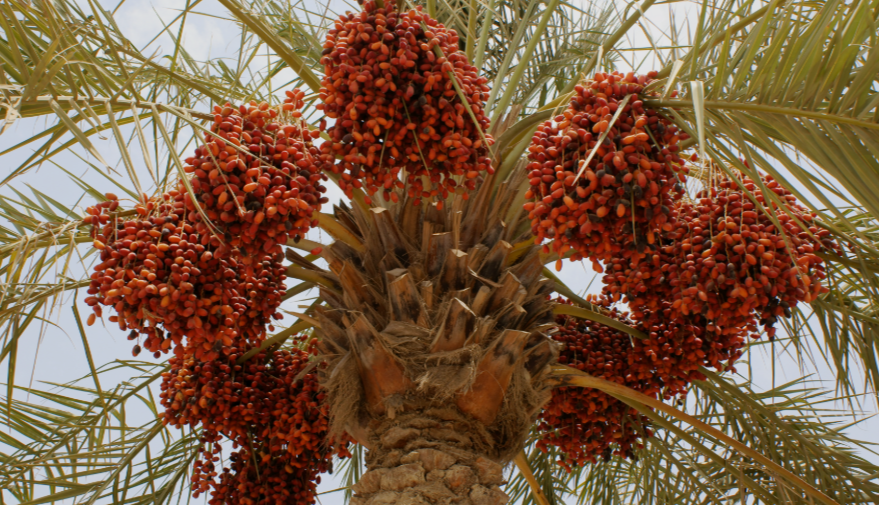
The date palm carries rows of sharp, stiff spines along the lower part of each frond. Commercial date growers wear protective gear when they climb the trees to pollinate the flowers and harvest the fruit. The palm grows 50 to 80 feet tall and often produces offshoots around its base. Its gray-green fronds are stiffer and more upright than those of the Canary Island date palm.
The date palm is native to the deserts of North Africa and the Middle East. In the United States it is grown mainly in California’s Coachella Valley and around Yuma, Arizona. It thrives in extreme heat, dry air, and full sun. It also makes a dramatic landscape palm across the desert Southwest.
Also Read: Palm Trees with Edible Fruits
3. Pygmy Date Palm
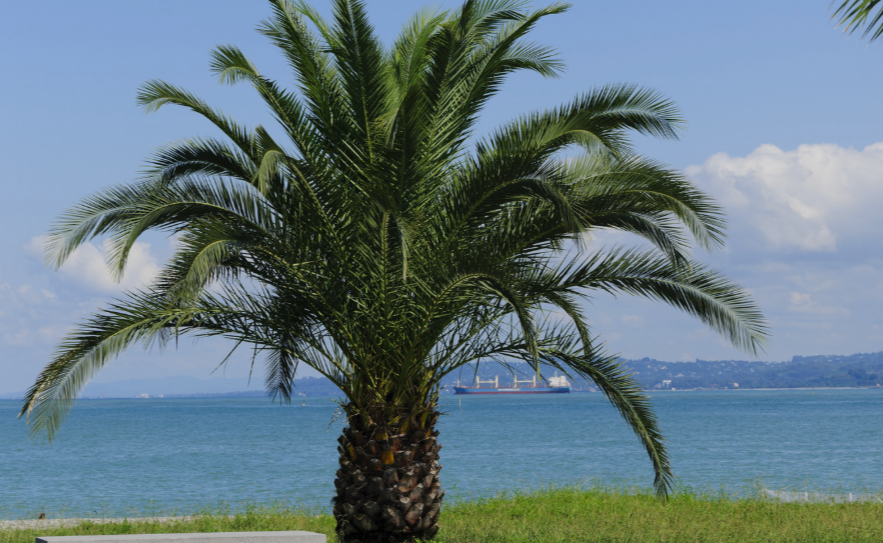
The pygmy date palm looks soft and graceful, but its fronds hide sharp spines up to about 3 inches long near their bases. These spines are easy to miss until someone brushes against the plant. The palm usually grows only 6 to 12 feet tall, with a slender trunk covered in knobby leaf bases. Its fine, dark green fronds form a dense, rounded crown.
The pygmy date palm is native to Southeast Asia along the Mekong River. It is one of the most popular small palms in Florida, Southern California, and the Gulf Coast. Plant it a few feet back from walkways, patios, and pools to avoid painful encounters. When handling or pruning it, wear thick gloves and long sleeves.
4. Senegal Date Palm
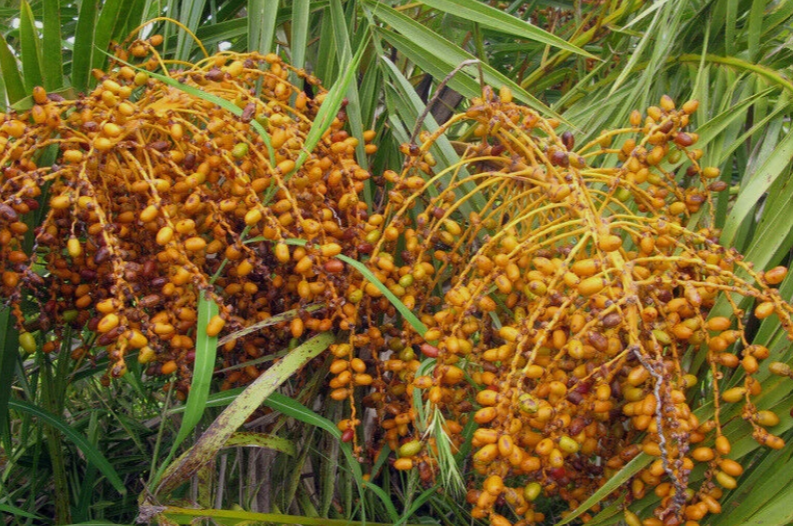
The Senegal date palm is a clumping palm with many slender trunks, each crowned with feathery fronds lined with sharp spines near their bases. These spines can make thinning the clump a tough job. The trunks lean and curve outward gracefully, reaching about 35 feet tall. Its bright green leaves give it a lush, tropical look.
The Senegal date palm is native to tropical Africa. In the United States it grows in Central and South Florida, Southern California, and along the Texas Gulf Coast. It tolerates heat, salt spray, and brief frosts. Give it plenty of room to spread, and keep it away from busy walkways.
5. Silver Date Palm
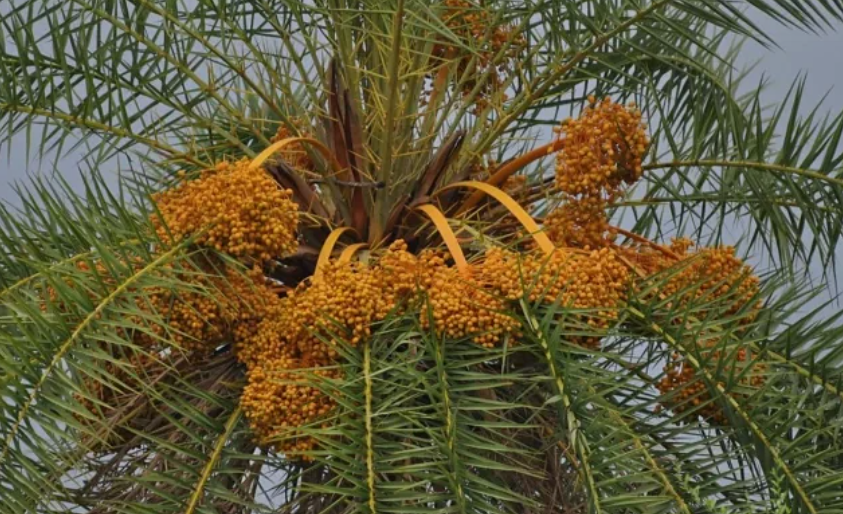
The silver date palm, also called the wild date palm, has stiff, silvery gray-green fronds armed with long spines near their bases. Its single trunk is covered with a striking diamond pattern of old leaf bases. The palm grows 40 to 50 feet tall and has a full, rounded crown. Its color makes it stand out among greener palms.
The silver date palm is native to India and Pakistan, where its sap is boiled into a sweet palm sugar. In the United States it is planted in Florida, Texas, Arizona, and California. It handles heat, drought, and cold down to the low 20s°F. Its dramatic look makes it a popular specimen tree in large landscapes.
6. Needle Palm
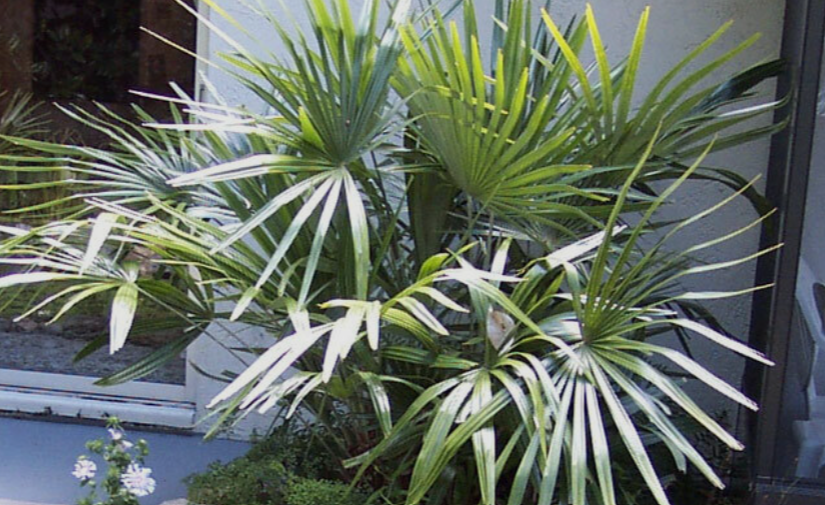
The needle palm gets its name from the long, sharp, needle-like spines that cover its short trunks. These spines protect the growing bud and make the plant nearly impossible to handle bare-handed. It grows as a dense clump of glossy, deep green fan leaves, usually 3 to 8 feet tall. The undersides of its leaves are silvery.
The needle palm is native to the southeastern United States, from South Carolina to Florida and west to Mississippi and Alabama. It is the most cold-hardy palm in the world and survives in zone 6b. Its spines make it a useful security plant beneath windows. It grows well in shade and moist soil.
7. Saw Palmetto
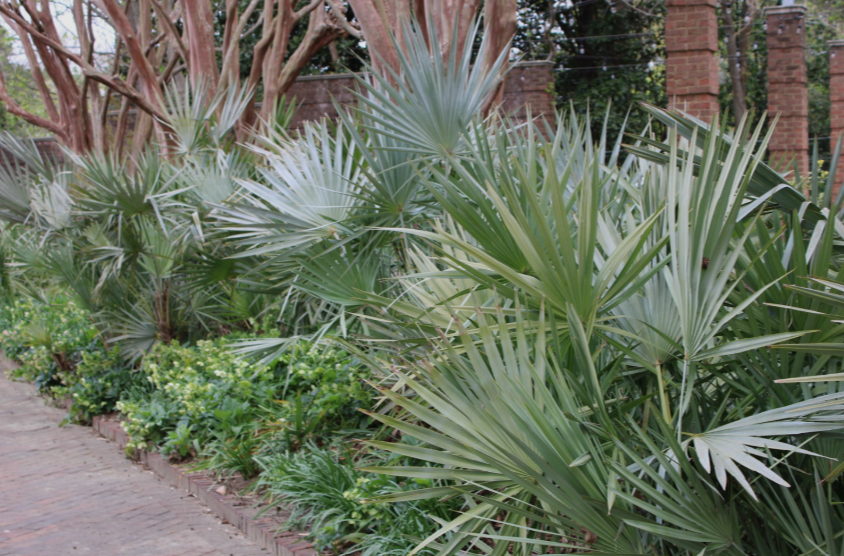
Saw palmetto is named for the two rows of sharp, saw-like teeth along each leaf stalk. These teeth can scratch and cut bare legs and arms, which is why hikers in Florida’s pine forests often wear long pants. The palm forms low, spreading clumps of fan-shaped leaves, usually 5 to 10 feet tall. Its stems often creep along the ground.
Saw palmetto is native to the Southeast, from South Carolina through Florida and west to Texas. It covers huge areas of pine forest and coastal scrub. It grows in zones 8a through 11 and handles salt, drought, and sandy soil. In landscapes, it makes a tough, spiny barrier hedge.
Also Read: Palm Trees with Coconuts
8. Mexican Fan Palm
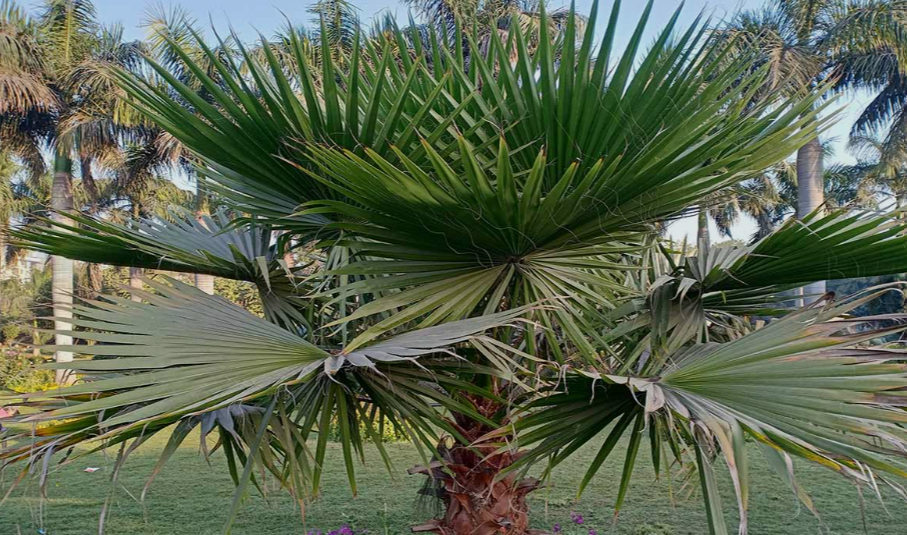
The Mexican fan palm has sharp, curved teeth along the edges of its long leaf stalks. The teeth hook backward, so they catch skin and clothing and make trimming the fronds painful. The palm grows 70 to 100 feet tall on a slender trunk. Its compact crown of bright green fan leaves sits high above the ground.
The Mexican fan palm is native to Baja California and Sonora in northwestern Mexico. It is one of the most widely planted palms in the United States, especially in Southern California, Arizona, Nevada, Texas, and Florida. It grows quickly and handles heat, drought, and wind. Professional trimmers usually wear heavy gloves and protective sleeves when pruning it.
9. California Fan Palm
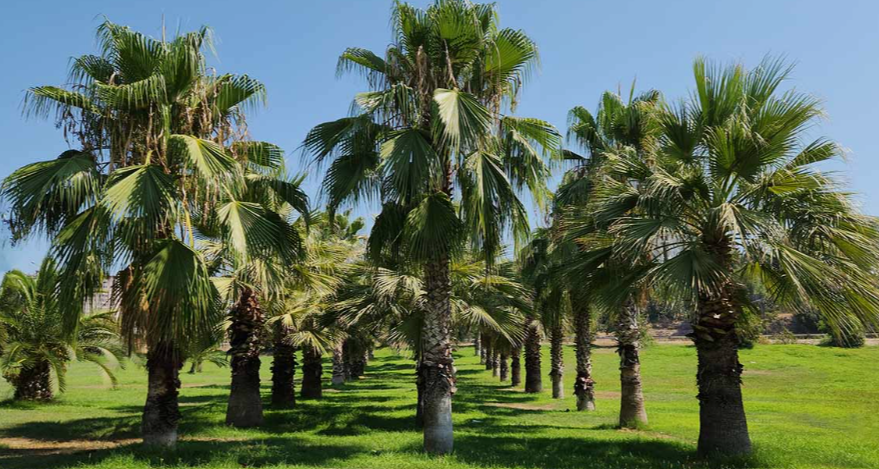
The California fan palm also has sharp teeth lining its leaf stalks, especially on younger fronds. Its trunk is much thicker than that of the Mexican fan palm, and it often wears a skirt of dead fronds. It grows 50 to 60 feet tall with large, gray-green fan leaves. Its fronds can be dangerous to handle without gloves.
The California fan palm is the only palm native to the western United States. It grows naturally in desert oases of southeastern California, western Arizona, and northern Baja California. It handles heat, drought, and cold down to about 15°F. In landscapes, it is often planted across the desert Southwest.
10. Mediterranean Fan Palm
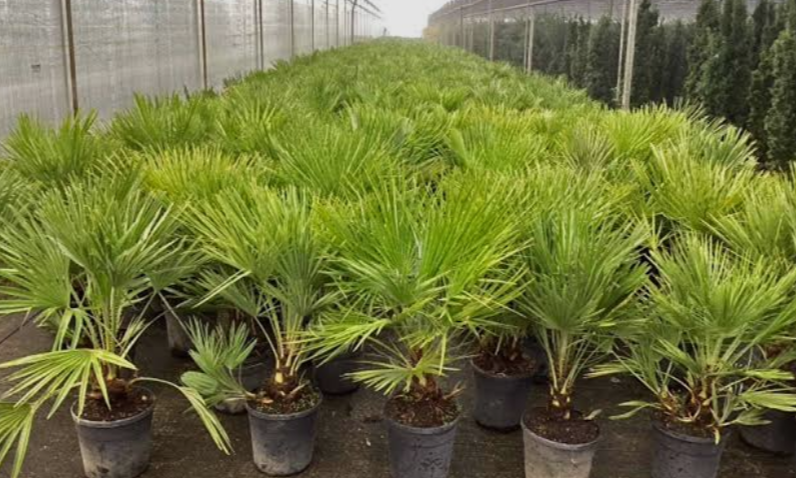
The Mediterranean fan palm carries sharp spines along its leaf stalks. Those spines make it a natural barrier plant. It forms a slow-growing clump of short trunks with stiff, fan-shaped leaves in shades of green to silvery blue. Most clumps reach 10 to 15 feet tall over many years.
The Mediterranean fan palm is native to southern Europe and North Africa. In the United States it grows in California, Arizona, Texas, the Gulf Coast, and coastal Georgia and South Carolina. It survives temperatures down to about 10°F. It is a good choice for dry gardens and containers.
11. Paurotis Palm
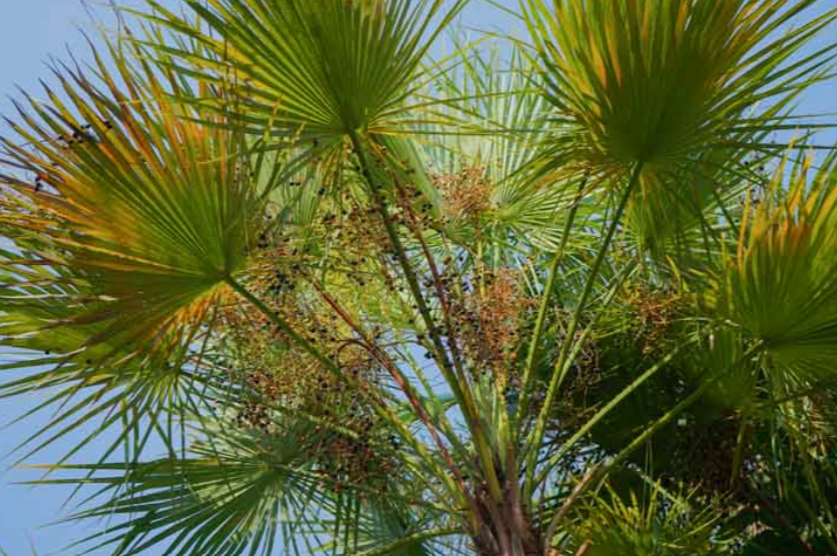
The paurotis palm, or Everglades palm, has sharp orange teeth that curve along its leaf stalks. These teeth make the dense clumps difficult to walk through in the wild. The palm grows in clusters of slender, fiber-covered stems that can reach 20 to 30 feet tall. Its bright green fan leaves form rounded crowns.
The paurotis palm is native to the Everglades and other wetlands of South Florida, along with parts of the Caribbean and Central America. It tolerates wet soils better than most palms. It grows in zones 9b through 11. It is protected in Florida, so buy plants from licensed nurseries.
12. Peach Palm
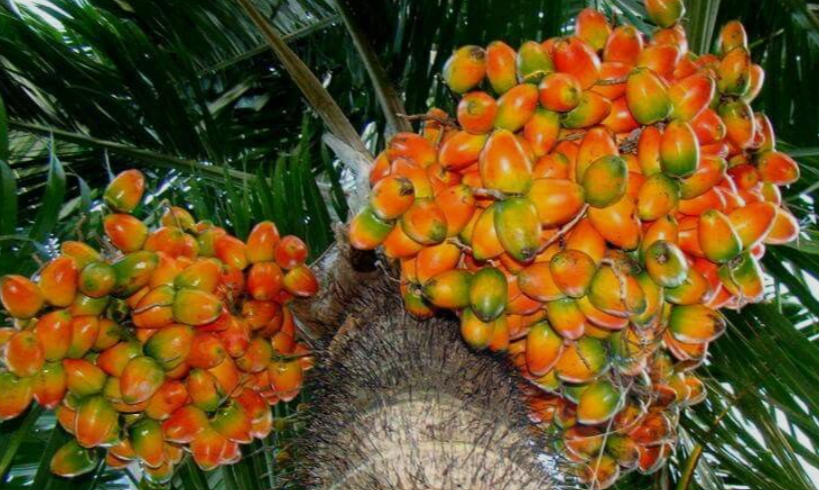
The peach palm’s trunks are ringed with dense bands of long, sharp black spines. These spines protect the palm and its colorful fruit from climbing animals. The palm forms clumps of tall stems that can reach 65 to 100 feet. Spineless varieties have been developed for easier harvesting.
The peach palm is native to the Amazon region and northern South America. In the United States it is grown in Hawaii, mostly from spineless varieties raised for hearts of palm. It also grows in South Florida home landscapes. Its fruit must be boiled before eating.
13. Salak Palm
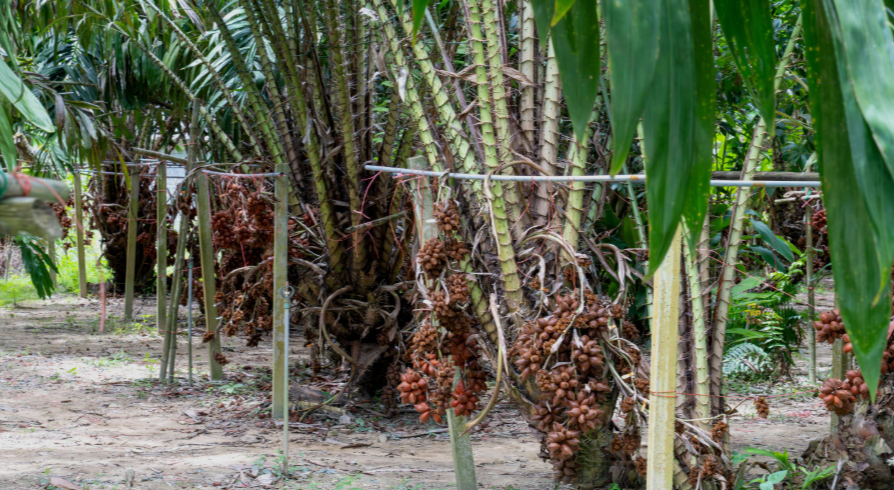
The salak palm is one of the spiniest palms in the world. Its long leaf stalks and leaflets are covered with sharp spines up to several inches long. The plant forms a low, nearly trunkless clump of fronds about 20 feet tall. Its spines protect the clusters of scaly snake fruit at its base.
The salak palm is native to Java and Sumatra in Indonesia. In the United States it is grown only by tropical fruit collectors in South Florida and Hawaii. It needs warmth, humidity, and partial shade. Growers wear thick gloves when harvesting the fruit.
Also Read: Most Common Palm Tree Problems
14. Macaw Palm
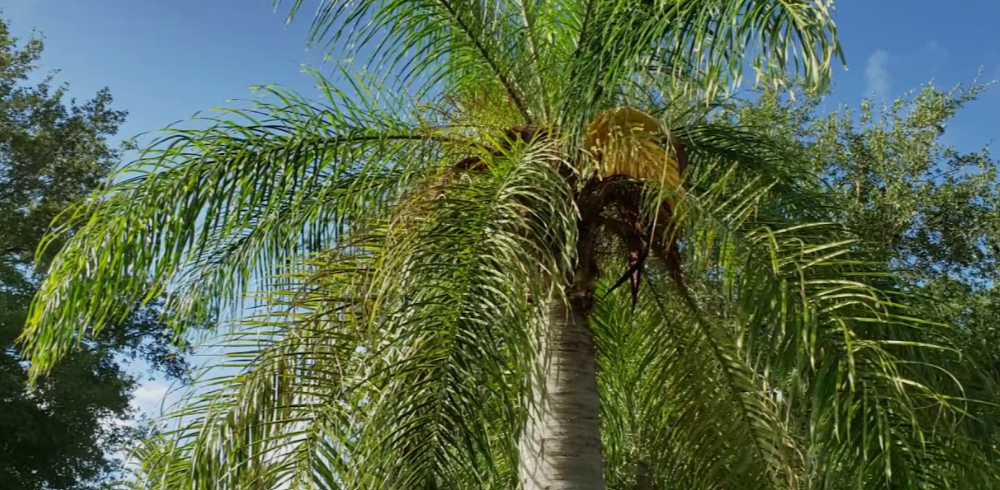
The macaw palm, also called the grugru palm, has a trunk covered with long, sharp black spines. Its leaf stalks and even the undersides of its fronds are spiny as well. It grows 30 to 50 feet tall with a crown of feathery, arching fronds. Its round yellow-green fruits are edible and rich in oil.
The macaw palm is native to tropical America, from Mexico and the Caribbean south to Argentina. In the United States it is grown mainly in South Florida. Its spines make it an effective barrier tree. It handles drought and poor soils well.
15. Zombia Palm
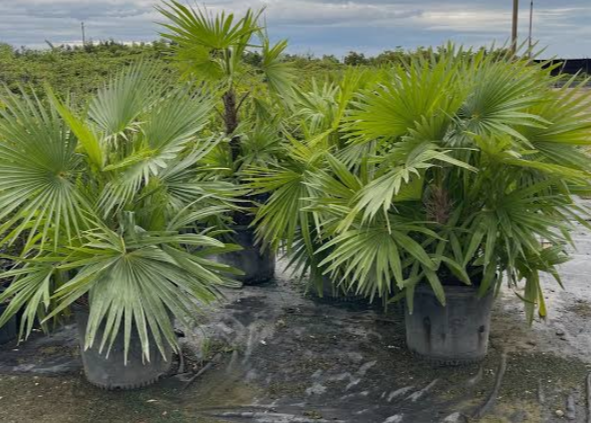
The zombia palm has one of the most unusual trunks of any palm. Its stems are wrapped in woven, fibrous leaf sheaths that end in sharp, upward-pointing spines. The palm grows in clumps 10 to 15 feet tall with silvery fan leaves. Its small white fruits ripen in clusters among the fronds.
The zombia palm is native to the island of Hispaniola, shared by Haiti and the Dominican Republic. In the United States it is grown mainly in South Florida, in zones 10b and 11. It tolerates drought and salt. Collectors prize it for its distinctive spiny trunks.