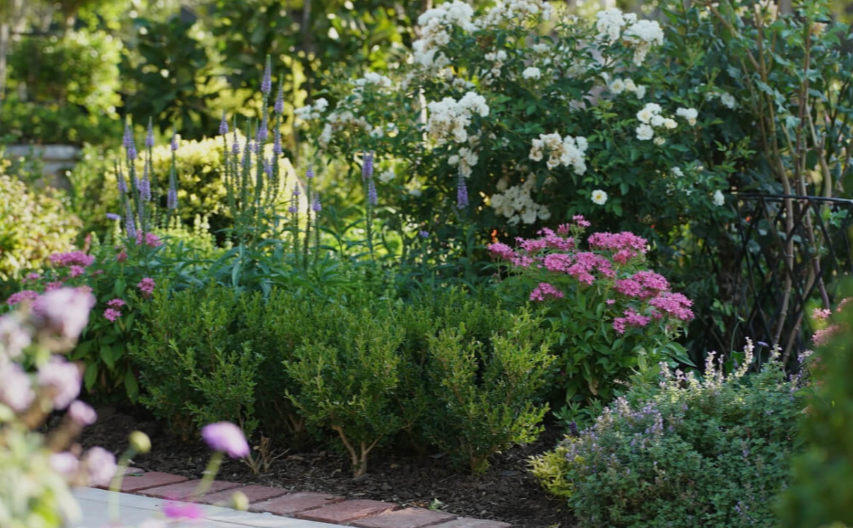
Choosing the best companion plants for boxwood shrubs is one of the easiest ways to turn a simple green hedge into a beautiful, layered garden. Boxwood’s small, glossy evergreen leaves provide year-round structure, but on their own they can look formal and a little plain. Paired with flowering perennials, bulbs, grasses, and shrubs, boxwood becomes a frame that makes every color and texture around it stand out. That is why boxwood has been the backbone of formal gardens, cottage borders, and foundation plantings for centuries.
Good companions for boxwood share similar growing conditions. Most boxwoods prefer partial shade to full sun, moist but well-drained soil, and a slightly acidic to neutral pH. Boxwoods also have shallow, fine roots that are easily disturbed. The best companions do not compete aggressively for water or root space or require heavy digging around the shrubs.
Some popular groundcovers are poor choices near boxwood. UMass Amherst Extension notes that sweetbox and pachysandra are also susceptible to boxwood blight, a serious fungal disease that spreads easily between closely planted hosts. Avoiding these plants near boxwood helps reduce the risk of disease spreading through the garden.
The 24 companion plants below include flowering perennials, bulbs, ornamental grasses, shrubs, and small trees that grow well with boxwood in gardens across the United States. Each description elaborates why the plant works well with boxwood and how to use it in the landscape. You’ll find options for sun and shade, formal and informal gardens, and every season of the year.
1. Hydrangea
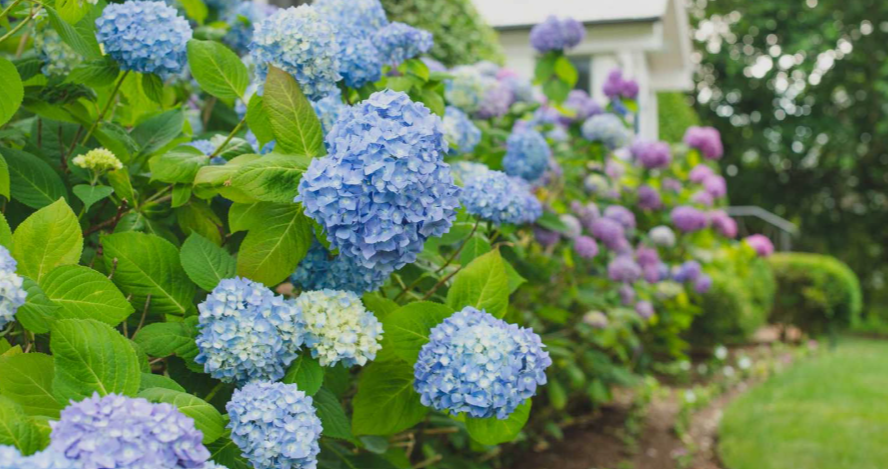
Hydrangeas are one of the most classic boxwood companions, especially in formal and cottage gardens. Their large, rounded flower clusters contrast beautifully with boxwood’s fine, dense foliage. A low boxwood hedge planted in front of hydrangeas hides their bare lower stems in winter. Together they create a polished look from spring through fall.
Panicle and smooth hydrangeas are the most reliable choices across most of the country, since they bloom on new growth. Both grow well in morning sun and afternoon shade, the same conditions boxwood prefers. Give hydrangeas enough room to spread without crowding the boxwood. Their white, pink, or lime flowers glow against the dark green backdrop.
2. Hosta
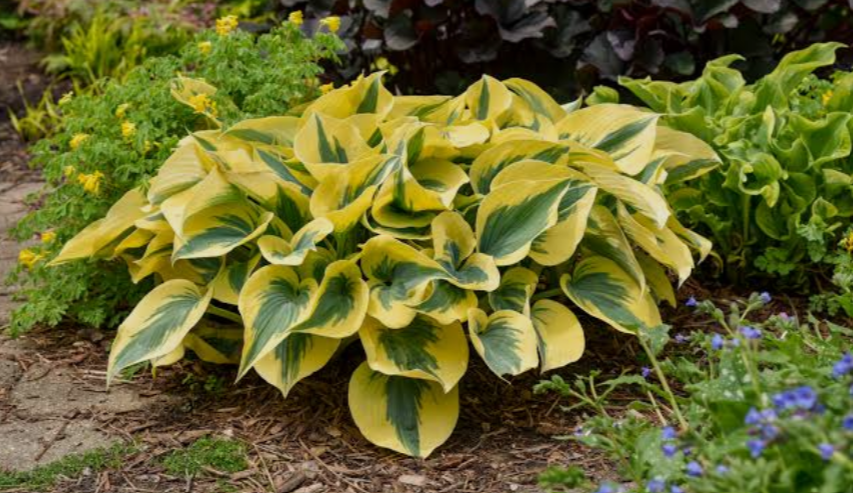
Hostas are excellent companions for boxwood in shady gardens. Their broad, bold leaves contrast with boxwood’s tiny foliage, creating a strong textural combination. Hostas come in a wide range of colors, from deep blue-green to bright chartreuse and variegated white and gold. They brighten the base of boxwood hedges in partial to full shade.
Hostas prefer moist, rich, well-drained soil, which suits boxwood as well. Plant them in front of or between boxwoods to fill gaps and soften formal lines. Slugs and deer can damage hostas, so choose thick-leaved varieties or protect plants where these pests are common. Hostas die back in winter, leaving the boxwood to carry the garden’s structure.
3. Lavender
Also Read: Different Types of Boxwood Shrubs
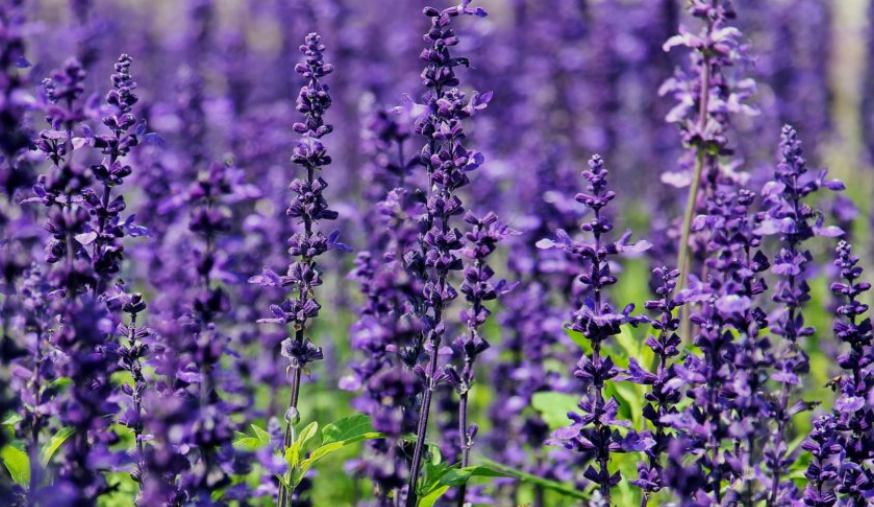
Lavender and boxwood are a time-honored pairing in formal European gardens and herb gardens. Lavender’s silver-gray foliage and purple flower spikes contrast beautifully with boxwood’s deep green leaves. Low boxwood hedges are often used to frame beds of lavender in knot gardens and parterres. The combination also adds fragrance to paths and patios.
Lavender needs full sun and very well-drained, lean soil, so it works best with boxwoods planted in sunny sites. Avoid overwatering, since lavender rots quickly in wet soil. Hardy English lavenders such as ‘Hidcote’ and ‘Munstead’ grow well in Zones 5 through 8. Plant lavender slightly away from boxwood roots so each plant has room to thrive.
4. Roses
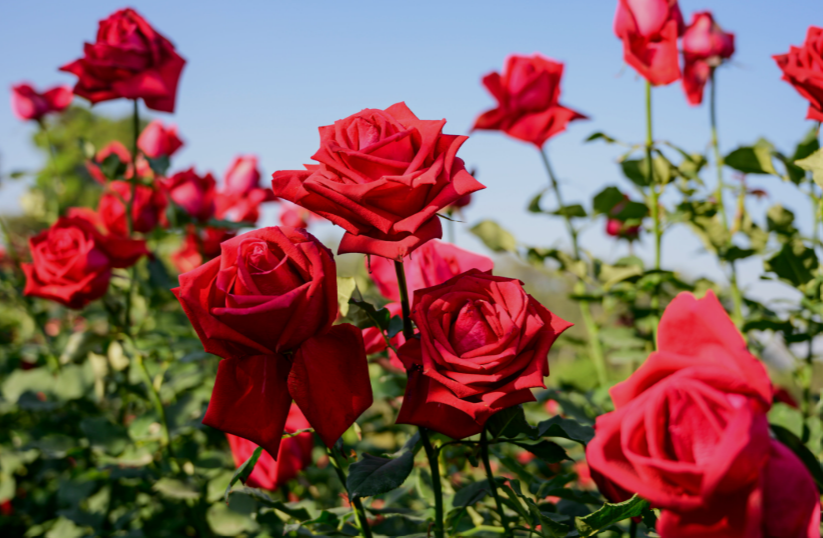
Roses and boxwood have been paired in formal gardens for centuries. Boxwood hedges create a neat green frame around rose beds, hiding the roses’ bare lower stems and giving structure to the garden in winter. The deep green foliage also makes rose blooms look brighter. Shrub roses, such as Knock Out roses, pair especially well with low boxwood hedges.
Roses need at least 6 hours of sun, so choose sunny sites where boxwood also gets plenty of light. Space roses and boxwoods far enough apart to allow good airflow, which helps reduce diseases in both plants. Avoid heavy fertilizing near boxwood roots. Regular inspection helps catch rose diseases such as rose rosette before they spread.
5. Japanese Forest Grass
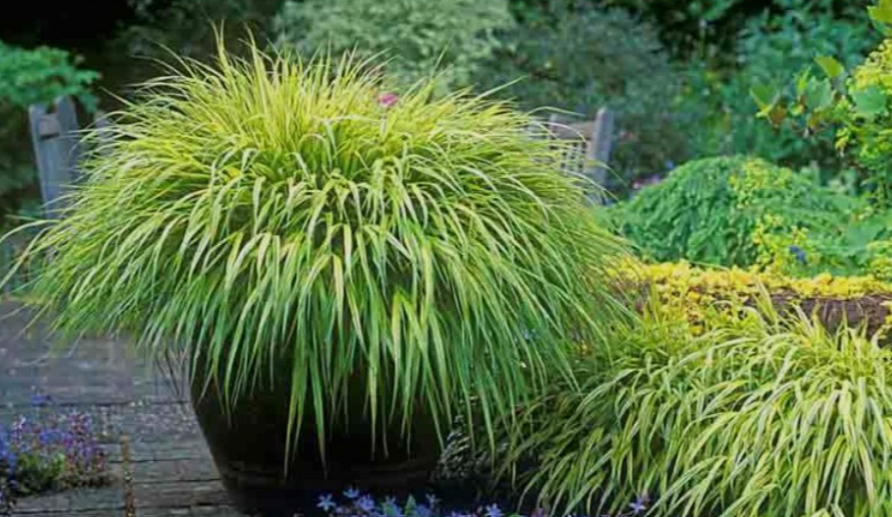
Japanese forest grass is one of the best companions for boxwood in partially shaded gardens. Its arching, cascading blades create a soft, flowing texture that contrasts with boxwood’s tight, rounded form. Golden varieties such as ‘Aureola’ brighten shady spots and glow against dark green boxwood. The grass slowly forms neat mounds without spreading aggressively.
Japanese forest grass grows best in Zones 5 through 9 in moist, well-drained soil with partial shade. It works well spilling over the edges of boxwood-lined beds or planted along paths. It turns warm shades of orange and bronze in fall. In spring, cut back last year’s foliage before new growth emerges.
6. Coral Bells
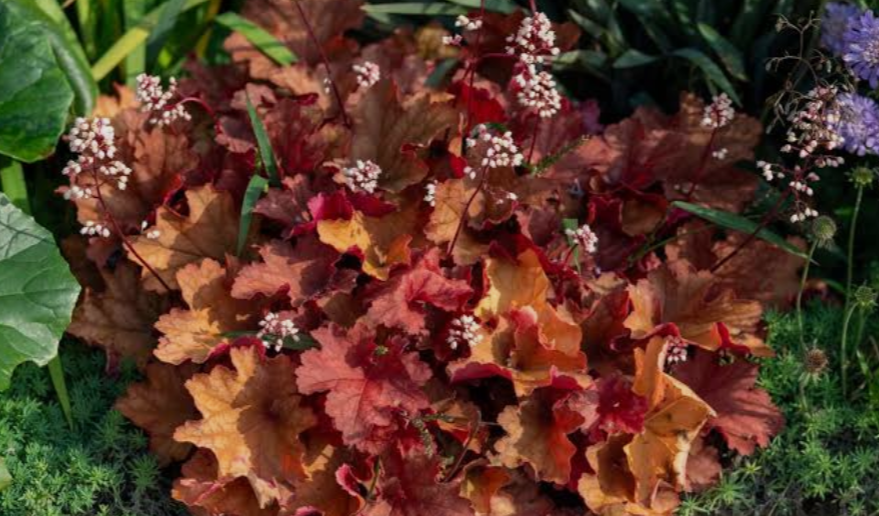
Coral bells offer colorful foliage that pairs beautifully with boxwood. Their leaves come in shades of burgundy, purple, amber, lime, silver, and nearly black, adding color to boxwood borders year-round. Delicate flower spikes rise above the foliage in late spring and summer. Their low, mounding habit makes them ideal for planting in front of boxwood hedges.
Coral bells grow well in partial shade and well-drained soil, matching boxwood’s needs. They are hardy in Zones 4 through 9 and are mostly evergreen in milder climates. Avoid planting them in soggy soil, which leads to crown rot. Native coral bells and their hybrids also attract hummingbirds and pollinators.
7. Hellebore
Hellebores bloom in late winter and early spring, when boxwood provides one of the few other sources of green in the garden. Their nodding flowers come in white, pink, plum, green, and speckled forms. Their leathery evergreen leaves add bold texture beside boxwood. Together they create a garden that looks alive even in the coldest months.
Hellebores thrive in partial to full shade and rich, well-drained soil, the same conditions many boxwoods enjoy. They are hardy in Zones 4 through 9 and resist deer and rabbits. Plant them in front of boxwood hedges or along shaded paths. They are long-lived and require very little care once established.
8. Daylily
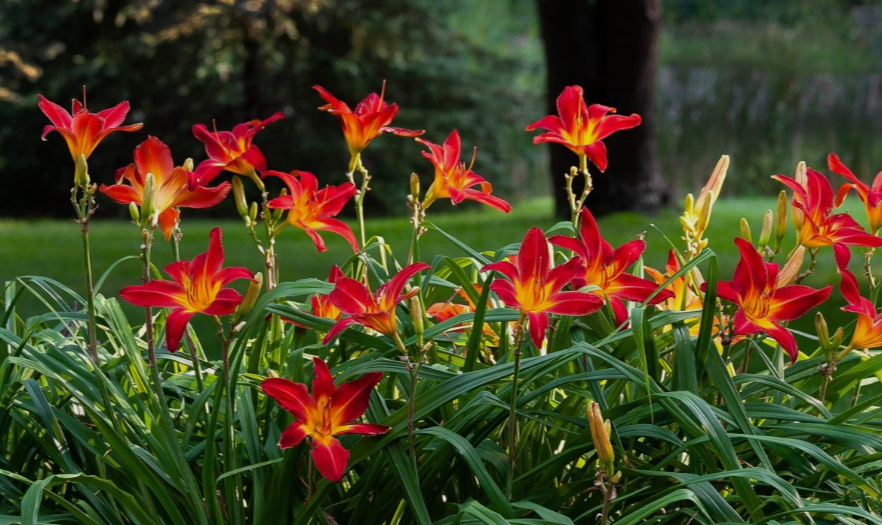
Daylilies add bold summer color to boxwood borders. Their trumpet-shaped flowers come in nearly every color except blue, and their arching, grass-like foliage contrasts with boxwood’s dense form. Reblooming varieties such as ‘Stella de Oro’ and ‘Happy Returns’ extend the display through summer. They work well in both formal and informal designs.
Daylilies grow best in full sun to light shade and are hardy in Zones 3 through 9. They tolerate a wide range of soils and need little care. Plant them a short distance from boxwood roots to avoid competition. Remove spent flower stalks to keep the planting tidy.
9. Allium
Ornamental alliums add striking globe-shaped flower heads that rise above low boxwood hedges in late spring and early summer. Their purple, white, or pink spheres echo the rounded shape of clipped boxwood. Tall varieties such as ‘Globemaster’ and ‘Purple Sensation’ create dramatic vertical accents. Their fading leaves are hidden by the surrounding boxwood.
Alliums grow from bulbs planted in fall and thrive in full sun and well-drained soil. They are hardy in most of the United States and are resistant to deer and rodents. Plant them in groups behind or between boxwoods for the best effect. Their dried seed heads also add interest after the flowers fade.
10. Tulips
Also Read: How To Grow And Care For Boxwoods
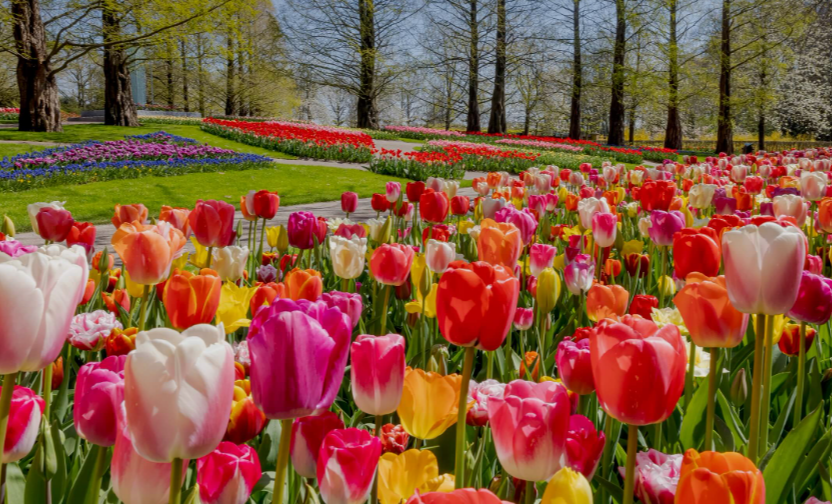
Tulips are a favorite spring companion for boxwood, especially in formal gardens. Rows or blocks of tulips framed by low boxwood hedges create a classic display. Boxwood also hides tulip foliage as it yellows after blooming. Tulips come in a huge range of colors, so they fit almost any garden design.
Tulips grow best in full sun and well-drained soil and are planted in fall, about 6 to 8 inches deep. They perform most reliably in Zones 3 through 8. In warmer regions, many tulips are treated as annuals and replanted each year. Plant bulbs a few inches away from boxwood roots to avoid disturbing them.
11. Daffodils
Daffodils brighten boxwood plantings in early spring, often blooming while other perennials are still dormant. Their yellow, white, and orange flowers stand out sharply against boxwood’s dark green foliage. They are long-lived and multiply over time. Unlike tulips, they are generally ignored by deer, squirrels, and voles.
Daffodils grow from fall-planted bulbs in full sun to partial shade and are hardy in Zones 3 through 8. Plant them in drifts behind or between boxwoods. After blooming, let the foliage die back naturally so the bulbs can store energy for next year. Boxwood helps hide the fading leaves.
12. Catmint
Catmint forms soft, billowing mounds of gray-green foliage covered in lavender-blue flowers from late spring through summer. Its loose, airy habit contrasts nicely with the tight, clipped form of boxwood. It is a popular choice for softening the edges of formal boxwood hedges. Bees and butterflies visit its flowers constantly.
Catmint grows best in full sun and well-drained soil and is hardy in Zones 3 through 8. It tolerates heat, drought, and poor soil and is resistant to deer and rabbits. Shear plants back after the first flush of flowers to encourage reblooming. Varieties such as ‘Walker’s Low’ are especially popular.
13. Salvia
Perennial salvias add upright spikes of purple, blue, pink, or white flowers that contrast with boxwood’s rounded shape. Varieties such as ‘May Night’ and ‘Caradonna’ bloom from late spring into summer. Their vertical form adds height and movement to boxwood borders. They attract bees, butterflies, and hummingbirds.
Salvias grow best in full sun and well-drained soil and are hardy in Zones 4 through 8, depending on the variety. They tolerate heat and drought once established. Deadhead spent flower spikes to encourage repeat blooming. They pair especially well with boxwood in sunny, formal gardens.
14. Astilbe
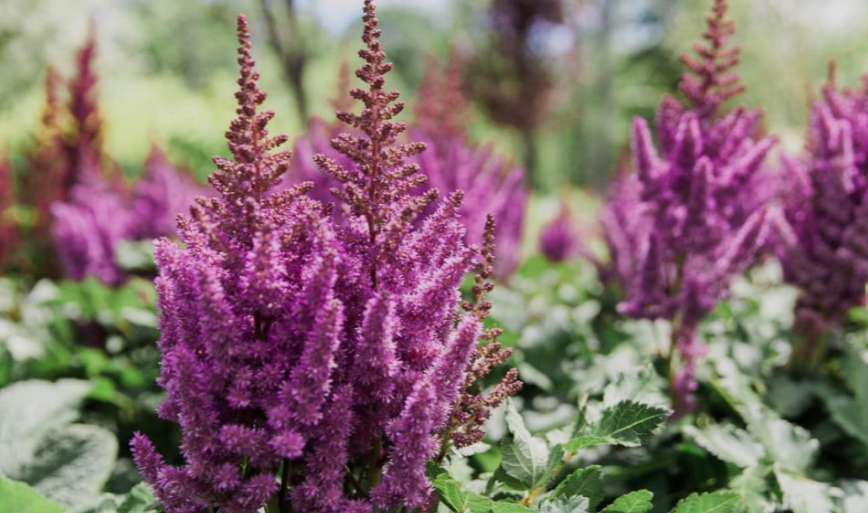
Astilbe brings feathery plumes of pink, red, white, or lavender flowers to shady boxwood gardens. Its fern-like foliage adds a soft, delicate texture beside boxwood’s dense leaves. It blooms in early to midsummer, adding color when many shade plants are finished flowering. Its dried plumes remain attractive into fall.
Astilbe needs partial to full shade and consistently moist, rich soil. It is hardy in Zones 4 through 8. Keep it well watered during dry spells, since it does not tolerate drought. Plant it in front of or between boxwoods in shaded beds.
15. Ferns
Ferns pair beautifully with boxwood in shady gardens, combining fine, lacy fronds with boxwood’s dense, glossy leaves. Native ferns such as Christmas fern stay green through winter, matching boxwood’s evergreen presence. Japanese painted fern adds silver and burgundy tones. Ferns soften formal boxwood edges in woodland and shade gardens.
Most ferns prefer partial to full shade and moist, rich soil. Christmas fern is hardy in Zones 3 through 9 and tolerates drier shade better than many ferns. Plant ferns around and between boxwoods to fill gaps. They require very little care once established.
16. Japanese Maple
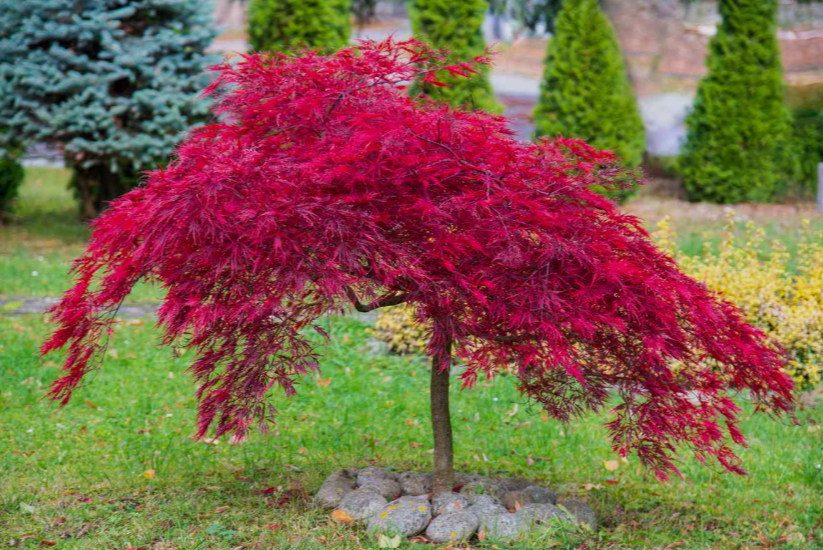
Japanese maples make elegant companions for boxwood in both formal and Asian-inspired gardens. Their delicate, often red or purple leaves contrast with boxwood’s dark green foliage. Low boxwood hedges or globes planted beneath a Japanese maple create a refined, layered look. The maple’s fall color adds a seasonal highlight.
Japanese maples grow best in partial shade and moist, well-drained soil, similar to boxwood’s needs. They are hardy in Zones 5 through 8. Give them protection from harsh afternoon sun and strong winds. Plant boxwoods far enough away from the maple’s trunk to avoid root competition.
Also Read: Best Varieties of Boxwood For Hedges
17. Clematis
Clematis vines add vertical color to boxwood gardens when grown on trellises, arbors, fences, or obelisks. Their large flowers in purple, blue, pink, white, and red contrast with boxwood’s compact green form. A low boxwood hedge at the base of a clematis-covered structure creates a classic cottage garden look. Many varieties bloom from spring into fall.
Clematis prefers sun on its leaves and cool, shaded roots, so low boxwoods planted at its base help shade the soil. Most varieties are hardy in Zones 4 through 9. Plant clematis in rich, well-drained soil and provide a sturdy support. Prune according to the variety’s flowering group.
18. Peony
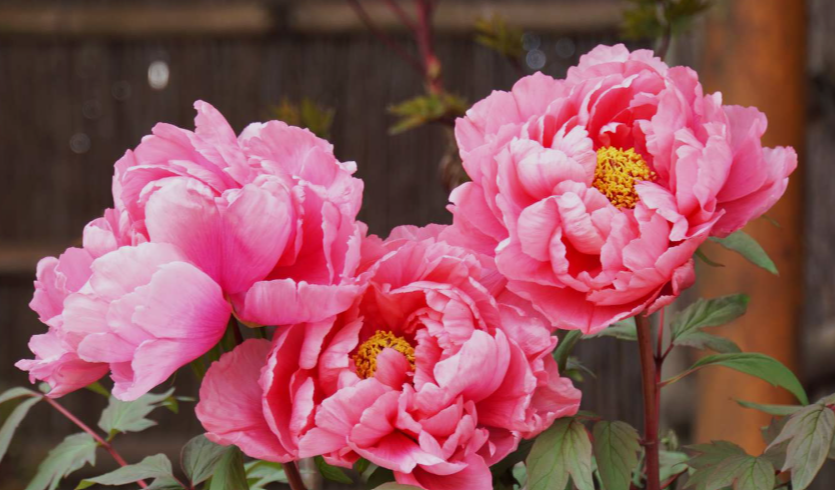
Peonies bring large, fragrant blooms to boxwood gardens in late spring. Their lush flowers in pink, white, red, and coral contrast with boxwood’s tidy foliage. After the flowers fade, the peony’s dark green leaves remain attractive through summer. Boxwood hedges help frame peony beds and support their heavy stems.
Peonies grow best in full sun and well-drained soil and are hardy in Zones 3 through 8. They need winter cold to bloom well, making them ideal for northern gardens. Plant them with their buds no more than 2 inches below the soil. Once established, they can bloom for decades.
19. Hardy Geranium
Hardy geraniums form low, spreading mounds of lobed leaves topped with blue, purple, pink, or white flowers. Their soft, informal habit contrasts nicely with clipped boxwood. Long-blooming varieties such as ‘Rozanne’ flower from late spring until frost. They work well as a front-of-border edging plant.
Hardy geraniums grow in full sun to partial shade and are hardy in Zones 4 through 8. They tolerate a range of soils and need little care. Shear plants back after flowering to encourage new growth and more blooms. They also help suppress weeds around boxwood.
20. Lamb’s Ear
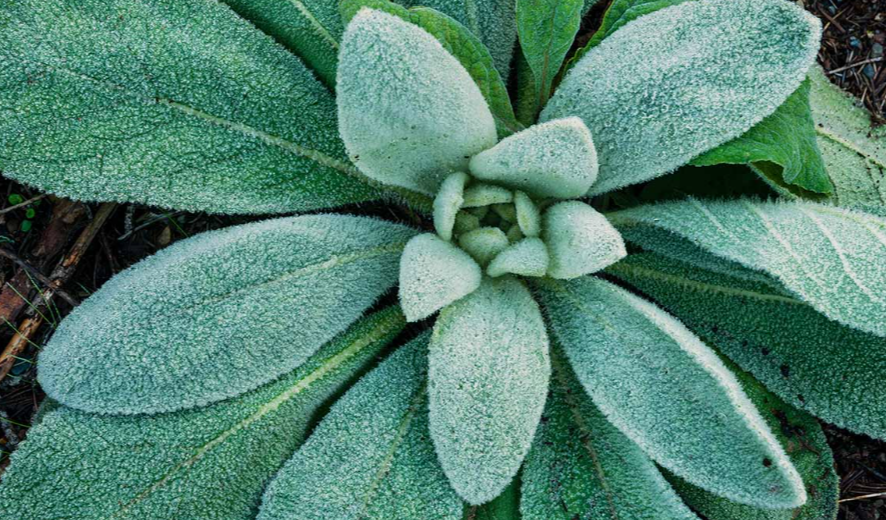
Lamb’s ear has soft, fuzzy, silver-gray leaves that create a striking contrast with boxwood’s dark green foliage. Its low, spreading habit makes it ideal for edging in front of boxwood hedges. Children and visitors love touching its velvety leaves. Some varieties, such as ‘Helen von Stein’, produce few flower spikes, keeping the foliage neat.
Lamb’s ear grows best in full sun and well-drained soil and is hardy in Zones 4 through 8. It tolerates drought and is resistant to deer and rabbits. Avoid overhead watering, since wet foliage can rot in humid weather. It adds a soft, silvery accent to formal and cottage gardens alike.
21. Feather Reed Grass
Feather reed grass adds tall, upright plumes that rise above boxwood hedges and sway in the breeze. Varieties such as ‘Karl Foerster’ bloom in early summer and stay attractive into winter. Their vertical form contrasts with boxwood’s rounded shape. Together they create a modern, structured look.
Feather reed grass grows best in full sun to light shade and is hardy in Zones 4 through 9. It tolerates a range of soils, including clay. Cut it back in late winter before new growth begins. Plant it behind low boxwood hedges for a dramatic contrast.
22. Coneflower
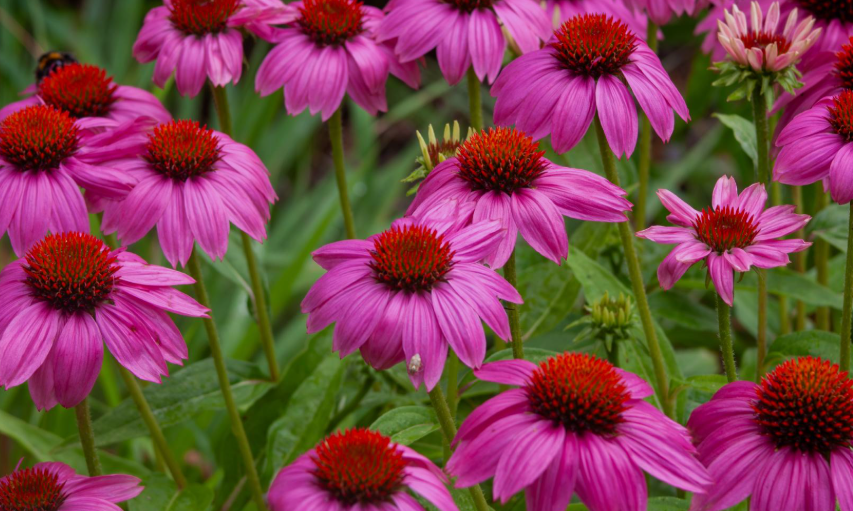
Coneflowers bring bright, daisy-like blooms to sunny boxwood borders from summer into fall. Their purple, pink, white, orange, and yellow flowers attract bees and butterflies. Seed heads left on the plants feed goldfinches in fall and winter. Boxwood provides a neat frame for these informal native wildflowers.
Coneflowers grow best in full sun and well-drained soil and are hardy in Zones 3 through 9. They tolerate heat and drought once established. Plant them behind or between boxwoods for a mix of formal and natural styles. Native purple coneflower is one of the most reliable choices.
23. Lady’s Mantle
Lady’s mantle has rounded, scalloped leaves that hold droplets of water like beads of glass after rain. Its frothy chartreuse flowers in late spring and early summer brighten boxwood borders. Its soft, mounding habit makes it a perfect edging plant in front of boxwood. It is a classic choice in English-style gardens.
Lady’s mantle grows best in partial shade to full sun and moist, well-drained soil. It is hardy in Zones 3 through 8. Cut back faded flowers to prevent heavy self-seeding. Its chartreuse tones glow against boxwood’s deep green foliage.
24. Brunnera
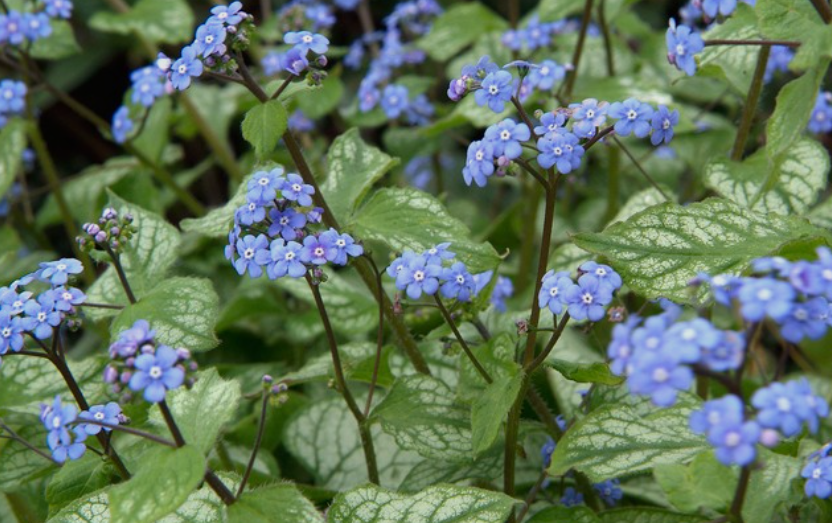
Brunnera, sometimes called Siberian bugloss, has heart-shaped leaves and clouds of tiny blue flowers in spring that resemble forget-me-nots. Silver-leaved varieties such as ‘Jack Frost’ brighten shady boxwood plantings all season. Its bold leaves contrast with boxwood’s small foliage. It is one of the best perennials for adding light to dark corners.
Brunnera grows best in partial to full shade and moist, well-drained soil. It is hardy in Zones 3 through 8 and is resistant to deer. Keep it watered during dry spells, since its leaves can scorch in drought. Plant it in front of boxwoods along shaded paths and beds.
Sources
UMass Amherst Landscape, Nursery and Urban Forestry Program, “Boxwood Blight”
Clemson Cooperative Extension Home and Garden Information Center, “Boxwood”