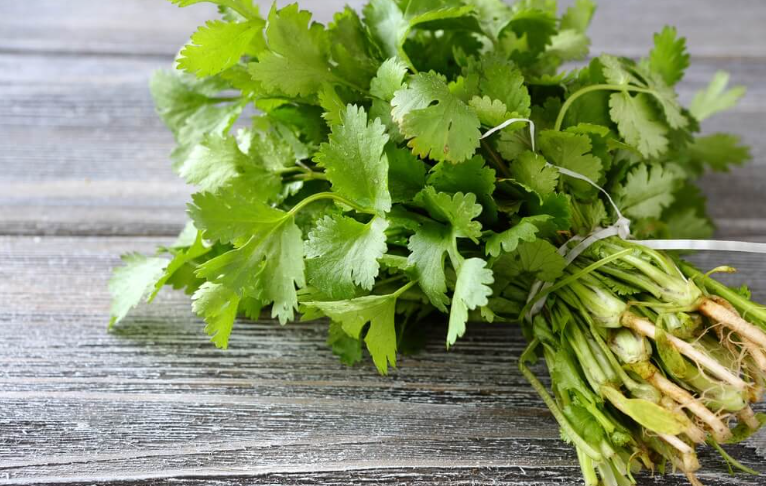
Cilantro is the fresh leaf form of the coriander plant — one of the most widely consumed fresh herbs in the world by volume — used as a primary flavoring and garnishing herb across Mexican, Latin American, Indian, Thai, Vietnamese, Chinese, Middle Eastern, and North African cuisines where its bright, citrusy, complex, slightly soapy aromatic character is as fundamental and irreplaceable as basil is to Italian cooking. The name cilantro is used primarily in North America and Latin America, derived from the Spanish word for coriander, while the same fresh herb is called coriander leaf in the United Kingdom, dhania in South Asia, pak chee in Thailand, and rau mùi in Vietnam — reflecting its extraordinary global reach across dozens of distinct food cultures. Global fresh cilantro production is enormous, with Mexico, the United States, India, China, and Thailand among the largest producers.
Cilantro is unique among the world’s most widely consumed fresh herbs in being genuinely polarizing — loved intensely by the majority of the global population who experience it as bright, fresh, citrusy, and aromatic, while a minority of people — estimated at 4 to 14 percent of Western populations and lower percentages in Asian and Latin American populations — possess a genetic sensitivity to the aldehyde compounds in cilantro that makes the herb taste overwhelmingly of soap regardless of quantity or preparation method. This genetic soap perception, linked to variants in the olfactory receptor gene OR6A2, is one of the most fascinating and widely discussed flavor genetics phenomena in food science and has been the subject of numerous scientific studies as well as considerable popular media coverage. Despite this divisiveness, cilantro remains the most consumed fresh herb in the world.
Cilantro plants are fast-growing, cool-season annual herbs that typically reach 12 to 18 inches in height before bolting — sending up a flowering stem — in response to warm temperatures or lengthening days, which rapidly diminishes the quality and production of fresh leaves available for harvest. The primary challenge of growing cilantro, particularly in warm climates, is managing the tendency to bolt quickly, which has driven the development of numerous slow-bolt varieties that extend the productive fresh leaf season significantly beyond what standard varieties offer. Most cilantro varieties are ready for first harvest in 21 to 28 days from direct sowing and can be harvested repeatedly in a cut-and-come-again fashion until bolting begins, making it one of the most rapidly productive fresh herbs in the garden.
The distinctive flavor of fresh cilantro comes from a complex mixture of volatile aldehyde compounds — particularly decenal and decanal — alongside linalool, terpinene, and numerous other aromatic molecules that together produce the characteristic bright, citrusy, fresh, slightly floral, slightly soapy aromatic profile. These compounds are most concentrated and volatile in the fresh, young leaves and deteriorate rapidly after harvest, which is why fresh cilantro has such a short shelf life of only 3 to 5 days under refrigeration before losing its characteristic vibrancy. This rapid deterioration of aromatic quality after harvest is the primary reason why growing cilantro at home — where leaves can be harvested and used immediately — produces a dramatically superior culinary experience compared to supermarket-purchased bunches that may have traveled for days in refrigerated transport.
Types of Cilantro
1. Santo Cilantro
Santo is the most widely grown and most widely recommended cilantro variety for home garden production in North America and Europe, producing abundant, vigorously growing, large, dark green, well-flavored leaves on a compact, upright plant with significantly better bolt resistance than standard, unselected cilantro varieties. It is the most commonly available named cilantro variety in mainstream seed retail across the United States, Canada, and the United Kingdom and is consistently recommended by horticultural extension services, gardening publications, and specialist herb growers as the best all-round cilantro for home garden fresh leaf production. Santo produces good quality leaves for 6 to 8 weeks before bolting in average summer conditions.
2. Slow Bolt Cilantro
Slow Bolt Cilantro is a broad category of cilantro varieties selected specifically for delayed bolting — the ability to remain in the productive leafy vegetative stage significantly longer than standard unselected cilantro before transitioning to flowering and seed production. Varieties marketed simply as Slow Bolt without a specific cultivar name are widely available from mainstream seed suppliers and provide meaningfully better warm-season performance than standard cilantro, extending the productive harvest window by several weeks in warm growing conditions. Slow Bolt cilantro is particularly valuable for gardeners in warm climates where standard cilantro bolts within days of planting in summer.
3. Leisure Cilantro
Leisure is a specifically developed slow-bolt cilantro cultivar producing very dense, leafy, vigorous growth and significantly better bolt resistance than standard or Santo varieties, remaining in the vegetative leafy stage for considerably longer in warm weather before the onset of flowering. The leaves are large, dark green, and of excellent flavor quality and the improved bolt resistance makes Leisure particularly well-suited to succession planting programs aimed at maintaining a continuous supply of fresh cilantro leaf through the growing season in warm climates. It is available from specialist herb and vegetable seed suppliers and is widely used by commercial fresh cilantro producers.
4. Calypso Cilantro
Calypso is an important slow-bolt cilantro cultivar producing compact, upright, densely leafy plants with excellent bolt resistance and good fresh leaf flavor, widely available from mainstream seed suppliers in North America and Europe as a reliable, productive alternative to standard cilantro for warm-season production. The compact, upright growth habit of Calypso makes it particularly well-suited to container growing, raised bed intensive production, and small garden spaces where maximum leaf production per square foot is the primary objective. It consistently performs well in comparative garden trials and is one of the most recommended named cilantro cultivars for reliable performance.
5. Caribe Cilantro
Caribe is a cilantro variety developed for production in warm, humid tropical and subtropical conditions — particularly suited to growing in Central America, the Caribbean, and the southern United States — where its combination of good heat tolerance, reasonable bolt resistance, and excellent fresh leaf flavor suit the challenging warm-climate growing conditions where many other cilantro varieties bolt too quickly to be practically useful. It produces vigorous, well-flavored leaves and performs reliably in the warm, humid conditions of the tropical growing regions where cilantro is most heavily consumed as a daily cooking herb. It is available from specialty seed suppliers serving warm-climate herb producers.
6. Delfino Cilantro
Delfino is a visually distinctive cilantro variety producing extraordinarily finely divided, feathery, almost thread-fine, dill-like leaves quite unlike the broad, lobed leaves of standard cilantro varieties, creating a visually dramatic, delicate, lacy herb that is used primarily as an ornamental garnish where the fine, feathery texture adds visual refinement and elegance alongside the true, authentic cilantro flavor. The name refers to the dolphin-fin-like appearance of the finely divided leaf segments and the variety is particularly popular in fine dining presentations where the delicate leaf form provides sophisticated visual contrast to more standard herb garnishes. It grows with somewhat less vigor than standard cilantro.
7. Long Standing Cilantro
Long Standing Cilantro encompasses varieties selected for the most extreme bolt resistance available in any commercially produced cilantro, combining the leaf quality of the finest culinary cilantro with the maximum possible delay before the inevitable onset of flowering that terminates productive fresh leaf harvest. These varieties are particularly valued by commercial fresh herb producers who need to maintain continuous supply for as many weeks as possible from each planting and by home gardeners in warm climates who struggle to keep any cilantro in productive leaf production through the summer months. Long Standing types are typically available from specialist herb seed suppliers rather than mainstream garden centers.
8. Confetti Cilantro
Confetti is a highly ornamental cilantro variety producing extremely finely divided, almost needle-like, fern-like leaves with an even more delicate, thread-fine leaf structure than the already fine Delfino variety — creating a uniquely refined, visually extraordinary fresh herb of outstanding garnish quality for fine dining applications where maximum visual delicacy is desired. The tiny, confetti-like leaf segments that give this variety its evocative name provide the most refined garnish possible from any cilantro variety while maintaining genuine, authentic cilantro flavor in the fresh herb. It is a specialist variety available from culinary herb seed suppliers serving professional kitchen garden operations.
9. Vietnamese Cilantro (Rau Ram)
Vietnamese Cilantro, called rau ram in Vietnamese and laksa leaf in Malaysian cooking, is not a true cilantro but a distinct herb species from the knotweed family with a strongly cilantro-like, peppery, slightly citrusy, somewhat more pungent and spicy flavor that functions as a used substitute and complement to true cilantro across Vietnamese, Malaysian, Singaporean, and Cambodian cooking. It is essential in Vietnamese beef noodle preparations and in Malaysian laksa soup — one of the most celebrated dishes in Southeast Asian cuisine — and it has the significant practical advantage over true cilantro of being heat-tolerant and productive year-round in tropical climates where true cilantro bolts immediately. It grows as a spreading perennial in USDA zones 9 to 12.
10. Moroccan Cilantro
Moroccan Cilantro refers to the fresh coriander leaf as used in Moroccan cooking, where it is called karzbara in Darija Arabic and is one of the most universally used fresh herbs in Moroccan cuisine — appearing in the traditional preserved lemon and olive preparations, in chermoula herb marinade, in harira soup, and as a finishing herb scattered over tagines and couscous at the moment of serving. Moroccan cilantro varieties tend to be selected for the specific aromatic balance suited to Moroccan cooking and the herb is grown year-round in Morocco’s diverse climate zones, with cooler highland growing conditions producing particularly well-flavored, slow-bolting plants.
11. Indian Dhania (Cilantro)
Indian Dhania refers to the fresh coriander leaf varieties grown across India — called dhania in Hindi and most other Indian languages — where fresh cilantro is one of the most fundamentally important and universally used fresh herbs in Indian cooking, appearing in chutneys, curries, rice dishes, street food preparations, and as a finishing garnish scattered over virtually every savory dish in both North and South Indian cooking traditions. Indian-grown cilantro varieties tend to produce vigorous, strongly flavored, aromatic leaves well-suited to the bold, complex, richly spiced flavor profiles of Indian cuisine where cilantro needs to hold its own alongside strong spices. Fresh dhania bunches are one of the most sold items in Indian vegetable markets daily.
12. Thai Pak Chee (Cilantro)
Thai Pak Chee refers to the fresh cilantro varieties grown and used in Thailand, where the fresh leaves — called pak chee — and particularly the roots — called raak pak chee — are both used as essential culinary ingredients in ways that make Thai cilantro use unique among the world’s cilantro-consuming cultures. The roots are an essential, irreplaceable ingredient in Thai curry pastes, stir-fry preparations, and marinades where the intense, earthy, concentrated, deeply aromatic cilantro root flavor is considered as important as any other ingredient in achieving an authentic Thai flavor profile. Thai cooks prize cilantro root so highly that bunches sold in Thai markets always include the roots still attached.
13. Mexican Cilantro
Mexican Cilantro refers to the cilantro varieties grown and used across Mexico — where cilantro is called cilantro or sometimes culantro — and where it is one of the three or four most fundamentally important fresh ingredients in Mexican cooking alongside onion, chili, and tomato, appearing in fresh salsa, guacamole, pozole, tacos, burritos, ceviche, and virtually every category of Mexican dish. Mexico is one of the world’s largest fresh cilantro producers and consumers and the specific varieties grown in Mexico are selected for robust flavor, vigorous growth in Mexican growing conditions, and the ability to perform well in both cool highland and warm lowland climates across the geographically diverse country.
14. Cilantro Microgreens
Cilantro Microgreens are the tiny, young seedlings of cilantro harvested at 14 to 21 days after germination — somewhat later than most microgreen crops because cilantro germinates slowly and benefits from pre-soaking the seeds — when the cotyledon leaves and first true leaves are fully developed, producing intensely flavored, nutritionally dense, miniature cilantro plants with a bright, clean, concentrated cilantro flavor that is more vivid and concentrated than mature fresh cilantro leaf. They are one of the most popular and widely grown microgreen varieties in professional kitchen gardens, hydroponic operations, and home sprouting setups, used as a refined garnish on tacos, soups, tartare preparations, and any dish where clean, intense cilantro flavor and visually delicate appearance add culinary value.
15. Cruiser Cilantro
Cruiser is a commercial fresh herb cilantro variety developed for hydroponic and protected cropping production systems, producing compact, densely leafy, vigorous growth suitable for high-density planting in glasshouse and polytunnel fresh herb production where consistency, uniformity, and reliable year-round performance are more important than the bolt resistance required for outdoor summer field production. It represents the development of cilantro varieties specifically optimized for the controlled environment agriculture systems that now supply a significant and growing proportion of fresh herbs to supermarket retail supply chains in North America and Europe where year-round consistency of quality and appearance is a non-negotiable commercial requirement.
16. Pot-Grown Cilantro
Pot-Grown Cilantro refers to the compact, densely leafy cilantro selections developed and produced specifically for sale as living pot herb plants in supermarket produce sections and garden centers, where consumers purchase a pot of actively growing, fresh cilantro to harvest leaves from at home over a period of several weeks. These selections are chosen for compact growth habit, dense, leafy appearance at the small pot size in which they are sold, adequate shelf life in retail conditions, and a growth rate that gives the consumer a reasonable window of leaf harvest before the plant bolts. Pot herb cilantro sales have become one of the largest segments of the fresh herb retail market globally.
17. Culantro (Sawtooth Cilantro)
Culantro, also called long-leafed coriander, sawtooth coriander, shadow bennie, or recao depending on the region, is a distinct tropical herb species that is not a true cilantro but produces a very similar, somewhat more intense, more pungent cilantro-like flavor from similar aldehyde compounds and is used as a cilantro substitute and complement across Caribbean, Latin American, Southeast Asian, and West African cooking traditions. It produces long, serrated, firm-edged leaves that are significantly more heat and humidity tolerant than true cilantro — growing year-round in tropical climates where true cilantro bolts within days — making it the practical fresh cilantro substitute of choice in humid tropical regions. It is essential in Puerto Rican sofrito and Vietnamese pho.
18. Cilantro Sprouts
Cilantro Sprouts are germinated cilantro seeds harvested at 3 to 5 days when the small, pale sprouts are just emerging from the seed — before the green leaf tissue has fully developed — producing a mild, slightly earthy, subtly cilantro-flavored sprout used in salads, wraps, and health food preparations where a delicate cilantro note is desired in sprout form. Cilantro seeds benefit from being gently cracked or pre-soaked before sprouting as each seed is actually a fruit containing two seeds, and splitting them before soaking improves germination speed and uniformity. They are less intensely flavored than mature microgreens but provide a gentle, accessible cilantro character in a nutritionally dense, living food form.
19. Leisure Long Standing Cilantro
Leisure Long Standing is an enhanced slow-bolt selection combining the good leaf quality and bolt resistance of the standard Leisure variety with additional selection pressure for extended vegetative growth under warm-temperature and long-day conditions that trigger bolting in standard varieties. It represents the continuing development of improved slow-bolt cilantro varieties for commercial fresh herb production and is used by professional herb growers who require the most extreme bolt resistance available in any commercially produced cilantro variety to maintain continuous fresh supply through challenging warm growing seasons. It is available from specialist vegetable and herb seed suppliers serving commercial producers.
20. Rani Cilantro
Rani is an important named Indian cilantro variety developed by Indian agricultural research institutions for improved yield, leaf quality, and adaptation to Indian growing conditions for commercial production of both fresh leaves and dried coriander seeds. Named cultivar development by Indian agricultural universities and research institutes has significantly improved production consistency and quality in Indian cilantro growing and Rani represents one of the important improved varieties contributing to India’s position as one of the world’s most important coriander and cilantro producers. It is grown primarily in Rajasthan, Gujarat, and Madhya Pradesh for both fresh leaf and seed production.
21. Gigante Cilantro
Gigante is a large-leafed, vigorous cilantro variety producing exceptionally broad, bold, very dark green leaves significantly larger than those of standard cilantro varieties alongside the same excellent, robust, clean, citrusy cilantro flavor that makes flat-leaf types the professional cook’s preferred culinary herb. The larger leaf size makes it considerably more productive per plant for harvesting and more visually impressive in both the garden and culinary presentations where the large, handsome leaves suit whole-leaf use as a wrap or garnish element. It is available from specialist herb seed suppliers and is particularly popular among chefs and serious culinary gardeners.
22. Lemon Cilantro
Lemon Cilantro is a specialty variety producing fresh leaves with a noticeably more pronounced, bright, citrusy, lemon-like aromatic note alongside the standard cilantro character, attributed to a slightly different balance of volatile aromatic compounds that gives the fresh leaves a more vividly lemony fragrance than standard varieties. The enhanced lemon character makes it particularly well-suited to Southeast Asian cooking applications — particularly Thai and Vietnamese preparations — where bright citrus notes are especially valued alongside the standard cilantro character, and to drinks, dressings, and ceviche preparations where a lighter, more citrus-forward fresh herb note adds particular refinement. It is available from specialist herb seed suppliers.
23. Caribbean Cilantro
Caribbean Cilantro refers to the specific culantro varieties — the sawtooth-leafed tropical cilantro relative — grown and used across the Caribbean islands where true cilantro struggles in the tropical heat and humidity, making culantro the practical everyday cilantro of Caribbean cooking. Called shadow bennie in Trinidad and Tobago, recao in Puerto Rico, and chardon bénit in Martinique and Guadeloupe, it is an essential ingredient in the sofrito preparations, pepper sauces, stewed preparations, and fresh condiments that form the flavor backbone of Caribbean cooking across the entire island chain. Caribbean cilantro grows as a productive, heat-loving biennial in tropical conditions.
24. Hydroponic Cilantro
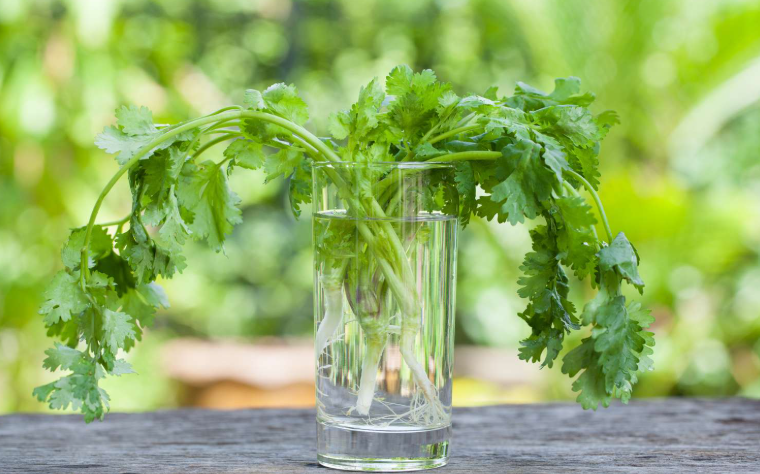
Hydroponic Cilantro represents the fastest-growing segment of commercial fresh cilantro production, with modern hydroponic facilities producing year-round, consistent, high-quality fresh cilantro in controlled environment systems that eliminate the weather-dependency, pest pressure, and seasonal limitations of traditional field production. Hydroponically grown cilantro is harvested as living plants — roots intact in growing medium — that continue to grow and produce fresh leaves for several days or weeks after purchase, extending the useful life of the product compared to cut bunches. The living plant format has become one of the most successful fresh herb retail concepts globally and hydroponic cilantro is now available in the fresh herb sections of major supermarkets across North America and Europe.