Glencoe Boxwood: A Practical Guide to Choosing, Planting, and Caring for This Cold-Hardy Favorite
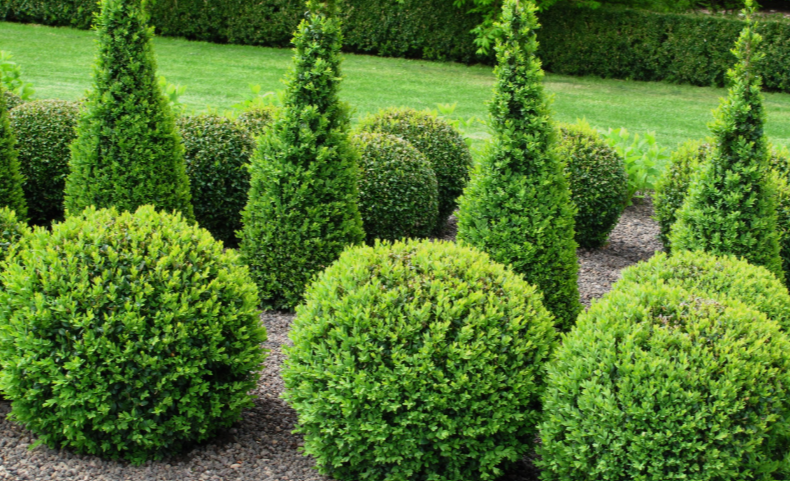
Glencoe boxwood is a cold-hardy evergreen shrub prized for its dense, rounded shape, glossy green leaves, and dependable performance through harsh northern winters. It is one of the most widely planted boxwoods in the Midwest and Northeast, where traditional English boxwood often fails. Gardeners use it for low hedges, foundation plantings, and formal edging. It offers a classic boxwood look with more cold tolerance.
Many shoppers are surprised to learn that Glencoe boxwood and Chicagoland Green boxwood are the same plant. ‘Glencoe’ is the official cultivar name, while Chicagoland Green is its registered trade name, and nurseries may label it either way. This guide clears up that confusion and explains how to tell Glencoe from similar boxwoods. It also covers how to choose healthy plants, plant and maintain a hedge, and solve the most common problems.
Also Read: Practical Boxwood Alternatives For Your Yard
One Plant, Two Names
Glencoe boxwood takes its cultivar name from Glencoe, Illinois, the Chicago suburb where the Chicago Botanic Garden is located. It was selected from the garden’s boxwood collection for its cold hardiness and winter color. It was then introduced through Chicagoland Grows, a plant introduction program founded in 1986 by the Chicago Botanic Garden, the Morton Arboretum, and the Ornamental Growers Association of Northern Illinois.
Under plant naming rules, the cultivar name ‘Glencoe’ stays with the plant permanently. The trade name Chicagoland Green is a marketing name used to sell it. Nursery tags, catalogs, and online stores may list it as Glencoe, Chicagoland Green, or both together. If you see either name, you are buying the same boxwood. When comparing prices or reviews, it helps to search for both names.
Botanical Background
Glencoe is a broadleaf evergreen shrub in the boxwood family. It is a hybrid between Korean boxwood and common, or English, boxwood, the same parentage behind the famous Sheridan hybrids from Ontario, Canada. Korean boxwood gives Glencoe its cold hardiness and compact growth, while English boxwood contributes its fuller, glossier foliage and better winter color.
The Chicago Botanic Garden describes Glencoe as a broad-leaved boxwood that resembles English box, with a uniform wide-oval habit and good winter color. It is also easy to propagate from cuttings. That made it popular with nurseries and helped it spread quickly throughout the northern United States.
How Glencoe Compares With Green Velvet
Glencoe is most often compared with ‘Green Velvet’, one of the Sheridan hybrids. The 2 boxwoods share the same parentage, similar size, and a rounded shape, and many nursery professionals find them nearly impossible to tell apart. Both grow about 3 to 4 feet tall and slightly wider. Both hold their deep green color well in most winters.
The differences are subtle. Glencoe tends to form a broader, more oval shape, often reaching 5 feet wide over time. Twelve-year-old plants at the Chicago Botanic Garden measure about 3 feet tall and 5 feet wide. ‘Green Velvet’ is usually slightly more compact and rounded. For most gardeners, either works well. The choice often comes down to availability at local nurseries.
Choosing Healthy Plants at the Nursery
Start with healthy plants to avoid problems later. Look for Glencoe boxwoods with full, evenly green foliage and dense branching all the way to the base. Avoid plants with yellowing, bronzed, or spotted leaves, bare patches, or blackened stems. Those can be signs of stress, disease, or pests.
Check the undersides of a few leaves for small blisters, a sign of boxwood leafminer, and for webbing or chewed leaves, a sign of box tree moth. Gently slide the plant out of its pot if possible and check that the roots are white and firm, not brown and mushy. Buying from nurseries that follow state inspection and boxwood blight cleanliness programs further reduces risk.
Planting a Glencoe Hedge
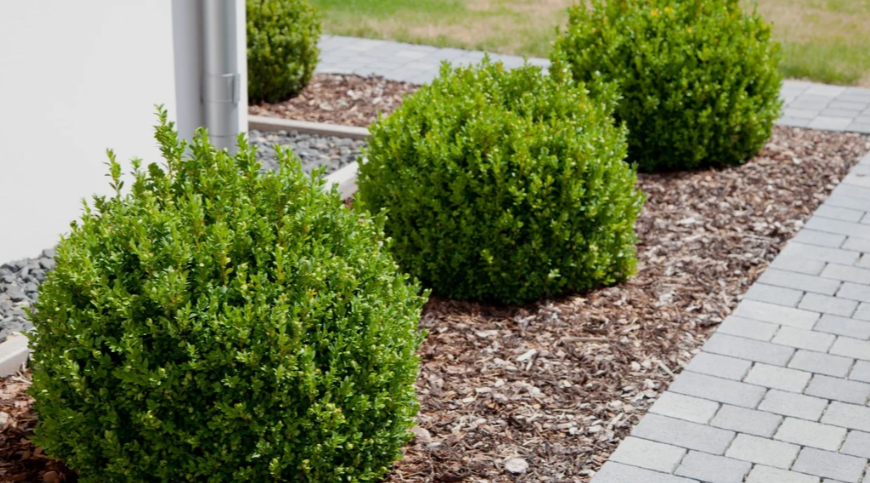
Plant Glencoe boxwood in spring or early fall in a site with moist, well-drained soil. It grows well in full sun to full shade. A site with morning sun and afternoon shade often gives the best winter color, since plants in full sun may bronze slightly in winter. Avoid low, wet spots, since boxwood roots are prone to rot in soggy soil.
For a continuous low hedge, space plants about 2 to 3 feet apart, measuring from the center of each plant. Glencoe’s broad growth will fill the gaps within a few seasons. Dig each hole about twice as wide as the root ball but no deeper. Set the plant so the top of the root ball is level with or slightly above the surrounding soil. Backfill, water deeply, and spread 2 to 3 inches of mulch around the plants, keeping it a few inches away from the stems.
Also Read: Best Boxwoods For USDA Zone 3
Seasonal Care Through the Year
In spring, apply a light dose of slow-release fertilizer if growth seemed weak the previous year. Remove any winter-damaged branches once new growth begins. Late spring to early summer, after the first flush of growth hardens, is the best time to shear hedges into shape. Glencoe grows at a moderate pace, so 1 or 2 light shearings per year usually keep it neat.
During summer, water about 1 inch per week in dry weather, and inspect plants regularly for pests. In fall, avoid fertilizing and heavy pruning, both of which encourage tender growth that is easily damaged by cold. Water deeply before the ground freezes. In exposed sites, set up a burlap screen on the windward side for winter. After heavy snowfalls, gently brush snow off branches to prevent breakage.
Troubleshooting Common Problems
The most common problem with Glencoe boxwood is boxwood leafminer. Glencoe is very susceptible to this small fly, whose larvae feed inside the leaves and cause blister-like swellings and yellowing. The Purdue Landscape Report identifies leafminer as one of the main pest threats to boxwood. Plants with heavy infestations may need treatment, and gardeners who struggle with leafminer may prefer more resistant varieties.
Winter burn appears as orange-brown or tan leaves, usually on the side facing the wind or afternoon sun. It can be reduced with good fall watering, wind protection, and a sheltered planting site. Glencoe shows variable results with boxwood blight, so watch for dark leaf spots, sudden leaf drop, and black streaks on stems, especially in humid weather. It is not among the varieties University of Wisconsin–Madison Extension lists as documented blight resistant.
Like all boxwoods, Glencoe is susceptible to the box tree moth, an invasive caterpillar spreading through parts of the Midwest and Northeast. Check plants from spring through fall for chewed leaves, webbing, green-black droppings, and green and black striped caterpillars. Early detection makes the moth much easier to manage.
Also Read: Best Boxwood Varieties For Zone 6
Why Gardeners Still Choose Glencoe
Despite its leafminer weakness, Glencoe remains a popular boxwood for good reasons. It is reliably cold hardy, generally rated to Zone 4b or 5. It keeps good color through most winters and forms a uniform shape that suits formal hedges. It also tolerates sun and shade, and the Dawes Arboretum reports that it is highly resistant to feeding by deer and rabbits.
For northern gardeners who want the elegant look of English boxwood without its winter tenderness, Glencoe is still one of the most dependable choices available. Planted in a well-drained, sheltered site and inspected regularly for pests, it can provide decades of year-round structure in the garden.
Sources
Purdue Landscape Report, “Blight, Leafminers, and Moths: The Plight of Boxwoods”
Chicago Botanic Garden, “Buxus ‘Glencoe’”
International Society for Horticultural Science, “The Chicagoland Grows Plant Introduction Program”