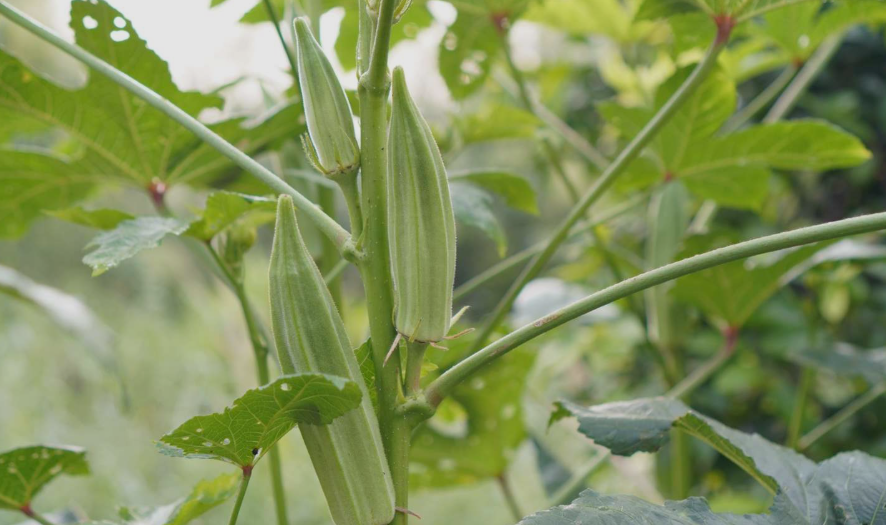
Okra varieties range from tall heirloom plants with long, ribbed green pods to compact hybrids, smooth “velvet” types and showy red-podded forms. Okra is grown for its tender young seed pods, which are fried, pickled, grilled and stewed, and which thicken soups such as Louisiana gumbo. It is one of the few vegetables that thrives in the hottest weeks of summer.
Okra belongs to the mallow family and is related to hibiscus and cotton, which shows in its large, pale yellow flowers with dark red centers. The University of Arizona notes that okra spread from Africa through the Mediterranean, the Balkans and India, arrived in Brazil in the 1600s and then reached New Orleans and Philadelphia. It is believed to have originated in northeastern Africa, in the region of Ethiopia and the upper Nile.
Okra goes by many names around the world, including ladies’ fingers in Britain, bhindi in India, bamia in the Middle East and quiabo in Brazil. The word gumbo comes from a Bantu word for okra from Central and West Africa. Today okra is grown widely across India, Africa, the Middle East, Brazil and the American South.
Okra grows quickly in warm soil, and most varieties start producing pods about 50 to 60 days after sowing. Pods are best picked young, when they are 2 to 4 inches long, because they turn tough and woody within days. The 16 okra varieties below include classic heirlooms, modern hybrids, red types and specialty forms, along with where each one was developed or is grown today.
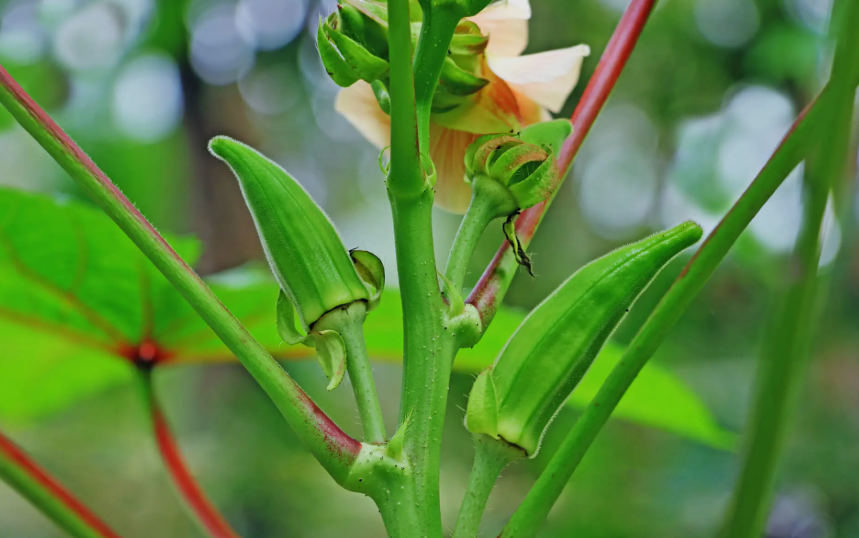
1. Clemson Spineless
Clemson Spineless is the most popular okra variety in the United States. Its pods are medium green, ribbed and slightly angular. They have few of the prickly spines that older types carry. The plant grows 4 to 5 feet tall. It begins producing about 55 days after sowing. It yields heavily through summer.
North Carolina State University records that it was bred at the South Carolina Agricultural Experiment Station in Clemson as a selection from the older variety Perkins. It won an All-America Selections award in 1939. It became the standard against which other okra varieties are measured. It is a parent of many later varieties. It is easy to grow from seed. It was developed in South Carolina and is grown throughout the American South and worldwide.
2. Clemson Spineless 80
Clemson Spineless 80 is an improved version of the classic Clemson Spineless. Its pods are bright green, ribbed and spineless. They are uniform in size and shape. The plant grows about 4 feet tall. It produces slightly earlier than the original. It yields heavily.
It was selected for more uniform plants and pods. It is popular with commercial growers. It is often used as a standard in variety trials. North Dakota State University has tested it against newer hybrids in home garden trials. It is easy to grow and reliable. It is grown throughout the United States.
3. Emerald
Emerald is a smooth-podded okra. Its pods are round, dark green and spineless. They lack the deep ridges of most okra. They stay tender at a larger size than many varieties. The plant is tall and vigorous. It produces over a long season.
It was bred by the Campbell Soup Company from a mix of older varieties, including Clemson Spineless, Louisiana Green and Cow Horn. Texas A&M has long recommended it for home gardens. Its smooth pods are prized for slicing and freezing. It is a favorite for frying. It is also sold as Emerald Green Velvet. It was developed in New Jersey and is grown throughout the American South.
4. Louisiana Green Velvet
Louisiana Green Velvet is a smooth, round-podded heirloom okra. Its pods are green, velvety and spineless. They can grow 6 to 8 inches long and stay tender. They keep their color well when cooked. The plant is tall and vigorous. It tolerates heat and humidity well.
It was developed at the Fruit and Truck Experiment Station in Hammond, Louisiana. It was bred for canning and freezing. It won an All-America Selections award in 1941. It is a traditional choice for gumbo. It produces over a long season in hot climates. It was developed in Louisiana and is grown throughout the Gulf Coast and the American South.
5. Perkins Long Pod
Perkins Long Pod is an old Southern heirloom. Its pods are bright green, ribbed and long. They can reach 8 inches long. The plant grows about 5 feet tall. It is vigorous and productive. It has some spines on its pods.
It is one of the parents of Clemson Spineless. It is popular for canning and pickling. Its pods should still be picked young for the best texture. It is an open-pollinated variety, so seed can be saved. It does well in hot summers. It is grown mainly in the American South.
6. Lee
Lee is a compact, spineless okra. Its pods are deep green, straight and ribbed. They are spineless and tender. The plant is shorter and more compact than most okra. Its pods are easy to reach. It produces well over a long season.
It was bred at the University of Arkansas from Clemson Spineless, Emerald and other varieties. Texas A&M recommends it for home gardens. Its compact size makes harvesting easier. It suits small gardens and raised beds. It is an open-pollinated variety. It was developed in Arkansas and is grown throughout the southern United States.
7. Jade
Jade is an open-pollinated okra from Arkansas. Its pods are dark green, straight and slender. They are spineless and tender. The plant is tall and productive. It produces early in the season. It yields heavily through summer.
It was developed by the University of Arkansas. It is valued for its uniform, dark green pods. It is popular with home gardeners and market growers. It is an open-pollinated variety, so seed can be saved. It does well in hot summers. It was developed in Arkansas and is grown in the southern United States and South Africa.
8. Annie Oakley II
Annie Oakley II is a popular hybrid okra. Its pods are bright green, slender and spineless. They hold their tenderness well on the plant. The plant is compact, about 4.5 feet tall. It matures very early, in about 50 days. It yields heavily.
North Carolina State University notes that it matures early, reaches about 4.5 feet tall and usually has a prolific yield. Its short spacing between leaves keeps it compact. It was bred by Petoseed and released around 1990. It is popular for both fresh market and home gardens. It suits areas with shorter summers. It is grown throughout the United States.
9. Cajun Delight
Cajun Delight is an early hybrid okra. Its pods are dark green, smooth and spineless. They are 3 to 5 inches long when picked. The plant grows about 4 feet tall. It produces heavily early in the season. Its pods ripen at about the same time.
It was bred by Petoseed and released in the late 1980s. It won an All-America Selections award. It produces earlier than Clemson Spineless. Its compact plants make picking easier. It is popular for gumbo, as its name suggests. It is grown throughout the United States, especially in Louisiana and the Gulf Coast.
10. Jambalaya
Jambalaya is a compact hybrid okra. Its pods are shiny, dark green and uniform. They are spineless and tender. The plant is short and bushy. It begins producing early. It does not grow too tall to pick easily.
Gardeners value it for its early yields and manageable height. North Dakota State University has tested a newer version, Jambalaya 2.0, in home garden trials. It suits short-season and northern gardens. It works well in containers and raised beds. It produces heavily over several weeks. It is grown throughout the United States.
11. Red Burgundy
Red Burgundy is a striking red okra. Its pods are deep burgundy-red. Its stems and leaf veins are also red. Its pods stay tender up to 6 to 8 inches long. The plant grows 3 to 4 feet tall. Its flowers are pale yellow with dark centers.
It was developed by Leon Robbins at Clemson University. It won an All-America Selections award in 1988. It is as ornamental as it is edible. Its pods turn green when cooked. They keep their red color when pickled or eaten raw. It was developed in South Carolina and is grown throughout the United States.
12. Red Velvet
Red Velvet is a red-podded okra. Its pods are scarlet red and about 5 inches long. Its stems are deep red. Its leaves are green. The plant grows tall. It produces later than many green varieties.
It is grown for both food and ornament. Its pods are best picked young. They lose much of their red color when cooked. It is popular in edible landscapes. It is an open-pollinated variety. It is grown in home gardens throughout the United States.
13. Hill Country Red
Hill Country Red is a Texas heirloom okra. Its pods are thick and green with a red blush. Its stems are tinged red. The plant grows tall, up to about 6 feet. It is vigorous and drought-tolerant. It produces well in hot, dry summers.
It is said to have come from the Texas Hill Country. It tolerates heat and dry conditions better than many varieties. Its pods stay tender at a larger size. It is an open-pollinated variety. It is popular with seed savers. It originated in central Texas and is grown in Texas and the Southwest.
14. Cow Horn
Cow Horn is an old heirloom okra with long, curved pods. Its pods are green, thick and ribbed. They curve like a cow’s horn. They can grow 10 to 12 inches long. The plant grows very tall, often 7 feet or more. It is very productive.
It has been grown in the American South since at least the 1800s. It is a parent of the Emerald variety. Its pods are best picked young for tenderness. It needs a long, hot season. It is popular with heirloom gardeners. It is grown mainly in the American South.
15. Star of David
Star of David is an heirloom okra with deeply ridged pods. Its pods are short, thick and pale green. Their deep ridges give them a star shape when sliced. The plant grows very tall, up to 7 to 9 feet. Its leaves are often purple-tinged. It produces heavily.
Its pods are thicker and meatier than most varieties. They stay tender even when larger. Its sliced pods look attractive in dishes. It needs plenty of room and a long, hot season. It is an open-pollinated variety. It comes from the eastern Mediterranean and Middle East and is grown by heirloom gardeners in the United States.
16. Blondy
Blondy is a compact okra with pale pods. Its pods are creamy lime-green. They are short, ribbed and spineless. The plant grows only about 3 feet tall. It produces early. It yields heavily for its size.
Its pale pods stand out from typical green okra. It suits small gardens and containers. It does well in cooler areas with shorter summers. It is easy to pick because of its compact height. It is an open-pollinated variety. It is grown in home gardens in the United States and South Africa.
Sources:
- University of Arizona: Okra
- North Carolina State University: Vegetable Cultivar Descriptions for North America, Okra
- North Carolina State University, Henderson County: Okra, a Southern Tradition in Every Garden
- North Dakota State University: 2025 okra trial
- University of Arizona: Growing Okra
- 64 Parishes: Okra
- Growables: Okra cultivars
- Reimer Seeds: Okra catalog
- Living Seeds: Okra