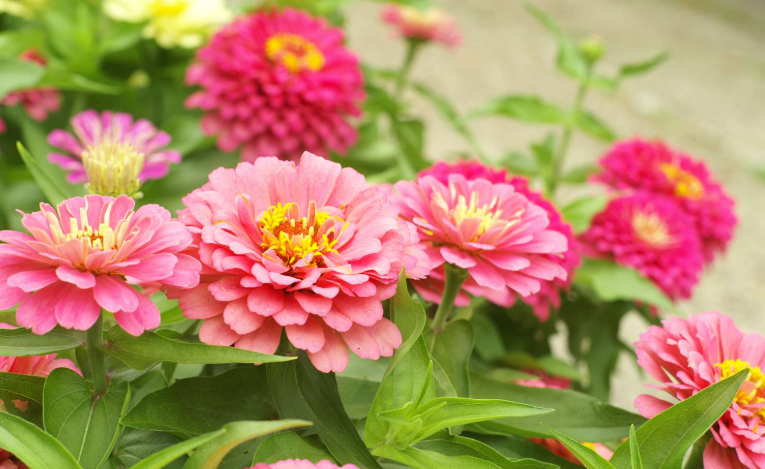
Zinnias belong to the daisy family and are native mostly to Mexico, with a handful of species stretching up into the southwestern United States and down into South America. The genus contains around 20 to 22 recognized species, ranging from small, ground-hugging wildflowers to tall, showy garden giants. Their popularity as garden flowers exploded after 18th-century plant collectors carried seed from Mexico back to Europe, and today zinnias are grown on every continent except Antarctica.
What makes zinnias such a garden staple is their speed and reliability. Most varieties germinate within 5 to 7 days of sowing and produce their first blooms in as little as 60 days, making them one of the fastest annuals to reward a gardener with color. A single well-tended plant can produce anywhere from 10 to 20 blooms over a single growing season, and cutting the flowers regularly only encourages more growth — a trait gardeners call “cut and come again.”
Zinnias also come in an enormous range of sizes and forms. Height varies from compact 6-inch bedding types to towering 4-foot cutting-garden varieties, and flower diameter can range from under an inch on wild species to nearly 6 inches across on the largest cultivated forms. Petal arrangement varies just as widely, with breeders having developed single, double, semi-double, cactus-spined, and pompon-shaped flower heads, in almost every color except true blue.
Beyond their beauty, zinnias play an important ecological role. Studies of pollinator gardens have found that zinnia beds can attract over 15 species of butterflies in a single season, along with bees and hummingbirds, making them a favorite of habitat gardeners. Their combination of fast growth, long bloom windows of 10 to 12 weeks, and wide color range explains why zinnia seed remains among the top-selling flower seed categories at garden retailers year after year.
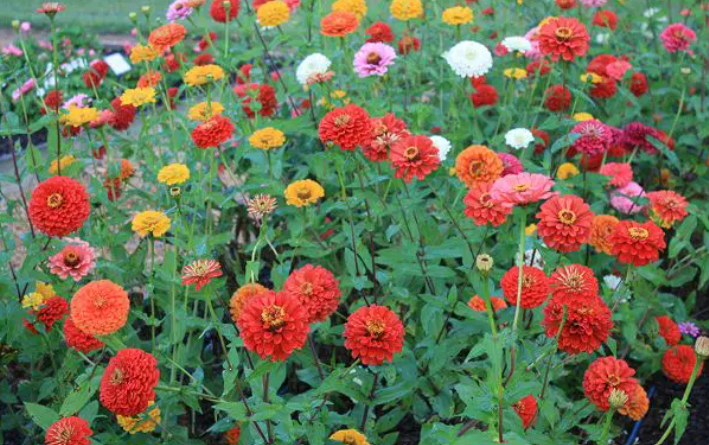
Types of Zinnia Flowers
Cactus Zinnia
Named for its shaggy, spiky-looking petals that curl and twist like the spines of a cactus, this type produces blooms up to 5 inches wide. The rolled, quilled petals give the flower a shaggy, almost chrysanthemum-like texture that sets it apart from flatter varieties. Plants typically reach 24 to 30 inches tall and are a favorite for cut-flower arrangements because the blooms hold their shape for over a week in a vase.
Dahlia-Flowered Zinnia
This type mimics the broad, layered petals of a dahlia, with fully double blooms that can reach 4 to 6 inches across. It’s one of the largest-flowered zinnia types available, growing on sturdy stems 30 to 40 inches tall. Gardeners often grow it specifically for cutting gardens, since each plant can produce more than 15 blooms per season.
Pompon Zinnia
Compact and rounded, the pompon type produces small, tightly packed flower heads only 1 to 2 inches across that resemble little pom-poms. Plants stay relatively short, usually 18 to 24 inches, making them well suited to borders and containers. A single plant can produce dozens of blooms, often over 25 in a season, due to its compact flower size.
Button Zinnia
Even smaller than the pompon type, button zinnias produce miniature blooms under an inch wide, packed densely with petals. Their small size makes them ideal for edging beds or filling gaps in mixed containers. Plants grow 12 to 18 inches tall and tend to flower prolifically, often producing 30 or more blooms per plant.
Spider Zinnia
Spider zinnias have narrow, quill-like petals that radiate outward in a loose, airy pattern, giving the bloom a spidery or starburst appearance. Flower heads typically measure 2 to 3 inches across on plants reaching 20 to 30 inches tall. Their unusual texture makes them popular in modern, wildflower-style cutting gardens.
Giant Zinnia
As the name suggests, this type is bred for maximum size, with blooms regularly reaching 5 to 6 inches in diameter. Plants can grow to an impressive 40 inches tall, towering over most other bedding annuals. Because of their height and bloom size, giant zinnias are a top choice for back-of-border plantings and county fair flower competitions.
Benary’s Giant Zinnia
A widely grown commercial cutting variety, Benary’s Giant produces fully double blooms 4 to 6 inches wide on strong, disease-resistant stems up to 48 inches tall. It’s especially popular with cut-flower farmers because it holds up well in heat and humidity. A single planting can yield harvests over a 10- to 12-week cutting window.
State Fair Zinnia
An heirloom variety dating back over 80 years, State Fair Zinnia produces large, double blooms 4 to 5 inches across in a broad color mix. Plants reach 30 inches tall and are known for exceptional vigor even in poor soil. It remains one of the most widely saved heirloom seed types among home gardeners.
California Giant Zinnia
This tall heirloom type produces fully double, 4- to 6-inch blooms on stems reaching up to 40 inches. It’s prized for its long, sturdy stems, which make it one of the best types for cut-flower bouquets. A healthy plant can bloom continuously for 8 to 10 weeks once established.
Profusion Zinnia
A modern hybrid series bred for disease resistance and compact growth, Profusion zinnias stay under 18 inches tall while producing an abundance of 2-inch blooms. A single plant can produce over 100 flowers across a season thanks to its mounding, self-cleaning growth habit. This series is highly resistant to powdery mildew, a common zinnia disease.
Zahara Zinnia
Similar to Profusion but with slightly larger flowers up to 3 inches wide, the Zahara series is bred for exceptional heat and drought tolerance. Plants stay compact at 12 to 18 inches and are widely used in landscape plantings because of their low maintenance needs. Trial gardens have reported bloom counts exceeding 80 flowers per plant in a single season.
Magellan Zinnia
A dwarf, large-flowered hybrid, Magellan Zinnia produces blooms up to 5 inches across on plants only 12 to 14 inches tall. This unusual combination of big flowers on a short plant makes it popular for container gardening. It typically flowers within 65 days of sowing.
Thumbelina Zinnia
One of the smallest zinnia types available, Thumbelina grows just 6 to 8 inches tall with tiny 1-inch double blooms. Its miniature size makes it perfect for edging, rock gardens, and window boxes. Despite its small stature, a single plant can still produce 20 or more blooms per season.
Lilliput Zinnia
Slightly larger than Thumbelina, Lilliput Zinnia produces double, pompon-style blooms about 1.5 inches wide on plants reaching 18 to 24 inches. It’s an old heirloom class dating back more than a century of cultivation. Its dense flowering habit means a mature bed can appear almost solid with color.
Persian Carpet Zinnia
This heirloom type is known for its bicolor and tricolor blooms, often combining rust, gold, and burgundy in a single 2-inch flower. Plants grow 12 to 18 inches tall and have a low, spreading habit. Because no two blooms look exactly alike, it’s a favorite among gardeners who want visual variety in one packet of seed.
Envy Zinnia
Envy Zinnia is notable for its unusual chartreuse-green, double blooms measuring 2 to 3 inches across, a rare color among garden annuals. Plants reach 24 to 30 inches tall and are frequently used by florists to add an unexpected color note to arrangements. Its unusual hue has made it one of the most searched-for specialty zinnia types in recent years.
Queen Lime Zinnia
Part of the popular “Queen” series, Queen Lime produces soft lime-green, semi-double to double blooms about 3 to 4 inches wide. Plants grow 30 to 40 inches tall, ideal for cutting gardens. Its muted, antique color palette has made it a favorite among wedding florists.
Queen Red Lime Zinnia
A variation within the Queen series, this type blends deep red centers with lime-green outer petals on blooms 3 to 4 inches across. Plants reach a similar height of 30 to 40 inches and share the same strong stems suited for bouquets. Its two-tone coloring makes each flower appear slightly different as it matures.
Queen Lime Orange Zinnia
This Queen series variant combines soft orange tones with the classic lime-green base color, producing blooms around 3.5 inches wide. It grows on tall, 30- to 40-inch stems well suited for cut-flower production. Growers often note that the color deepens as the bloom ages over its 7- to 10-day vase life.
Queen Lime Blush Zinnia
A softer, pastel-toned member of the Queen series, this type produces blush-pink and lime-green bicolor blooms roughly 3 to 4 inches across. Like its relatives, it grows 30 to 40 inches tall on sturdy stems. Its subtle coloring has made it especially popular in the cut-flower and wedding trade over the past decade.
Zinderella Peach Zinnia
Zinderella Peach produces semi-double, scabiosa-shaped blooms in soft peach tones, with a distinctive pincushion center. Plants reach 24 to 36 inches tall and produce flowers around 2 to 3 inches wide. The unusual double-layered bloom structure sets the entire Zinderella series apart from standard zinnia forms.
Zinderella Lilac Zinnia
A lilac-purple variation within the Zinderella series, this type shares the same pincushion-style bloom about 2 to 3 inches across. Plants grow to a similar height of 24 to 36 inches. Its soft, cool coloring makes it a popular pairing with the peach and white Zinderella types in mixed bouquets.
Zinderella Purple Zinnia
This deeper purple member of the Zinderella series produces the same scabiosa-form blooms, roughly 2 to 3 inches wide, on 24- to 36-inch plants. Its richer color makes it a standout in cut-flower mixes. Like the rest of the series, it typically reaches full bloom within 75 to 80 days of sowing.
Zinderella White Zinnia
The palest member of the Zinderella series, this type produces creamy white, pincushion-style blooms about 2 to 3 inches across. Plant height matches the rest of the series at 24 to 36 inches. It’s often used to soften and brighten mixed arrangements built around darker Zinderella colors.
Oklahoma Salmon Zinnia
Part of the compact Oklahoma series, this variety produces small, double, salmon-pink blooms about 1.5 to 2 inches wide on 30- to 40-inch plants. The Oklahoma series is prized by flower farmers for its high yield, with some growers reporting over 12 stems harvested per plant across a season. Its scabiosa-like double form makes it a popular filler flower.
Oklahoma White Zinnia
This white-flowered Oklahoma series type produces the same small, 1.5- to 2-inch double blooms on tall, 30- to 40-inch stems. It is especially popular in wedding floral work because of its clean, neutral color. Like other Oklahoma types, it blooms reliably within about 75 days from seed.
Oklahoma Scarlet Zinnia
A vivid red member of the Oklahoma series, this type produces compact, fully double blooms roughly 2 inches across. Plants grow 30 to 40 inches tall and are known for strong, straight stems ideal for cutting. Its bright color makes it one of the most requested Oklahoma shades among flower farmers.
Oklahoma Yellow Zinnia
This golden-yellow Oklahoma series variety produces small double blooms about 2 inches wide on 30- to 40-inch stems. It shares the series’ reputation for high stem yield and long vase life, often lasting 7 to 10 days after cutting. Its cheerful color makes it a common choice for summer bouquet mixes.
Oklahoma Ivory Zinnia
A soft cream-colored Oklahoma series type, this variety produces 2-inch double blooms on the same tall, productive 30- to 40-inch plants. Its neutral tone pairs well with almost any other color in a mixed arrangement. Like its series relatives, it’s valued for consistently producing more than a dozen usable stems per plant.
Peppermint Stick Zinnia
This novelty heirloom type produces large, 3- to 4-inch double blooms striped and speckled with contrasting colors, giving each flower a candy-cane appearance. Plants grow 24 to 30 inches tall. No two blooms are ever quite identical, which is part of its long-standing appeal to heirloom seed collectors.
Whirligig Zinnia
Whirligig Zinnia produces bicolor, semi-double blooms about 2 to 3 inches wide, often with a contrasting ring of color around the center. Plants reach 24 to 30 inches tall and produce flowers in an unusually wide mix of color combinations from a single seed packet. Its swirling color pattern gives it its distinctive name.
Mexican Zinnia
Also called the narrow-leaf type, this species produces smaller, more delicate blooms about 1 to 2 inches wide in warm shades of red, orange, and yellow. Plants are shorter and bushier than garden hybrids, typically 12 to 18 inches tall. It’s more heat- and drought-tolerant than most large-flowered types, thriving in poor, dry soils.
Old Mexico Zinnia
A heirloom selection within the narrow-leaf group, Old Mexico produces bicolor mahogany-and-gold blooms roughly 1.5 to 2 inches wide. Plants stay compact at 15 to 18 inches, forming dense, bushy mounds. It has been in cultivation for well over 70 years and remains a favorite for its rustic, autumn-toned color palette.
Aztec Sunset Zinnia
Part of a mixed-color narrow-leaf group, Aztec Sunset produces small blooms in warm sunset tones of copper, gold, and burgundy, typically 1.5 inches across. Plants grow 12 to 16 inches tall and tolerate heat exceptionally well. Its compact size and warm coloring make it popular for fall-themed plantings.
Classic Zinnia
This term refers to the traditional single-row, daisy-form zinnia with a single ring of petals around a contrasting center disc. Blooms typically measure 2 to 4 inches across on plants 18 to 36 inches tall depending on the variety. It remains the most recognizable zinnia form and the basis from which most modern hybrids were bred.
Creeping Zinnia
Despite the name, this low, spreading plant is a close relative often grouped with zinnias in seed catalogs, producing small, single, daisy-like blooms under an inch wide. It grows only 6 to 8 inches tall but spreads up to 18 inches wide, making it a popular ground-cover annual. It flowers continuously for up to 12 weeks in warm climates.
Rocky Mountain Zinnia
A wild, drought-hardy species native to the southwestern United States, this type produces small yellow blooms less than an inch wide on low, wiry stems 6 to 10 inches tall. It’s valued in native and xeriscape gardens for surviving on minimal rainfall. Wild populations can bloom for over 3 months during the summer monsoon season.
Desert Zinnia
Another southwestern native, Desert Zinnia produces tiny white to pale-yellow blooms under an inch across on low, shrubby plants only 4 to 6 inches tall. It’s exceptionally drought tolerant, often surviving on less than 10 inches of annual rainfall. This species is commonly used in native plant restoration projects.
Prairie Zinnia
A low-growing native species found across the central and southern Great Plains, Prairie Zinnia produces small yellow-orange blooms about 1 inch wide on mat-forming plants 4 to 8 inches tall. It’s highly tolerant of poor, rocky soil and drought. Because of its toughness, it’s often planted along roadsides and in erosion-control projects.
Little Zin Zinnia
A newer, low-growing hybrid series, Little Zin produces neat, ball-shaped double blooms about 2 inches wide on compact 10- to 12-inch plants. Its tidy, uniform habit makes it popular for mass bedding and container displays. Trial gardens have recorded bloom counts of over 50 flowers per plant in a season.
Double Zahara Zinnia
An extension of the Zahara series bred for fully double flowers, this type produces 2.5-inch blooms on compact, 12- to 18-inch disease-resistant plants. It retains the heat and drought tolerance the Zahara series is known for. Growers report it maintaining strong bloom production even in temperatures above 90°F.
Zahara Starlight Rose
This Zahara series variety features a distinctive bicolor bloom, with a rose-pink outer ring surrounding a white center, typically 2 to 3 inches wide. Plants stay compact at 12 to 18 inches, making it a strong performer in garden beds and containers alike. Its high disease resistance allows it to bloom steadily for up to 12 weeks.
Zahara Fire
A vivid orange-red member of the Zahara series, this variety produces single to semi-double blooms about 2 to 3 inches across on compact, 12- to 18-inch plants. It is especially popular in commercial landscaping for its long bloom period and low maintenance needs. Trial data shows it maintaining color intensity even through extended summer heat.
Zahara Sunburst
This bicolor Zahara variety combines a yellow center with red-orange outer petals, producing blooms roughly 2.5 inches wide. Plant height stays compact at 12 to 18 inches, consistent with the rest of the series. Its striking two-tone pattern makes it a standout in mixed landscape plantings.
Profusion Double Deep Salmon
A double-flowered Profusion series variety, this type produces compact, 2-inch salmon-colored blooms on plants under 18 inches tall. It’s especially valued for continuous flowering, with some growers reporting blooms sustained for over 14 weeks in a single season. Its dense, mounding habit suits both borders and containers.
Profusion Fire
This fiery orange-red Profusion series type produces 2-inch single blooms on compact, mildew-resistant plants around 16 inches tall. It’s a favorite for mass landscape color because of its uniform growth habit. Like other Profusion types, it self-cleans, meaning spent blooms drop away without deadheading.
Profusion Apricot
A soft apricot-orange Profusion variety, this type produces 2-inch blooms on the same compact, 14- to 18-inch mounding plants typical of the series. Its gentle color tone makes it popular in pastel garden schemes. It shares the series’ strong resistance to powdery mildew, a common problem in humid climates.
Profusion Yellow
This bright yellow Profusion series variety produces abundant 2-inch single blooms on compact plants around 16 inches tall. It’s frequently used in municipal and commercial landscaping for its long bloom season, often lasting 10 to 14 weeks. Its low, tidy habit requires little to no pruning.
Profusion White
A crisp white Profusion series type, this variety produces 2-inch single blooms on the same compact, disease-resistant plants around 16 inches tall. It’s often used to brighten mixed plantings or as a stand-alone mass planting. Its long bloom window and drought tolerance make it a favorite among low-maintenance gardeners.
Chartreuse Zinnia
This specialty color type produces yellow-green blooms about 2 to 3 inches wide, similar in tone to Envy Zinnia but often in a single rather than double form. Plants typically grow 24 to 30 inches tall. Its unusual color makes it a popular addition to modern, muted-tone cutting gardens.
Purple Prince Zinnia
An heirloom variety prized for its rich, deep purple, fully double blooms measuring 3 to 4 inches across. Plants grow 24 to 30 inches tall on sturdy stems well suited for cutting. Its saturated color has made it a long-standing favorite in heirloom seed catalogs for more than 50 years.
Scarlet Flame Zinnia
This bright scarlet-red type produces large, semi-double to double blooms 3 to 4 inches wide on plants reaching 24 to 30 inches tall. Its bold color makes it a strong focal point in mixed borders. It typically reaches full bloom about 70 days after sowing.
Giant Cactus-Flowered Mix
A mixed-color selection within the cactus-flowered class, this type produces the same shaggy, quilled blooms up to 5 inches wide, but in a full spectrum of colors from a single seed packet. Plants grow 30 inches or taller. Its variety of colors makes it popular for gardeners who want maximum diversity without planting separate color strains.
Swizzle Zinnia
A bicolor dwarf hybrid, Swizzle Zinnia produces small, 1.5- to 2-inch blooms with contrasting centers and petal tips on compact plants just 10 to 12 inches tall. Its small size and bold color contrast make it popular for container gardening. It typically flowers within 60 days of sowing, among the fastest of all zinnia types.
Torch Zinnia
This narrow-leaf type produces fiery orange-red blooms about 1.5 to 2 inches wide on bushy, heat-tolerant plants 12 to 18 inches tall. It’s closely related to the Mexican Zinnia group and shares its strong drought tolerance. Its vivid color and compact form make it popular in hot, dry climate gardens.
Big Red Zinnia
Bred for size within the narrow-leaf group, Big Red produces deep red blooms about 2 inches wide on 18- to 24-inch plants, larger than most other narrow-leaf types. It maintains the group’s characteristic heat tolerance while offering a bolder color statement. It’s a popular choice for gardeners wanting drought tolerance without sacrificing bloom size.
Jazzy Mix Zinnia
This mixed-color narrow-leaf selection produces small, 1.5-inch bicolor blooms in warm combinations of red, orange, and gold. Plants grow 12 to 16 inches tall in a bushy, spreading habit. Its wide color variation from a single packet makes it popular for informal cottage-garden plantings.
Red Spider Zinnia
A red-flowered form within the spider-petaled class, this type produces narrow, quill-shaped petals on blooms 2 to 3 inches wide. Plants reach 20 to 30 inches tall, consistent with other spider types. Its bold red color combined with its airy petal form makes it a striking addition to cut arrangements.
Green Envy Zinnia
Closely related to standard Envy Zinnia, this variation emphasizes an even more saturated lime-green tone across its 2- to 3-inch double blooms. Plants grow to a similar height of 24 to 30 inches. Its unusual green coloring continues to make it one of the most sought-after specialty cut flowers among florists.
White Star Zinnia
This crisp white, single-flowered type produces classic daisy-form blooms about 2 to 3 inches wide on 18- to 24-inch plants. Its clean color makes it a popular choice for moon gardens and all-white flower beds. It typically blooms continuously for 8 to 10 weeks once established.
Candy Mix Zinnia
A dwarf, mixed-color hybrid, Candy Mix produces small double blooms about 2 inches wide in a broad range of pastel and bright colors. Plants stay compact at 12 to 16 inches, suiting borders and containers. A single packet can yield more than a dozen distinct color variations.
Fireworks Zinnia
This novelty type produces speckled and streaked blooms about 2 to 3 inches wide, with color patterns that resemble bursts of fireworks across each petal. Plants grow 20 to 28 inches tall. Because the streaking pattern varies naturally from bloom to bloom, no two flowers ever look identical.
Polar Bear Zinnia
A pure white, large-flowered type, Polar Bear produces double blooms 4 to 5 inches wide on tall, 30- to 36-inch stems. Its clean white color and large size make it a favorite for wedding bouquets and formal arrangements. It typically produces its first blooms within 70 to 75 days of sowing.
Blue Point Zinnia
Despite its name, this type doesn’t produce a true blue bloom — no zinnia does — but rather a cool violet-lavender tone across double blooms 4 to 5 inches wide. Plants grow tall, often reaching 36 to 40 inches. Its unusual cool coloring makes it one of the more unusual entries in large-flowered cutting mixes.
Exquisite Zinnia
An heirloom double type, Exquisite Zinnia produces rounded, dahlia-like blooms 3 to 4 inches wide with a distinctive darker outer ring of petals. Plants grow 24 to 30 inches tall. Its old-fashioned, two-toned color pattern has kept it popular among heirloom flower collectors for generations.
Illumination Zinnia
This bright, fully double type produces vivid rose-pink to salmon blooms 3 to 4 inches wide on strong, 30-inch stems. It’s favored by cut-flower growers for its long, straight stems and extended vase life of up to 10 days. It typically reaches peak bloom production about 75 to 80 days after sowing.