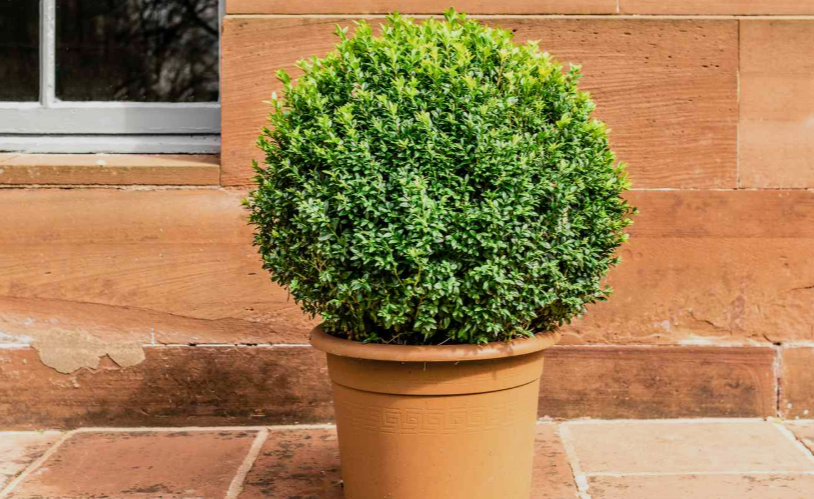
Learning how to grow and care for boxwood in Canada means planning for long winters, drying winds, heavy snow, and road salt. Gardeners in milder climates rarely face all of these at once. Boxwood is still one of the most popular evergreen shrubs in Canadian gardens. It is prized for its small, glossy leaves, dense growth, and ability to be clipped into hedges, globes, and formal edging. With the right varieties and a few seasonal habits, it can thrive from the Lower Mainland and Vancouver Island to southern Ontario, Quebec, and the Maritimes.
Canada also has a special place in boxwood history. Sheridan Nurseries in Ontario obtained Korean boxwood seedlings from Harvard University’s Arnold Arboretum in 1922. In the 1960s, crosses made at its Oakville farm produced the famous Sheridan hybrids, including ‘Green Velvet’, ‘Green Gem’, and ‘Green Mountain’. These hybrids combine the cold hardiness of Korean boxwood with the richer winter colour of English boxwood, and they remain among the best choices for Canadian gardens today.
Most boxwoods grow best in Canadian hardiness zones 5 through 7. The hardiest Sheridan hybrids survive in sheltered sites in zone 4. On the Prairies and in other very cold regions, boxwood is marginal and needs the most protected spots in the garden. Gardeners in those areas often have better results with hardy alternatives.
Winter damage is the most common boxwood problem in Canada. Cold winds and bright winter sun pull moisture from the leaves while the ground is frozen, causing the orange-brown discolouration known as winter burn. Snow and ice can also split branches, and salt spray from roads and sidewalks damages foliage along driveways and streets.
Canadian gardeners also face a newer threat: the box tree moth. The Canadian Food Inspection Agency confirmed it in an urban Toronto neighbourhood in 2018, the first confirmed report of the pest in North America. Its caterpillars can strip boxwood of its leaves, and the moth has since spread across much of the Greater Toronto Area and beyond.
The good news is that healthy, well-sited boxwood can withstand Canadian conditions for decades. The 16 steps below cover choosing the right variety, planting, watering, pruning, winter protection, and managing pests.
16 Steps for Growing and Caring for Boxwood in Canada
1. Choose Cold-Hardy Varieties
Choose boxwoods bred for northern climates. The Sheridan hybrids are among the best for Canada. ‘Green Velvet’ forms a rounded shrub about 3 feet tall and 4 feet wide, ‘Green Gem’ is a slow-growing globe, and ‘Green Mountain’ grows into an upright pyramid. Korean boxwood types such as ‘Winter Gem’ and ‘Wedding Ring’ are also very hardy, while English boxwood is best kept to the mildest coastal areas.
2. Pick a Sheltered Site
Plant boxwood where it is protected from strong winter winds and harsh afternoon sun. East-facing or north-facing sides of buildings, courtyards, and spots near fences or evergreen hedges are ideal. Avoid open, windswept sites, which greatly increase winter burn. Boxwood tolerates partial shade well, so a site with morning sun and afternoon shade works in most regions.
Also Read: Different Types of Boxwood Shrubs
3. Keep Away From Road Salt
Road salt and salt spray are serious threats to boxwood in Canadian cities and suburbs. Avoid planting boxwood right next to driveways, sidewalks, and busy roads, where salty slush and spray collect. If you must plant near these areas, place the shrubs as far back as possible. Use salt-free de-icers nearby.
4. Prepare Well-Drained Soil
Boxwood needs well-drained soil and quickly declines in soggy ground. Mix compost into heavy clay soils to improve drainage, or plant in a raised bed. A slightly acidic to neutral pH suits boxwood well, and most Canadian garden soils need little adjustment. Avoid low spots where snowmelt collects in spring.
5. Plant at the Right Time
Plant boxwood in spring, after the ground thaws, or in early fall, at least 6 weeks before the ground freezes. Early planting gives roots time to establish before winter. Avoid planting late in fall, when young shrubs have little chance to root and are much more prone to winter damage.
6. Plant at the Correct Depth
Boxwood has shallow, fine roots that are easily damaged by planting too deep. Dig a hole twice as wide as the root ball but no deeper, and set the shrub so the top of the root ball sits level with or slightly above the surrounding soil. Backfill with native soil mixed with a little compost, then water deeply to settle the roots.
7. Space Plants for Airflow
Give boxwood enough space for air to circulate between plants. Good airflow helps foliage dry quickly and reduces fungal disease. For low hedges, space smaller varieties about 12 to 18 inches apart and larger types 2 to 3 feet apart. Avoid crowding boxwood against walls or other shrubs.

8. Water Deeply and Consistently
Water newly planted boxwood deeply once or twice a week during its first growing season. Established plants need about 1 inch of water per week in dry weather. Water at the base of the plant rather than over the leaves. Consistent moisture through summer helps boxwood build the strength it needs to survive winter.
9. Water Well Before Freeze-Up
Fall watering is one of the most important steps in preventing winter burn. Give boxwood a deep soaking in late fall, before the ground freezes, especially after a dry autumn. Well-watered plants enter winter with more moisture in their leaves and stems. That helps them resist drying winds and sun.
10. Mulch to Protect Roots
Spread 2 to 3 inches of shredded bark or compost around boxwood to keep the shallow roots cool in summer and insulated in winter. Mulch also helps conserve moisture and reduces weeds. Keep mulch a few inches away from the stems, since mulch piled against the trunk can encourage rot and give shelter to voles.
Also Read: Boxwood Disease
11. Fertilize Lightly in Spring
Boxwood needs little fertilizer. Apply a light dose of balanced, slow-release fertilizer in early spring as new growth begins, especially if growth is weak or leaves look pale. Avoid fertilizing after midsummer. Late feeding encourages soft new growth that winter cold can easily damage.
12. Prune at the Right Time
Prune boxwood in late spring or early summer, after the first flush of new growth has hardened. Light shearing keeps hedges and globes neat. Every few years, thin the interior by removing a few small branches to let in light and air. Avoid heavy pruning in late summer or fall, which leaves tender new growth exposed to winter damage.
13. Protect Against Snow Damage
Heavy, wet snow can split and flatten boxwood branches. Gently brush snow off shrubs after storms, sweeping upward rather than shaking hard. For multi-stemmed plants in snowy regions, loosely tie the branches together with soft twine in late fall. Keep shovelled snow, which is often salty, from being piled on top of boxwood.
14. Shield Plants From Winter Wind and Sun
In exposed sites, set up a burlap screen on the windward and sunny sides of boxwood after the ground freezes. Leave space between the burlap and the shrub, and leave the top open so air can circulate. Avoid wrapping plants tightly, which traps moisture and causes damage. An anti-desiccant spray applied in late fall can also help reduce moisture loss.
15. Watch for Box Tree Moth
Inspect boxwood regularly from spring through early fall for signs of box tree moth. Look for chewed leaves, green-black droppings, silk webbing, and lime-green caterpillars with black stripes. In Ontario, the moth has 2 generations per year. Landscape Ontario recommends treating with BTK, a biological insecticide that targets caterpillars, only when larvae are present.
16. Inspect and Recover in Spring
In early spring, check boxwood for winter burn, broken branches, and pest damage. Remove burlap once the ground thaws and harsh winds subside. Prune out dead or damaged branches back to healthy green wood. Most boxwoods with mild winter burn will regrow new leaves by early summer, especially if they are watered and lightly fertilized.
Sources
Canadian Food Inspection Agency, “Box Tree Moth: Fact Sheet”
Invasive Species Centre, “Box Tree Moth”
Landscape Ontario, “Box Tree Moth: Information for Landscape Professionals”
University of Arkansas Cooperative Extension, “Plant of the Week: Green Velvet Boxwood”