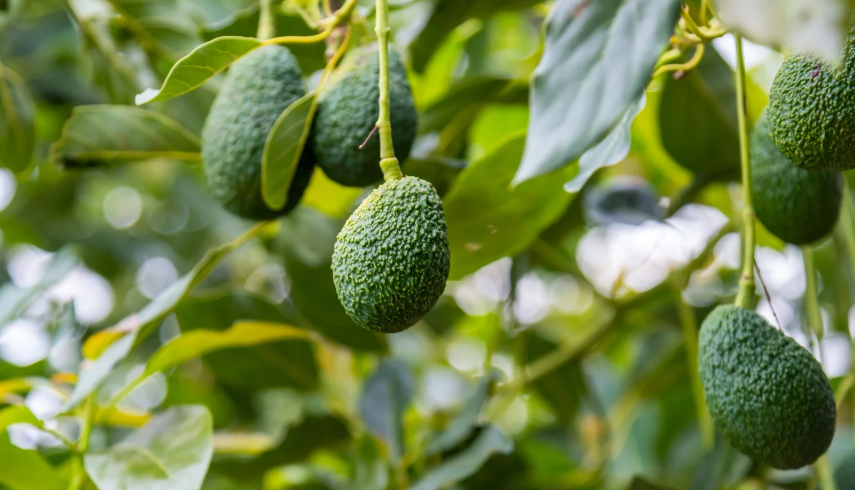
Avocados are one of the most commercially significant and nutritionally dense fruits in the world, with global production exceeding 8 million metric tons annually and a market value that has grown dramatically over the past two decades as consumer awareness of the fruit’s health benefits has expanded across new markets. Native to south-central Mexico and Central America, where evidence of avocado consumption dates back approximately 10,000 years, the avocado has evolved from a regional staple food into one of the most traded and consumed fruits on the planet, with the United States alone importing over 2 billion pounds of avocados annually. The fruit’s extraordinary nutritional profile, including healthy monounsaturated fats, potassium levels exceeding those of bananas, and significant quantities of vitamins K, C, B5, B6, and E, has driven what many food industry analysts describe as an avocado boom that shows no signs of slowing.
Avocado varieties are broadly classified into three horticultural races — Mexican, Guatemalan, and West Indian — each originating from distinct geographic regions and differing significantly in cold tolerance, fruit characteristics, oil content, and skin texture. The Mexican race, originating from the highlands of Mexico, produces small-fruited varieties with thin, smooth skin and the highest oil content of any race, along with the best cold tolerance, surviving temperatures as low as minus 7 degrees Celsius. The Guatemalan race, from the cooler highland regions of Guatemala, produces medium to large fruits with thick, rough skin that often turns dark at maturity, with good oil content and moderate cold tolerance. The West Indian race, adapted to tropical and subtropical lowland conditions throughout the Caribbean and Central America, produces the largest fruits with the lowest oil content and the least cold tolerance, rarely surviving temperatures below 2 degrees Celsius.
Commercial avocado production is dominated by a remarkably small number of varieties despite the existence of hundreds of named cultivars, with the Hass variety alone accounting for approximately 80% of all avocados produced and consumed worldwide. This extraordinary market concentration around a single variety reflects Hass’s exceptional combination of flavor, shelf life, shipping durability, and the way its skin color change from green to purple-black signals ripeness to consumers — a characteristic that has proven enormously valuable in retail settings. The global Hass avocado market is valued at billions of dollars annually, with Mexico being the largest producer by a substantial margin, supplying approximately 30% of global avocado production.
The breeding and selection of new avocado varieties is an ongoing area of horticultural research, with institutions including the University of California and research centers in Israel, South Africa, Australia, and New Zealand working to develop cultivars that combine improved flavor with better cold tolerance, disease resistance, reduced alternate bearing tendency, and commercial characteristics that suit modern production and retail requirements. Many of the most commercially successful varieties were selected from chance seedlings rather than deliberate breeding programs, a reminder that random genetic recombination within this genetically diverse species has repeatedly produced commercially valuable results that targeted breeding has struggled to match.
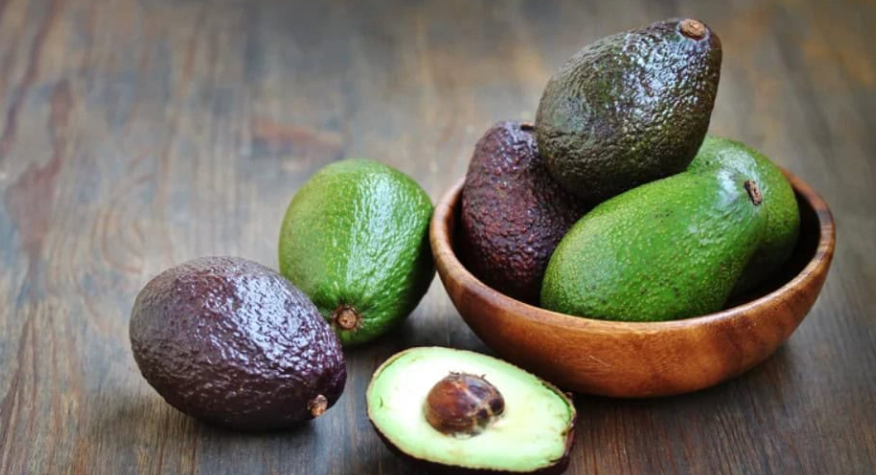
Types of Avocados Varieties
Hass
Origin: California, United States. Classification: Guatemalan × Mexican hybrid.
Hass was discovered as a chance seedling by mail carrier Rudolph Hass in La Habra Heights, California, in the 1920s, and has since become the single most commercially successful avocado variety in the world, accounting for approximately 80% of global avocado consumption. The variety’s bumpy, pebbled skin turns from green to purple-black as the fruit ripens, providing consumers with a reliable visual ripeness indicator that no other major commercial variety matches. Fruits typically weigh between 140 and 340 grams, with rich, creamy, nutty-flavored flesh containing oil content of 19 to 22%, among the highest of any commercial variety. The Hass mother tree, planted in Rudolph Hass’s backyard, was patented in 1935 — the first plant patent ever issued for an avocado — and died in 2002, though all Hass trees worldwide are descendants of that original seedling.
Fuerte
Origin: Atlixco, Mexico. Classification: Mexican × Guatemalan hybrid.
Fuerte was the dominant commercial avocado variety in the United States and Europe before Hass rose to prominence, and remains one of the most widely grown varieties globally despite its commercial decline in markets where Hass now dominates. The name Fuerte, meaning strong in Spanish, was given to this variety after it survived the devastating California frost of 1913 when most other avocado trees in the region were killed. Fruits are pear-shaped, medium to large in size, with smooth, green skin that remains green at maturity, and contain pale green, creamy flesh with oil content of 18 to 26%. Fuerte’s tendency toward alternate bearing — producing a heavy crop one year followed by a significantly reduced crop the next — contributed to its commercial decline relative to Hass.
Reed
Origin: Carlsbad, California, United States. Classification: Guatemalan.
Reed was selected by James S. Reed from a seedling grown in his Carlsbad, California garden in 1948 and released commercially in the 1960s, becoming valued for its large, round fruit and late-season production that extends the fresh market avocado season into summer. Fruits are distinctively large and spherical, often weighing 450 grams or more, with smooth, thick, green skin that remains green at maturity, and creamy, pale yellow flesh with oil content of approximately 19 to 21%. Reed’s large fruit size and high quality have maintained its popularity among specialty markets and home growers despite its limited commercial adoption relative to Hass, partly because its green-skinned maturity can be difficult to judge for consumers accustomed to the color-changing Hass.
Bacon
Origin: Buena Park, California, United States. Classification: Mexican × Guatemalan hybrid.
Bacon was developed by James Bacon in Buena Park, California in the 1950s and is valued primarily for its cold hardiness, being one of the more frost-tolerant commercial avocado varieties and capable of surviving temperatures around minus 3 degrees Celsius without significant damage. Fruits are medium-sized, oval to oblong in shape, with smooth, thin, green skin that remains green at maturity, and pale yellow flesh with relatively lower oil content of around 10 to 15% compared to Hass. Bacon produces fruit during winter months in California, filling a gap in the fresh avocado market when Hass production is reduced, and is often used as a pollinizer for other varieties due to its prolific flower production.
Zutano
Origin: Fallbrook, California, United States. Classification: Mexican × Guatemalan hybrid.
Zutano was developed by R.B. Rideout in Fallbrook, California and named after a popular children’s clothing brand of the era, becoming valued in commercial production primarily for its early season production and its role as a pollinizer for Hass and other type A flowering varieties. Fruits are large, pear-shaped with a distinctive curved neck, featuring smooth, shiny, yellow-green skin that remains green at maturity, and pale yellow flesh with lower oil content of approximately 7 to 10%. While Zutano is not considered a high-quality fruit for fresh eating compared to Hass or Fuerte due to its lower oil content and less rich flavor, its value as a pollinizer and early-season producer has maintained its presence in commercial orchards, particularly in California.
Pinkerton
Origin: Saticoy, California, United States. Classification: Guatemalan.
Pinkerton was developed by John Pinkerton as a seedling in Saticoy, California in the late 1960s and became commercially significant for its combination of high yield, good fruit quality, and a relatively small seed that results in a higher ratio of flesh to seed compared to many other varieties. Fruits are elongated and pear-shaped, medium to large in size, with thick, pebbled, green skin that becomes slightly darker at maturity but does not turn black like Hass, containing rich, pale yellow flesh with oil content of 14 to 23% depending on harvest time. Pinkerton is harvested from winter into spring in California, complementing the summer and autumn production of varieties like Reed and making it a valuable component of a year-round fresh market supply strategy.
Gwen
Origin: University of California Riverside, United States. Classification: Guatemalan × Mexican hybrid.
Gwen was developed through a deliberate breeding program at the University of California Riverside and released commercially in the 1980s, specifically bred as a more compact tree than Hass that would produce similar quality fruit suitable for higher-density commercial planting. Fruits are oval, somewhat resembling a smaller, rounder Hass, with pebbled, dark green skin that turns slightly darker at maturity, containing creamy, nutty-flavored flesh with oil content of 14 to 22%. While Gwen produces high-quality fruit comparable to Hass in flavor and texture, its commercial adoption has been limited by its tendency toward alternate bearing and the difficulty of distinguishing it from Hass in retail settings.
Lamb Hass
Origin: University of California Riverside, United States. Classification: Guatemalan × Mexican hybrid.
Lamb Hass was developed at the University of California Riverside specifically as a summer-producing companion to Hass, with which it shares similar fruit characteristics but a later harvest window that fills the gap in fresh Hass supply during the California summer months. Fruits are somewhat larger than Hass, oval in shape, with pebbled skin that turns dark purple-black at maturity similar to Hass, containing rich, creamy flesh with oil content of approximately 15 to 20%. Lamb Hass has achieved significant commercial planting in California and Chile, where its compatibility with existing Hass marketing standards and its ability to extend the Hass-style avocado supply season have made it commercially attractive to growers and retailers alike.
Sharwil
Origin: Queensland, Australia. Classification: Guatemalan × Mexican hybrid.
Sharwil was developed in Queensland, Australia by Sir Frank Sharp and Dr. James Wilkinson, from whose surnames the variety takes its name, in the 1950s and has become one of the most important commercial avocado varieties in Hawaii and Australia. Fruits are oval to pear-shaped, medium to large in size, with rough, green skin that remains green at maturity, containing rich, creamy flesh with exceptionally high oil content of 20 to 24%, comparable to or exceeding that of Hass. Sharwil has faced import restrictions in certain markets due to pest quarantine concerns associated with Hawaiian production, limiting its commercial reach despite its exceptional flavor quality, which many avocado connoisseurs consider superior to Hass.
Carmen
Origin: Spain. Classification: Guatemalan × Mexican hybrid.
Carmen is a Spanish-bred avocado variety developed specifically for the European market, selected for its ability to produce consistent, high-quality fruit adapted to Spanish growing conditions and the ripening characteristics preferred by European retailers and consumers. Fruits are pear-shaped, medium in size, with pebbled skin that turns dark purple-black at maturity similar to Hass, containing rich, creamy flesh with good oil content. Carmen is considered one of the most important new commercial varieties in Spanish avocado production, with significant plantings in the growing avocado industry of Malaga, Almeria, and Granada provinces, where avocado cultivation has expanded rapidly as a high-value crop.
Maluma
Origin: South Africa. Classification: Guatemalan.
Maluma is a South African avocado variety discovered as a chance seedling in Limpopo province in the 1990s and subsequently developed commercially, becoming one of the most significant new commercial varieties to emerge from South Africa’s active avocado breeding and selection program. Fruits are oval to pear-shaped, medium to large in size, with dark purple skin similar to Hass, containing rich, creamy flesh with good oil content and a flavor profile comparable to Hass. Maluma’s key commercial advantages include its compact, upright tree habit that suits high-density planting, its consistent production without extreme alternate bearing, and its good post-harvest shelf life, all of which have contributed to its rapid adoption by commercial growers.
Ettinger
Origin: Israel. Classification: Mexican × Guatemalan hybrid.
Ettinger was selected in Israel from a seedling of unknown parentage and developed commercially through Israel’s active avocado research program, becoming the most widely grown avocado variety in Israel and an important export variety for European markets during the autumn and winter season. Fruits are large, pear-shaped with a distinctive long neck, featuring smooth, thin, green skin that remains green at maturity, containing pale yellow flesh with oil content of 10 to 18%. Ettinger’s large size, smooth appearance, and early production season — it is typically harvested from September to December — have made it an important variety for markets seeking avocados outside the main Hass production season.
Nabal
Origin: Guatemala. Classification: Guatemalan.
Nabal is a Guatemalan variety known for its distinctive large, round to slightly flattened fruit shape and the relatively small size of its seed compared to its overall fruit size, resulting in a favorable flesh-to-seed ratio. Fruits feature thick, rough, dark green skin that becomes darker at maturity, containing rich, creamy flesh with oil content of approximately 15 to 20%. While not a major commercial variety by global standards, Nabal is valued in specialty markets and among home growers for its large, attractive fruit and is used in breeding programs as a source of the compact seed size characteristic that is commercially desirable.
Mexicola
Origin: California, United States. Classification: Mexican.
Mexicola is a variety of primarily Mexican race origin that is notable for being one of the most cold-hardy avocados available in cultivation, capable of surviving temperatures as low as minus 9 degrees Celsius with minimal damage, making it the preferred choice for gardeners in regions too cold for most other avocado varieties. Fruits are small, typically weighing only 100 to 200 grams, with very thin, smooth, black-purple skin at maturity and rich, creamy flesh with oil content among the highest of any commercial variety at 20 to 25%. Mexicola’s cold hardiness and the exceptional flavor of its small fruits have made it valuable for home gardens in cool coastal California climates and in parts of the American Southwest where other avocado varieties would not survive.
Lula
Origin: Miami, Florida, United States. Classification: Guatemalan × West Indian hybrid.
Lula was selected from a seedling grown in Miami, Florida in the early 20th century and named after the discoverer’s wife, becoming an important commercial variety in Florida where its West Indian race characteristics provide better adaptation to the subtropical humidity and heat of that state’s climate. Fruits are large, pear-shaped, with smooth, green skin that remains green at maturity, containing pale yellow flesh with oil content of approximately 12 to 16%, intermediate between the richer Guatemalan varieties and the low-oil West Indian types. Lula is more cold-tolerant than pure West Indian varieties while producing better quality fruit than pure West Indian types, making it a versatile variety for the subtropical growing conditions of Florida and similar climates.
Choquette
Origin: Homestead, Florida, United States. Classification: Guatemalan × West Indian hybrid.
Choquette was selected in Homestead, Florida and is one of the most popular commercial avocado varieties in Florida’s subtropical avocado production region, valued for its large, attractive fruit and reliable productivity under the hot, humid conditions of South Florida. Fruits are very large, often exceeding 600 grams, with smooth, bright green skin that remains green at maturity and a slight waxy sheen, containing pale yellow flesh with moderate oil content of 12 to 14%. Choquette is notable for its relatively high water content compared to Hass-type varieties, giving it a somewhat different texture and flavor profile that some consumers prefer for fresh eating while others consider it less rich.
Monroe
Origin: Homestead, Florida, United States. Classification: Guatemalan × West Indian hybrid.
Monroe is a large-fruited Florida variety valued for its good cold tolerance relative to pure West Indian varieties and its ability to produce high-quality fruit during the winter season, filling a gap in the Florida fresh market. Fruits can be very large, sometimes exceeding 700 grams, with smooth, green skin that remains green at maturity, containing pale to medium yellow flesh with oil content of approximately 10 to 14%. Monroe’s large fruit size and winter production season have maintained its presence in Florida commercial production despite the dominance of Hass in national and international markets, as Florida’s subtropical avocado industry serves distinct regional markets with different consumer preferences.
Brogdon
Origin: Florida, United States. Classification: Guatemalan × West Indian hybrid.
Brogdon is a Florida variety notable for its deep, dark purple to almost black skin color at maturity, making it one of the few West Indian-influenced varieties to produce dark-skinned fruit similar in appearance to Hass, despite the typical green-skinned characteristic of most West Indian and hybrid varieties. Fruits are medium to large in size, oval in shape, with thin, smooth, dark skin at maturity, containing pale yellow flesh with oil content of approximately 14 to 18%, higher than typical for West Indian-influenced varieties. Brogdon’s combination of dark skin, good flavor, and heat tolerance for Florida conditions has made it a popular choice for home growers in the southeastern United States.
Donnie
Origin: Florida, United States. Classification: West Indian.
Donnie is a relatively recent Florida selection valued for its large size and adaptation to the hot, humid subtropical conditions of South Florida, where pure West Indian race characteristics provide better disease resistance and heat tolerance than Guatemalan or Mexican race varieties. Fruits are very large, often weighing 500 to 800 grams, with smooth, green skin that remains green at maturity, containing pale yellow flesh with oil content typically below 10%, reflecting the low-oil characteristic of the West Indian race. Donnie is grown primarily in home gardens and specialty markets in Florida and similar tropical climates, where consumers appreciate its large size and the cultural traditions associated with West Indian-type avocados in Caribbean and Latin American communities.
Tower 2
Origin: South Africa. Classification: Guatemalan × Mexican hybrid.
Tower 2 is a South African variety developed through the country’s active avocado research program, selected for its upright, compact tree habit that is well-suited to the high-density planting systems that modern commercial avocado production increasingly favors for efficiency and ease of harvesting. Fruits are pear-shaped, medium in size, with pebbled skin similar to Hass that darkens at maturity, containing rich, creamy flesh with good oil content. South Africa’s avocado industry, which exports significant quantities to European markets, has actively invested in developing new varieties like Tower 2 that combine commercial fruit quality with tree characteristics suited to efficient modern production systems.
Gem
Origin: University of California Riverside, United States. Classification: Guatemalan × Mexican hybrid.
Gem is a University of California Riverside breeding selection developed as a commercial alternative to Hass, with similar dark-skinned, high-quality fruit but grown on a more compact tree that suits high-density planting systems. Fruits are oval to oblong, similar in size to Hass, with pebbled skin that darkens at maturity, containing rich, creamy flesh with oil content comparable to Hass. Gem has attracted significant commercial interest as a Hass complement or alternative, particularly in California where growers are seeking varieties that produce similar quality fruit on trees that can be more efficiently managed at higher planting densities.
Luna UCR
Origin: University of California Riverside, United States. Classification: Guatemalan × Mexican hybrid.
Luna UCR is another University of California Riverside breeding selection aimed at developing commercial varieties with improved characteristics relative to Hass, particularly focusing on consistent production without the extreme alternate bearing tendency that affects Hass and many other commercial varieties. Fruits are medium to large, oval in shape, with dark, pebbled skin similar to Hass at maturity, containing rich flesh with good oil content. The variety represents the ongoing investment in deliberate avocado breeding at UCR aimed at developing the next generation of commercial varieties that maintain the quality standards established by Hass while overcoming some of its agronomic limitations.
Aravaipa
Origin: Arizona, United States. Classification: Mexican.
Aravaipa is a variety of primarily Mexican race origin collected from wild or naturalized avocado populations in the canyon country of southeastern Arizona, notable for its exceptional cold hardiness that allows it to survive winter temperatures well below those tolerated by most commercial avocado varieties. Fruits are small, typical of the Mexican race, with thin, smooth skin that darkens at maturity, and richly flavored flesh with high oil content reflecting the Mexican race characteristics. Aravaipa represents the potential of wild and semi-wild Mexican race avocados as a source of cold-hardy genetics for expanding avocado cultivation into regions currently considered too cold for commercial production.
Sir Prize
Origin: California, United States. Classification: Guatemalan × Mexican hybrid.
Sir Prize is a California-selected variety notable for its exceptionally low seed-to-fruit ratio, meaning a high proportion of the fruit’s total weight consists of usable flesh rather than the seed, a characteristic that is commercially valuable for both fresh market and processed avocado products. Fruits are elongated and pear-shaped, medium to large in size, with smooth to slightly pebbled, green skin that remains green at maturity, containing creamy flesh with good oil content. Sir Prize’s small seed and favorable flesh ratio have maintained interest in this variety despite its limited commercial adoption, particularly among specialty processors and consumers who value high yields of usable flesh per fruit purchased.
Joey
Origin: California, United States. Classification: Mexican.
Joey is a cold-hardy avocado variety of primarily Mexican race classification, valued for its ability to produce fruit in cooler coastal California climates and other regions where most commercial varieties would struggle to achieve consistent production. Fruits are medium in size with thin, smooth skin and richly flavored flesh with the high oil content characteristic of Mexican race varieties. Joey’s cold tolerance and good flavor make it a popular choice for home gardeners in coastal California and other mild but cool climates, where it can succeed in locations that would be marginal for Hass production.
Stewart
Origin: California, United States. Classification: Mexican.
Stewart is a Mexican race variety known for its cold hardiness and its purple-black skin color at maturity, combining the heat-sensitive Mexican race’s cold tolerance with an appearance somewhat similar to Hass that may be more appealing to consumers familiar with dark-skinned avocados. Fruits are small to medium in size with thin, smooth skin that turns dark purple-black at maturity, containing rich, flavorful flesh with high oil content characteristic of the Mexican race. Stewart’s combination of cold tolerance and dark-skinned fruit has made it a popular variety for home cultivation in cooler avocado-growing regions, particularly where growers wish to produce fruit with an appearance more familiar to consumers than the green-skinned Mexican race varieties typically provide.
Opal
Origin: Israel. Classification: Guatemalan × Mexican hybrid.
Opal is an Israeli avocado variety developed through Israel’s active avocado research and breeding program, selected for the European export market and valued for its production timing and fruit quality characteristics suited to that market’s preferences. Fruits are pear-shaped, medium in size, with slightly pebbled, green skin that may develop slight yellowing at maturity, containing creamy flesh with good oil content. Opal is one of several Israeli varieties, alongside Ettinger and Hass, that contribute to Israel’s position as a significant avocado exporter to European markets, where the demand for fresh avocados has grown dramatically over the past two decades.
Wilma
Origin: New Zealand. Classification: Guatemalan × Mexican hybrid.
Wilma is a New Zealand-selected avocado variety developed to suit the growing conditions of New Zealand’s primary avocado-producing region in Northland and provide production characteristics suited to export markets. Fruits are pear-shaped, medium in size, with pebbled skin that darkens at maturity similar to Hass, containing rich flesh with good oil content. New Zealand’s small but quality-focused avocado industry has invested in developing locally adapted varieties like Wilma alongside imported varieties such as Hass, building a portfolio of cultivars suited to different harvest windows and growing conditions within the country’s avocado-producing regions.
Pura
Origin: Spain. Classification: Guatemalan × Mexican hybrid.
Pura is a Spanish-selected avocado variety bred specifically for European growing conditions and market preferences, representing Spain’s ongoing investment in developing cultivars that complement or improve upon Hass for the European market where Spanish-grown avocados compete with imports from Chile, Peru, and South Africa. Fruits are medium in size, oval in shape, with pebbled skin that turns dark at maturity, containing rich, creamy flesh with good oil content and flavor comparable to Hass. Spain’s avocado production has grown dramatically over the past decade, with the Malaga province alone now producing significant quantities for both domestic consumption and European export, making variety development an increasingly important research priority.
Tonnage
Origin: South Africa. Classification: Guatemalan.
Tonnage is a South African avocado variety selected for its consistent high yields rather than any exceptional individual fruit quality characteristic, reflecting the practical commercial priority of reliable, abundant production that justifies the variety’s descriptive name. Fruits are medium to large, pear-shaped, with rough, dark green skin that becomes slightly darker at maturity, containing creamy flesh with good oil content. Tonnage has been an important variety in South African commercial production where its reliable yields have contributed significantly to the productivity of orchards, though its commercial prominence has been challenged by newer varieties that combine good production with additional quality or tree architecture advantages.
31. Holiday
Origin: Carpinteria, California, United States. Classification: Guatemalan × Mexican hybrid.
Holiday was selected in Carpinteria, California and is valued for its late-season production that extends the fresh California avocado market into the autumn and winter months when domestic Hass production typically declines. Fruits are large, oval to rounded, with slightly pebbled, green skin that remains green at maturity, containing rich, creamy flesh with oil content of approximately 15 to 20%.
Holiday’s late harvest window, typically running from September through January in California, makes it commercially complementary to earlier-producing varieties and helps California growers supply domestic markets during periods when Chilean and Peruvian imports would otherwise dominate. The variety’s large fruit size and good quality have maintained grower interest despite its limited name recognition among consumers accustomed to the Hass brand.
32. Edranol
Origin: Whittier, California, United States. Classification: Guatemalan.
Edranol was selected in Whittier, California and represents one of the older named avocado varieties in California commercial production, valued for its medium to large, pear-shaped fruit with rough, green skin and rich, creamy flesh with oil content of 14 to 18%. The variety produces during the spring and early summer months, filling a window in California production complementary to other seasonal varieties.
While Edranol has largely been displaced from commercial orchards by more productive and commercially advantageous varieties, it remains present in older established orchards and in the collections of avocado enthusiasts who value its historical significance and good fruit quality. Its Guatemalan race characteristics give it moderate cold tolerance and the thick-skinned, rich-fleshed fruit quality associated with highland Guatemalan varieties.
33. Duke
Origin: University of California Los Angeles, United States. Classification: Mexican.
Duke was developed at UCLA and is one of the most cold-hardy avocado varieties in cultivation, capable of surviving temperatures as low as minus 7 to minus 9 degrees Celsius without fatal damage, making it the variety of choice for gardeners attempting to grow avocados at the cold limits of the crop’s range. Fruits are medium-sized, oval with a long curved neck, featuring thin, smooth, dark green skin that becomes slightly darker at maturity, containing pale yellow flesh with high oil content of approximately 18 to 22%, typical of the Mexican race.
Duke’s extraordinary cold hardiness has made it a parent in several breeding programs aimed at developing cold-tolerant avocado varieties for expanding cultivation into cooler regions, and its own performance in cool climates has demonstrated that avocado cultivation is possible in many locations previously considered unsuitable. The variety produces reliable crops in cooler California locations where Hass would frequently experience frost damage.
34. Mexicola Grande
Origin: California, United States. Classification: Mexican.
Mexicola Grande is a selection from Mexicola parentage that produces somewhat larger fruit than the original Mexicola while retaining much of its parent variety’s cold hardiness and thin-skinned, rich-flavored characteristics. Fruits typically weigh 150 to 280 grams, larger than Mexicola’s typical 100 to 200 gram range, with thin, smooth, dark skin at maturity and very rich, nutty-flavored flesh with oil content in the 20 to 25% range.
This variety represents the type of incremental improvement that selection from existing cold-hardy varieties can achieve, providing home growers in cool climates with access to a cold-tolerant variety producing slightly larger and more commercially sized fruit than the original Mexicola. The variety remains primarily a home garden selection rather than a commercial variety due to its thin skin and limited shelf life.
35. Hall
Origin: Homestead, Florida, United States. Classification: Guatemalan × West Indian hybrid.
Hall is a Florida variety selected in Homestead and valued for its very large, attractive fruit and good productivity under the hot, humid subtropical conditions of South Florida. Fruits are among the largest of any named avocado variety, commonly weighing 500 to 900 grams, with smooth, slightly glossy, green skin that remains green at maturity, containing pale yellow flesh with moderate oil content of approximately 8 to 12%.
Hall is an important variety in Florida’s specialty avocado market, where very large fruit size is valued by certain consumer segments and the subtropical climate restricts the range of varieties that can be grown successfully. Florida’s avocado production, while modest compared to California and major international producers, serves important local and regional markets with preferences for the larger, greener, lower-oil West Indian-influenced fruit types that the state’s climate produces best.
36. Semil 34
Origin: Israel. Classification: Guatemalan × West Indian hybrid.
Semil 34 is one of several numbered Semil series varieties developed in Israel specifically for tropical and subtropical growing conditions, providing options for avocado production in climates too hot and humid for the Guatemalan and Mexican race varieties that dominate temperate growing regions. Fruits are medium to large, oval in shape, with smooth, green skin that remains green at maturity, containing pale to medium yellow flesh with oil content intermediate between West Indian and Guatemalan race norms.
Israel’s avocado research program has developed multiple Semil series varieties suited to different growing conditions and market windows, reflecting the country’s comprehensive approach to developing its avocado industry across diverse growing regions. These varieties have also found adoption in other tropical and subtropical growing regions seeking varieties better adapted to their specific conditions than the primarily temperate-adapted commercial varieties.
37. Bernecker
Origin: Florida, United States. Classification: West Indian.
Bernecker is a Florida West Indian race variety notable for its very high heat and humidity tolerance that makes it one of the better-adapted varieties for truly tropical growing conditions, including the southernmost parts of Florida and similar tropical climates throughout the Caribbean and Central America. Fruits are medium to large, oval, with smooth, green skin, containing pale yellow flesh with oil content typically below 8%, reflecting the low-oil characteristic of the pure West Indian race.
Pure West Indian race varieties like Bernecker represent the avocado’s original tropical adaptation, producing fruit that is much lower in the fat content that makes Hass and other Guatemalan-influenced varieties so nutritionally valued, but providing the heat and humidity tolerance essential for tropical production zones where the more valued higher-oil varieties would struggle.
38. Simmonds
Origin: Florida, United States. Classification: West Indian.
Simmonds is one of the most important West Indian race varieties grown in Florida, valued for its reliable productivity, large attractive fruit, and good adaptation to the subtropical conditions of South Florida. Fruits are very large, often weighing 400 to 700 grams, with smooth, bright green skin that remains green at maturity and has a slightly glossy appearance, containing pale yellow flesh with oil content of approximately 5 to 10%.
Simmonds is one of the earliest-maturing varieties in Florida, typically harvested from June to August, making it important for supplying fresh avocados to local and regional markets during the early summer period. Its large, attractive fruit and reliable production have maintained its position as a leading variety in Florida’s subtropical avocado industry, which produced approximately 6 million pounds of avocados in recent years.
39. Tower 1
Origin: South Africa. Classification: Guatemalan × Mexican hybrid.
Tower 1, developed alongside Tower 2 by South Africa’s avocado research program, is another compact, upright tree variety selected for high-density planting systems, combining a tree architecture suited to modern commercial production with fruit quality comparable to Hass. Fruits are medium in size, oval to pear-shaped, with pebbled skin that darkens at maturity, containing rich, creamy flesh with good oil content.
South Africa’s investment in developing the Tower series varieties reflects the broader global trend in commercial avocado production toward higher-density planting systems that allow greater fruit production per hectare and more efficient management and harvesting operations. South Africa produces approximately 70,000 to 80,000 tonnes of avocados annually, with a significant proportion exported to European markets.
40. Ardith
Origin: California, United States. Classification: Guatemalan × Mexican hybrid.
Ardith is a California-selected variety valued for its late-season production and good fruit quality, extending the fresh California avocado supply into the autumn months when Hass production from the state is declining. Fruits are medium to large, oval in shape, with pebbled, dark green skin that becomes slightly darker at maturity, containing rich flesh with good oil content.
The variety’s late harvest window complements earlier-producing California varieties and helps domestic growers extend their market season, reducing dependence on imports during the autumn transition period. Ardith’s tree is reportedly more manageable in size than some other late-season varieties, a characteristic that aids in orchard management at higher planting densities.
41. Yamagata
Origin: Hawaii, United States. Classification: Guatemalan × Mexican hybrid.
Yamagata is a Hawaii-selected variety adapted to the specific growing conditions of Hawaiian avocado production, providing good performance in the tropical and subtropical conditions found across the Hawaiian Islands where many California-bred varieties do not achieve their best performance. Fruits are medium to large with good quality flesh and oil content suited to the premium markets that Hawaiian avocados typically target.
Hawaii’s avocado industry, while small by global standards, produces high-quality fruit marketed at premium prices domestically and in export markets. Hawaiian avocado production has faced ongoing challenges related to the avocado root rot disease caused by Phytophthora cinnamomi, making disease resistance an important characteristic in variety selection for the state’s growers.
42. Wurtz
Origin: California, United States. Classification: Guatemalan × Mexican hybrid.
Wurtz, also known as Little Cado due to its dwarf tree habit, is the most widely available true dwarf avocado variety, producing a tree that typically reaches only 3 to 4 meters in height compared to the 10 to 15 meters typical of standard avocado varieties, making it the preferred choice for home gardeners with limited space. Fruits are medium-sized, pear-shaped, with slightly pebbled, green skin that remains green at maturity, containing creamy flesh with oil content of approximately 14 to 17%.
Wurtz’s dwarf habit results from a unique genetic mutation that limits internode elongation without affecting fruit quality or production to the degree that might be expected, making it genuinely productive for its small size. The variety’s suitability for container growing and smaller garden spaces has made it one of the most popular home garden avocado varieties worldwide, with significant sales through retail garden centers to home growers in avocado-appropriate climates.
43. Jan Boyce
Origin: California, United States. Classification: Guatemalan × Mexican hybrid.
Jan Boyce is a California-selected variety valued for its summer to autumn production window and good fruit quality, providing an alternative to Hass that bridges the gap between the main California Hass season and the later-producing varieties like Holiday and Ardith. Fruits are medium to large, oval in shape, with slightly pebbled skin that darkens somewhat at maturity, containing rich, creamy flesh with good oil content.
The variety produces on a semi-compact tree that is manageable for both commercial and home garden production, and its fruit quality during the summer months when fresh California avocados are in high demand has attracted grower interest. Jan Boyce represents the type of complementary variety that can help domestic producers maintain market presence throughout a longer season.
44. Brazos Belle
Origin: Texas, United States. Classification: Mexican.
Brazos Belle is a Texas-selected variety of primarily Mexican race origin that has been developed for cold-hardy performance in the challenging growing conditions of central and southern Texas, where winter cold spells regularly damage or kill less cold-tolerant avocado varieties. Fruits are small to medium in size, with thin, smooth skin and richly flavored flesh with the high oil content characteristic of Mexican race varieties.
Texas’s emerging small-scale avocado industry is largely dependent on cold-hardy Mexican race varieties like Brazos Belle that can tolerate the freeze events that periodically occur throughout the state’s avocado-growing regions. The variety represents the potential for expanding avocado production into regions with more challenging winter climates than traditional avocado-producing areas.
45. Pancho
Origin: Texas, United States. Classification: Mexican.
Pancho is another Texas-selected cold-hardy variety of Mexican race origin, developed to provide Texas home growers and small-scale commercial producers with a locally adapted variety capable of surviving the state’s occasional hard freezes. Fruits are small, typical of the Mexican race, with thin, dark-colored skin at maturity and richly flavored, high-oil flesh.
The development of Texas-adapted varieties like Pancho reflects a broader interest in expanding avocado cultivation into new geographic regions as consumer demand for avocados continues to grow and climate patterns in some regions trend toward milder winters. Texas avocado production, while currently very small, represents a growing niche that locally adapted varieties are essential to supporting.
46. Arkin
Origin: Florida, United States. Classification: West Indian × Guatemalan hybrid.
Arkin is a Florida variety selected for its good productivity and fruit quality under subtropical conditions, producing medium to large fruit with smooth, green skin containing pale yellow flesh with oil content intermediate between pure West Indian and Guatemalan types. The variety’s performance in Florida’s subtropical climate has made it a reliable choice for growers seeking consistent production.
Florida’s avocado production is primarily concentrated in Miami-Dade County, which accounts for the vast majority of the state’s commercial avocado output. Varieties like Arkin that perform reliably in the specific conditions of this subtropical production region are essential components of the diverse variety portfolio that Florida growers maintain to spread production across different harvest periods.
47. Russell
Origin: Homestead, Florida, United States. Classification: West Indian.
Russell is a large-fruited West Indian race variety from Florida valued for its very large fruit size and attractive appearance, producing some of the biggest individual fruits of any named avocado variety in cultivation. Fruits can weigh 600 grams to over 1 kilogram in favorable conditions, with smooth, bright green skin and pale yellow flesh with low oil content typical of the West Indian race.
The extraordinary size of Russell fruits makes them visually impressive in retail and market settings, attracting consumer attention despite the lower oil content and less rich flavor associated with the West Indian race. Russell is grown primarily in Florida and tropical growing regions where its heat and humidity tolerance gives it an advantage over higher-oil Guatemalan varieties.
48. Murashige
Origin: Hawaii, United States. Classification: Guatemalan × Mexican hybrid.
Murashige is a Hawaii-selected variety named in honor of Toshio Murashige, a prominent plant scientist, and adapted to the specific growing conditions of the Hawaiian Islands where it provides good fruit quality and production performance suited to Hawaiian markets. Fruits are medium to large with good oil content and flavor profile appropriate for premium fresh market sales.
Hawaii’s avocado market is distinctive in that locally grown avocados command premium prices from consumers who value fresh, local produce, creating commercial viability for locally adapted varieties like Murashige even though the total volume of Hawaii’s avocado production is modest by comparison with major producing regions.
49. Beta
Origin: California, United States. Classification: Mexican.
Beta is a Mexican race variety valued for its cold hardiness and its production of small, richly flavored fruits with the high oil content and thin, dark skin characteristic of the Mexican race. The variety’s cold tolerance makes it suitable for cooler growing regions where Guatemalan and hybrid varieties might sustain frost damage.
Beta has been used in cold-hardy breeding programs as a source of cold-tolerance genetics, contributing to the development of varieties that combine greater cold hardiness with fruit characteristics more commercially appealing than the small, thin-skinned fruits typical of pure Mexican race varieties. Its role as breeding material may ultimately prove more significant than its direct value as a commercial or home garden fruit variety.
50. Queen
Origin: California, United States. Classification: Guatemalan × Mexican hybrid.
Queen is a California-selected variety that produces good quality fruit with a production window that complements the main Hass season, providing growers with a variety that can extend their marketing period and reduce dependence on a single variety. Fruits are medium in size with good quality flesh and oil content suited to fresh market sales.
The development and maintenance of a diverse portfolio of complementary varieties like Queen, alongside the dominant Hass, represents sound risk management for the California avocado industry, which generated farm gate revenues of approximately $370 million in recent years. Variety diversity helps growers manage the risk associated with weather events, pest and disease pressures, and market fluctuations that affect single-variety production systems.
51. Esther
Origin: Israel. Classification: Guatemalan × Mexican hybrid.
Esther is an Israeli avocado variety developed through Israel’s comprehensive avocado breeding program, selected for its compatibility with European market requirements and its performance in Israeli growing conditions. Fruits are medium in size, oval in shape, with pebbled skin that darkens at maturity, containing rich flesh with good oil content comparable to Hass.
Israel exports a significant proportion of its avocado production to European markets, where the country competes with Spanish, South African, Chilean, and Peruvian producers. Varieties like Esther, selected specifically for the quality and appearance standards required by European importers and retailers, help maintain Israel’s competitiveness in this valuable export market.
52. Itzamna
Origin: Guatemala. Classification: Guatemalan.
Itzamna, named after a Mayan deity, is a Guatemalan race variety valued for its large, high-quality fruit and good production in highland tropical growing conditions similar to those of its origin. Fruits are large, with thick, rough, dark green skin characteristic of the Guatemalan race, containing rich, creamy flesh with good oil content and flavor.
Guatemalan race varieties like Itzamna represent the original genetic material from which much of the world’s commercial avocado industry has been developed, with the Guatemalan race’s combination of fruit quality, oil content, and moderately cold-tolerant characteristics making it the foundation for most successful commercial breeding programs. Guatemala’s own domestic avocado industry, while less internationally prominent than those of Mexico, Peru, and Chile, is an important part of the country’s agricultural economy.
53. Harvest
Origin: California, United States. Classification: Guatemalan × Mexican hybrid.
Harvest is a California-selected variety valued for its production during the summer months when fresh California avocado supply from Hass orchards may be declining, providing growers with a complementary variety that helps maintain domestic supply during this period. Fruits are medium to large, oval in shape, with skin that darkens at maturity, containing rich flesh with good oil content.
California’s avocado industry, which produces approximately 90% of the United States domestic avocado supply despite the country importing the large majority of its consumption, depends on a carefully orchestrated mix of varieties that collectively provide year-round domestic production capability. Varieties like Harvest contribute to this extended production calendar.
54. Pinterton (Clone)
Origin: California, United States. Classification: Guatemalan.
Selected clonal lines of Pinkerton represent ongoing efforts to identify superior-performing individuals within the Pinkerton variety that produce consistently better fruit quality, more regular bearing, or other commercially advantageous characteristics compared to the general Pinkerton population. Clonal selection within established commercial varieties is a cost-effective approach to variety improvement that requires less time than full breeding programs.
The selection and testing of superior Pinkerton clones reflects the broader recognition within the avocado industry that significant variation can exist within named varieties, and that identifying and propagating the best-performing individuals can provide meaningful commercial improvements without the lengthy process of developing and testing entirely new varieties.
55. Benik
Origin: Israel. Classification: Guatemalan × Mexican hybrid.
Benik is an Israeli avocado selection providing an autumn production window that complements the spring and summer production of Ettinger and the year-round availability of Hass in Israeli orchards, contributing to a more extended domestic production season. Fruits are medium in size with good quality characteristics appropriate for both domestic consumption and export markets.
Israel’s strategic development of varieties covering different production windows has helped the country build a more consistent year-round avocado supply capability, benefiting both domestic consumers and the export trade with European markets that value reliable, consistent supply from established supplier relationships.
56. Linvilla
Origin: Pennsylvania, United States. Classification: Mexican.
Linvilla is an extremely cold-hardy avocado selection of Mexican race origin that has reportedly survived winter temperatures approaching minus 12 degrees Celsius, representing one of the most cold-tolerant avocado selections ever documented and opening the theoretical possibility of avocado cultivation in regions well beyond the crop’s conventional growing range. Fruits are small, with thin, dark skin and rich, high-oil flesh typical of Mexican race varieties.
The extraordinary cold tolerance of Linvilla and similar extreme cold-hardy selections has attracted interest from researchers exploring the genetic basis of frost resistance in avocados, with potential applications for breeding programs aimed at developing hardier commercial varieties capable of withstanding the occasional severe frost events that periodically devastate avocado orchards in marginal growing regions.
57. Tonnage Selections
Origin: South Africa. Classification: Guatemalan.
Ongoing selection work within the original Tonnage variety in South Africa has produced improved clonal selections that maintain the high-yield characteristic that gave the original variety its name while improving fruit quality and tree management characteristics. These selections represent the commercial avocado industry’s continuous refinement of established varieties through clonal selection.
South Africa’s avocado export industry, which ships fruit primarily to the United Kingdom and European mainland markets, requires varieties that combine consistent high yields with the quality standards demanded by premium European retailers. The ongoing improvement of existing high-yielding varieties through superior clonal selection helps South African growers meet these requirements competitively.
58. Fuerte Selections
Origin: California, United States. Classification: Mexican × Guatemalan hybrid.
Superior clonal selections within the Fuerte variety have been identified and propagated in various growing regions, with selected clones demonstrating improved production consistency, reduced alternate bearing tendency, or better fruit quality than the general Fuerte population. Fuerte once accounted for the majority of California’s commercial avocado production before being largely displaced by Hass.
Despite Hass’s dominance, Fuerte retains a loyal following among consumers who prefer its flavor profile, and in certain export markets, particularly in the United Kingdom and continental Europe, Fuerte maintains commercial significance. The identification of superior Fuerte clones with reduced alternate bearing represents potentially significant economic value for growers who wish to continue producing this historically important variety more reliably.
59. Nishikawa
Origin: Hawaii, United States. Classification: Guatemalan × Mexican hybrid.
Nishikawa is a Hawaii-selected variety that contributes to the diversity of the Hawaiian avocado production calendar, providing fruit during a specific seasonal window that complements other Hawaiian varieties and helps local producers maintain market presence throughout more of the year. The variety is adapted to Hawaiian growing conditions and produces fruit of quality appropriate for the premium local fresh market.
Hawaii’s position as a premium avocado production region is maintained through careful variety selection and the cultivation practices that produce the high-quality fruit consumers associate with locally grown Hawaiian produce. The premium commanded by locally grown Hawaiian avocados in the state’s domestic market makes variety performance under local conditions more commercially significant than production volume alone.
60. Catalina
Origin: California, United States. Classification: Guatemalan × Mexican hybrid.
Catalina is a California-selected variety named for the Channel Islands visible from parts of the California avocado-growing region, producing medium to large fruit with good quality characteristics during a production window that contributes to the extended California avocado season. Fruits have pebbled skin that darkens at maturity, containing rich, creamy flesh with good oil content suited to fresh market sales.
California’s avocado-growing regions, concentrated primarily in San Diego, Ventura, and Santa Barbara counties, collectively cultivate approximately 50,000 acres of avocados, with this acreage distributed among dozens of named varieties that collectively produce the domestic crop. Varieties like Catalina, while not achieving the commercial prominence of Hass, contribute to the production diversity that makes California’s avocado industry resilient and capable of supplying fresh domestic avocados throughout an extended annual season.
61. Bacon Grande
Origin: California, United States. Classification: Mexican × Guatemalan hybrid.
Bacon Grande is a selection from within the Bacon variety population identified for producing larger fruit than typical Bacon while retaining the parent variety’s valuable cold hardiness and winter production characteristics. The selection process that identified Bacon Grande reflects the common practice of identifying superior individuals within established commercial variety populations rather than developing entirely new varieties through formal breeding programs.
Fruits are medium to large, oval in shape with smooth, thin, green skin remaining green at maturity, containing pale to medium yellow flesh with oil content slightly higher than typical Bacon at approximately 12 to 16%. The variety’s winter production window and cold tolerance make it particularly valuable for growers in marginal avocado-growing regions seeking varieties capable of surviving occasional hard frosts while still producing commercially acceptable fruit size.
62. Gottfried
Origin: Israel. Classification: Guatemalan × Mexican hybrid.
Gottfried is an Israeli selection that forms part of the country’s strategically developed portfolio of avocado varieties covering different production windows and suited to different growing conditions within Israel’s diverse avocado-producing regions, from the humid coastal plain to the drier inland valleys. Fruits are medium in size with pebbled skin and good quality flesh with oil content appropriate for fresh market standards.
Israel’s avocado industry exports approximately 50,000 tonnes annually to European markets, making it one of the more significant suppliers to the United Kingdom and continental European retail trade. Varieties like Gottfried contribute to the production diversity that allows Israeli exporters to supply European markets across a longer seasonal window than would be possible with a single variety portfolio.
63. Rincon
Origin: Carpinteria, California, United States. Classification: Guatemalan × Mexican hybrid.
Rincon is a California variety named for the coastal area between Santa Barbara and Ventura counties where California’s avocado industry has deep historical roots, producing medium to large fruit with a spring to early summer harvest window that precedes the main Hass summer peak. Fruits have slightly pebbled, dark green skin that becomes somewhat darker at maturity, containing creamy flesh with oil content of approximately 14 to 18%.
The coastal avocado-growing regions of Ventura and Santa Barbara counties experience the mild, fog-influenced climate that avocados thrive in, with temperatures moderated by ocean influence and rarely experiencing the extreme heat or cold that can damage fruit and trees in inland growing areas. Varieties like Rincon that perform well in these specific coastal conditions have local commercial significance that extends beyond their limited broader market recognition.
64. Whitsell
Origin: California, United States. Classification: Guatemalan × Mexican hybrid.
Whitsell is a California-selected variety that produces fruit during the summer months with characteristics broadly similar to Hass in terms of skin texture and darkening at maturity, making it compatible with established Hass marketing infrastructure and consumer expectations around avocado ripeness assessment. Fruits are medium in size, oval in shape, with pebbled skin that darkens to near-black at maturity, containing rich flesh with good oil content.
The variety’s production timing during peak avocado consumption months in the United States, combined with its Hass-compatible appearance, gives it commercial advantages that pure quality assessments alone might not suggest. The summer months represent peak avocado consumption in North America, with surveys showing that avocado purchase frequency increases significantly during the warmer months when guacamole consumption for outdoor entertaining drives purchase behavior.
65. Anaheim
Origin: Anaheim, California, United States. Classification: Guatemalan × Mexican hybrid.
Anaheim is one of the older named avocado varieties from California, predating many of the more recent commercial selections and representing the early period of avocado cultivation development in Southern California when the industry was identifying which varieties from the diverse seedling populations available would prove commercially viable. Fruits are medium to large, pear-shaped, with slightly rough, green skin remaining green at maturity, containing creamy flesh with moderate oil content.
While Anaheim has been largely displaced from commercial production by more productive and commercially advantageous modern varieties, it retains historical significance as part of the documented horticultural heritage of California’s avocado industry. Older orchards in some areas still contain Anaheim trees that have been producing fruit for many decades, testament to the long productive lifespan of well-established avocado trees that can live and produce for a century or more.
66. Hardee
Origin: Hardee County, Florida, United States. Classification: West Indian × Guatemalan hybrid.
Hardee is a Florida variety named for the county in which it was selected, valued for its good productivity and reasonable fruit quality under the subtropical conditions of central Florida where many premium Guatemalan-influenced varieties struggle with the heat and humidity. Fruits are medium to large, oval in shape, with smooth, green skin remaining green at maturity, containing pale yellow flesh with oil content of approximately 10 to 15%.
Central Florida’s avocado production occurs under different climatic conditions from the Miami-Dade County heartland of Florida’s avocado industry, with higher temperatures and different rainfall patterns requiring varieties specifically adapted to these conditions. Hardee’s selection from material suited to this more challenging environment reflects the importance of local variety adaptation in diverse subtropical and tropical production systems.
67. Semil 43
Origin: Israel. Classification: Guatemalan × West Indian hybrid.
Semil 43 is another member of Israel’s Semil series of tropical-adapted varieties, developed specifically for growing conditions in the hotter, more arid regions of Israel and for export to tropical avocado-growing regions seeking varieties better adapted to high temperatures than the Guatemalan and Mexican race varieties that dominate temperate production. Fruits are medium to large with smooth, green skin, containing pale to medium yellow flesh with oil content intermediate between West Indian and Guatemalan norms.
The Semil series represents a systematic approach to developing avocado varieties for tropical and hot subtropical conditions, filling a significant gap in the variety portfolio where most commercially successful varieties were developed for cooler growing regions. As global avocado production expands into new tropical growing regions to meet rising worldwide consumption, varieties like Semil 43 become increasingly relevant.
68. Oro Negro
Origin: Spain. Classification: Guatemalan × Mexican hybrid.
Oro Negro, meaning black gold in Spanish, is a Spanish variety selected for the growing conditions of southern Spain’s avocado production regions and named for its dark skin color at maturity that resembles the Hass appearance familiar to European consumers. Fruits are medium in size, oval in shape, with pebbled skin that turns dark purple-black at maturity, containing rich, creamy flesh with good oil content.
Spain’s avocado production has grown dramatically in recent years, with production increasing by over 300% in the past decade as growers in Malaga, Granada, and Almeria provinces have planted new orchards in response to strong European demand. Varieties like Oro Negro, developed specifically for Spanish conditions and European market preferences, represent the country’s effort to build a diverse, locally adapted variety portfolio that reduces dependence on imported Hass planting material.
69. Persea drymifolia
Origin: Mexico and Central America. Classification: Mexican Race Species.
Persea drymifolia, the Mexican avocado or anise-scented avocado, is technically a wild species rather than a cultivated variety but is included here for its significance as the primary source of the Mexican race genetic material that contributes cold hardiness to most successful cold-tolerant avocado varieties and hybrids. Its leaves have a distinctive anise-like fragrance that distinguishes this species from the cultivated Persea americana.
The genetic contribution of Persea drymifolia to cold-hardy avocado breeding cannot be overstated, with virtually all commercially grown varieties that tolerate temperatures below approximately zero degrees Celsius owing their cold hardiness to genes derived from this wild species. Wild populations of Persea drymifolia in the highland forests of Mexico represent an irreplaceable genetic resource for avocado improvement programs focused on extending the crop’s growing range.
70. Harvest Moon
Origin: California, United States. Classification: Guatemalan × Mexican hybrid.
Harvest Moon is a California variety selected for its autumn production characteristics that complement the summer peak of Hass production, providing growers with a variety capable of delivering high-quality fruit to market during the autumn months when domestic California supply traditionally begins to decline ahead of the winter import season. Fruits are medium to large with pebbled skin that darkens at maturity, containing rich flesh with good oil content.
The timing of Harvest Moon’s production window has strategic commercial value for California growers seeking to maximize their seasonal marketing window, as autumn avocado prices in the United States domestic market tend to be favorable when domestic California supply is transitioning to the lower-production winter period. Maintaining domestic supply during this transitional period can be commercially advantageous for growers able to deliver quality fruit.
71. Brite
Origin: California, United States. Classification: Guatemalan × Mexican hybrid.
Brite is a California selection notable for its lighter skin coloration compared to most Guatemalan-influenced varieties, maintaining a brighter green appearance at maturity that some market segments find appealing, particularly consumers who associate green skin color with freshness and those unfamiliar with the color-change ripeness indicator of Hass. Fruits are medium in size with slightly rough, bright green skin and creamy flesh with good oil content.
While the avocado retail market has largely been trained by the Hass variety’s dominance to associate dark skin with ripeness, certain regional markets and consumer demographics continue to prefer green-skinned avocados, making varieties like Brite commercially relevant in specific market niches even as Hass maintains its overall market dominance.
72. Carlsbad
Origin: Carlsbad, California, United States. Classification: Guatemalan.
Carlsbad is a California variety from the coastal San Diego County avocado-growing region that has historically been an important area for avocado cultivation due to its ideal combination of mild temperatures, adequate rainfall, and well-drained soils. Fruits are medium to large, pear-shaped, with rough, dark green skin and rich, creamy flesh with oil content typical of Guatemalan race varieties.
San Diego County remains California’s leading avocado-producing county, with approximately 20,000 acres planted to avocados and producing a significant portion of the state’s total avocado output. Varieties like Carlsbad, selected from the productive orchards of this county, reflect the local horticultural tradition of identifying superior individuals from established avocado populations for named variety propagation.
73. Chica
Origin: California, United States. Classification: Mexican.
Chica, meaning small girl in Spanish, is aptly named for its production of small to medium fruit typical of the Mexican race, valued primarily for its cold hardiness and the rich, high-oil flesh quality that makes Mexican race avocados prized for flavor despite their smaller size. The variety’s cold tolerance allows it to succeed in growing conditions that would be marginal or unsuitable for larger-fruited Guatemalan race varieties.
The small fruit size of Chica and other Mexican race varieties has historically limited their commercial appeal in markets accustomed to the medium and large fruit sizes of Hass and other Guatemalan-influenced varieties, but growing consumer interest in specialty and heirloom food varieties has created some niche market interest in the distinctive flavor characteristics of pure Mexican race avocados.
74. Nowels
Origin: California, United States. Classification: Guatemalan × Mexican hybrid.
Nowels is a California variety that produces fruit during the late spring and early summer months, contributing to the transitional period between the end of the previous season’s late varieties and the beginning of the main summer Hass production window. Fruits are medium to large in size with pebbled, dark green skin and rich flesh with good oil content suited to fresh market standards.
The commercial value of any avocado variety is substantially determined by its production timing relative to the overall supply and demand dynamics of the avocado market, with varieties producing during periods of supply shortage commanding better prices than those competing directly with peak Hass production. Nowels’s spring production window positions it favorably in the California domestic market supply calendar.
75. Olinda
Origin: California, United States. Classification: Guatemalan.
Olinda is a Guatemalan race variety that produces large, high-quality fruit with the thick, rough skin and rich, creamy flesh characteristic of the Guatemalan race, harvested during the winter months in California when this variety type performs well under the cooler growing conditions of that season. Fruits typically weigh 300 to 500 grams with dark green, pebbled skin and very rich flesh with oil content of 17 to 22%.
Guatemalan race characteristics, particularly the thick skin that provides good resistance to physical damage during harvesting and transport, make varieties like Olinda well suited to commercial production where fruit must withstand mechanical handling and long-distance shipping. The thick skin also provides some protection against the avocado thrips damage that can be a significant problem for thin-skinned varieties in California orchards.
76. Peterson
Origin: California, United States. Classification: Guatemalan × Mexican hybrid.
Peterson is a California variety selected for its combination of good fruit quality and production during the summer months, adding to the diversity of the California avocado production calendar and providing growers with a complementary variety option alongside Hass for summer fresh market sales. Fruits are medium to large in size with slightly pebbled skin that darkens somewhat at maturity, containing creamy flesh with good oil content.
The development and maintenance of named varieties like Peterson within California’s avocado industry reflects the state’s long tradition of horticultural variety development and the commitment of growers, researchers, and industry organizations to building a diverse, resilient variety portfolio that reduces the industry’s dependence on any single variety.
77. Fantastic
Origin: South Africa. Classification: Guatemalan × Mexican hybrid.
Fantastic is a South African variety selected from the country’s active variety development program, chosen for its consistently high fruit quality and reliable production characteristics that suit the export-oriented nature of South Africa’s commercial avocado industry. Fruits are medium in size, oval to pear-shaped, with pebbled skin that darkens at maturity, containing rich flesh with good oil content suited to European market standards.
South Africa’s avocado exports have grown significantly over the past decade, with the country now supplying European markets from approximately October through February, a window that complements rather than directly competes with the main Northern Hemisphere production seasons. Varieties like Fantastic that produce fruit of consistent quality during this specific window contribute directly to South Africa’s export competitiveness.
78. Mexicola AA
Origin: California, United States. Classification: Mexican.
Mexicola AA is a superior selection within the Mexicola variety identified for producing slightly better fruit quality and more consistent production than the standard Mexicola population, while retaining the essential cold hardiness that makes Mexicola varieties valuable for growers in cooler growing regions. The double A designation indicates a selection rated superior to the standard Mexicola in trials.
The identification of superior selections within existing cold-hardy varieties like Mexicola through systematic evaluation and clonal propagation represents an efficient approach to incremental improvement that can benefit growers more quickly than the lengthy process of developing and commercializing entirely new varieties through formal breeding programs.
79. Cleopatra
Origin: Spain. Classification: Guatemalan × Mexican hybrid.
Cleopatra is a Spanish variety bred and selected for European growing conditions, contributing to Spain’s diverse portfolio of locally developed avocado varieties that complement the widely grown Hass with alternatives better suited to specific Spanish growing regions or production windows. Fruits are medium in size with pebbled skin and good quality flesh with oil content comparable to other commercial Guatemalan-influenced varieties.
Spain’s breeding program for new avocado varieties has accelerated significantly as the country’s avocado industry has grown, with research institutions in Andalusia working to develop varieties that address specific weaknesses in existing commercial varieties, including the tendency toward alternate bearing that affects production consistency and grower income stability across seasons.
80. Waldin
Origin: Homestead, Florida, United States. Classification: West Indian × Guatemalan hybrid.
Waldin is a historic Florida variety that was among the most important commercial avocados in the southeastern United States during the early and mid-twentieth century, producing large, attractive fruit well suited to the subtropical conditions of South Florida. Fruits are large to very large, pear-shaped, with smooth, green skin and pale yellow flesh with oil content of approximately 10 to 14%.
While Waldin has been largely displaced from commercial production by more recently selected varieties with better production characteristics, it retains historical significance as one of the foundational varieties of Florida’s avocado industry and is still grown in some older orchards and home gardens where established trees continue to produce reliable crops. Some Florida avocado enthusiasts specifically seek Waldin fruit for its flavor characteristics that differ from more recently developed varieties.
81. Patel
Origin: India. Classification: West Indian × Guatemalan hybrid.
Patel is an Indian variety selected for performance under the subtropical and tropical growing conditions found across India’s diverse avocado-producing regions, including the hill stations of South India where avocado cultivation has a long history introduced during the colonial period. Fruits are medium to large in size with smooth, green skin and pale to medium yellow flesh with moderate oil content.
India’s avocado production, while modest by global standards at approximately 10,000 to 15,000 tonnes annually, is growing as domestic consumption increases among India’s expanding urban middle class. The development of locally adapted varieties like Patel supports the growth of domestic production capacity in a country where imported avocados remain expensive and locally grown fruit serves as a more accessible alternative for many consumers.
82. Pollock
Origin: Miami, Florida, United States. Classification: West Indian.
Pollock is a large-fruited West Indian race variety from Florida that produces some of the biggest individual avocado fruits found in commercial cultivation, with fruits commonly weighing 700 grams to over 1 kilogram and occasionally reaching even larger sizes in favorable growing conditions. The variety’s extraordinary fruit size makes it one of the most visually impressive avocados available, though its West Indian race characteristics mean oil content is low at approximately 5 to 8%.
Despite its low oil content compared to Hass and other Guatemalan-influenced varieties, Pollock maintains a following among consumers in Caribbean and Latin American communities who have traditional preferences for large, green-skinned West Indian-type avocados, and among home growers attracted by the novelty of producing exceptionally large individual fruits.
83. Catalina Island
Origin: California, United States. Classification: Guatemalan × Mexican hybrid.
Catalina Island is a California variety associated with the avocado cultivation history of the Channel Islands off the Southern California coast, where mild maritime conditions and isolation created an environment in which distinctive local avocado selections were made from the diverse seedling populations established by early island settlers and farming operations. Fruits are medium to large with pebbled skin and good quality flesh with oil content suited to fresh market standards.
The avocado-growing history of California’s Channel Islands represents a fascinating chapter in the crop’s regional development, with island-grown avocados historically shipped to mainland markets and the isolation of island populations potentially contributing to the selection of locally distinctive genetic material. The specific growing conditions of island environments, with their maritime temperature moderation and fog influence, suit avocado production particularly well.
84. Pryor
Origin: Texas, United States. Classification: Mexican.
Pryor is a Texas selection of Mexican race origin notable for having reportedly survived temperatures as low as minus 10 degrees Celsius, making it one of the most cold-tolerant named avocado varieties documented and a variety of particular interest for researchers and gardeners seeking to push the geographic boundaries of avocado cultivation. Fruits are small, typical of the Mexican race, with thin, dark skin and richly flavored, high-oil flesh.
The cold hardiness of Pryor and other extreme cold-tolerant selections has attracted attention from both home gardeners in cold-marginal climates and researchers studying the genetic basis of frost tolerance in avocados. Understanding the mechanisms underlying such extreme cold tolerance could eventually contribute to the development of commercial varieties capable of surviving the hard freezes that periodically devastate orchards in the southern United States avocado-growing regions.
85. Saba
Origin: Philippines. Classification: West Indian.
Saba is a Philippine variety of West Indian race characteristics adapted to the tropical growing conditions of the Philippines, where avocado cultivation has a long history reflecting the fruit’s introduction by Spanish colonial traders who facilitated the movement of American tropical crops throughout their Pacific trading networks. Fruits are medium to large with smooth, green skin and pale yellow flesh with low oil content typical of the West Indian race.
The Philippines produces avocados primarily for domestic consumption rather than export, with the fruit’s popularity in Filipino cuisine and the traditional preparation of avocado sweetened with sugar and condensed milk driving steady domestic demand. Philippine avocado production is estimated at approximately 50,000 tonnes annually, supporting both the fresh market and a small processed product industry.
86. Kampung
Origin: Malaysia. Classification: West Indian × Guatemalan hybrid.
Kampung, meaning village in Malay, is a Malaysian variety reflecting the avocado’s adaptation to the tropical conditions of Southeast Asia where locally selected varieties have developed from the introduced crop over generations of cultivation. Fruits are medium in size with smooth, green skin and pale to medium yellow flesh with moderate oil content suitable for fresh consumption in local markets.
Malaysia’s avocado production is primarily small-scale, with village and smallholder production supplying local markets rather than contributing to export trade. The selection of locally adapted varieties like Kampung from populations grown in Malaysian conditions for generations represents the natural process of local adaptation and variety development that occurs wherever a crop is grown long enough for growers to identify and propagate superior individuals from diverse seedling populations.
87. Arue
Origin: Tahiti, French Polynesia. Classification: West Indian × Guatemalan hybrid.
Arue is a Tahitian variety selected from the diverse avocado populations cultivated across French Polynesia, where the crop has been grown for generations following its introduction to the Pacific Islands during the era of European exploration and trade. Named after a district on the island of Tahiti, this variety represents the locally adapted genetic material that has developed through decades of selection under the specific tropical island conditions of the Society Islands archipelago.
Fruits are medium to large, oval in shape, with smooth, green skin that remains green at maturity, containing pale to medium yellow flesh with moderate oil content of approximately 10 to 14%, reflecting the hybrid characteristics between West Indian and Guatemalan race genetics. French Polynesia’s avocado production is entirely domestic in orientation, serving local markets where avocados are an important component of traditional Pacific island cuisine, and varieties like Arue represent the horticultural heritage of Pacific island communities who have cultivated and selected avocados in their unique tropical maritime environment for multiple generations.
88. Miguel
Origin: Mexico. Classification: Mexican.
Miguel is a Mexican selection of pure Mexican race origin collected from traditional growing regions in the Mexican highlands where avocado cultivation has continued uninterrupted for thousands of years, representing the genetic heritage of avocado diversity in the crop’s center of origin. Fruits are small, with thin, dark skin and richly flavored flesh with very high oil content reflecting the concentrated flavor characteristics of Mexican race varieties.
Mexico’s extraordinary diversity of traditional avocado varieties in its highland regions represents one of the world’s most significant horticultural genetic resources, with hundreds of named local varieties and countless unnamed seedling populations containing the genetic diversity accumulated over millennia of cultivation and natural variation. Collecting, documenting, and preserving this diversity through gene banks and in-situ conservation programs is a scientific priority recognized by Mexican agricultural institutions.
89. Collinson
Origin: Australia. Classification: Guatemalan × Mexican hybrid.
Collinson is an Australian variety selected for the growing conditions of Queensland’s avocado-producing regions, contributing to Australia’s domestically developed variety portfolio alongside internationally sourced varieties like Hass and Shepard. Fruits are medium to large in size with good quality flesh and oil content appropriate for the Australian fresh market.
Australia produces approximately 75,000 to 80,000 tonnes of avocados annually and has developed a significant domestic avocado industry serving both the fresh market and a growing export trade to Asian markets. The development of locally adapted varieties like Collinson alongside internationally recognized varieties reflects Australia’s commitment to building a diverse, resilient industry that can serve both domestic and export markets effectively.
90. Shepard
Origin: Queensland, Australia. Classification: Guatemalan × Mexican hybrid.
Shepard is Australia’s second most important commercial avocado variety after Hass, distinctive for its smooth, green skin that remains green even when fully ripe, a characteristic that while creating challenges for consumer ripeness assessment has also been successfully marketed as a point of difference from Hass in the Australian market. Fruits are medium to large, pear-shaped, with smooth, glossy, bright green skin that remains green at maturity, containing rich, creamy flesh with oil content of approximately 18 to 22% comparable to Hass.
Shepard accounts for approximately 20 to 25% of Australian avocado production, making it by far the most commercially significant non-Hass variety in any major avocado-producing country worldwide, a market position achieved through deliberate industry investment in marketing Shepard’s green-skin characteristic as a quality indicator rather than allowing it to create consumer confusion. Shepard is harvested from February to May in Australia, immediately following the main Queensland Hass season and providing continuity of domestic supply during the autumn period.