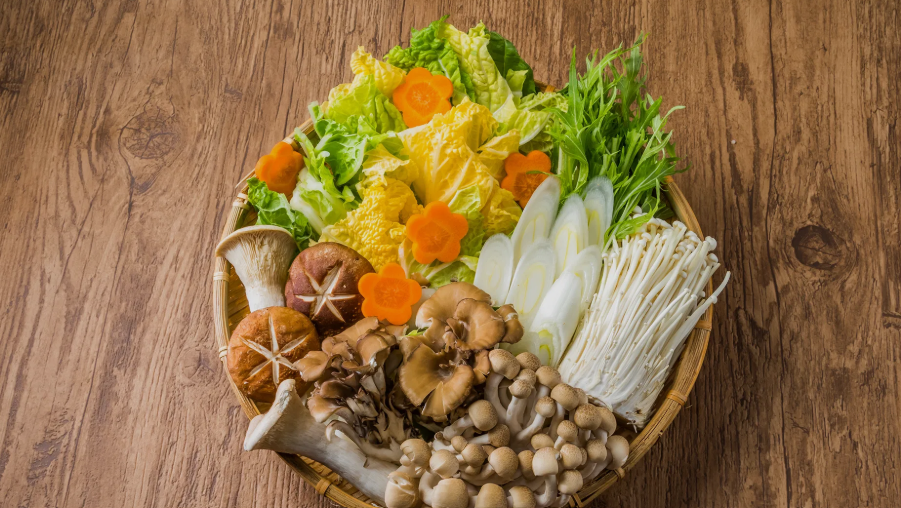
Japanese vegetables are an important part of traditional cuisine in Japan. They are valued not only for their flavor but also for their seasonal freshness and nutritional benefits. Many of these vegetables have been cultivated for centuries and are closely tied to regional farming traditions and culinary practices. They are commonly used in soups, pickles, stir-fries, and simmered dishes.
In Japanese food culture, ingredients and vegetables are often selected based on the time of year to ensure the best taste and quality. Farmers grow a wide variety of vegetables suited to different climates and seasons, which helps maintain a diverse and balanced diet throughout the year.
Many Japanese vegetables have unique shapes, textures, and flavors that distinguish them from common Western vegetables. Some are long and slender, others are round or leafy, and many have subtle flavors that complement delicate cooking styles. These vegetables often enhance dishes without overpowering other ingredients.
Traditional Japanese cooking methods tend to preserve the natural taste and appearance of the vegetables. Techniques such as light steaming, simmering, grilling, and pickling are frequently used to maintain their texture and nutritional value.
Many are rich in vitamins, minerals, and dietary fiber, making them beneficial for maintaining a balanced diet. They are often included in meals alongside rice, fish, and other staple foods, contributing to the overall nutritional balance of Japanese cuisine. In recent years, Japanese vegetables have gained popularity around the world. As global interest in Japanese cuisine grows, these vegetables are increasingly being cultivated and sold outside Japan.
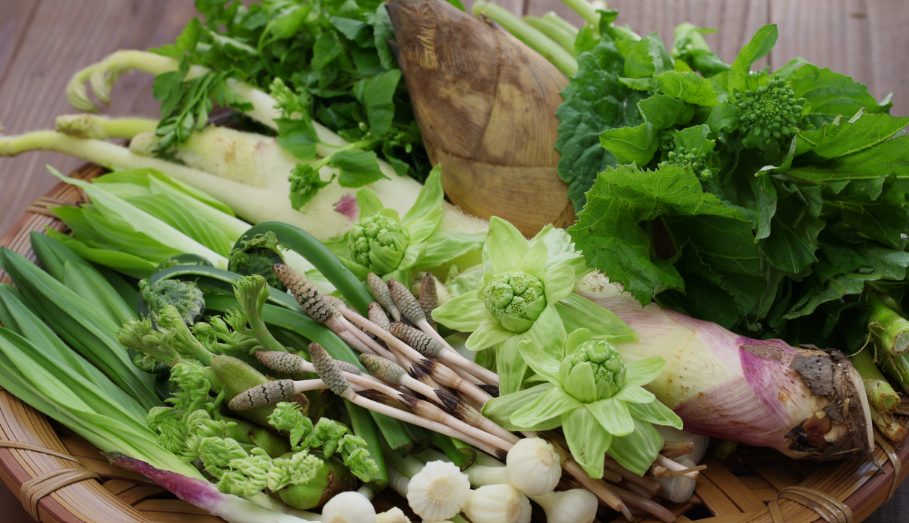
List of Japanese Veggies
Daikon
Daikon is a long, white radish that is one of the most widely used vegetables in Japanese cooking. It has a mild, slightly sweet flavor and a crisp texture when raw. Daikon is commonly grated and served as a garnish with grilled fish or fried foods, helping to balance rich flavors. It is also often simmered in soups and stews or pickled to create traditional side dishes.
Napa Cabbage
Napa cabbage is a soft, leafy vegetable with pale green leaves and a mild taste. In Japanese cuisine it is frequently used in hot pot dishes, stir-fries, and soups. It is also commonly pickled to make simple side dishes that accompany rice-based meals. Its tender leaves absorb flavors well, making it ideal for simmered dishes.
Shiso
Shiso is a fragrant leafy herb often used as both a vegetable and a garnish. It has a distinctive flavor that is slightly minty and citrus-like. In Japanese cooking, shiso leaves are often served fresh alongside sashimi or wrapped around foods for added aroma. They may also be used in salads, pickles, or tempura.
Kabocha
Kabocha is a Japanese winter squash known for its deep green skin and sweet, dense flesh. It is commonly simmered in soy-based sauces to create comforting side dishes. Kabocha is also frequently used in tempura, soups, and stews, where its natural sweetness and creamy texture enhance the dish.
Gobo
Gobo, or burdock root, is a long, brown root vegetable with an earthy flavor and firm texture. It is commonly sliced thinly and cooked in stir-fried dishes such as kinpira, where it is sautéed with soy sauce and seasonings. Gobo is also added to soups and rice dishes for its distinctive taste and nutritional value.
Komatsuna
Komatsuna is a leafy green vegetable similar to spinach but with a slightly mustard-like flavor. It is widely used in soups, stir-fries, and simple sautéed dishes. In Japanese home cooking, komatsuna is often lightly boiled and served with sesame dressing as a nutritious side dish.
Japanese Eggplant
Japanese eggplant is longer and more slender than many other eggplant varieties. It has a tender skin and mild flavor that cooks quickly. This vegetable is commonly grilled, stir-fried, or simmered in savory sauces. It is also popular in tempura because its soft texture absorbs flavors well.
Lotus Root
Lotus root is a unique vegetable known for its circular shape and decorative holes when sliced. It has a crisp texture and slightly sweet taste. In Japanese cuisine, it is often used in stir-fries, simmered dishes, and tempura. Lotus root is also included in festive meals because its holes symbolize a clear view of the future.
Mizuna
Mizuna is a leafy green vegetable with delicate, feathery leaves and a mild peppery taste. It is commonly used in salads, soups, and hot pot dishes in Japanese cuisine. Because of its tender texture, mizuna is often eaten raw or lightly cooked, allowing it to retain its fresh flavor and crispness.
Myoga
Myoga is a type of Japanese ginger known for its aromatic buds rather than its root. It has a sharp, refreshing flavor that adds brightness to dishes. Myoga is commonly sliced thin and used as a garnish for noodles, tofu dishes, soups, and salads, giving meals a fragrant and slightly spicy accent.
Negi
Negi is a Japanese long green onion similar to a leek but milder in taste. It is widely used in soups, ramen, and noodle dishes. Negi can be chopped and used as a topping, grilled as a side dish, or simmered in broths where it adds a subtle sweetness and depth of flavor.
Taro Root
Taro root is a starchy root vegetable with a creamy texture when cooked. In Japanese cooking, it is commonly simmered in soups, stews, and traditional dishes where it absorbs the surrounding flavors. Taro is often used in comforting home-style meals and festive dishes.
Edamame
Edamame are young, green soybeans harvested before they fully mature. They are commonly boiled or steamed and lightly salted, then served as a simple snack or appetizer. Edamame are also added to rice dishes, salads, and stir-fries for extra protein and flavor.
Udo
Udo is a mountain vegetable with pale stalks and a slightly bitter taste. It is often peeled and sliced thin before being used in salads, soups, or tempura. Its crisp texture and refreshing flavor make it a distinctive ingredient in traditional Japanese seasonal cooking.
Wasabi
Wasabi is a root vegetable famous for its strong, spicy flavor. It is traditionally grated into a paste and served with sushi and sashimi. Besides its role as a condiment, wasabi can also be used in sauces and dressings to add a sharp, pungent kick to dishes.
Yamatoimo
Yamatoimo is a type of Japanese mountain yam known for its sticky, creamy texture when grated. It is often grated into a paste and served over rice or noodles. Yamatoimo is also used in soups and savory pancakes, where its natural viscosity helps bind ingredients together.
Hakusai
Hakusai is another name for Chinese or Napa cabbage widely used in Japanese cuisine. It has tender leaves and a mild, slightly sweet flavor. Hakusai is commonly used in hot pot dishes, soups, and stir-fries. It is also frequently pickled to create simple side dishes served with rice.
Kuri Kabocha
Kuri kabocha is a variety of Japanese squash known for its sweet, chestnut-like flavor. The flesh is firm and smooth, making it ideal for simmered dishes and soups. It is also used in tempura or roasted preparations where its natural sweetness becomes more pronounced.
Nanohana
Nanohana refers to the edible flower buds and stems of rapeseed plants. These greens have a slightly bitter and mustard-like taste. In Japanese cooking, nanohana is often lightly blanched and served with soy-based sauces or sesame dressing, making it a popular springtime vegetable.
Shungiku
Shungiku, also known as chrysanthemum greens, has aromatic leaves with a slightly bitter and herbal flavor. It is frequently used in hot pot dishes and soups where its unique taste enhances the broth. Shungiku can also be lightly sautéed or added to salads.
Takenoko
Takenoko, or bamboo shoots, are young bamboo sprouts harvested in spring. They have a crunchy texture and mild, slightly sweet flavor. Takenoko is commonly used in rice dishes, soups, stir-fries, and simmered meals in Japanese cooking.
Kyuri
Kyuri is the Japanese cucumber, known for its crisp texture and refreshing taste. It is often eaten raw in salads, pickled side dishes, or served as a garnish. Kyuri is also used in light summer dishes because of its cooling and hydrating qualities.
Satsumaimo
Satsumaimo is the Japanese sweet potato with purple skin and sweet yellow flesh. It is commonly roasted, steamed, or used in soups and desserts. Its natural sweetness makes it popular in both savory dishes and traditional Japanese sweets.
Yamaimo
Yamaimo is a Japanese mountain yam known for becoming sticky when grated. It has a mild taste and smooth texture. In Japanese cuisine, yamaimo is often grated and served over noodles or rice, or mixed into batter for savory dishes like pancakes.