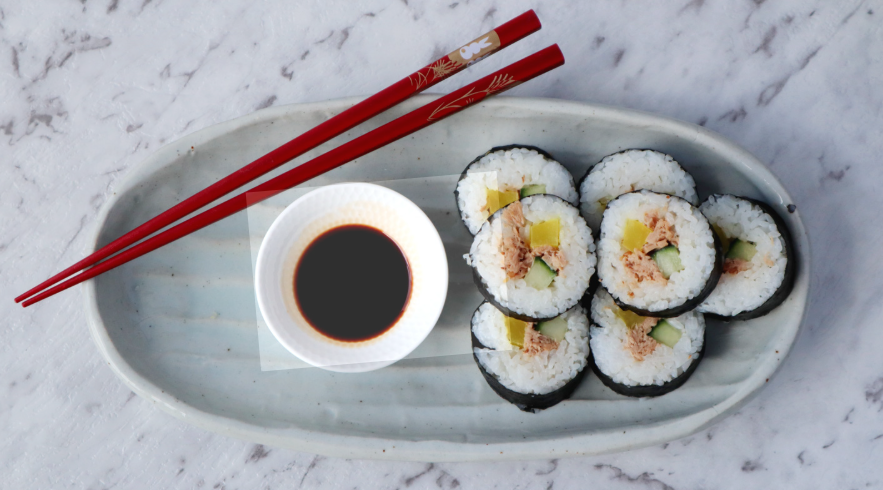
Japanese sushi is one of the most iconic elements of Japanese cuisine, recognized worldwide for its delicate flavors and artistic presentation. At its core, sushi consists of vinegared rice combined with a variety of ingredients, most commonly raw or cooked seafood, vegetables, and sometimes tropical fruits. The foundation of sushi, the rice, is carefully seasoned with a mixture of rice vinegar, sugar, and salt, giving it a slightly tangy taste that complements the toppings. Sushi is not just food; it is considered an art form in Japan, emphasizing balance, simplicity, and aesthetic appeal.
Sushi has a long history that dates back centuries. Originally, it began as a method of preserving fish by fermenting it with rice. Over time, the practice evolved, and by the Edo period (1603–1868), fresh fish was paired with seasoned rice, giving birth to modern sushi as we know it today. In contemporary Japan, sushi is enjoyed both in casual settings like sushi bars and conveyor-belt restaurants, as well as in formal dining where highly trained sushi chefs prepare each piece with precision. The tradition and respect for ingredients play a key role in Japanese sushi culture.
There are many types of sushi, each with unique preparation methods and presentation. Nigiri sushi features a slice of fish draped over a small mound of rice, often with a dab of wasabi. Maki sushi consists of rice and fillings rolled in seaweed, sliced into bite-sized pieces. Sashimi, though technically not sushi, is closely associated and consists solely of thinly sliced raw fish served without rice. Other variations include temaki (hand rolls) and chirashi (scattered sushi), which showcase ingredients in more casual, bowl-style presentations. Each type emphasizes freshness, texture, and harmony of flavors.
The ingredients used in sushi are chosen carefully for both taste and quality. Freshness is crucial, particularly for raw fish, which must be handled with precision to maintain safety and flavor. Common seafood includes tuna, salmon, mackerel, shrimp, and eel, while vegetables like cucumber, avocado, and pickled radish add crunch and color. Sushi often comes with accompaniments such as soy sauce, pickled ginger, and wasabi, each serving a specific purpose—enhancing flavor, cleansing the palate, or adding a subtle kick. The visual appeal of sushi is also vital, as the arrangement and color of ingredients contribute to the overall dining experience.
Sushi has transcended Japan and gained immense popularity around the world, inspiring adaptations and fusion cuisine. Internationally, sushi restaurants range from traditional Japanese-style establishments to modern, creative interpretations that incorporate local flavors and ingredients. Despite these variations, the essence of sushi remains the same: it is a celebration of fresh, high-quality ingredients and meticulous preparation.
Types of Japanese Sushi
Nigiri
Nigiri is one of the most classic forms of sushi, consisting of a small mound of vinegared rice topped with a slice of raw or cooked seafood, such as tuna, salmon, or shrimp. Sometimes a thin strip of nori (seaweed) is used to hold the topping in place. Nigiri highlights the freshness and quality of the fish.
Maki
Maki is rolled sushi, made by spreading rice and fillings over a sheet of nori and rolling it into a cylinder. The roll is then sliced into bite-sized pieces. Common fillings include cucumber, tuna, avocado, and crab. Maki can be served as hosomaki (thin rolls) or futomaki (thick rolls).
Temaki
Temaki, or hand roll sushi, is shaped like a cone and wrapped in nori with rice, fish, and vegetables inside. It is meant to be eaten by hand and is popular for casual meals or gatherings. The cone shape makes it visually appealing and convenient for on-the-go eating.
Sashimi
Although technically not sushi because it doesn’t include rice, sashimi is often served alongside sushi dishes. It consists of thinly sliced raw fish or seafood, emphasizing the natural flavor and texture. Sashimi is typically garnished with daikon radish, shiso leaves, or wasabi.
Uramaki
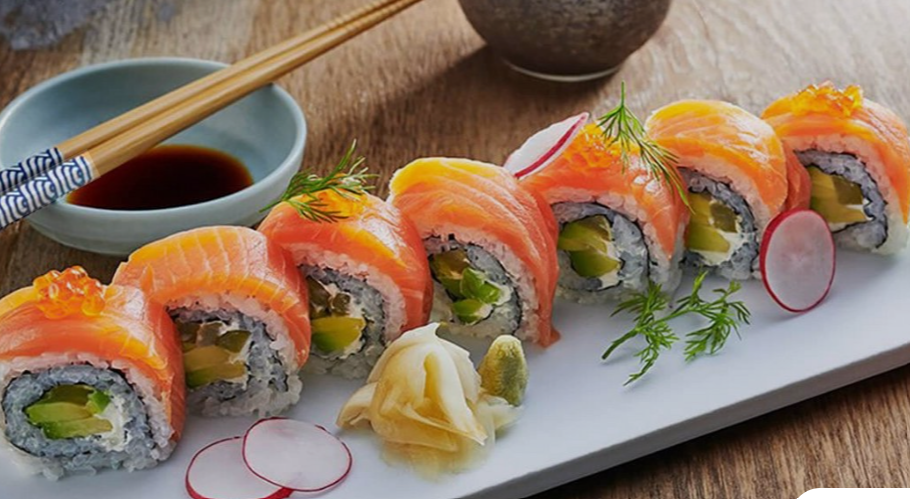
Uramaki, or inside-out roll, is a type of maki where the rice is on the outside of the nori, often coated with sesame seeds or fish roe. Popular varieties include the California roll and other fusion-style rolls. This style is especially common in Western adaptations of sushi.
Chirashi
Chirashi sushi is a bowl of vinegared rice topped with a variety of raw fish, vegetables, and other garnishes. It is less structured than rolls or nigiri and allows for a colorful and versatile presentation. Chirashi is often served as a celebratory or casual meal.
Inari
Inari sushi is a unique type of sushi where vinegared rice is stuffed into sweetened tofu pouches (aburaage). It does not contain raw fish and has a mildly sweet flavor, making it popular as a snack or for casual meals. Inari sushi is often found in bento boxes and street food stalls.
Gunkan Maki
Gunkan maki, or “battleship sushi,” is made by wrapping a strip of nori around a small mound of rice to create a cup-like shape, which is then filled with soft or loose toppings. Common fillings include salmon roe, sea urchin, or chopped scallops. Its shape keeps delicate ingredients intact.
Oshizushi
Oshizushi, or pressed sushi, originates from the Kansai region. Rice and toppings are layered in a wooden mold and pressed to form a rectangular or square block, then sliced into pieces. It often features mackerel or other marinated fish and is known for its firm texture and decorative presentation.
Narezushi
Narezushi is an ancient type of fermented sushi, considered a predecessor to modern sushi. Fish is salted and fermented with rice for several months to years, producing a strong, tangy flavor. While less common today, it is still enjoyed in traditional settings and valued for its historical significance.
Kappamaki
Kappamaki is a type of hosomaki (thin roll) with cucumber as its main filling. It is named after the mythical water creature, kappa, who supposedly loves cucumbers. Kappamaki is simple, refreshing, and often served as a palate cleanser alongside richer sushi.
Tekkamaki
Tekkamaki is a thin roll filled with raw tuna. It is one of the most popular classic sushi rolls in Japan and emphasizes the flavor of fresh tuna. Tekkamaki is often served with soy sauce and wasabi for a simple yet flavorful bite.
Ehomaki
Ehomaki is a thick, uncut sushi roll traditionally eaten during the Setsubun festival. It is filled with multiple ingredients like vegetables, cooked seafood, and egg. The roll is eaten whole while facing the “lucky” direction of the year, as part of a ritual for good fortune.
Temarizushi
Temarizushi are small, ball-shaped sushi, often brightly decorated with slices of fish, egg, or vegetables on top. They are popular at parties and celebrations due to their colorful and festive appearance. Temarizushi is easy to eat and visually appealing.
Anago Nigiri
Anago nigiri features vinegared rice topped with saltwater eel (anago), usually brushed with a sweet soy-based sauce. The eel is softer and sweeter than unagi (freshwater eel) and is prized for its delicate flavor and melt-in-the-mouth texture.
Ikura Nigiri
Ikura nigiri consists of a mound of rice topped with salmon roe (ikura). The bright orange eggs are slightly salty and burst with flavor when eaten. A thin strip of nori often holds the roe in place. Ikura nigiri is a popular delicacy, appreciated for its bold taste and visual appeal.