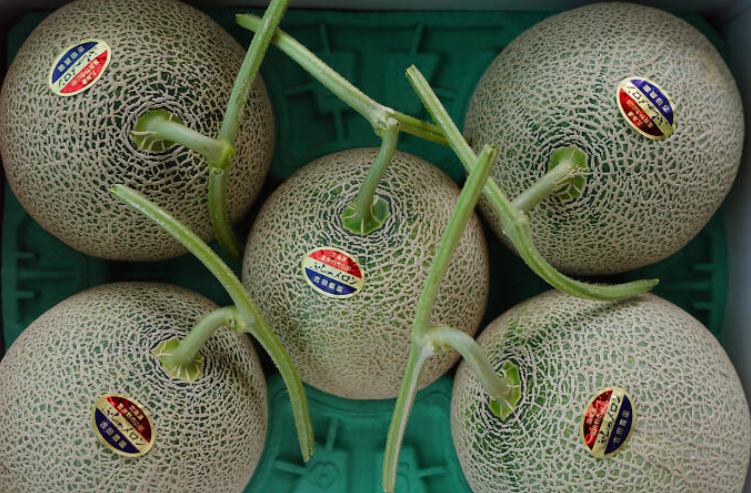
Japanese fruit culture elevates fruits to an art form, with exceptional cultivation standards producing specimens prized for their perfect appearance, flavor, and symbolic significance. Unlike Western cultures where fruit is primarily an everyday snack or cooking ingredient, Japan treats premium fruits as luxury gifts, expressions of gratitude, and important components of social rituals.
The Japanese dedication to fruit perfection has resulted in unique varieties developed nowhere else, often grown with meticulous care involving individual fruit wrapping, precise irrigation, reflective materials to enhance color, and hand-pollination. This cultural reverence for fruit quality means that Japanese markets offer both everyday affordable varieties and astonishingly expensive premium specimens that can cost hundreds or even thousands of dollars per piece.
Japanese Fruits
Mikan
Mikan is a small, seedless Japanese mandarin orange known for its sweet and juicy flavor. It is a popular winter fruit in Japan, often eaten fresh as a snack or used in desserts. Mikan is also enjoyed in juices and fruit salads, prized for its bright, refreshing taste.
Kaki (Japanese Persimmon)
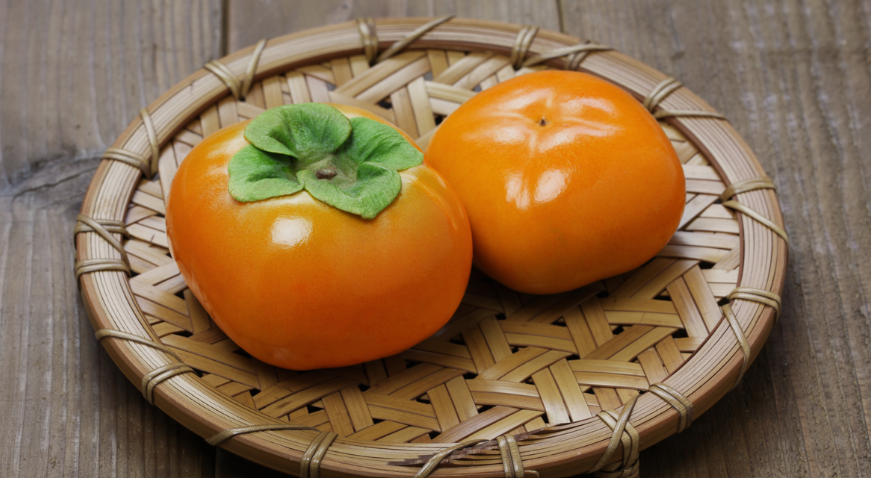
Kaki, or Japanese persimmon, is a vibrant orange fruit with a sweet, honey-like flavor when fully ripe. It is commonly eaten fresh, dried (hoshigaki), or used in jams and desserts. Kaki is often enjoyed in autumn and is valued for its high vitamin A content.
Yuzu
Yuzu is a small, citrus fruit with a strong aromatic zest and tart juice. While rarely eaten raw due to its sourness, it is widely used in sauces, dressings, and beverages. Yuzu adds a fragrant, citrusy flavor to both sweet and savory dishes and is also used in traditional teas.
Fuji Apple
The Fuji apple is a sweet, crisp apple variety developed in Japan. It is commonly eaten fresh or sliced into salads and snacks. Fuji apples are also used in baking, sauces, and juices due to their balanced sweetness and firm texture.
Nashi (Japanese Pear)
Nashi is a round, crisp Japanese pear with a juicy, sweet flavor. It is often eaten raw as a refreshing snack or added to salads. Nashi pears are also sometimes poached or included in desserts, appreciated for their unique texture and mild sweetness.
Ume (Japanese Plum)
Ume is a tart Japanese plum primarily used for pickling (umeboshi) or making sweet and sour beverages. Its fruit is rarely eaten raw due to its sourness, but it is highly valued in traditional Japanese cuisine for its digestive and preservative properties.
Akebi
Akebi is a unique purple fruit native to mountainous regions of Japan. It has a sweet, jelly-like pulp with a mildly floral flavor. Akebi is usually eaten fresh or used in local desserts and preserves, and its distinctive taste makes it a seasonal delicacy.
Loquat (Biwa)
Loquat, called biwa in Japan, is a small, yellow-orange fruit with a sweet and tangy flavor. It is eaten fresh, often peeled and served as a snack, or made into jams and jellies. Loquats are popular in spring and early summer and are also valued for their vitamin C content.
Sudachi
Sudachi is a small green citrus fruit with a tart and aromatic flavor. It is rarely eaten whole but is widely used as a flavoring in sauces, dressings, and beverages. Sudachi juice is prized for enhancing the taste of fish, noodles, and hot pot dishes with a refreshing citrus note.
Kabosu
Kabosu is another Japanese citrus fruit, similar to sudachi but slightly larger and less sour. It is used in marinades, drinks, and condiments, adding a fragrant, tangy flavor. Kabosu is often paired with grilled fish or poultry to bring brightness to the dish.
Shikuwasa
Shikuwasa is a small, green citrus native to Okinawa. Its tart juice is commonly used in drinks, sauces, and desserts. Shikuwasa is rich in vitamin C and antioxidants, making it both a flavorful and health-promoting fruit in Japanese cuisine.
Yamanashi Grape
Yamanashi grapes are cultivated in Japan for their sweetness and juiciness. They are eaten fresh, used in jams, jellies, and wines. Popular varieties include Kyoho and Delaware grapes, prized for their plump texture and rich flavor.
Kyoho Grapes
Kyoho grapes are large, dark purple grapes known for their juicy, sweet taste. They are often peeled before eating and served fresh or used in desserts. Kyoho grapes are one of Japan’s most famous table grape varieties.
Ichijiku (Japanese Fig)
Ichijiku, or Japanese fig, is a sweet fruit with a soft, pulpy interior. It is commonly eaten fresh, dried, or used in jams and desserts. Ichijiku is especially popular in late summer and early autumn and is appreciated for its delicate flavor and natural sweetness.
Kinkan (Kumquat)
Kinkan is a small, oval citrus fruit that can be eaten whole, skin and all. It has a sweet rind and tart flesh, making it perfect for candied treats, marmalades, or eaten raw as a snack. Kinkan is commonly used as a decorative and flavorful addition to desserts and drinks.
Amanatsu
Amanatsu is a sweet, slightly tangy Japanese citrus fruit with a bright yellow peel. It is typically eaten fresh, juiced, or used in preserves and desserts. Amanatsu is valued for its refreshing flavor and is commonly enjoyed in spring and early summer.