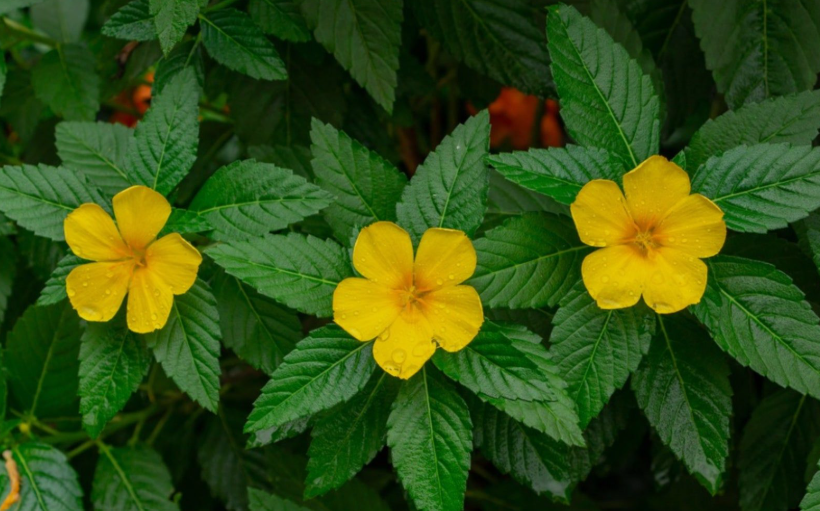
Buttercups are flowering plants that belong to the genus Ranunculus in the family Ranunculaceae. These plants are widely recognized for their bright, glossy yellow flowers, though some species also produce white or pink blooms. Buttercups are common in many parts of the world and are often found growing in fields, gardens, meadows, and along roadsides. Their cheerful appearance makes them easy to notice during the blooming season.
Most buttercup species are herbaceous plants, meaning they have soft, green stems rather than woody ones. They can be either annuals, biennials, or perennials depending on the species. Buttercups typically have deeply lobed or divided leaves and produce simple yet striking flowers with five petals. The petals often have a shiny surface that reflects sunlight, giving the flowers their characteristic glossy look.
Buttercups grow best in moist soils and are commonly found in grasslands, wetlands, and woodland edges. They thrive in temperate regions and are especially abundant during spring and early summer when conditions are cool and damp. Because they spread easily through seeds and sometimes creeping stems, buttercups can quickly establish themselves in natural landscapes.
Although buttercups are attractive, many species contain natural chemicals that can be toxic to animals and humans if eaten fresh. The compound can irritate the skin or mouth, which is why grazing animals often avoid them when other plants are available. However, when the plant dries, such as in hay, the harmful substance usually breaks down and becomes less dangerous.
Buttercups also play a role in local ecosystems. Their bright flowers attract pollinators such as bees, flies, and beetles, which help transfer pollen between plants. This pollination process supports plant reproduction and contributes to biodiversity in the habitats where buttercups grow.
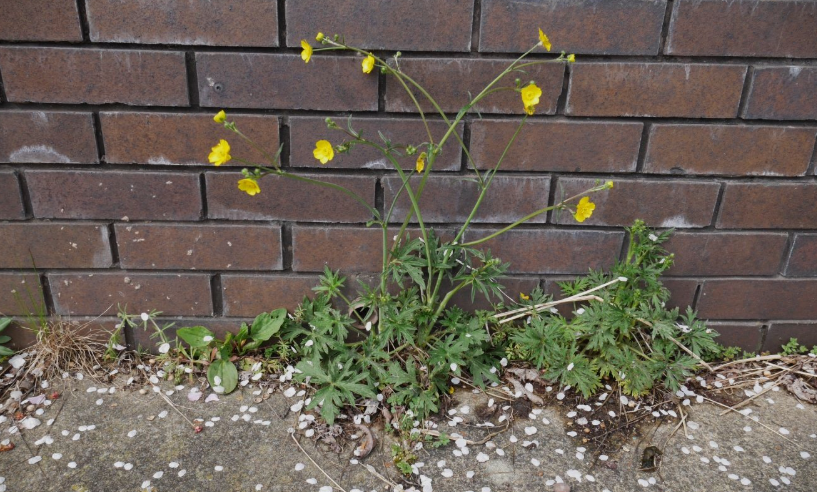
Wild vs. Ornamental: Different Types of Buttercup Flowers Explained
Meadow Buttercup (Ranunculus acris)
The Meadow Buttercup is one of the most widely recognized buttercup species found in grassy meadows and pastures. It produces bright yellow, glossy flowers with five petals that reflect sunlight, giving the plant its characteristic shine. This perennial plant can grow up to about 1 meter tall and thrives in moist, fertile soils.
It is commonly seen across Europe, Asia, and parts of North America, especially during late spring and early summer. Although attractive, the plant can be toxic to livestock when eaten fresh due to irritating compounds in its sap.
Creeping Buttercup (Ranunculus repens)
Creeping Buttercup is known for its ability to spread quickly across the ground through horizontal stems called stolons. Because of this creeping growth habit, it often forms dense patches in lawns, gardens, and damp fields.
The plant has shiny yellow flowers and deeply divided leaves that grow close to the ground. It prefers moist, poorly drained soils and partial shade, making it a common weed in many temperate regions. Gardeners often find it difficult to control because it easily re-roots and spreads.
Bulbous Buttercup (Ranunculus bulbosus)
Bulbous Buttercup is a perennial species easily identified by the swollen bulb-like base at the bottom of its stem. It commonly grows in dry meadows, pastures, and grassy hillsides where the soil is well-drained.
The plant produces bright yellow flowers with downward-curving sepals beneath the petals. It typically blooms during spring and early summer and is shorter than some other buttercup species. The underground bulb helps the plant survive dry periods and regenerate each growing season.
Celery-leaved Buttercup (Ranunculus sceleratus)
Celery-leaved Buttercup is a moisture-loving species commonly found in wetlands, marshes, and muddy ditches. It has fleshy stems and leaves that resemble those of celery, which explains its common name.
The flowers are small and pale yellow, usually appearing in clusters during the growing season. This plant grows rapidly in wet conditions and often colonizes disturbed or waterlogged soils. It contains strong irritant chemicals and is considered one of the more toxic buttercup species.
Persian Buttercup (Ranunculus asiaticus)
Persian Buttercup is widely grown as an ornamental plant because of its large, colorful flowers that resemble small roses. Unlike most wild buttercups that have simple yellow blooms, this species produces layered petals in colors such as red, pink, orange, yellow, and white.
It is native to regions around the eastern Mediterranean and parts of southwestern Asia. Gardeners often cultivate it in flower beds, containers, and for cut-flower arrangements. Its long-lasting blooms make it a favorite in decorative gardens and floral displays.
Lesser Spearwort (Ranunculus flammula)
Lesser Spearwort is a small buttercup species that thrives in wet environments such as marshes, stream banks, and damp grasslands. It has slender stems and narrow leaves that give it a more delicate appearance than many other buttercups.
The plant produces simple yellow flowers that bloom during the summer months. It spreads slowly through creeping stems that root where they touch the ground. Because it prefers moist habitats, it is often found near water or in areas with consistently damp soil.
Lesser Celandine (Ranunculus ficaria)
Lesser Celandine is an early spring-flowering plant that often appears before many other wildflowers emerge. It has shiny, star-shaped yellow flowers and heart-shaped leaves that form dense carpets on woodland floors. The plant grows from small underground tubers, which allow it to spread quickly in favorable conditions.
Native to Europe and western Asia, it has been introduced to other regions where it can sometimes become invasive. Its early blooming makes it an important nectar source for insects emerging in spring.
White Water Buttercup (Ranunculus aquatilis)
White Water Buttercup is an aquatic species that grows in ponds, streams, and slow-moving rivers. Unlike most buttercups that have yellow flowers, this plant produces delicate white petals with a bright yellow center. It has two types of leaves: finely divided underwater leaves and broader floating leaves that help it adapt to aquatic environments.
The flowers float above the water surface, creating a beautiful display during the blooming season. This species also plays an ecological role by providing habitat for small aquatic animals and helping maintain freshwater ecosystems.
Aconite-leaved Buttercup (Ranunculus aconitifolius)
Aconite-leaved Buttercup is a graceful perennial species that grows naturally in mountainous regions and moist woodlands. It produces clusters of delicate white flowers with yellow centers, which differ from the typical bright yellow color of most buttercups.
The plant’s deeply divided leaves resemble those of the aconite plant, giving it its common name. It prefers cool climates and moist, well-drained soils, often thriving in shaded garden areas. Because of its elegant flowers, it is sometimes cultivated as an ornamental plant in cottage gardens.
Alpine Buttercup (Ranunculus alpestris)
Alpine Buttercup is a hardy species adapted to life in high-altitude mountain environments. It typically grows in rocky slopes, alpine meadows, and cold mountainous regions across Europe. The plant produces small but bright white flowers that stand out against the harsh alpine landscape.
Its compact growth helps it survive strong winds and cold temperatures. This species blooms during the short summer season when snow melts and conditions become favorable for plant growth.
Tall Buttercup (Ranunculus acris var. friesianus)
Tall Buttercup is a robust variety of meadow buttercup known for its especially tall stems and bright yellow blossoms. It is often found in pastures, grasslands, and roadside areas where the soil remains moderately moist.
The plant produces multiple flowers on branching stems, creating a striking display in open fields during the blooming season. Like many buttercup species, it contains natural toxins that make it unpalatable to grazing animals. Nevertheless, it plays a role in natural ecosystems by attracting pollinating insects.
Goldilocks Buttercup (Ranunculus auricomus)
Goldilocks Buttercup is a woodland species known for its unusual leaves and delicate yellow flowers. The leaves vary greatly in shape, with some appearing finely divided while others are broader and more rounded. It typically grows in shaded forests, hedgerows, and grassy woodland edges across Europe and parts of Asia.
The flowers are smaller than those of many buttercups and sometimes appear slightly irregular. This species blooms in spring and adds subtle color to forest floors.
Marsh Buttercup (Ranunculus hederaceus)
Marsh Buttercup is a small, creeping species commonly found in wet habitats such as marshes, bogs, and shallow streams. It has round, ivy-like leaves that float or rest on the surface of the water.
The plant produces tiny white flowers with yellow centers that bloom during the warmer months. Because of its low-growing habit, it often forms mats across muddy or waterlogged ground. Its presence is usually an indicator of consistently wet environmental conditions.
Himalayan Buttercup (Ranunculus hirtellus)
Himalayan Buttercup is a species native to high-altitude regions of the Himalayan mountains. It grows in alpine meadows and rocky slopes where conditions can be cold and windy.
The plant produces bright yellow flowers that stand out against the rugged mountain terrain. Its compact growth and hardy nature allow it to survive in environments where few other flowering plants thrive. This species contributes to the seasonal bursts of color seen in Himalayan alpine landscapes.
Hairy Buttercup (Ranunculus sardous)
Hairy Buttercup is named for the fine hairs that cover its stems and leaves. It commonly grows in fields, roadsides, and disturbed soils across Europe, North Africa, and parts of Asia.
The plant produces small yellow flowers and typically grows as an annual or short-lived perennial. It thrives in sunny locations and can tolerate relatively dry soil conditions. While not as showy as some other buttercups, it is still an important wildflower in many grassland ecosystems.
Lapland Buttercup (Ranunculus lapponicus)
Lapland Buttercup is a creeping species that grows in cold northern regions, particularly in Arctic and subarctic environments. It spreads along the ground with slender stems that root at various points.
The plant produces small yellow flowers and rounded leaves that help it adapt to harsh climates. It is often found in damp tundra areas, bogs, and mossy ground. This hardy species is well adapted to survive in environments with short growing seasons and long, cold winters.
Snow Buttercup (Ranunculus adoneus)
Snow Buttercup is a remarkable species adapted to extremely cold, high-altitude environments. It is commonly found in alpine regions of western North America, where it often blooms soon after snow begins to melt. The plant produces bright yellow flowers that follow the retreating snowline up mountain slopes during spring and early summer.
Its dark-colored leaves help absorb heat from sunlight, allowing it to grow in cold conditions. This early blooming strategy makes it one of the first flowering plants to appear in alpine ecosystems.
Sagebrush Buttercup (Ranunculus glaberrimus)
Sagebrush Buttercup is an early spring wildflower commonly found in dry plains, open woodlands, and sagebrush habitats. It produces small, glossy yellow flowers that appear before many other plants begin to grow.
The leaves are smooth and somewhat thick, helping the plant tolerate dry environments. It grows mainly in western parts of North America and is an important early-season nectar source for insects. Because it blooms so early, it often signals the beginning of spring in many dry landscapes.
Water Crowfoot (Ranunculus trichophyllus)
Water Crowfoot is an aquatic member of the buttercup family that grows in ponds, streams, and slow-moving rivers. It has very fine, thread-like underwater leaves that move freely with the current.
The plant produces delicate white flowers with yellow centers that float on the water surface. These flowers attract pollinating insects even in aquatic habitats. Water Crowfoot also helps oxygenate water and provides shelter for small aquatic organisms.
Seaside Buttercup (Ranunculus cymbalaria)
Seaside Buttercup is a low-growing species often found near coastal areas, salt marshes, and sandy shorelines. It has rounded leaves and small yellow flowers that bloom close to the ground.
The plant is well adapted to salty soils and moist coastal environments. Its creeping growth allows it to spread across sandy or muddy surfaces. Because of its tolerance for salt and wet soil, it thrives in habitats where many other plants struggle to survive.
Pale Buttercup (Ranunculus pallidus)
Pale Buttercup is a species native to mountainous regions, particularly in parts of New Zealand and other cool climates. It produces soft yellow flowers that are slightly lighter in color compared to the bright golden blooms of many buttercups.
The plant grows in grassy slopes, alpine meadows, and open mountain habitats. Its leaves are often divided and slightly hairy, helping protect the plant from cold winds. This species contributes to the diversity of alpine wildflowers and blooms during the warmer months of the year.