Japanese herbs and spices play an important role in the flavor and balance of traditional cuisine in Japan. Rather than relying on heavy seasoning, Japanese cooking often uses herbs and spices to gently enhance the natural taste of ingredients. These flavorings add freshness, aroma, and subtle complexity to dishes without overpowering them.
Unlike many other Asian culinary traditions that feature bold, spicy profiles, Japanese seasonings tend to enhance natural food flavors. The fundamental philosophy of Japanese cooking values the intrinsic taste of fresh ingredients, with herbs and spices playing supporting roles that complement rather than dominate.
Fresh leaves, roots, and shoots are often used as garnishes or light seasonings in soups, noodle dishes, and rice meals. They help brighten the overall flavor of a dish and often provide a refreshing contrast to richer ingredients such as fish, meat, or fried foods.
Some herbs and spices are used in powdered form while others are grated fresh to release their aroma and flavor. These spices are commonly added in small amounts to sauces, broths, and dipping condiments, creating layers of taste that complement the main ingredients.
Certain herbs appear mainly in spring or summer, while others are more common in colder months. This seasonal use reflects the broader Japanese culinary philosophy of highlighting ingredients at their peak freshness.
Many Japanese herbs and spices are valued for their traditional health benefits. They are often believed to aid digestion, stimulate appetite, or provide nutrients. Because of this, they are frequently included in everyday meals as both culinary and functional ingredients.
Today, Japanese herbs and spices are increasingly recognized around the world as interest in Japanese cuisine grows. Chefs and home cooks outside Japan are exploring these ingredients for their unique flavors and versatility, incorporating them into a wide variety of modern dishes while still respecting their traditional uses.

Traditional Japanese Herbs and Spices
Shiso
Shiso is one of the most recognizable herbs in Japanese cuisine. It has bright green or purple leaves with a unique flavor that combines hints of mint, basil, and citrus. Shiso is often served fresh as a garnish with sushi or sashimi and is also used in salads, pickles, and tempura. Its refreshing aroma makes it a popular herb in many traditional dishes.
Wasabi
Wasabi is a well-known Japanese spice made from the grated root of the wasabi plant. It produces a sharp, pungent heat that quickly fades rather than lingering like chili peppers. Wasabi is most commonly served with sushi and sashimi, but it is also used in sauces, dressings, and noodle dishes to add a bold kick of flavor.
Myoga
Myoga is a fragrant Japanese herb related to ginger. Instead of the root, the edible part is the flower bud, which has a crisp texture and mildly spicy taste. It is typically sliced thin and used as a garnish for cold noodles, tofu, soups, and salads, providing a refreshing and aromatic touch.
Sansho
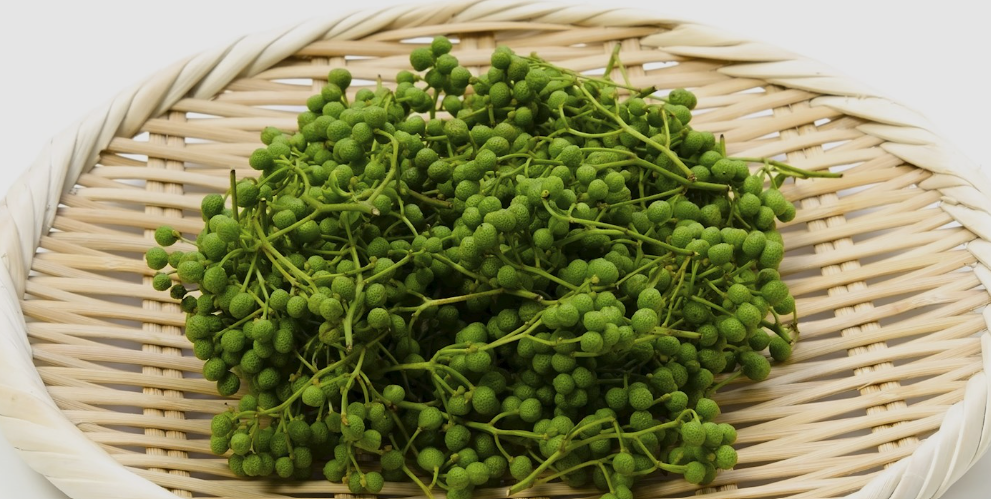
Sansho is a Japanese spice made from the berries of the prickly ash tree. It has a citrusy aroma and produces a mild tingling sensation on the tongue. Sansho is often ground into powder and sprinkled over grilled dishes, particularly grilled eel, to enhance the flavor with a slightly peppery note.
Yuzu
Yuzu is a fragrant citrus fruit widely used in Japanese cooking as both a herb-like flavoring and spice ingredient. Its juice and zest add a bright, tangy aroma to sauces, soups, and marinades. Yuzu is also used in spice blends and condiments that accompany noodles, fish, and vegetable dishes.
Ginger
Ginger is an important spice in Japanese cuisine and is commonly used fresh, grated, or pickled. It provides a warm, slightly spicy flavor that complements seafood and meat dishes. Pickled ginger is famously served with sushi, while fresh ginger is often added to soups, sauces, and stir-fried meals.
Garlic
Garlic is used in many Japanese dishes to add depth and aroma. Although it is used more moderately compared to some other cuisines, it still plays an important role in seasoning broths, stir-fries, and grilled foods. Garlic helps create richer flavors while balancing other ingredients.
Togarashi
Togarashi refers to Japanese chili peppers and spice blends made from them. The most famous form is a mixed seasoning that combines chili with other aromatic ingredients. It is commonly sprinkled over noodle soups, rice dishes, and grilled foods to add mild heat and extra flavor.
Negi
Negi is a type of Japanese green onion or scallion, valued for its mild, sweet onion flavor. It is used in soups, ramen, and noodle dishes, as well as grilled or sautéed as a side. Negi is also chopped and sprinkled raw over dishes to add a fresh, aromatic layer of flavor.
Kinome
Kinome is the young leaf of the Japanese prickly ash tree, related to sansho. It has a fresh, citrusy aroma and a slightly peppery taste. Kinome is commonly used as a garnish for grilled fish, tofu, and seasonal dishes, providing a fragrant accent that complements delicate flavors.
Shichimi Togarashi
Shichimi togarashi is a traditional Japanese seven-spice blend that combines chili pepper, sesame seeds, orange peel, seaweed, and other seasonings. It is sprinkled over soups, noodles, rice dishes, and grilled foods to give a balanced kick of heat, aroma, and texture.
Mitsuba
Mitsuba is often called Japanese parsley, with a mild, fresh flavor reminiscent of celery and parsley. Its leaves are used as a garnish in soups, noodle dishes, and egg-based dishes, and can also be added to salads for a delicate herbal note.
Kombu
Kombu is a type of edible kelp used primarily as a seasoning ingredient rather than a vegetable. It is rich in umami compounds and forms the base of many Japanese broths and soups, such as dashi. Kombu imparts a savory depth and subtle sea flavor to dishes.
Miso
Miso is a fermented soybean paste often used as a seasoning rather than a standalone food. While technically a paste, it functions as a spice in Japanese cooking, adding rich umami flavor to soups, marinades, and sauces. Different types of miso provide varying levels of sweetness, saltiness, and depth.
Wasabi Leaves
In addition to the root, wasabi leaves are edible and have a milder, peppery flavor. They are often used fresh in salads, pickles, or as a garnish, adding subtle heat and aroma to dishes without the intense spiciness of grated wasabi root.
Aojiso
Aojiso, or green shiso, is a common variant of shiso leaves that is used extensively in Japanese cuisine. It is added to salads, pickles, sushi rolls, and cold noodles for its refreshing aroma and slightly minty, citrus-like taste, enhancing the overall flavor profile of dishes.
Sakura Leaves
Sakura leaves come from cherry blossom trees and are lightly salted for culinary use. They have a subtle floral aroma and slightly savory flavor. In Japanese cuisine, they are used to wrap sweets like mochi or added to rice dishes to impart a gentle fragrance and traditional seasonal touch.
Karashi
Karashi is Japanese mustard with a sharp, pungent flavor. It is commonly used as a condiment for oden, natto, and various pickled vegetables. Its strong spiciness is balanced by the mildness of other ingredients, adding depth and excitement to dishes.
Yomogi
Yomogi, or Japanese mugwort, is a fragrant herb with slightly bitter and earthy notes. It is often used in traditional sweets like mochi or added to herbal teas. In cooking, yomogi leaves may also be used to flavor rice cakes and certain dumplings.
Sansho Leaves
Sansho leaves, known as kinome in younger stages, are aromatic with a citrusy, peppery flavor. They are typically used as garnishes for grilled or simmered fish and seasonal dishes. Their fragrance enhances the presentation and adds a delicate, zesty note.
Shiso Seeds
Shiso seeds are sometimes used as a spice in Japanese cuisine. They have a slightly nutty and aromatic flavor and are often toasted or sprinkled over rice, salads, or pickled dishes. These seeds offer both texture and a subtle herbal taste.
Katsuobushi
Katsuobushi, or dried bonito flakes, is a fundamental seasoning in Japanese cooking. While technically fish, it is treated as a spice for its umami-rich flavor. It is shaved over hot dishes, soups, and noodles or used to make dashi broth, adding a smoky, savory depth.
Nori
Nori is dried seaweed commonly used as a seasoning and wrap in Japanese cuisine. It adds a subtle oceanic flavor to rice dishes, sushi, and soups. Crumbled nori can also be sprinkled on noodles or rice as a flavorful garnish.
Furikake
Furikake is a versatile Japanese seasoning blend made of dried fish, sesame seeds, seaweed, salt, and sometimes dried egg or vegetables. It is sprinkled over rice, vegetables, or noodles to enhance flavor, offering a combination of umami, saltiness, and texture in one simple condiment.