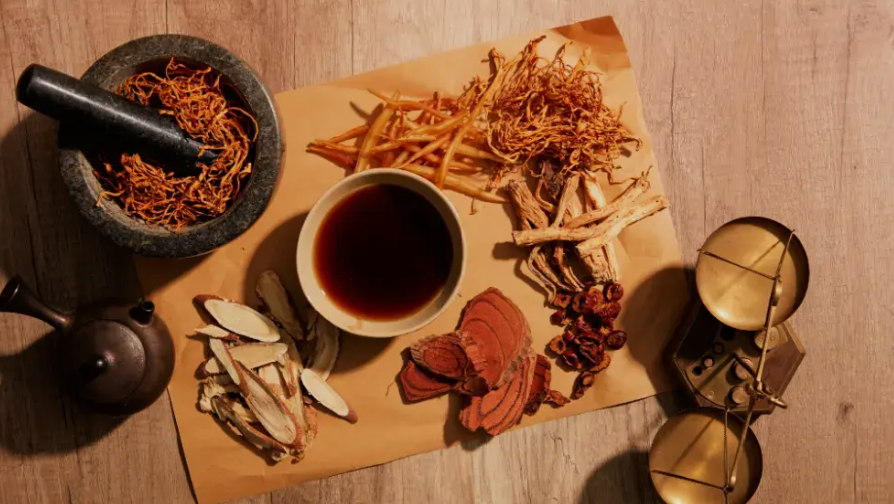
Japanese traditional medicine, influenced by Chinese healing practices but evolved into distinct Kampo medicine over centuries, relies on specific herbs believed to promote health and extend lifespan. The Japanese concept of “mi-byō” focuses on preventing illness before it manifests, with medicinal herbs playing central roles in maintaining balance and vitality throughout life.
Japan’s notable longevity statistics—consistently ranking among the world’s longest-living populations—are often attributed partly to traditional herbal remedies integrated into daily life through teas, foods, and supplements. These time-tested botanicals form the foundation of both ancient healing wisdom and modern wellness practices throughout Japan.

Japanese Herbs for Healing
Shiso
Shiso, also known as perilla, is highly valued in Japan for its medicinal properties. The leaves are rich in antioxidants and anti-inflammatory compounds, which may help boost the immune system and support respiratory health. Shiso tea or fresh leaves are often consumed to aid digestion and maintain overall wellness.
Yomogi
Yomogi, or Japanese mugwort, is traditionally used for its calming and detoxifying properties. It is commonly made into herbal teas or used in hot compresses to relieve digestive issues, menstrual discomfort, and fatigue. Yomogi is also believed to support circulation and promote longevity.
Ginger
Ginger is widely used in Japanese natural medicine for its warming and anti-inflammatory effects. Drinking ginger tea or adding fresh ginger to soups can help improve digestion, reduce nausea, and boost metabolism. Its antioxidant properties also contribute to overall health and longevity.
Sansho
Sansho, the Japanese prickly ash spice, is traditionally believed to aid digestion and improve circulation. Its active compounds can have mild antibacterial and antioxidant effects. Sansho leaves and seeds are sometimes used in teas or sprinkled on dishes to support digestive health.
Kombu
Kombu, a type of seaweed, is rich in minerals such as iodine, calcium, and magnesium. It supports thyroid function and cardiovascular health, making it an important part of longevity diets in Japan. Kombu is often used to make dashi, which serves as a base for nutritious soups.
Umeboshi
Umeboshi, or pickled Japanese plums, are known for their alkalizing and digestive benefits. They are traditionally eaten with rice or in teas to help detoxify the body, stimulate appetite, and prevent fatigue. Umeboshi are considered a natural remedy for maintaining vitality.
Kudzu Root (Kuzu)
Kudzu root, called kuzu in Japan, is used as a natural remedy for digestive issues, hangovers, and muscle tension. It is often made into teas or thickened pastes and consumed for its soothing and restorative properties. Kuzu is also believed to support healthy metabolism and longevity.
Mitsuba
Mitsuba, or Japanese parsley, is a mild herb used in soups and herbal remedies. It contains vitamins and antioxidants that help reduce inflammation and support immune health. Regular consumption of mitsuba in teas or cooked dishes is associated with promoting overall wellness and longevity.
Aojiso (Green Shiso)
Aojiso, the green variety of shiso, is rich in vitamins A and C, as well as antioxidants. It is used in teas, soups, or eaten fresh to help reduce inflammation and support immune function. Its mild, aromatic flavor also makes it a gentle digestive aid, contributing to long-term health.
Perilla Seeds
Perilla seeds, derived from the shiso plant, are high in omega-3 fatty acids and have anti-inflammatory properties. They are often toasted and sprinkled over rice or salads, promoting cardiovascular health and helping maintain youthful skin and overall vitality.
Fuki (Butterbur)
Fuki, or Japanese butterbur, has been used traditionally to support respiratory health and liver function. Its leaves and stems are often simmered or used in teas to help detoxify the body and aid digestion, making it a valuable herb for maintaining wellness and longevity.
Kombucha (Japanese Variant)
Not to be confused with the fermented drink popular worldwide, the Japanese kombucha (from kelp or herbal infusions) is used as a natural tonic. Rich in minerals and beneficial compounds, it is believed to support digestion, balance gut flora, and enhance overall vitality.
Shungiku
Shungiku, or chrysanthemum greens, is commonly used in soups and hot pot dishes. It contains antioxidants and vitamins that support liver health and immune function. Its gentle flavor makes it easy to incorporate into daily meals for consistent wellness benefits.
Kudzu Leaves
Kudzu leaves, like the root, are used in herbal remedies for their anti-inflammatory and circulatory benefits. They can be brewed into teas or added to soups. Regular consumption is believed to aid digestion, reduce fatigue, and promote long-term health.
Yuzu Peel
Yuzu peel is rich in vitamin C and aromatic oils. It is often grated into teas, soups, or dressings, supporting immunity and circulation. Its fragrant zest also has calming effects, making it a herb valued not only for physical health but also for mental well-being.
Gobo (Burdock Root)
Gobo is a traditional Japanese root vegetable renowned for its detoxifying properties. It contains fiber and antioxidants that aid digestion, purify the blood, and support liver function. Consumed in soups or simmered dishes, gobo is considered a longevity-promoting food in Japanese herbal practice.
Udo
Udo is a mountain vegetable with pale stalks and a slightly bitter, refreshing flavor. Traditionally, it is used in teas, salads, and lightly cooked dishes to support digestion and improve circulation. Its high mineral content makes it a valued herb for maintaining overall health and vitality.
Kinome (Sansho Leaves)
Kinome, the young leaves of the sansho plant, are aromatic with a citrusy, peppery flavor. In herbal use, they are believed to aid digestion and stimulate appetite. Kinome is often used fresh as a garnish or brewed in teas to promote digestive health and longevity.
Mugwort (Artemisia Princeps)
Mugwort, or yomogi, is a staple in traditional Japanese herbal medicine. Its leaves are used in teas, poultices, and steamed foods to help detoxify the body, reduce inflammation, and support circulation. Mugwort is also associated with longevity and overall wellness in Japanese practices.
Hojiso (Purple Shiso)
Hojiso, or purple shiso, is rich in anthocyanins, giving it potent antioxidant properties. It is often used in pickles, teas, and condiments to help reduce oxidative stress and support immune function. Its inclusion in meals is traditionally seen as a way to maintain vitality and promote longevity.
Awabancha Leaves
Awabancha leaves come from a fermented tea plant used in regional Japanese herbal remedies. They contain beneficial compounds that aid digestion, improve gut health, and support overall metabolic function. Drinking tea made from these leaves is believed to contribute to a long and healthy life.