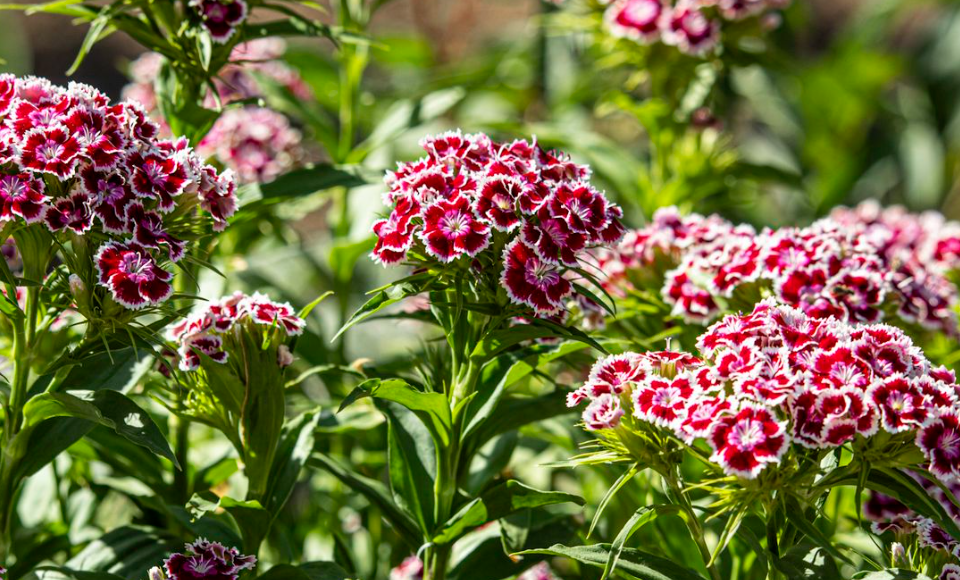
Alkaline Soil is soil that has a pH level higher than 7, meaning it is more basic than neutral soil. This type of soil often forms in regions where limestone, chalk, or other calcium-rich materials are present. Because of these minerals, alkaline soil typically contains higher levels of calcium carbonate, which influences how nutrients behave in the soil and how plants absorb them.
Alkaline soil can affect plant growth because certain nutrients—such as iron, manganese, and phosphorus—become less available to plants at higher pH levels. As a result, some plants may develop nutrient deficiencies even when nutrients are present in the soil. However, many plants are naturally adapted to alkaline environments and thrive in these conditions, including species commonly found in Mediterranean or dry, rocky landscapes.
Gardeners can identify alkaline soil using a simple soil pH test and may adjust conditions depending on what they want to grow. While some plants struggle in alkaline soil, others—such as lavender, dianthus, and yarrow—perform exceptionally well in it. By selecting plants suited to the soil’s natural pH, gardeners can create healthier and more sustainable gardens with less need for soil modification.
Many garden plants prefer slightly acidic soil, but some flowers actually thrive in alkaline soil (pH above ~7). These plants naturally grow in chalky or limestone-rich environments and can perform beautifully in gardens where other plants struggle.
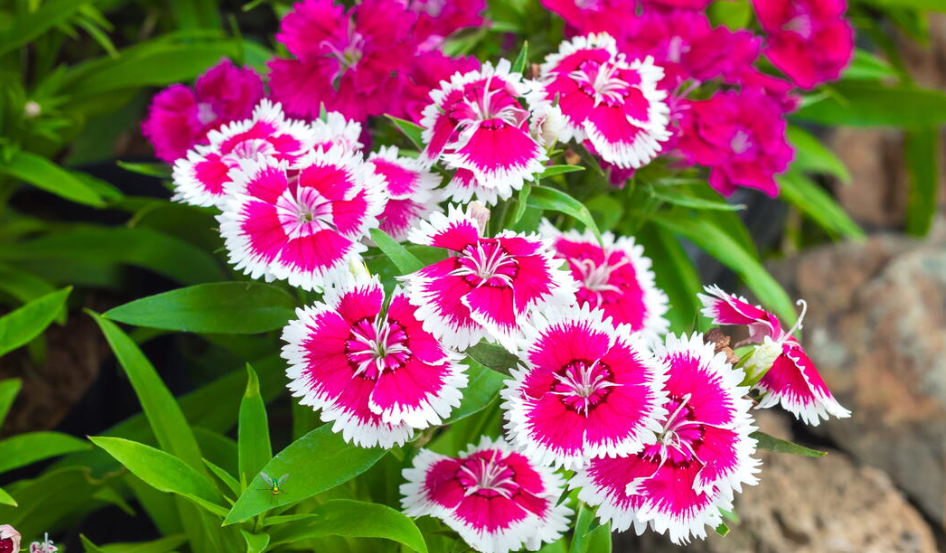
Flowers that Like Alkaline Soil
Lavender
Lavandula is one of the best-known flowers that thrive in alkaline soil. Native to Mediterranean regions where soils are often chalky and alkaline, lavender prefers well-drained soil and full sunlight. Its fragrant purple flower spikes attract pollinators such as bees and butterflies. In addition to its ornamental value, lavender is widely used for essential oils, herbal remedies, and culinary purposes. Excess moisture or acidic soil can harm the plant, so alkaline soil with good drainage helps it flourish.
Clematis
Clematis is a popular climbing flower that performs well in neutral to alkaline soil. Known for its striking star-shaped blooms in colors like purple, pink, and white, clematis is often grown on trellises, fences, or arbors. The plant prefers its roots in cool soil and its vines in full sun. Gardeners sometimes add lime to slightly acidic soil to create the alkaline conditions clematis enjoys.
Dianthus
Dianthus, which includes carnations and pinks, grows best in alkaline, well-drained soils. These plants are known for their frilled petals and spicy clove-like fragrance. Dianthus flowers come in shades of pink, red, white, and sometimes bi-colored patterns. They are often used in borders and cottage gardens, and they tolerate dry conditions once established.
Delphinium
Delphinium produces tall spikes of vibrant blue, purple, pink, or white flowers. These dramatic blooms are often the highlight of cottage-style gardens. Delphiniums prefer alkaline soil enriched with organic matter and good drainage. They thrive in sunny locations but may require staking due to their height and delicate stems.
Campanula
Campanula, commonly known as bellflowers, are charming plants with bell-shaped blossoms. They grow well in neutral to alkaline soil and adapt to a variety of garden settings. Campanulas can be groundcovers, border plants, or tall perennials depending on the species. Their delicate blue or purple flowers bloom profusely and attract pollinators.
Gypsophila (Baby’s Breath)
Gypsophila thrives in alkaline soils, which reflects its natural habitat in chalky regions. The plant produces airy clusters of tiny white or pink flowers that create a soft cloud-like appearance in gardens. Baby’s breath is widely used in floral arrangements and wedding bouquets. It prefers full sun and dry, well-drained alkaline soil.
Shasta Daisy
Leucanthemum × superbum, commonly called the Shasta daisy, is a cheerful perennial that grows well in alkaline conditions. Its classic white petals surrounding a bright yellow center make it a favorite for cottage gardens and borders. Shasta daisies prefer full sun and well-drained soil and are relatively easy to maintain.
Sweet William
Dianthus barbatus is a biennial or short-lived perennial with colorful clusters of flowers. The blossoms often feature striking combinations of red, pink, white, and purple. Sweet William grows best in alkaline soil with good drainage and full sun. Its fragrant flowers attract butterflies and bees, making it a valuable addition to pollinator gardens.
Wallflower
Erysimum includes many species that thrive in alkaline soils. These plants are known for their fragrant flowers that bloom in warm shades such as yellow, orange, and purple. Wallflowers are often planted in rock gardens or along borders where soil drainage is good. They perform especially well in sunny conditions.
Sea Holly
Eryngium is a striking ornamental plant with metallic blue, thistle-like flowers and spiky bracts. Native to coastal and dry habitats, sea holly thrives in alkaline, sandy, or well-drained soils. Its unusual appearance makes it popular in modern landscape designs and dried floral arrangements.
Candytuft
Iberis is a low-growing flowering plant often used as groundcover or in rock gardens. It produces clusters of small white or pink flowers that bloom abundantly in spring. Candytuft prefers alkaline, well-drained soil and sunny locations. Its compact growth habit makes it ideal for edging pathways or borders.
Pasque Flower
Pulsatilla, commonly called the pasque flower, thrives in alkaline soils typical of limestone or chalk landscapes. It produces delicate purple, blue, or white flowers early in spring, followed by feathery seed heads that add ornamental interest. The plant prefers sunny, well-drained locations and is especially valued in rock gardens.
Hellebore
Helleborus, often called the Lenten rose, is a hardy perennial that thrives in neutral to alkaline soil. These plants are valued for their ability to bloom in late winter or early spring when few other flowers are in bloom. Hellebores produce elegant, nodding flowers in shades of white, pink, purple, and green. They prefer partial shade and well-drained soil rich in organic matter, making them ideal for woodland gardens
Yarrow
Achillea, commonly known as yarrow, is a tough perennial that tolerates dry conditions and alkaline soils very well. It produces flat-topped clusters of small flowers in colors such as yellow, white, pink, and red. Yarrow is also valued for its feathery foliage and ability to attract beneficial insects like butterflies and pollinators. It grows best in full sun and well-drained soil.
Penstemon
Penstemon, often called beardtongue, is a flowering perennial known for its tubular blossoms. These flowers appear on tall spikes and are especially attractive to bees and hummingbirds. Penstemon thrives in well-drained alkaline soils and sunny locations. The flowers come in a wide range of colors, including purple, red, pink, and blue.
Salvia
Salvia is a large group of flowering plants that includes both ornamental and culinary species. Many ornamental salvias thrive in alkaline soil and sunny environments. They produce upright spikes of colorful flowers in shades of blue, purple, red, and pink. Salvias are highly attractive to pollinators and are often used in drought-tolerant landscapes because of their resilience and low maintenance needs.
Gaillardia (Blanket Flower)
Gaillardia, commonly called blanket flower, thrives in alkaline, sandy, or well-drained soils. The plant produces vibrant daisy-like blooms with red, orange, and yellow petals that resemble colorful woven blankets, which is how it got its common name. Blanket flowers bloom for a long season and tolerate heat and drought, making them excellent for sunny gardens.
Aster
Aster is a popular flowering perennial that thrives in neutral to slightly alkaline soils. Asters are known for their star-shaped blooms, typically in shades of purple, blue, pink, or white. These flowers bloom in late summer and autumn, providing important nectar for bees and butterflies when many other plants have finished flowering.
Coreopsis
Coreopsis, often called tickseed, is a cheerful perennial that thrives in alkaline and well-drained soils. It produces bright yellow or golden daisy-like flowers that bloom for a long period during summer. Coreopsis plants are easy to grow, drought-tolerant, and excellent for attracting pollinators such as bees and butterflies.
Veronica (Speedwell)
Veronica, commonly called speedwell, produces slender spikes of small flowers in shades of blue, purple, pink, or white. These perennials grow well in neutral to alkaline soils with good drainage. Veronica plants are often used in borders and cottage gardens and are appreciated for their neat growth habit and long flowering season.
Sedum (Stonecrop)
Sedum, also known as stonecrop, is a group of succulent plants that thrive in alkaline, rocky, or sandy soils. These hardy plants store water in their fleshy leaves, making them extremely drought-tolerant. Sedums produce clusters of star-shaped flowers that attract bees and butterflies, especially in late summer and autumn.