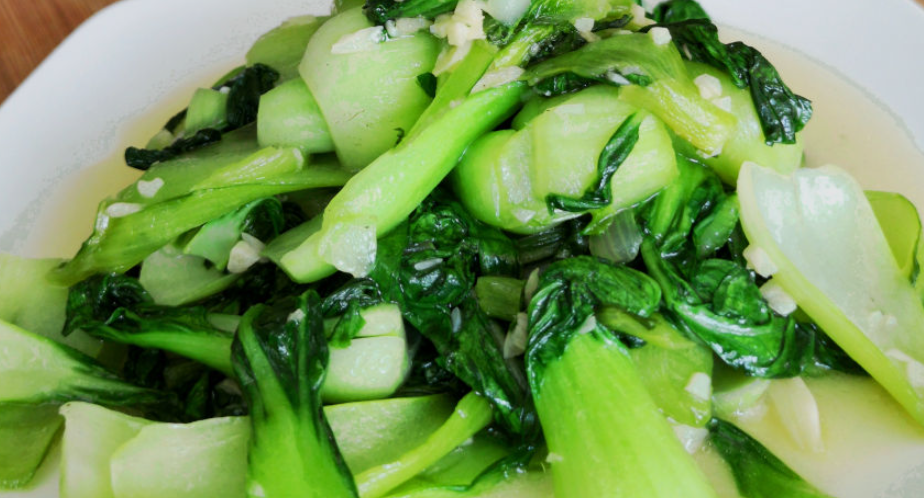
Chinese vegetable cultivation represents one of the world’s oldest and most sophisticated agricultural traditions, with archaeological evidence showing intentional vegetable farming dating back over 7,000 years. The diversity of Chinese vegetables reflects the country’s vast geographic range, from tropical southern regions to temperate northern zones, each producing distinctive varieties adapted to local climates and culinary traditions.
Chinese vegetables represent a broad category of leafy greens, roots, stems, and fruits commonly used in Chinese cuisine. They are valued not only for their flavor but also for their nutritional benefits, often being rich in vitamins, minerals, and antioxidants. Many of these vegetables have a unique texture and taste that distinguish them from Western vegetables, ranging from bitter and peppery to mild and sweet. They are often stir-fried, steamed, pickled, or used in soups and dumplings, reflecting the diversity of Chinese culinary traditions.
Chinese Vegetables
Bok Choy
Bok choy is a versatile leafy green with crisp white stems and tender dark leaves. It is commonly stir-fried with garlic, ginger, or soy sauce for a simple side dish. Bok choy is also used in soups, hot pots, and noodle dishes because it absorbs flavors well while keeping a slight crunch, making it a staple in Chinese cuisine.
Gai Lan (Chinese Broccoli)
Gai lan has thick, crunchy stems and dark green leaves with a slightly bitter flavor. It is usually blanched or stir-fried with garlic and oyster sauce to enhance its natural taste. Gai lan pairs well with beef or chicken in stir-fries and is often served as a side vegetable in dim sum and Cantonese meals.
Napa Cabbage
Napa cabbage has tender, pale leaves and a mild, slightly sweet flavor. It is commonly used in stir-fries, soups, and hot pot dishes. Napa cabbage is also pickled to make traditional dishes like suan cai, and it works well in slow-cooked stews where it absorbs surrounding flavors.
Choy Sum
Choy sum is a leafy vegetable with tender stalks and small yellow flowers. It has a mild, sweet flavor and is often stir-fried with garlic or blanched with oyster sauce. Choy sum pairs well with tofu, meat, or seafood, and cooks quickly while keeping its tender texture, making it popular in Cantonese cuisine.
Water Spinach (Kang Kong)
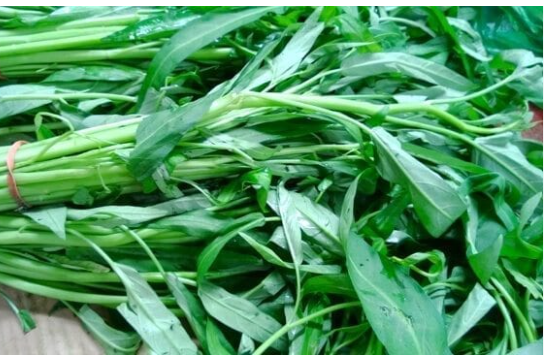
Water spinach, also called kang kong, has hollow stems and soft, tender leaves. It is usually stir-fried with garlic, chili, or fermented bean paste. Water spinach is also added to soups and hot pot dishes, providing a slightly earthy taste and a mix of crisp stems with soft leaves that balance richer ingredients.
Bitter Melon
Bitter melon has a distinctive bitter taste and is often valued for its health benefits. It is usually stir-fried with pork, beef, or eggs to balance the bitterness. Bitter melon is also cooked in soups or teas with aromatics like ginger and garlic. Despite its strong flavor, it is commonly used in traditional Chinese meals for its medicinal qualities.
Lotus Root
Lotus root is crunchy and slightly sweet, with a distinctive appearance when sliced. It is often stir-fried, braised, or added to soups and stews for both texture and flavor. Lotus root can also be pickled as a side dish or snack. Its firm texture allows it to retain its crunch even after cooking.
Snow Peas
Snow peas are flat pods with tender peas inside and a mild, sweet flavor. They are usually stir-fried quickly to preserve their crispness. Snow peas are also added to soups, fried rice, and noodle dishes, offering a fresh, crunchy contrast to other ingredients. Their light taste makes them a versatile addition to many meals.
Daikon Radish
Daikon radish is a large, mild-flavored root vegetable that is often used in soups, stews, and braised dishes. Its texture becomes tender when cooked, absorbing flavors from broths and sauces. Daikon is also pickled to make traditional Chinese side dishes or served raw in salads for a crisp, refreshing contrast.
Edamame
Edamame are young, green soybeans typically boiled or steamed and lightly salted. They are commonly served as a snack or appetizer, but can also be added to stir-fries, salads, and fried rice. Edamame provides a mild, nutty flavor and a protein boost to vegetarian and meat-based dishes alike.
Bok Choy Sum
Bok choy sum is a smaller, more tender variety of bok choy with sweet, soft leaves and thin stems. It is ideal for quick stir-fries, steaming, or adding to soups. Its delicate texture and natural sweetness make it a favorite in Cantonese cuisine and lighter vegetable dishes.
Chinese Long Beans
Chinese long beans are similar to green beans but much longer and slightly firmer. They are usually stir-fried, braised, or added to soups and noodle dishes. Long beans absorb sauces well and retain a satisfying crunch, making them a versatile vegetable in both home cooking and restaurant dishes.
Mustard Greens (Gai Choy)
Mustard greens have a slightly bitter, peppery flavor and are often stir-fried, pickled, or added to soups. They are a staple in northern and southern Chinese cooking for their strong taste and nutritional value. Mustard greens are frequently paired with pork, tofu, or preserved vegetables to balance their bold flavor.
Chinese Yam (Dioscorea)
Chinese yam is a starchy root vegetable with a slightly sweet and nutty taste. It is commonly sliced and added to soups, congee, or stir-fries. Chinese yam is also valued in traditional Chinese medicine for its digestive and energy-boosting properties, making it a popular ingredient in both cooking and wellness dishes.
Fennel (Chinese Fennel Leaves)
Chinese fennel leaves have a mild, anise-like flavor and are often used as a garnish, in soups, or in stir-fries. Their aromatic quality enhances the overall flavor of a dish without overpowering other ingredients. Fennel leaves are sometimes used in herbal teas or braised with meats for added depth.
Winter Melon
Winter melon is a large, mild-flavored gourd that is commonly used in soups and stews. Its flesh becomes soft when cooked but maintains structure, making it ideal for simmered dishes. Winter melon is also sometimes stuffed with meat or seafood for festive occasions and is valued for its cooling properties in traditional Chinese medicine.
Tatsoi
Tatsoi is a small, dark green leafy vegetable with a mild, slightly sweet flavor. It is commonly used in stir-fries, soups, and hot pot dishes, where it softens quickly but retains a slight crunch. Tatsoi is also eaten raw in salads or as a garnish, adding freshness and color to dishes.
Chinese Water Chestnut
Chinese water chestnuts are crisp and slightly sweet, often used in stir-fries, dumplings, and spring rolls. They retain their crunchy texture even after cooking, providing a satisfying contrast in soft or saucy dishes. Water chestnuts are also sliced into soups or salads for added texture and mild sweetness.
Chinese Spinach (Amaranth Greens)
Chinese spinach, or amaranth greens, has tender leaves and stems with a mild, earthy flavor. It is frequently stir-fried with garlic or lightly blanched for soups. Chinese spinach is also added to congee, noodles, and steamed vegetable dishes for a nutrient-rich, flavorful addition.
Fiddlehead Ferns (Gosari)
Fiddlehead ferns, known as gosari in some regions, are young, coiled shoots harvested in spring. They are typically blanched and stir-fried with garlic or added to soups and braised dishes. Fiddleheads have a slightly nutty flavor and chewy texture, making them a seasonal delicacy in Chinese and regional Asian cuisines.
Garlic Chives (Chinese Leeks)
Garlic chives have flat green leaves and a mild garlic flavor. They are often used in dumplings, pancakes, stir-fries, and noodle dishes. Garlic chives can be eaten raw as a garnish or cooked briefly to preserve their aroma, making them a flavorful and versatile ingredient.
Bamboo Shoots
Bamboo shoots are tender, crunchy sprouts harvested from bamboo plants. They are commonly boiled, stir-fried, or added to soups and braised dishes. Bamboo shoots absorb sauces well and provide a crisp texture, making them a traditional ingredient in both everyday meals and festive dishes.
Chinese Eggplant
Chinese eggplant is long and slender with a tender, sweet flesh. It is often stir-fried, braised, or roasted in sauces made from garlic, soy, or chili. Its smooth texture allows it to soak up flavors easily, making it ideal for flavorful vegetarian or meat-accompanied dishes.
Mizuna
Mizuna is a leafy green with feathery leaves and a slightly peppery taste. It is often used in stir-fries, soups, hot pot dishes, or eaten raw in salads. Mizuna cooks quickly while maintaining a delicate flavor and adds both texture and a mild spiciness to a variety of Chinese dishes.